






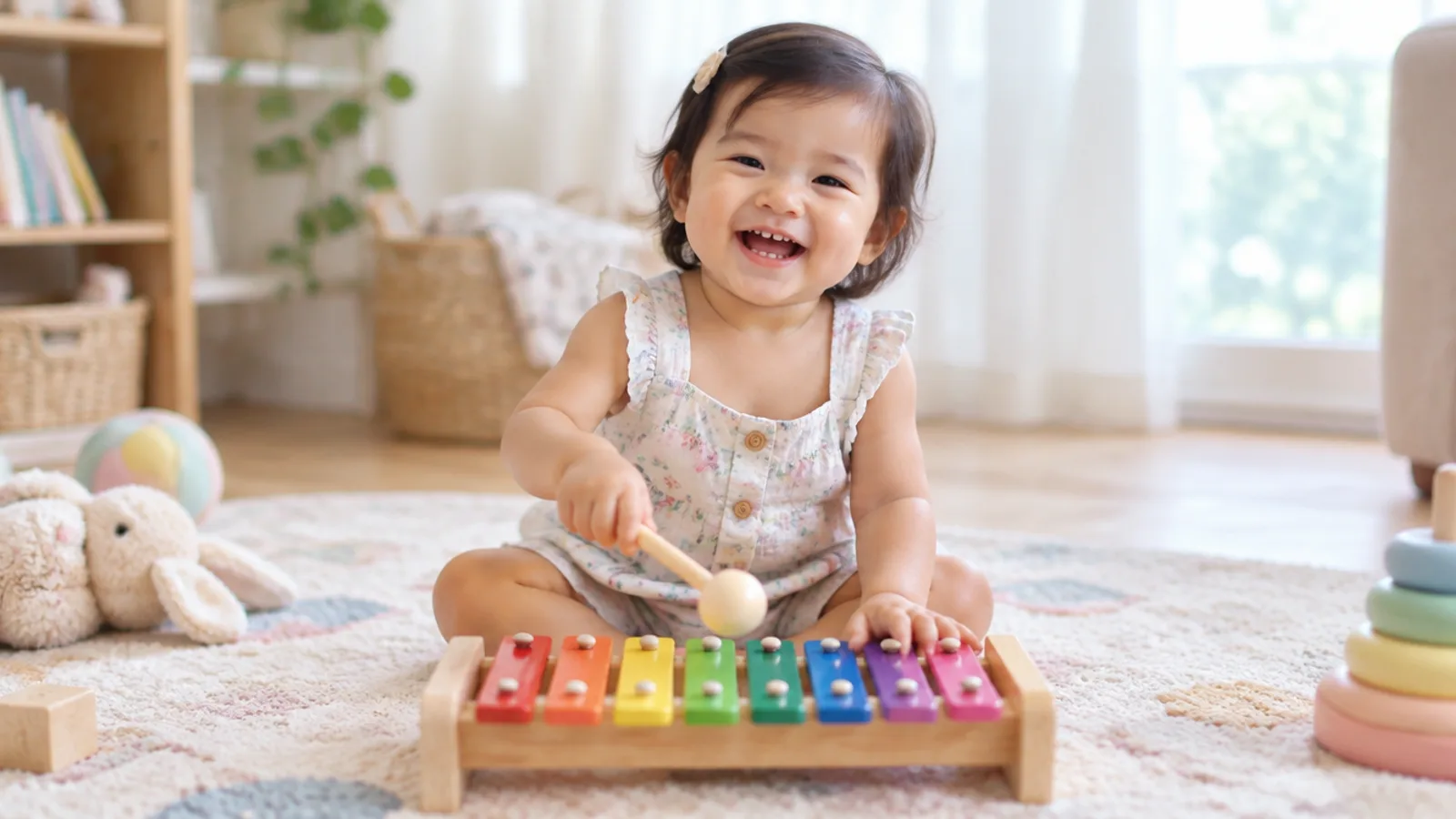
Young children are often interested in playing musical instruments because they are fun and exciting to explore. Beyond enjoyment, playing instruments offers many benefits that help children develop a range of skills.
In this article, we introduce musical toys that are suitable for children and support your little one's learning and skill development.
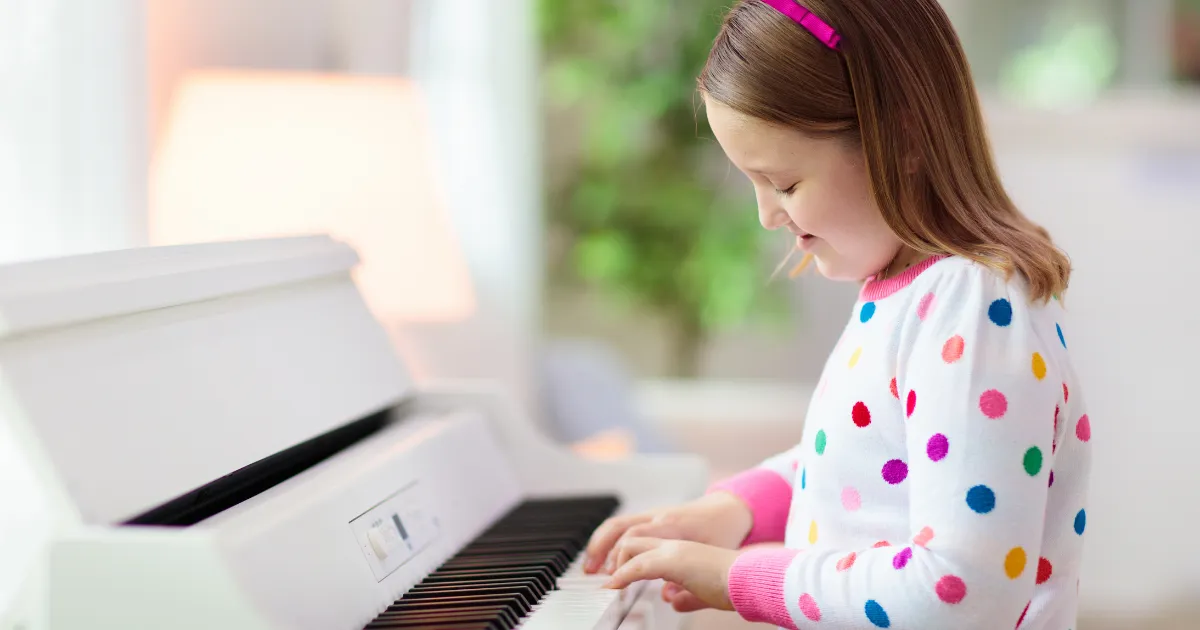
What Are the Benefits of Music?
Musical toys do more than entertain your little one; they also support your child's development.
Playing music is a fun and engaging activity. Your little one can learn how to make musical sounds, use creativity to create new things and develop their imagination.
Playing music is an enjoyable and entertaining activity that your little one can enjoy in their free time. It can also help reduce stress and encourage relaxation.
Music is also an activity that adults and children can enjoy together through singing, clapping and dancing to the beat. The NHS and the American Academy of Pediatrics recommend everyday play together as an important part of children's development. It helps build a positive relationship between you and your little one and creates a space for exploring music creatively together.
Creativity
Playing music can stimulate children's creativity, particularly when they experiment with making musical sounds themselves. Using instruments to produce their own sounds can help children quickly discover and develop their creativity. Creating musical sounds through their own ideas also lets children learn about and understand the scientific processes behind making musical sounds.
Combining musical instruments with other tools, such as computer programs, can also encourage children's creativity.
Supporting Development
Musical toys are more than a source of fun and entertainment for children. They can also provide substantial support for your little one's development. Playing music can encourage creativity, stimulate cognitive skill development and strengthen imagination.
Stimulating Cognitive Skill Development
Playing music can support children's learning and cognitive skill development, particularly listening and identifying sounds. It can improve sound recognition and help children express their thoughts. Singing and reciting rhymes also exercise memory.
Tapping and counting beats and listening to repeated sound patterns help children practise concentration and pattern recognition, which are foundations for other areas of learning. These developmental benefits come from regular play and interaction with parents; no single toy can make a child smarter instantly.
Strengthening Imagination
Playing music can be an excellent way to nurture children's imagination. Creating musical sounds and rhythms stimulates creativity and develops your little one's imagination. Playing music also supports problem-solving skills and the ability to present ideas logically.
https://youtu.be/JXbCWqqgfOoChoosing Suitable Musical Toys
Choosing suitable musical toys depends on your child's age and abilities. Options include rattles, children's xylophones, small drums, toy pianos and children's instrument sets, which let children learn while having fun. The ages in the table below are a rough guide; always follow the manufacturer's age recommendation on the product label.
| Type of Musical Toy | Features | Suitable Age (Approximate) |
|---|---|---|
| Rattles or sound-making toys for babies | Large pieces that are easy to hold, with no small parts that can come loose | Birth–12 months |
| Children's xylophones and small drums | Small size with rounded mallet tips | Around 1 year and older, according to the label |
| Toy pianos or keyboards | Small size with adjustable low volume | Around 1 year and older, according to the label |
| Children's drum kits or instrument sets | Medium size with several pieces | Around 2–3 years and older, according to the label |
Safety precautions: Children under 3 should not play with toys that have small or detachable parts because they pose a choking risk. Check that the battery compartment is securely fastened with screws, and avoid playing loud sounds close to your child's ears.
For little ones in their first year, explore toys for 6-month-olds and toys for 1-year-olds with sounds and rhythms for your child to discover.
Once you have chosen suitable musical toys, remember to choose good-quality instruments so your child can make the most of learning and developing skills. Music classes also offer opportunities for children to learn more about music and further develop their abilities.
The Learning Benefits of Musical Toys
Musical toys are more than instruments for enjoying music; they are also useful tools for children's learning.
Developing Learning Skills
Singing, listening to music and sharing rhymes with your child expose them to vocabulary and help them practise distinguishing sounds, laying a foundation for language development. Older children who take music lessons can also practise reading musical notation.
Developing Cognitive Skills
Playing music gives children opportunities to use several senses at once: listening, looking and moving their hands to the beat. This helps develop hand-eye coordination and fine motor skills. These benefits come from regular play together with parents; they do not mean that music directly makes children smarter.

Developing Imagination
Playing music encourages children's imagination. Children can practise visualising or listen to music and draw pictures of what they imagine, which also supports their creativity.
Musical Toy FAQ
We have gathered frequently asked questions about musical toys to help answer your queries below.
Which Types of Musical Toys Are Suitable for Children?You can choose from musical toys such as drums, guitars, violins and pianos according to your child's interests.
What Skills Can Playing Music Help Develop?Playing music helps develop many skills, including teamwork, creativity, cognitive development and imagination.
What Should I Do When Buying Musical Toys Online?When buying musical toys online, check the website's security and review the product information carefully before ordering.
If you would like to buy toys for your little one online, ABC the Baby would love to support your child's development with toys that meet quality standards. Shop now! You can also read more about ways to introduce your little one to the world of music.
References
https://mybulletoys.com/how-musical-toys-can-benefit-your-toddler/
https://www.nhs.uk/baby/babys-development/play-and-learning/
https://www.healthychildren.org/English/family-life/power-of-play/Pages/default.aspx