






5 Ways Creative Play Helps Children Learn, Grow and Develop
When you were a child, did you love playing pretend?
Imagining you were a superhero, a princess or a pirate, or maybe building a fort, a castle or a spaceship at home. These are fun ways to play, and they spark creativity too.
But did you know that pretend play is good for a child's brain?
That's right. Creative play is one of the best ways to support a child's cognitive development: it is how children learn new things, think about the world around them and solve problems as they come up. Creative play helps children develop many skills, and the American Academy of Pediatrics (AAP) also highlights play as a foundation of child development. These skills include:
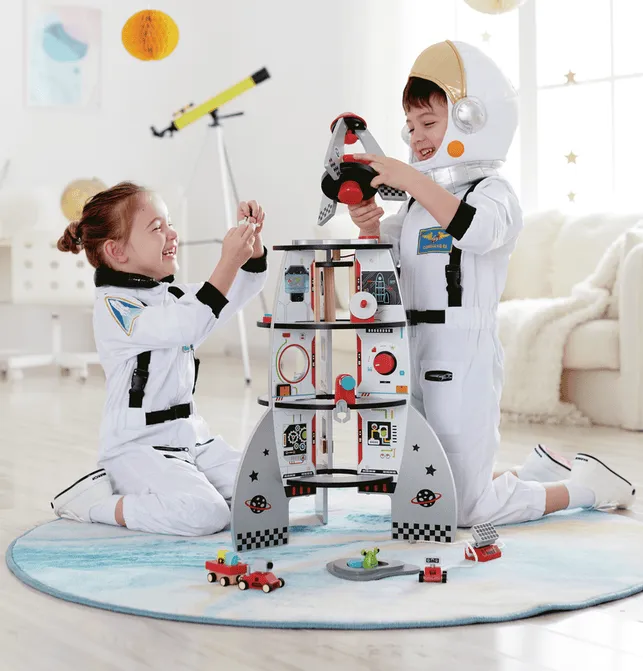
- Problem-solving: Creative play makes children good problem-solvers, because they have to figure out how to get things done, such as building a rocket, escaping from a dragon or baking a cake. It is all imaginary, and it also helps children become more flexible.
- Critical thinking: Play pushes children to question, analyse and evaluate things in a playful way, such as why a character acts the way it does, what a word means or how something works. This kind of play nurtures curiosity and encourages children to explore a world of knowledge and new possibilities.
- Memory: Creativity helps sharpen your child's memory, because it encourages them to recall and use what they know and have experienced, such as remembering the shapes, colours and sizes of the things they play with, the order of events and the details of a story. This kind of engagement not only strengthens memory but also improves concentration, helping them focus on their own activity and tune out distractions.
- Language: Creative play is a treasure trove for language development, because it encourages children to explore and use new words, phrases and ideas all the time. Exploring how to express thoughts and feelings, and how to give reasons, not only builds language skills but also gives children more confidence to share their opinions and feelings with others.
- Maths: Maths may not seem related to creativity at first, but the two are closely connected. Activities that involve counting, measuring, comparing, ordering and making patterns, such as fitting pieces together or using numbers and symbols, all sharpen a child's maths skills. Logical, structured play like this encourages a more analytical mindset, helping children reach conclusions and make decisions based on logic and evidence.
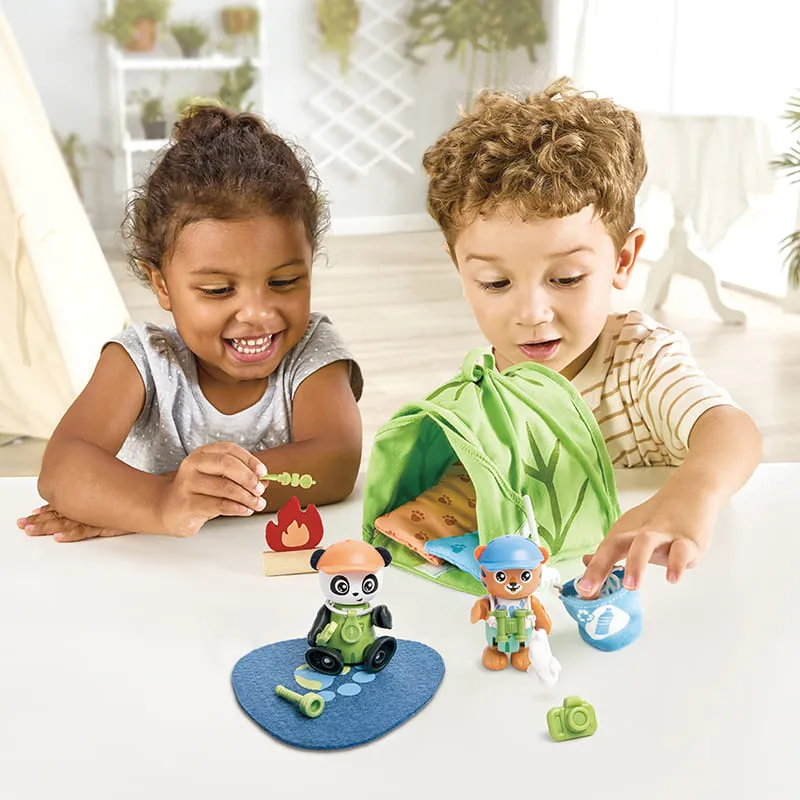
How can we support our child's creative play?
Creative play is something children already do naturally, but we can still help them do it well and more often. Here are some tips for encouraging and supporting children's creative play:
- Give children a variety of things to play with: Little ones need things to play with that spark their imagination and interest.
Think beyond traditional toys and include books, art supplies, musical instruments, dress-up clothes or even pieces of nature. These are not only varied but also encourage open-ended exploration, letting children adapt and imagine many different ways to play. Pretend-play toys such as a play kitchen set are also a great choice.
Safety note: For children under 3, choose items with no small parts that can come loose. Be careful with natural materials such as small stones, seeds or beads, which are a choking risk. Use art supplies labelled non-toxic for children, and supervise closely during play.
2. Create a cool place to play: Turn an ordinary space into a special playground where your child can let their creativity loose.
This special spot should have enough light and air and be free from distractions. Divide it into zones to suit different play styles and activities, such as a quiet zone, a noisy zone, a messy zone or a tidy zone.
3. Join in the fun with your child: Children love having their parents or caregivers as playmates and supporters, as a more experienced, all-round play partner.
Parents and caregivers can take on different roles, whether as a gentle guide, an observant protector or a fair referee, by getting into character and diving into your children's imaginary games, offering constructive comments, keeping an eye on their changing interests, and guiding them through the art of resolving conflicts and working as a team with others.
4. Ask open-ended questions: Fuel their creativity and critical thinking by asking questions that open the door to new ideas.
Open-ended questions are questions with more than one possible answer that get your child to talk more, explain more or give more reasons. For example, instead of asking "What colour is this?", ask "Why did you choose that colour?", and instead of asking "What are you doing?", try "Tell me about what you're building." This creates an environment for thinking, helping children's minds grow too.
5. Value the journey, not the destination: Finally, the process is not something that is finished in an instant, so celebrate your children's creative journey by focusing on the effort and imagination they bring to their play.
Recognise their ingenuity and individuality without dwelling on how perfect the result is. By appreciating every step of their creative exploration, we as parents and caregivers can build children's sense of pride and confidence in expressing themselves.
Summary
Creative play is a great and easy way to help your child learn and grow. It helps children develop well-rounded skills such as problem-solving, critical thinking, memory, language and maths.
It also builds imagination, curiosity and confidence. By giving your little one the right things, the right place and the right support, parents can encourage and strengthen their child's creativity.
And creative play is not only good for your child, it is good for you too, because it lets you reawaken your inner child and let your creativity loose together with your child. So go and find something to play with your child! Read more about how pretend play supports development and how playing with your child builds family relationships, or find age-by-age play ideas from the NHS.
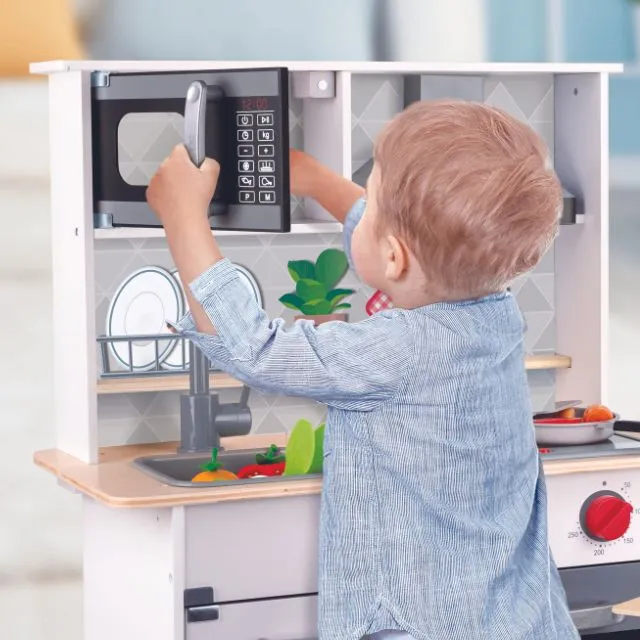
If you are looking for a great developmental toy, Hape is a good choice, with a wide range of wooden toys that support children's development at every age.
They are thoughtfully designed around how children learn, helping them practise important skills such as seeing, listening, observing, fine motor skills, problem-solving, imagination and creativity, while also supporting holistic academic learning (STEAM).
With durable, sturdy designs and materials focused on supporting children's development, Hape also puts children's safety first, using non-toxic paints and FSC-certified wood. They are durable and long-lasting, and environmentally friendly.
This has made Hape a world-class wooden toy brand, certified to ICTI, CCIB, ISO 14001 and ISO 9001 standards.
So it is easy for Hape wooden toys to fill these activities and keep little ones away from screens.
Most important of all is sharing good times together as a family, because wherever there is love, there is a complete home! What activities do you enjoy with your child? 😁
Hape Thailand
Love Play Learn
🌐: See all products: Hape toys
Follow news and great promotions: FB : Hape Thailand