






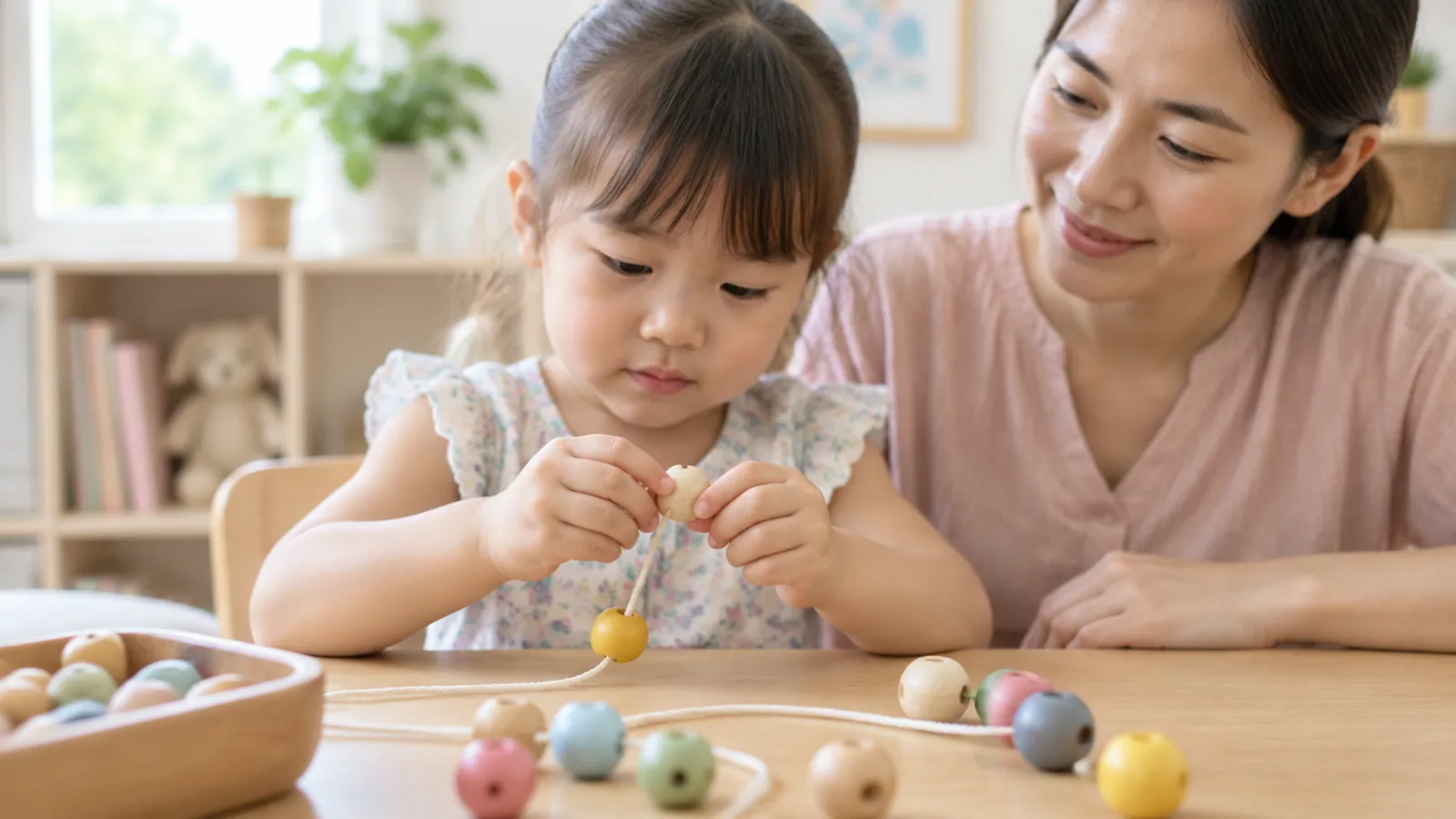

Why Fine Motor Skills Matter
Fine motor muscles help your child perform tasks that require precision. These skills are important in several areas of children’s daily lives:
- Self-care: Bringing food to the mouth, holding a spoon, fastening buttons, using zippers, and brushing teeth.
- Preparing for writing: Helping children hold pencils, color, and use scissors with ease (Read more: 3 Ways to Encourage Writing Practice Through Play).
- Hand-eye coordination: Helping your child look at objects and then pick them up, place them, connect them, or thread them as intended.
What Are Fine Motor Muscles, and Which Muscles Are Involved?
Fine motor muscles are small muscles that work together to make precise movements. They differ from large muscles, such as those in the arms, legs, and torso, which are used for crawling, walking, running, and jumping. Important fine motor muscles in children include:
- Hand and finger muscles: Used to pick up, grasp, squeeze, and pinch objects. One example is picking up small objects between the thumb and index finger, which most children begin to do at around 9–12 months.
- Wrist muscles: Help rotate, twist, and control the direction of the hands, such as when turning a bottle cap, using a spoon, or drawing lines.
- Muscles around the eyes: Help move the eyes, track objects, and work together with the hands for accurate grasping.
- Mouth and tongue muscles: Used for sucking, chewing, swallowing, and producing speech sounds.
Fine motor development progresses at a different pace for each child. If you are concerned that your child’s grasping skills are developing more slowly than expected for their age, consult a pediatrician.
5 Activities to Develop Fine Motor Skills
Developing fine motor skills is important because practicing these movements also helps strengthen children’s finger muscles. Today, ABC the Baby has gathered activities to help develop your little one’s muscles.
1. Building with Blocks

Blocks are toys found in every home and are popular with many children. Building with blocks helps strengthen children’s hand muscles and other parts of the body. Choose blocks with sizes and shapes appropriate for your child’s age so they can play correctly and safely. Young children should use large blocks that do not pose a swallowing risk. Blocks can also help lay a foundation for mathematics (Read more: Wooden Blocks Help Children Aged 1–2 Learn Mathematics).
shop now2. Modeling Clay
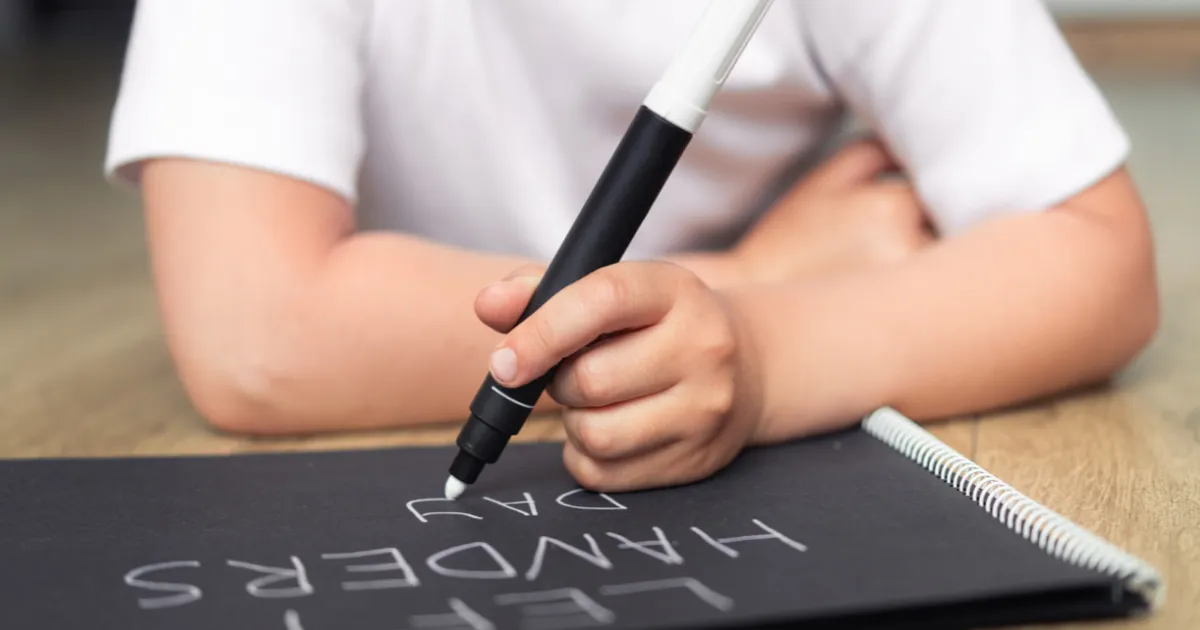
There are many ways to develop children’s fine motor skills, offering wonderful opportunities to support a range of abilities. Modeling things children love, whether large or small, in two or three dimensions, can develop creativity and a sense of responsibility while strengthening their fine motor muscles. Choose modeling clay or play dough labeled as safe for children, and watch to make sure your child does not put it in their mouth.
3. Paper Folding
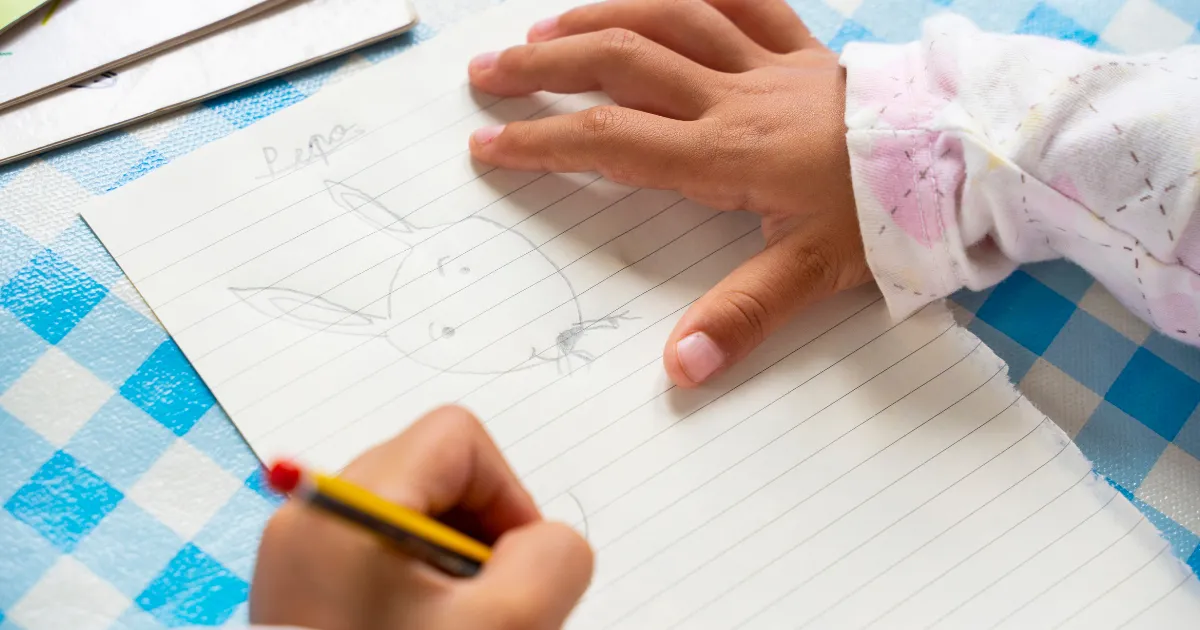
Paper folding is a classic activity that almost anyone can do, and the whole family can enjoy it together. It helps strengthen fine motor muscles and encourages concentration. Paper folding also gives children opportunities to learn and be creative.
4. Picking Up Objects with Tongs
Exercising your little one’s fine motor muscles with tools such as ice tongs, food tongs, or chopsticks can be a great way to have fun and encourage learning. Competing to see who can transfer the most objects into another container adds fun while strengthening children’s hands.
5. Threading Beads

Threading beads is an activity both girls and boys can enjoy. It develops children’s fine motor skills and hand-eye coordination while offering creative fun.
Safety precaution: Small beads, modeling clay, and small parts pose a choking risk and can become lodged in the throat. Young children, especially those under 3 years old, should use large beads or lacing sets designed for young children. Choose materials according to the age stated on the label. An adult should supervise closely throughout play, and materials should be stored out of children’s reach afterward (Read more from the American Academy of Pediatrics).
These are just a few examples of activities that help develop fine motor skills. There are many other activities that can support your little one’s muscle development, and ABC the Baby also has tips for mothers. Find more here.