






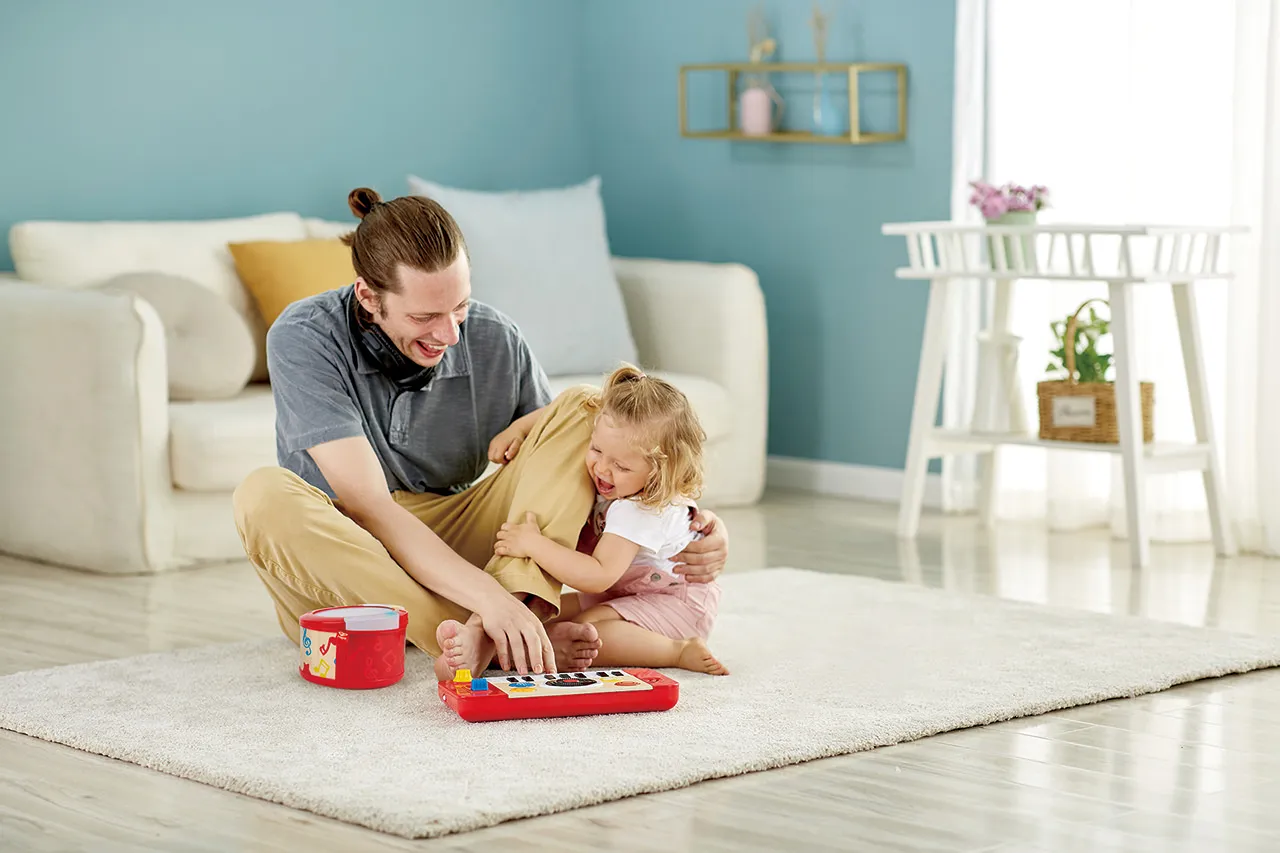
Toy Rotation: Encouraging Mindful Play
Holidays often bring new toys into the home, whether children receive them as gifts or parents buy them. This is a valuable opportunity to teach children gratitude and appreciation for what they receive.

The Montessori approach encourages mindful play and purposeful learning, teaching children to love and care for the toys they already have.
Toy rotation is a simple yet effective strategy for keeping playtime fresh and engaging without continually adding new toys.
Here, Montessori philosophy and toy rotation share the same idea: helping children feel content with and appreciate their possessions, both old and new.
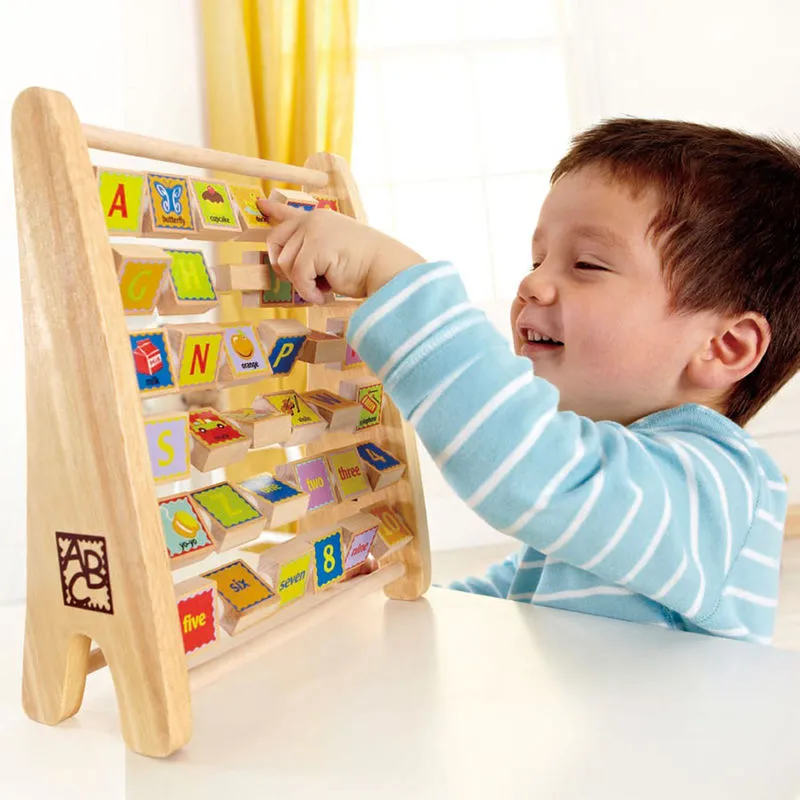
"Toy rotation" means letting children play with one set of toys and explore each item thoroughly before offering a new set.
This approach reduces toy clutter while encouraging engagement and creativity. Revisiting familiar toys periodically allows children to understand them fully, stimulating their interest and curiosity.
The Montessori Approach to Mindfulness and Appreciation
Montessori philosophy (learn more from the American Montessori Society) supports focused play through toys that foster creativity and independent learning. Toy rotation complements this approach by helping children concentrate on a selected group of toys, explore their potential and practice different skills.
Toy rotation emphasizes quality over quantity. Children learn to appreciate each toy for its unique features and possibilities. This encourages mindful play, deeper connections and appreciation for every item in their toy collection.
Tips for Rotating Toys
After occasions such as New Year, Children's Day or birthdays, children often have many new toys. Parents can introduce toy rotation in the following ways:
- Review the toy collection: Start by looking at the toys your child has. Focus on open-ended toys that encourage creativity, and remove damaged toys or those with loose parts, as small pieces pose a choking risk to young children. If you are unsure which toys to choose, explore our guide to developmental toys by age.
- Include old and new toys: Arrange sets that combine new toys with beloved favorites. This creates a balance and helps maintain interest in the toys.
- Set a rotation schedule: Choose a frequency suited to your child's age: weekly, every two weeks or monthly. For toddlers, you might begin with a small set of around 6–8 items from our toys for 1-year-olds collection.
- Involve your child: Make toy rotation a shared activity. Encourage children to help choose the toys to rotate, supporting their independence and decision-making.
- Observe and adapt: Pay close attention to your child's interests and adjust the toy sets to suit their development. Observation is key to keeping toy rotation successful and enjoyable.
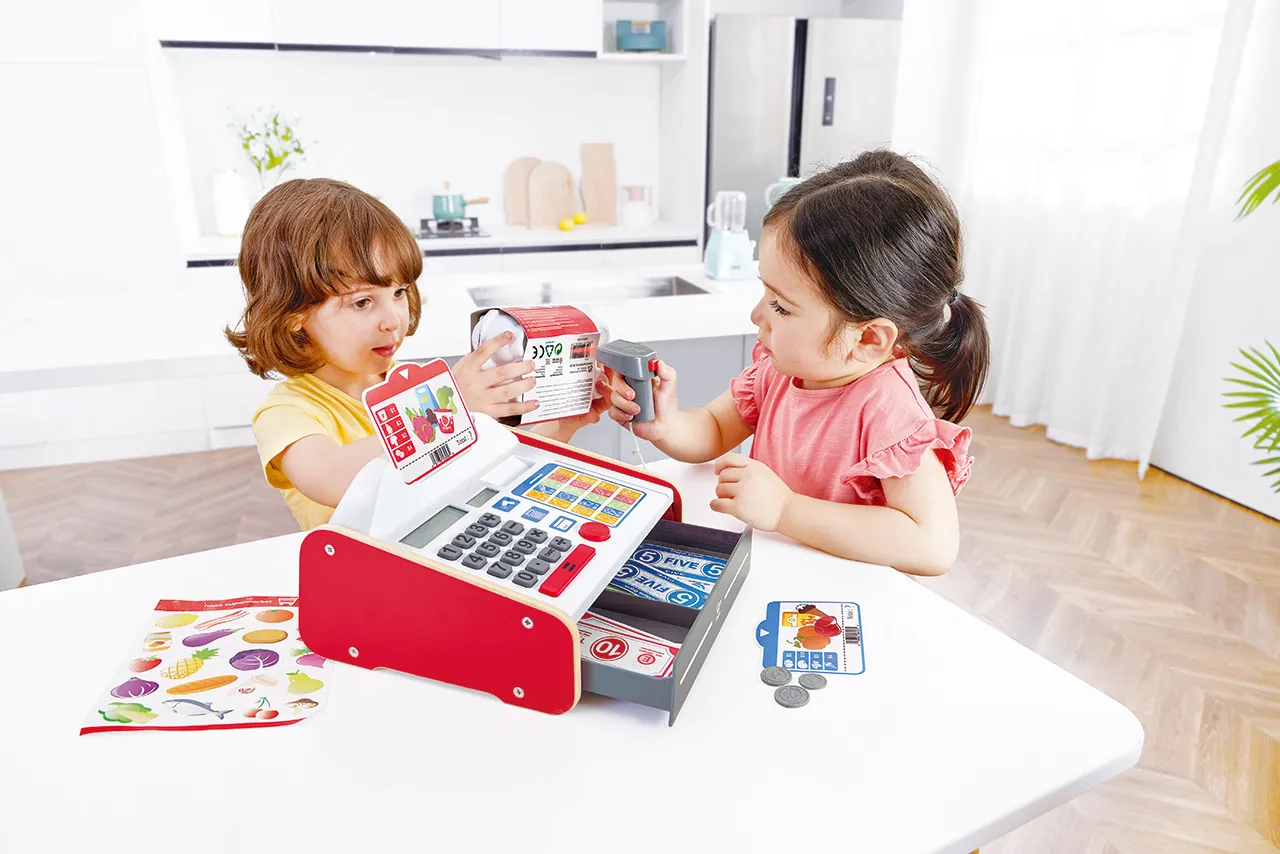
Use Toy Rotation to Encourage Sharing
Toy rotation can also nurture an understanding and appreciation of sharing by encouraging children to share toys with others.

Group play helps children discover new ways to learn and develop skills through the following activities:
- Create a sharing box: Set aside a box where children can place toys they are happy to share or exchange with friends. Rotate these toys just as you rotate your child's collection.
- Start sharing in your community: Explore libraries and community playrooms, or organize a toy swap with people you know. This teaches children about community sharing and reduces the demand for new toys. It also encourages more sustainable play, while passing toys on helps reduce waste.
- Give thoughtfully: Encourage children to give toys they have outgrown to friends, relatives or charities. This fosters generosity and offers an opportunity to teach children about sharing with those less fortunate.
Encouraging a Sustainable Mindset
Beyond the immediate benefits of greater engagement in play and less toy clutter to manage, toy rotation also fits with a more sustainable way of living.
By caring for each toy and making the most of it, we teach children the importance of sustainability and the simple joy of playing without needing a house overflowing with toys.
Conclusion
Montessori toy rotation offers an opportunity to teach children the art of appreciation and the joy of mindful play, especially after holidays and celebrations.
- It encourages children to recognize the value of each toy.
- It nurtures contentment and creativity.
As a new year begins and the holidays end, it is important to guide children toward mindful play that brings enjoyment, concentration and developmentally appropriate learning through each set of toys.
If you are looking for an excellent developmental toy, Hape is a great choice. We offer a wide range of wooden toys that support children's development at every age.
Hape is a wooden toy brand founded in Germany (read the interview with Peter Handstein, founder of Hape). Its colorful, fun toys support well-rounded development throughout childhood.
Thoughtfully designed around children's learning, the toys help practice important skills such as seeing, listening, observing, fine motor control, problem-solving, imagination and creativity. They also encourage integrated STEAM learning.
Their designs and durable materials emphasize children's development while prioritizing safety, with non-toxic colors and FSC-controlled wood. Their strength and long lifespan also make them environmentally friendly.
Hape wooden toys are sold in many countries worldwide. Several models have won international toy awards and received certifications such as ICTI, CCIB, ISO 14001 and ISO 9001.
It is easy to see how Hape wooden toys can enrich these activities and help children spend time away from screens.
Most important is sharing happy moments as a family, because where there is love, there is a complete home! What activities do you enjoy with your child? 😁
Hape Thailand
Love Play Learn
🌐: Browse all Hape toys, or explore children's toys from every brand.
Follow news and special promotions on Facebook: Hape Thailand