







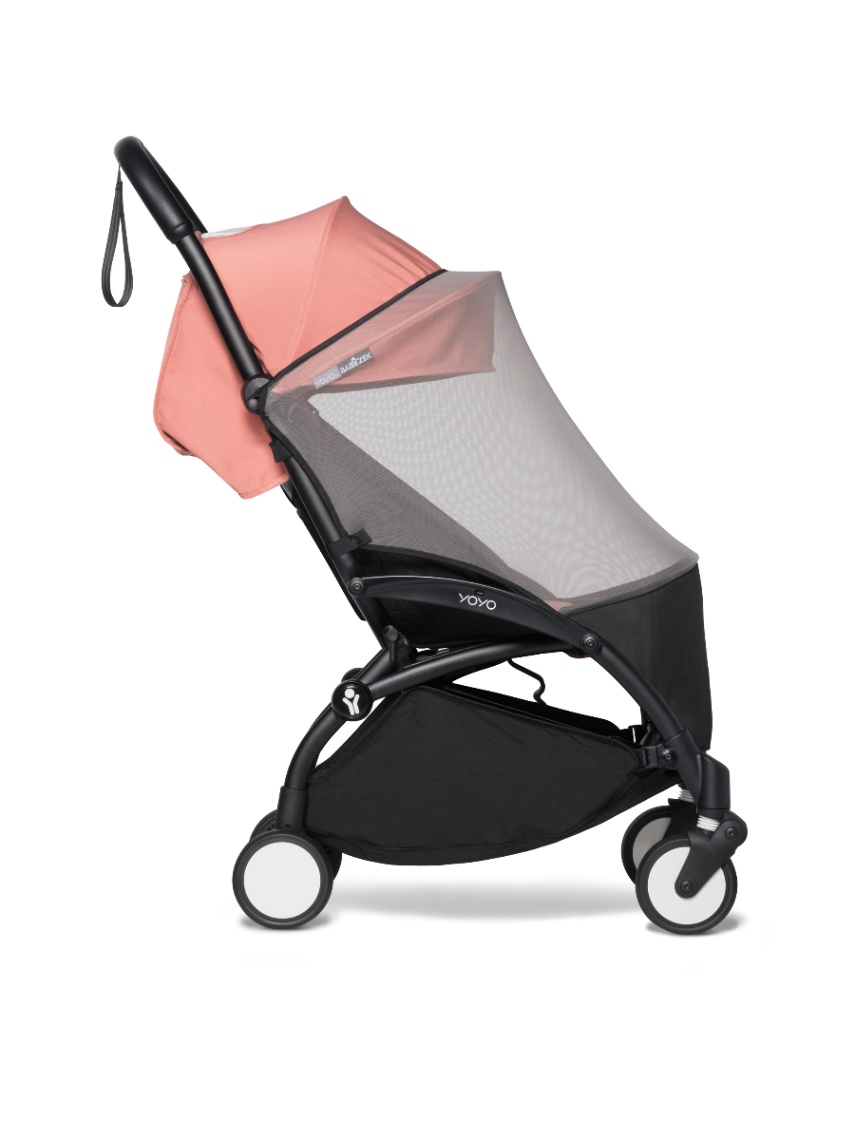
Parents should pay particular attention to their children’s health during the rainy season, especially as children’s bodies are not yet as resilient as adults’. Children can develop a wide range of illnesses during this season, from respiratory conditions to diseases caused by waterborne viruses or insects in wooded areas. This article explains the causes, symptoms, and prevention of common rainy season illnesses in children.
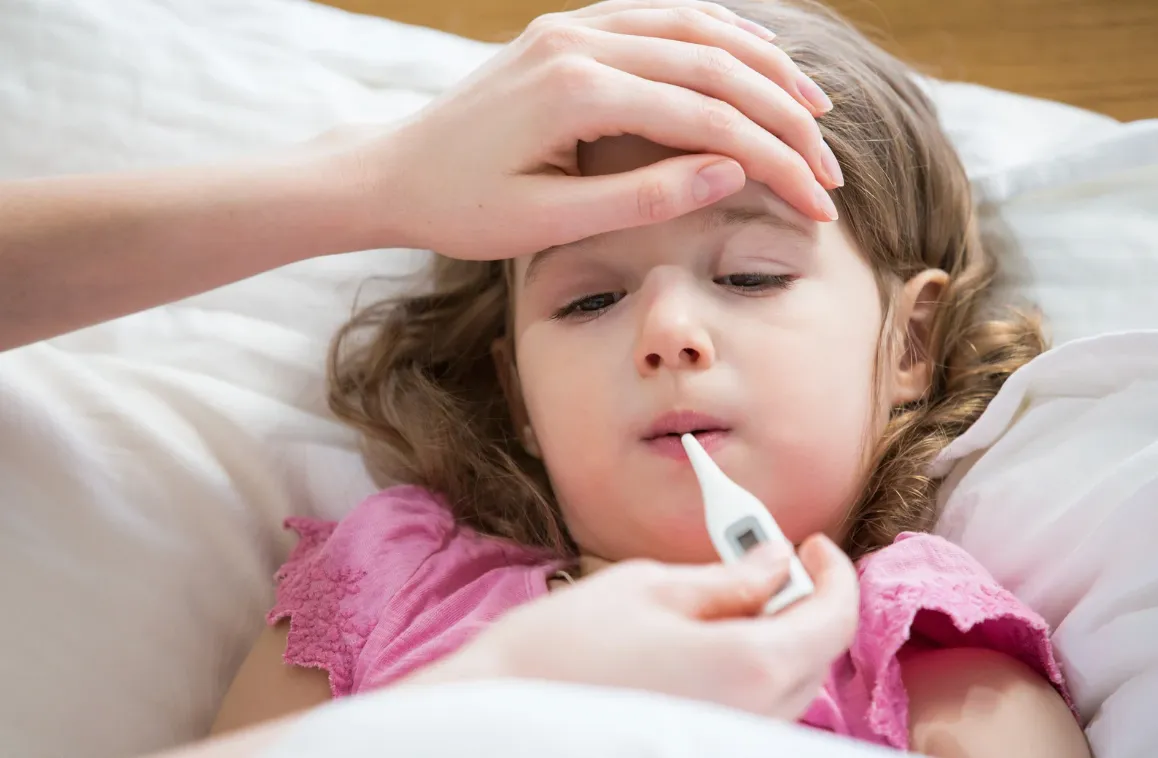
Many parents may wonder whether children are more likely to catch infections during the rainy season than at other times. The answer is yes, especially for children under 5, whose immune systems are not yet fully developed. Watching for illness during the rainy season is therefore an important part of caring for your child.
The risk of infection also rises during the rainy season because of humid weather and increased dust and mold associated with changing weather conditions. This makes illness prevention particularly important.
To help parents recognize rainy season illnesses in children and understand how to prevent them, we have gathered information on five illnesses to watch for. We explain their symptoms, causes, prevention, and treatment in a clear, practical way for parents.
Common Rainy Season Illnesses in Children
Children can become ill more easily during the rainy season, so parents should pay extra attention to their health, particularly for the following illnesses.
1. Dengue Fever
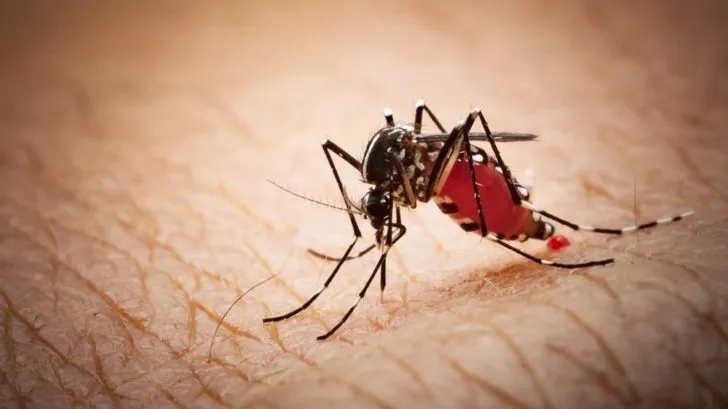
Dengue can cause a range of symptoms with varying levels of severity. Treatment depends on the patient’s symptoms and medical condition. If your child has these symptoms, seek medical care for an accurate diagnosis and appropriate treatment.
Preventing dengue includes avoiding bites from Aedes mosquitoes by wearing clothing that covers the body and using mosquito repellent in areas where bites are likely. Eliminate mosquito breeding sites by covering water storage containers, emptying standing water from plant pots and old tires, and changing vase water weekly. Dengue vaccines are now licensed in Thailand for older children and adults. Ask your pediatrician whether vaccination is suitable for your child. (More information from the World Health Organization (WHO))
https://www.youtube.com/watch?v=8xaTEz1XvYEDengue illness has two main levels of symptoms:
Dengue Fever:
- A persistent high fever of 39-40°C for 2-7 days
- Headache
- Upper abdominal pain around the pit of the stomach
- Neck and muscle pain
- Possible redness in the throat
- Vomiting
- Occasional small bleeding spots under the skin
Dengue Hemorrhagic Fever:
- Symptoms similar to dengue fever, but with more bleeding, especially on days 3-7 of the illness
- Increased vomiting
- Abdominal pain and possible liver enlargement
- Possible low blood pressure and shock
If your child has these symptoms, take them to a doctor for an accurate diagnosis and appropriate treatment, as the illness can become more severe. Pay particular attention when the fever begins to fall, as this is a time when shock can occur.
Precautions: If dengue is suspected, do not give aspirin or ibuprofen, as these medicines may increase the risk of bleeding. Use paracetamol to reduce fever according to the label or your doctor’s instructions, along with sponging. Go to the hospital promptly if your child is unusually drowsy, vomits frequently, has severe abdominal pain, has cold hands and feet, or develops bleeding. (Read about how to give your child medicine correctly)
2. Respiratory Inflammation

Respiratory conditions such as colds, flu-like illnesses, and respiratory allergies are common during the rainy season. Humid conditions during this time may increase the amount of dust and germs suspended in the air.
Symptoms of respiratory inflammation may include fever, a runny nose, cough, or sore throat, as well as tiring easily and difficulty breathing in.
Respiratory inflammation can be caused by viruses or bacteria. If your child’s symptoms do not improve or become worse, see a doctor for a diagnosis and appropriate treatment.
https://www.youtube.com/watch?v=SzitbzuB18cWays to help prevent respiratory inflammation include:
- Support the immune system with enough nutritious, good-quality food, and ensure your child drinks enough water.
- Monitor your child’s symptoms closely. If symptoms recur regularly, see a doctor for diagnosis and treatment.
- Keep your home clean and well ventilated, prevent moisture buildup that can lead to mold, and change your child’s clothes immediately if they get wet in the rain.
- Wash hands frequently and teach your child to cough or sneeze into the crook of their elbow.
3. RSV, or Respiratory Syncytial Virus
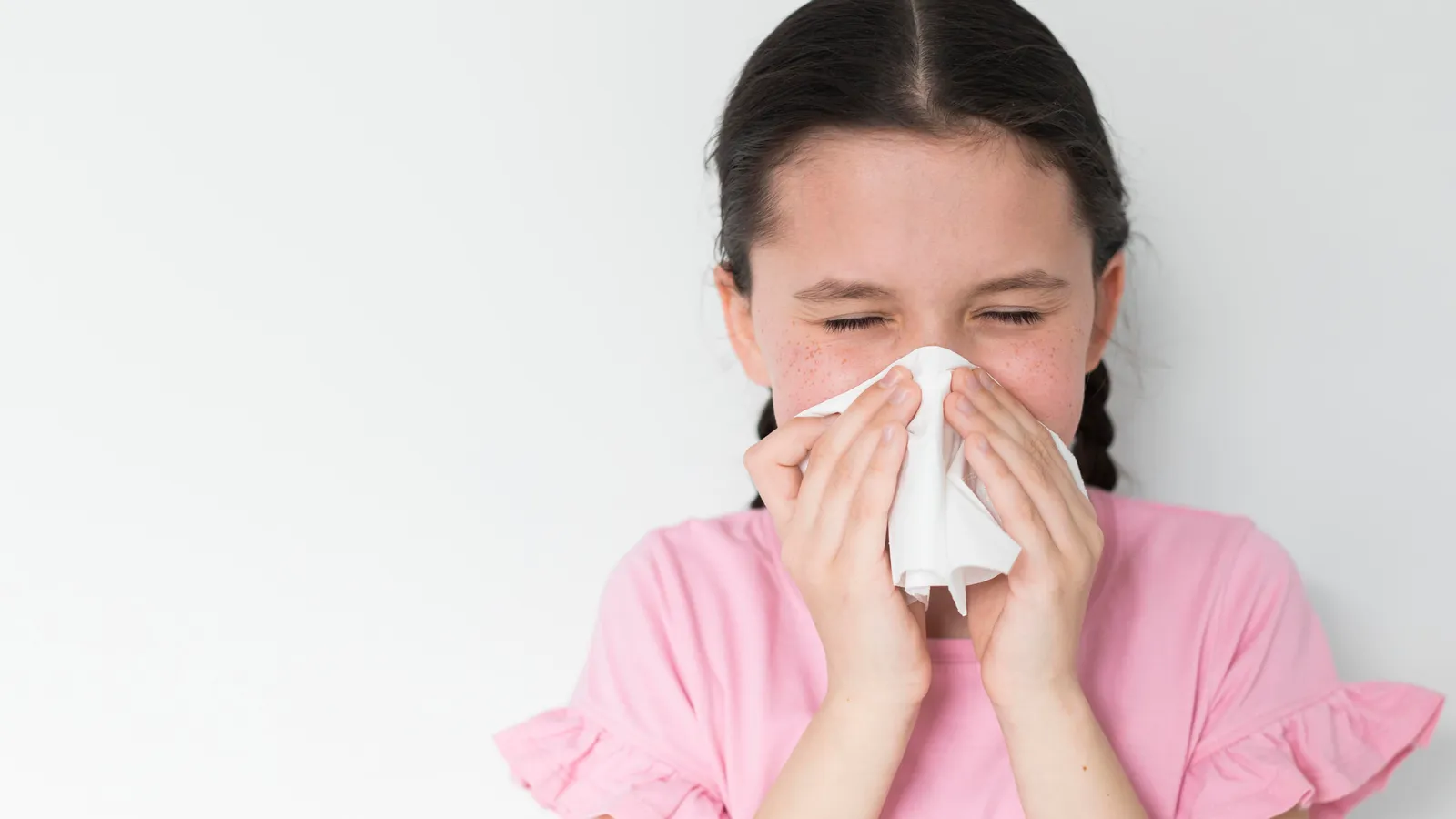
RSV (Respiratory Syncytial Virus) spreads widely during the rainy season. RSV illness resembles a common cold but can become more severe, especially in young children, who may develop serious infections such as pneumonia or bronchiolitis. Seek medical care immediately if your child breathes rapidly, has chest retractions, wheezes, feeds less than usual, or has pale or bluish lips.
RSV treatment remains focused on relieving symptoms, with no specific antiviral medicine. However, preventive options are now available, including RSV vaccines for pregnant women, which pass immunity through the placenta to protect babies during their first few months, and long-acting antibody injections for infants. (Source: NHS) Availability in Thailand may vary by hospital. Consult an obstetrician or pediatrician, alongside taking steps to prevent infection by:
- Avoiding exposure to infection from people who are ill
- Wearing a medical mask when entering crowded places or places where people are ill
- Washing hands frequently with soap and water
- Avoiding crowded places or large gatherings
Information about treatment and prevention reflects the understanding of the situation at a given time. If you have questions or symptoms associated with these illnesses, consult a doctor or medical professional for an accurate diagnosis and appropriate treatment.
4. Influenza
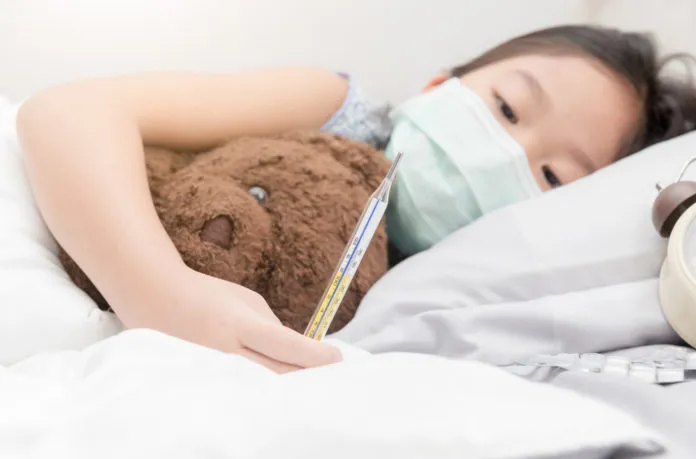
Influenza is a contagious illness that causes periodic outbreaks. It is caused by influenza viruses and is often seen during the rainy and cool seasons. Outbreaks occur worldwide every year, with several virus types, such as Influenza A and Influenza B, causing major outbreaks. Infected people can spread the virus through nasal mucus, saliva, and phlegm when coughing or breathing close to others.
Symptoms of influenza include:
- Sudden high fever (39 - 40°C)
- Headache
- Pain behind the eyes
- Muscle aches
- Severe fatigue
- Blocked nose, coughing, sneezing, and sore throat
- A clear, runny nose
- Possible digestive symptoms, such as loss of appetite, loose stools, nausea, and vomiting
Treatment depends on the symptoms but generally involves symptom relief, with antiviral medicines used in severe cases. Annual influenza vaccination helps prevent the illness, and children can receive it from 6 months of age, according to WHO recommendations. Vaccination helps reduce illness severity and the spread of the virus in the community. Good hygiene habits, such as frequent handwashing and avoiding touching the nose or eyes, also help reduce the risk of influenza infection.
5. Hand, Foot and Mouth Disease
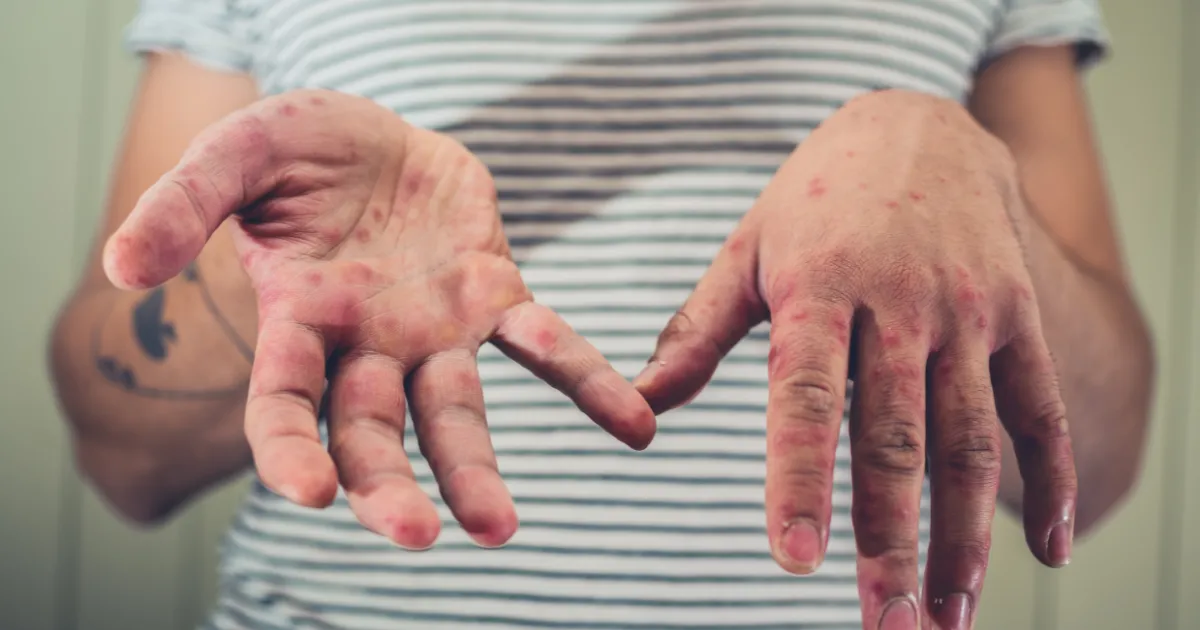
Hand, foot and mouth disease is a common contagious illness that occurs particularly often during the rainy season. It spreads through coughing, sneezing, saliva, stool, and contact with shared objects, including objects children handle. It is most common in children aged 5 and under, although adults can also develop it.
Symptoms of hand, foot and mouth disease include:
- High fever and fatigue
- Fluid-filled blisters that appear on the hands and feet, as well as inside the mouth and cheeks, 2-3 days after the fever begins; sometimes they also appear on the buttocks
- Mouth ulcers that often make children reluctant to eat or drink because the sores are painful
- Symptoms usually improve within 7-10 days, but some children may develop serious complications. Seek medical care immediately if your child has a persistent high fever, unusual drowsiness, frequent vomiting, sudden startling or jerking movements, limb weakness, or labored breathing.
Ways to prevent hand, foot and mouth disease include:
- Avoiding close contact with people who are ill
- Using separate personal eating and drinking utensils
- Washing hands frequently
- Regularly cleaning toys your child uses
- A vaccine against Enterovirus 71 (EV71) is available in Thailand for young children. It helps prevent severe hand, foot and mouth disease caused by EV71 but does not protect against other strains. Consult your pediatrician and refer to the routine childhood vaccination schedule.
- Keep children who are ill home from school until they have recovered, following their doctor’s advice, to prevent spreading the infection.
Summary
Respiratory infections often become more widespread during the rainy season. Parents should stay alert and care for their children consistently to help prevent infection. Illnesses found in children during this time include:
Dengue Fever: A disease transmitted by Aedes mosquitoes. Symptoms include high fever, body aches, headache, and sometimes a skin rash. Remove standing water and dress children in clothing that protects against mosquito bites.
Respiratory Inflammation: Conditions such as colds and throat inflammation may cause high fever, sore throat, coughing, sneezing, and other symptoms. Wash hands frequently and avoid contact with people who are ill.
RSV (Respiratory Syncytial Virus): A virus that attacks the respiratory tract, causing cold-like symptoms that can be dangerous for babies and young children. Avoid contact with people who are ill, wash hands frequently, and consult a doctor about RSV vaccination for pregnant women or antibodies for infants.
Influenza: Key symptoms include high fever, coughing, and sneezing, with possible additional symptoms such as body aches. Wear a medical mask, wash hands frequently, and avoid crowded places.
Hand, Foot and Mouth Disease: A viral infection that commonly causes fluid-filled blisters on the hands, feet, and inside the mouth. Be mindful of contact that could spread infection and clean regularly.
Parents should stay alert and follow these preventive measures:
- Prioritize frequent handwashing with soap and water.
- Avoid crowded places and contact with people who have contagious illnesses.
- Clean living spaces and frequently used objects.
- Provide children with enough protein and vitamins in their diet.
- Keep children and the items they use clean.
- Make sure children regularly get enough sleep and rest.
- Encourage children to exercise to support their immune systems.
Following these measures can help reduce the risk of infection, protect children’s health during the rainy season, and create the safest possible environment for your child.