







Recommended: Early Pregnancy Symptom Checklist: Could You Be Pregnant Without Realizing?
What Is Implantation Bleeding?
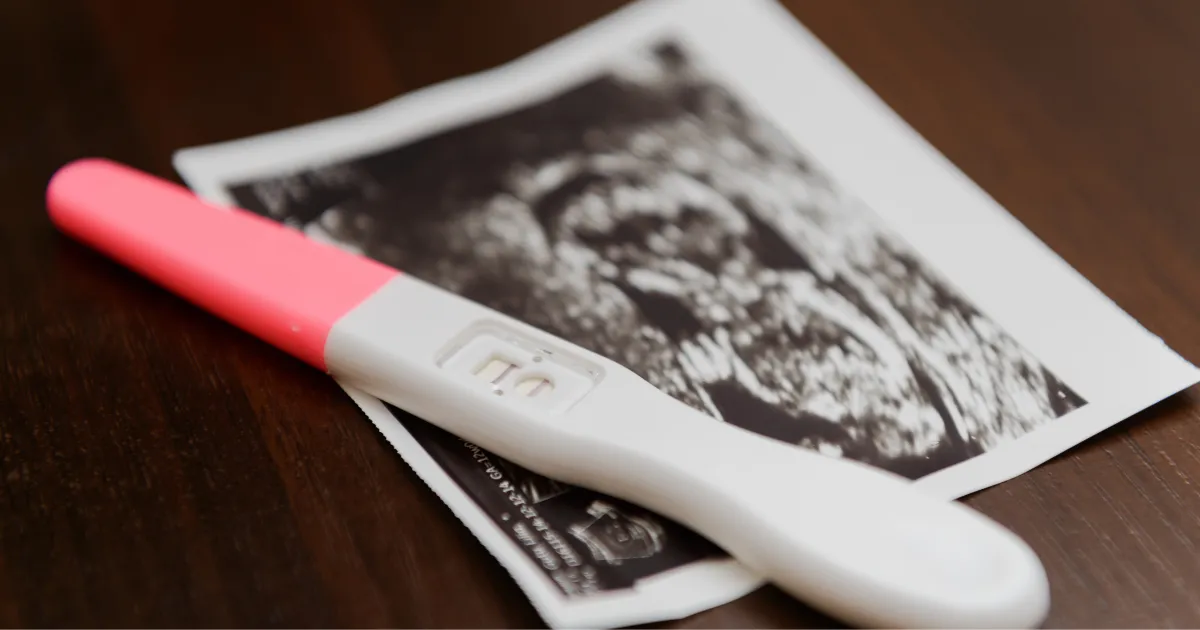
Implantation bleeding is light vaginal bleeding early in pregnancy. It occurs when a fertilized egg, or embryo, implants in the lining of the uterus. Implantation may slightly disrupt tiny blood vessels in the lining, causing a small amount of bleeding. This is not menstrual bleeding (source: Cleveland Clinic).
Implantation bleeding usually occurs around 10–14 days after fertilization, often close to the expected period. Some women confuse it with menstruation because of overlapping features, but implantation bleeding is typically lighter and shorter.
Although it may resemble a period, it is generally lighter in amount and color than normal menstrual bleeding. Not everyone who becomes pregnant has implantation bleeding; some have none at all.
What Does Implantation Bleeding Look Like?
It has certain features that differ from a typical period. These may include:
A small amount of blood: Implantation bleeding usually appears as tiny drops or spotting. It generally does not require a pad or highly absorbent underwear.
Duration: It usually lasts only 1–2 days, unlike a period, which typically lasts 3–7 days.
Pregnancy symptoms: Some women also have signs such as nausea, vomiting, breast tenderness or fatigue, or receive a positive urine or blood pregnancy test.
A pregnancy test helps confirm whether you are pregnant. If you have questions or concerns about your symptoms, talk to your doctor for information and medical advice suited to your circumstances.

How Is Implantation Bleeding Different from a Period?
The following features can help distinguish the two:
- Amount of Blood:
- Implantation bleeding is usually light, appearing as small drops or spotting.
- Menstrual bleeding is usually heavier and may require pads or absorbent underwear.
- Duration:
- Implantation bleeding typically lasts only 1–2 days.
- Menstrual bleeding is generally heavier and more pronounced, and may last 3–7 days.
- Blood Color:
- Implantation bleeding is usually light pink to brown rather than bright red.
- Menstrual blood is usually dark red.
- Pain:
- Implantation bleeding is usually painless or accompanied by only mild lower abdominal discomfort.
- Periods generally cause more noticeable menstrual cramps, especially in the first few days.
Knowing these differences can help you understand your reproductive health. If you have questions or concerns, talk to your doctor for helpful information and advice.

Does Implantation Bleeding Mean You Are Pregnant?
True implantation bleeding happens only after pregnancy begins, so it does not increase or decrease the chance of pregnancy. However, light bleeding alone cannot confirm pregnancy: spotting can have other causes, such as a lighter-than-usual period or hormonal changes, and many pregnant women never have implantation bleeding. The reliable approach is a urine pregnancy test after a missed period or a blood test at a hospital. If positive, explore early pregnancy symptoms that commonly occur alongside it.
However, if bleeding attributed to implantation is more than usual, becomes heavy, accompanies lower abdominal pain or increasing pain, or involves other symptoms that seem unusual, see a doctor for examination and assessment. Checking the source of bleeding and your general health can provide more accurate information.
Is It Harmful?
In most cases, implantation bleeding does not endanger pregnancy. It is bleeding that can normally occur when the embryo implants in the uterus. As described, it is usually pink or dark brown and very light. There is no scientific evidence that it increases pregnancy risks or harms the mother or embryo.
However, if you have unusual symptoms such as heavy bleeding, severe abdominal pain or anything else that concerns you, see a doctor for examination and assessment.
Important: Vaginal bleeding in the first trimester can indicate other conditions, such as a threatened miscarriage or ectopic pregnancy. Go to hospital immediately if bleeding soaks a pad, contains clots or accompanies severe one-sided lower abdominal pain, shoulder pain, dizziness or fainting (see ACOG and the NHS).
Conclusion
Implantation bleeding occurs when an embryo implants in the uterine lining. It is usually light pink to brown, lasts only 1–2 days and causes little or no pain. It is generally harmless and needs no treatment, but cannot confirm pregnancy. Take a pregnancy test, and seek immediate medical attention for heavy bleeding or severe abdominal pain.
Recommended: How to Manage Morning Sickness in Early Pregnancy