







If you are wondering whether you could be pregnant without realizing it, explore this checklist to learn more about the symptoms. Some signs may suggest that you are in the early stages of pregnancy.
Recommended: 3 Practical Tips to Relieve Back Pain During Pregnancy
Pregnancy Symptoms and Changes in the Womb
Pregnancy is an important and challenging time in a woman's life, but not everyone knows about its early stages.
Symptoms may appear at different times for different women. Some may offer clues as to whether you are pregnant. Changes in your body that may signal pregnancy include a missed period, unexplained fatigue, stress or mood swings, frequent sleepiness, and cravings for particular foods.
If you notice pregnancy symptoms, consult a doctor for more information and advice, so you are informed should you become pregnant in the future.
Pregnancy Symptoms and Changes in the Womb
- Unexplained fatigue: Feeling tired and weak without an obvious reason.
- Stress or nervousness: Feeling stressed more easily or experiencing unusual emotions.
- Sleepiness and sluggishness: Feeling sleepy frequently and less energetic than usual.
- A missed period: The most common and important sign, especially for those with regular periods.
- Cravings for particular foods: Having unusual or unexplained food cravings.
Signs You May Be Pregnant Without Knowing
If you feel different from usual, certain signs may suggest that you are pregnant. Early symptoms can include unexplained fatigue, stress or mood swings, frequent sleepiness, and cravings for particular foods.
It is common not to realize you are pregnant in the early stages, when most symptoms result from your body adjusting to support pregnancy. Recognizing these signs may help you feel more confident and reassured during early pregnancy.
However, symptoms of an unnoticed pregnancy cannot reliably diagnose pregnancy. If there is a chance you are pregnant, you can use a urine pregnancy test from the first day of your missed period, then see a doctor for confirmation and advice on pregnancy care, as recommended by the NHS.

Early Pregnancy Symptoms
Common symptoms in early pregnancy include fatigue, increased appetite, loss of appetite or nausea, and constipation or changes in stools. These symptoms arise during early pregnancy.
Recognizing early pregnancy symptoms can help you feel more confident that you may be pregnant and take appropriate care of your health and your developing baby.
If you notice symptoms associated with pregnancy, see a doctor for an examination and further advice.
| Early Pregnancy Symptoms | Causes |
|---|---|
| Fatigue | Hormonal changes and the baby's growth in the womb |
| Increased appetite | Hormonal changes and the baby's growth in the womb |
| Loss of appetite or nausea | Hormonal changes and the baby's growth in the womb |
| Constipation or changes in stools | Hormonal changes and the baby's growth in the womb |
If you have severe nausea and vomiting, read more about morning sickness in the first week.
Early pregnancy symptoms are common in the first stages of pregnancy and often signal that you may be pregnant. If you are unsure or concerned about your symptoms, consult a doctor for further advice and guidance.
Other Related Signs
Alongside the symptoms already mentioned, the NHS lists other signs of early pregnancy. Experiencing several of these signs together may suggest that you are pregnant.
Spotting
Some people experience light bleeding, similar to a very light period, around the time their period is due. This is known as implantation bleeding, which occurs when the embryo implants. If the bleeding is heavy or accompanied by severe abdominal pain, see a doctor immediately.
Breast Tenderness
Your breasts may feel tender, become larger, or hurt when touched, much like they might before a period. This results from hormonal changes in early pregnancy.
Frequent Urination and Increased Vaginal Discharge
You may urinate more often than usual without burning or discomfort, and have more vaginal discharge without itching or irritation. (Read more: Vaginal discharge during pregnancy)
Changes in Taste and Smell
Some people notice a metallic taste in their mouth, become sensitive to certain smells, or lose interest in foods they used to enjoy.
Feeling your baby move is not an early sign that can tell you whether you are pregnant. Most mothers begin feeling their baby move in mid-pregnancy, at around 16–24 weeks.
| Other Related Signs | What They Mean |
|---|---|
| Spotting | May result from implantation of the embryo. See a doctor if bleeding is heavy or you have severe abdominal pain. |
| Breast tenderness | Hormonal changes in early pregnancy |
| Frequent urination and increased vaginal discharge | Changes in the body during early pregnancy |
| Changes in taste and smell | Hormonal changes |
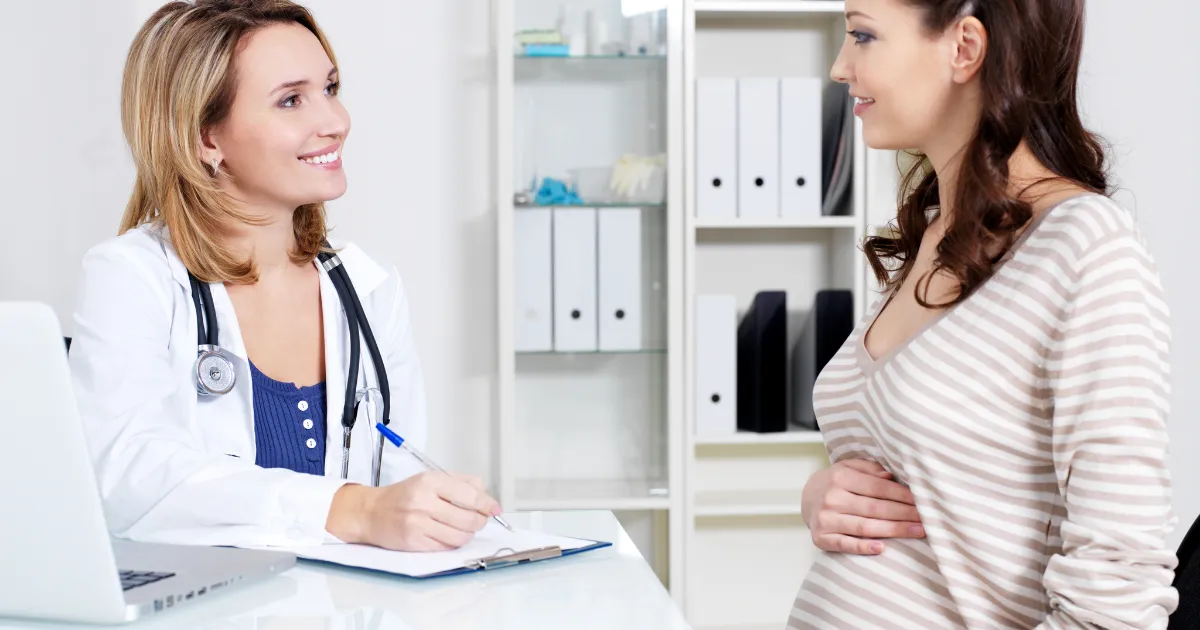
Caring for Your Health During Pregnancy
If you discover that you are pregnant, looking after your health throughout pregnancy is important for both you and your developing baby. Follow your doctor's advice to help your pregnancy progress normally.
Key priorities include eating foods from all 5 food groups and getting enough folic acid, iron, and calcium as recommended by your doctor. (See taking prenatal supplements.) Choose high-fiber foods, such as fresh dark leafy greens and a variety of fresh fruits. You should also drink enough water to support your body and your baby's healthy growth and development.
You should also follow your doctor's advice on antenatal checkups, recommended vaccinations, and suitable exercise. Remember to attend regular appointments to monitor your health and your baby's health.
| What You Should Do | What You Should Avoid |
|---|---|
|
|
Pregnancy care is an important part of keeping both mother and baby healthy. Whether you are in the early or later stages of pregnancy, looking after your health is the top priority.
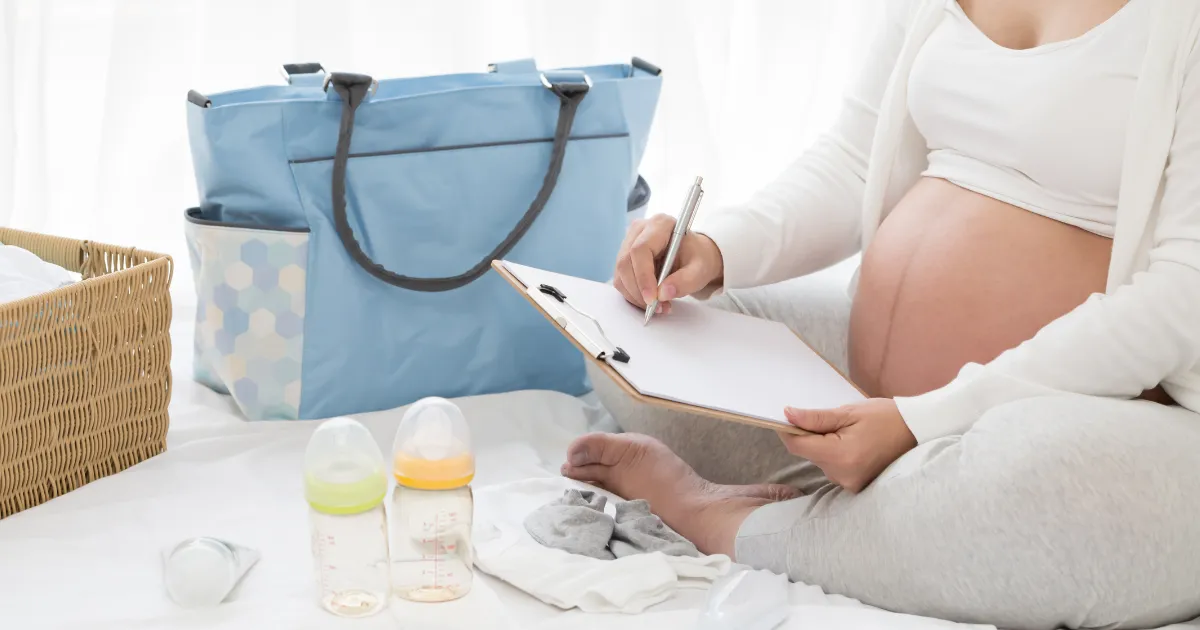
Looking After Yourself When You Discover You Are Pregnant or Are Planning a Baby
Pregnancy is an important and special time in your life. Whether you have just discovered you are pregnant or are planning a baby, start looking after yourself early, especially by taking folic acid before pregnancy and during the first trimester as advised by your doctor. Alongside changes to your self-care routine, you should learn about pregnancy and a lifestyle that supports a healthy pregnancy. Here are some things you should do:
1. Suitable Exercise
Exercise during pregnancy can help strengthen your body and support a healthy pregnancy. Choose activities suited to your physical condition, such as brisk walking or sports that involve continuous movement.
2. Eating a Nutritionally Balanced Diet
The food you eat provides energy and nutrients that are important for your baby's growth in the womb. Choose foods with an appropriate amount of fiber and essential nutrients such as protein, calcium, iron, and folic acid.
3. Managing Stress
Stress can affect your pregnancy health and your developing baby. If you feel very stressed, consult your antenatal doctor or a psychologist to learn techniques that can help you manage stress effectively.
Preparing for pregnancy is an important step toward keeping both mother and baby healthy. Follow your doctor's advice and take care of your own health and your baby's health.

| Pregnancy Tips | Recommendations |
|---|---|
| Exercise | Choose activities suited to your physical condition |
| Eat a nutritionally balanced diet | Choose foods rich in fiber and nutrients |
| Manage stress | Consult a doctor or psychologist to learn stress management techniques |
Preparing to Become a Mother
Pregnancy is an important and special experience in your life. Prepare yourself and learn about becoming a mother. Start by eating a nutritionally balanced diet. Choose foods with enough fiber, including fresh vegetables and fruits such as spinach and mandarins, which contain folate to support your baby's growth in the womb. Take other vitamins or supplements only as recommended by your doctor.
Suitable exercise is another priority during pregnancy. Choose activities that are not strenuous, such as yoga, brisk walking, gentle swimming, or even walking up and down stairs, to support your health and your baby's health. Remember to get enough rest and manage stress appropriately, for example by listening to relaxing music or enjoying calming activities such as reading or your favorite beauty and self-care activities.
Receiving proper medical care is important during pregnancy. Follow your doctor's advice on antenatal checkups and recommended vaccinations to help keep you and your baby healthy. Arrange an additional appointment if you have questions or concerns about your pregnancy or health.
Conclusion
If you experience symptoms you do not understand or changes from your usual pattern, especially a missed period, you may be pregnant. Use a pregnancy test and see a doctor for confirmation. If you are planning a baby, try using an ovulation tracking app to help you plan.
When you are pregnant, prepare for pregnancy by adjusting your self-care routine. This includes choosing foods with more fiber and nutrients and getting suitable exercise. As you prepare, follow your doctor's advice and attend regular medical appointments.