







Recommended: Why Does My Baby Spit Up Often, and How Can I Manage It?
What Is a Pacifier?
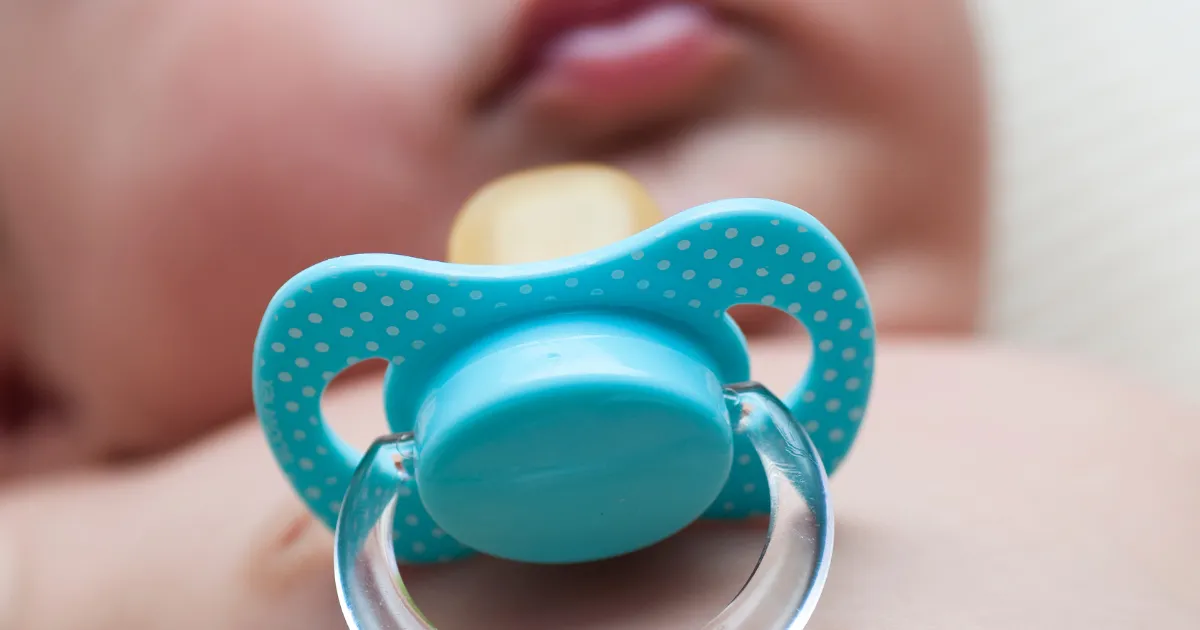
A pacifier, also called a dummy or soother, is used to help babies and young children feel relaxed and comfortable and reduce fussing. Usually made from rubber or silicone, it primarily helps satisfy sucking needs and reduce finger sucking. However, its suitability and benefits should be considered for each child to avoid potential problems such as middle-ear infections or dental-health concerns.
Is It Necessary?
Parents do not need to rush the decision to use a pacifier. There are benefits and drawbacks to consider according to the situation and each child's needs.
A pacifier simply helps a child relax, provides distraction and supports more comfortable sleep. Potential side effects, such as oral and dental problems and middle-ear infections, also deserve consideration. Think carefully about use to support appropriate growth and development.
Which Shape Should You Choose: Flat or Round?
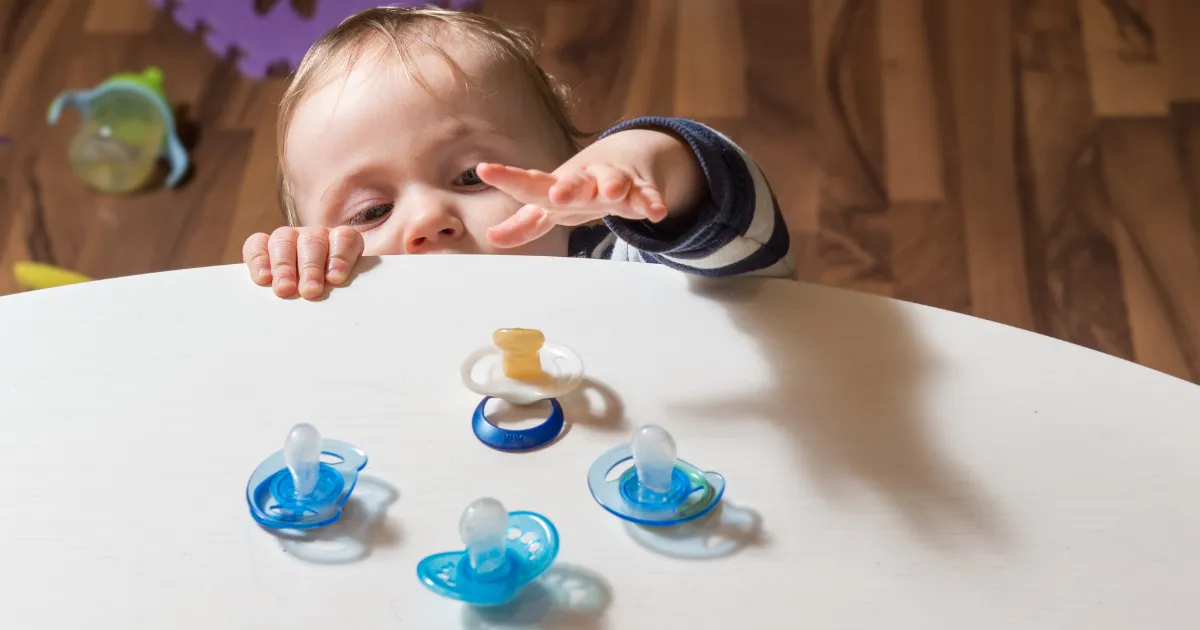
Choosing a suitable pacifier is important because it can directly affect a child's development. Consider the following points when comparing round and flat shapes:
Round nipple:
- Benefits: The rounded shape resembles a standard bottle teat, so bottle-fed babies may recognize and accept it easily.
- Caution: Follow the age range on the packaging and choose a shield wide enough that the whole pacifier cannot enter the mouth. Nipple shape alone does not establish choking safety.
Flat nipple:
- Features: A flat or shaped nipple offers a different fit that some babies may prefer. Do not assume that this shape prevents choking on saliva or airway obstruction.
- Caution: These pacifiers are often small and may fall out easily if not positioned correctly, potentially dropping onto the floor and coming into contact with bacteria.
Whichever shape you choose, select a one-piece pacifier that cannot come apart, with a soft nipple and a firm outer shield. The shield should have ventilation holes and be wide enough that your baby cannot put the whole pacifier in their mouth; the AAP recommends a shield at least around 1.5 inches wide. Choose the age range shown on the packaging and try different shapes until you find one your baby likes, following advice from HealthyChildren.org (AAP). Browse more essentials in our newborn supplies category.
Are Pacifiers a Good Idea? Benefits and Drawbacks
Benefits
A pacifier may help soothe a baby, but use it according to the product directions and your baby’s needs. It must not replace feeding. Ask your pediatrician about persistent sucking, feeding or swallowing concerns rather than using independent swallowing as a rule for when to stop.
There are several potential benefits to consider:
Soothing your baby: A pacifier can help a baby feel comfortable, happy and relaxed, making it easier to fall asleep and stay asleep longer.
Distraction: It can distract your baby in situations needing special support, such as during injections or medical treatment.
Reducing finger sucking: It helps reduce finger sucking, which may introduce germs and bacteria.
Reducing sudden infant death syndrome (SIDS) risk: Using a pacifier during sleep helps lower SIDS risk.

Drawbacks
Potential drawbacks include:
A baby may refuse breast milk: Prolonged use, or offering a pacifier when a baby should be breastfeeding, may lead to refusal because the baby is more interested in sucking the pacifier.
Middle-ear infection risk: Sucking a pacifier may alter pressure and increase the chance of germs and secretions entering the middle ear.
Dental-health problems: Prolonged or excessive use can cause dental problems, such as abnormal tooth development.
Pacifier dependence: Even when used for an appropriate duration, offering it unnecessarily can create dependence.
Consider medical advice and whether use is appropriate to help prevent health problems safely.
When Should You Start?
Pacifiers are suitable for babies from birth to around 1 or 2 years old, with two main purposes:
When a baby is full but still wants to suck: Some babies have a strong need to suck even after a feed. A pacifier can meet this need, but never use it to replace or delay feeding. Offer it only when you are sure your baby is not hungry.
For sleep or comfort: Offer it when your child needs to relax or settle to sleep. However, if your baby is breastfed, wait until breastfeeding is established, usually around 3–4 weeks (read How to Breastfeed Correctly). Reduce use as your child grows to avoid effects on physical development and future learning.
How to Use a Pacifier Correctly
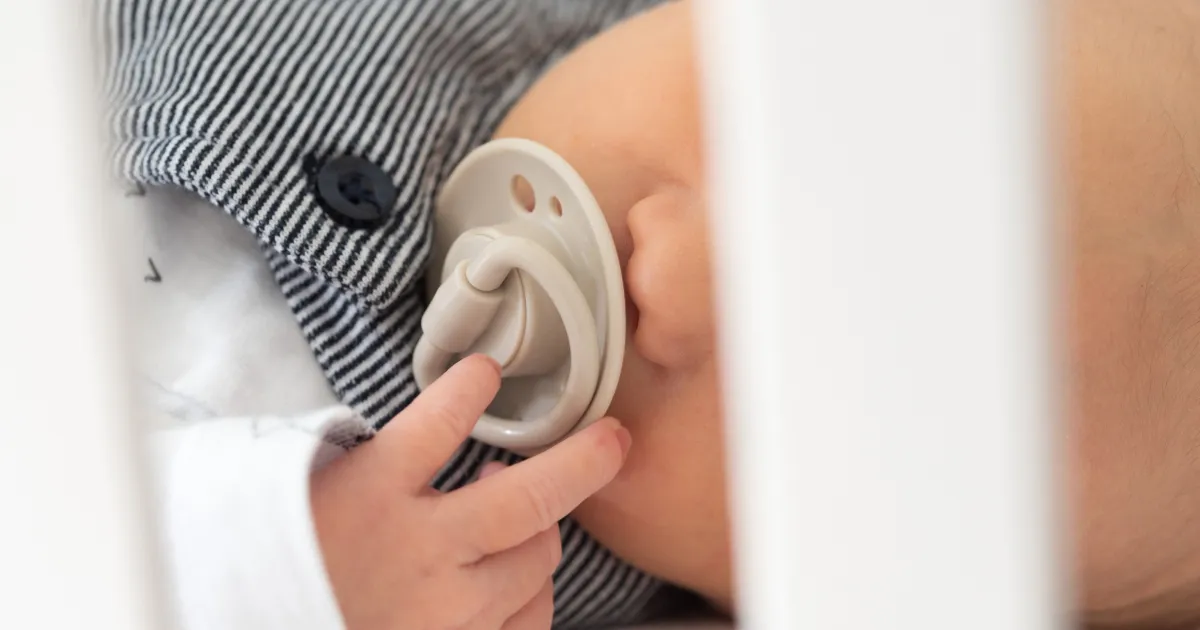
Follow these steps:
Observe your child's behavior: Notice why your child wants to suck: hunger, pleasure, self-soothing or stress relief.
Feed your child on demand: If sucking reflects hunger, feed your child promptly. Do not use a pacifier to make them forget their hunger.
Stop when your child signals: If your child begins crying or shows they no longer want the pacifier, try another way to comfort or distract them, such as cuddling, gentle rocking, singing, reading stories or playing with toys together. Avoid screens such as television or tablets, as the AAP recommends avoiding screen media under 18–24 months, except video calls with family.
Reduce use gradually: Gradually reduce use as your child begins weaning and can be distracted by other things. Do not rush if they are not ready, as they may switch to finger sucking instead.
Do not use it constantly: Offer it only when your child genuinely needs comfort and is unsettled. Constant use may affect development and learning.
Safety precautions:
- Never attach a pacifier to a cord around the neck or wrist, or tie it to the cot, because of the risk of fatal strangulation.
- Never dip a pacifier in sweet drinks, honey or sweetened condensed milk, as these can cause tooth decay. Honey must never be given to children younger than 1 year.
- Clean it regularly. During the first 6 months, boil or steam-sterilize it frequently, and do not clean it by putting it in an adult's mouth.
- Inspect it before every use. If it is cracked, torn, sticky or discolored, discard it and replace it immediately, as loose pieces can cause choking.
- When offering it for sleep, do not force your baby to take it, and do not replace it if it falls out while your baby is asleep.
When Should You Stop?
Stopping is an important developmental step. Many families begin reducing use when a child starts weaning or is a little over 1 year old, because stopping is easier than at an older age. The AAP states that vigorous pacifier or finger sucking beyond age 2–4 can affect mouth shape and tooth alignment, so aim to stop before that age range.
Stopping may be challenging emotionally and developmentally, so allow an appropriate amount of time. Begin by reducing the duration or limiting use to certain situations, such as bedtime. Meanwhile, offer other activities to distract or meet your child's needs, such as games, singing or listening to stories.
Conclusion
Pacifier use requires careful consideration because it can have effects in some circumstances. It can help soothe a baby who is full but still wants to suck, make sleep easier and reduce SIDS risk when offered for sleep. However, it should never replace a feed, and prolonged use may affect breastfeeding, ears and teeth. Use it safely and stop at an appropriate age. If your baby is unusually fussy or cries excessively, read about colic and consult a pediatrician.
Recommended: How to Pump Breast Milk: A Guide for New Mothers