







Recommended: How to Wash Your Baby's Bottles Correctly, Thoroughly, and Safely

What Is Expressing Breast Milk?
Expressing breast milk is a way for moms to collect their milk to feed their baby later. Milk is expressed from the breast into a bottle or milk storage bag, then refrigerated. Expressing helps moms have enough milk to feed their baby each day, reduces worries about feeding, and adds convenience. You can express by hand or use an electric pump, depending on what suits you and feels convenient. Expressing also allows a caregiver or someone else to feed your baby when you are unavailable to breastfeed.
Why Express Breast Milk?
Expressing breast milk is important for both moms and babies for the following reasons:
Providing complete nutrition: Breast milk contains important, beneficial nutrients that help babies receive complete nutrition.
Supporting the immune system: Breast milk contains antibodies and substances that protect against disease, helping strengthen your baby's immune system.
Making baby care more convenient: Expressing makes caring for your baby more convenient, as you do not need to be there all the time.
Supporting your baby's health: Feeding expressed breast milk helps support your baby's health, giving them the opportunity to grow and develop well.
Saving time and adding convenience for moms: Expressing breast milk helps reduce worries and makes caring for your baby more convenient, giving you greater control over your time.
Expressing breast milk is therefore a useful way to care for and feed your baby, helping you support their health appropriately and conveniently.
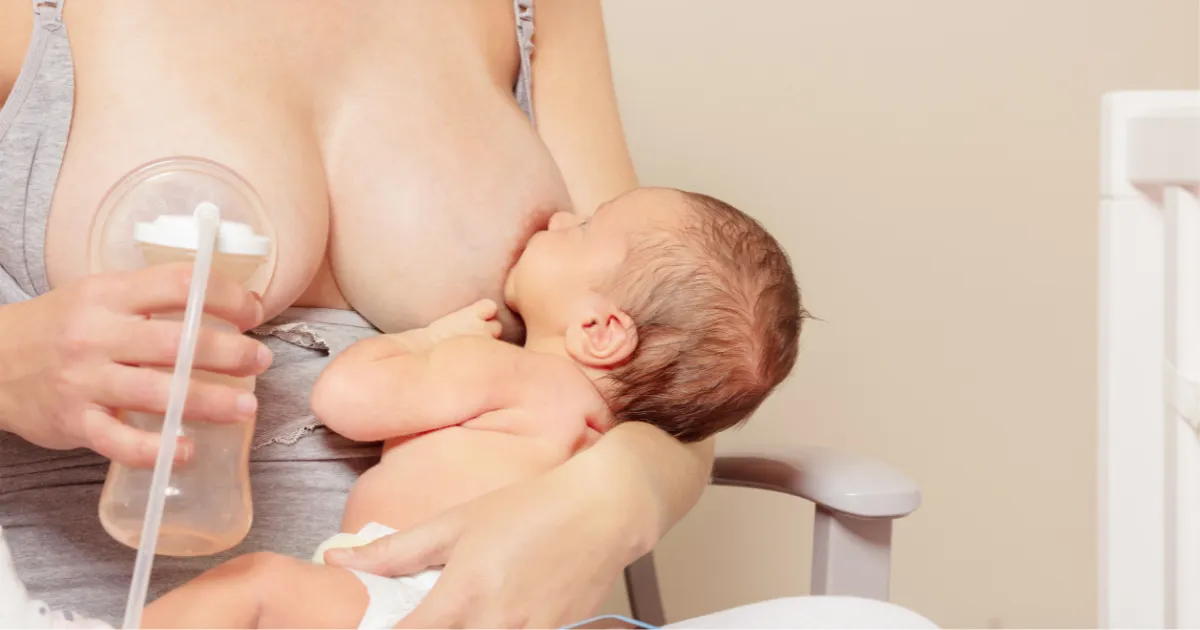
How Do You Express Breast Milk?
Expressing breast milk is an important process that can be done by hand or with an electric pump. Here are the basic steps:
Wash your hands and equipment: Wash your hands thoroughly before expressing, and check that your pump and milk storage equipment are ready to use.
Massage your breasts: Gently massage your breasts to encourage milk flow and prepare for expressing.
Choose an expressing method:
- Hand expression: Use your thumb and index finger to compress the breast and release milk. The compression should resemble the way your baby feeds.
- Using a breast pump: Position the breast shield so your nipple is centered and the shield fits snugly against your breast. Choose a shield size that suits your nipple, allowing it to move in and out without rubbing against the sides, before you start pumping. This helps prevent nipple pain and injury.
Adjust the suction: Start with low suction and gradually increase it. Expressing breast milk should feel comfortable and should not be painful.
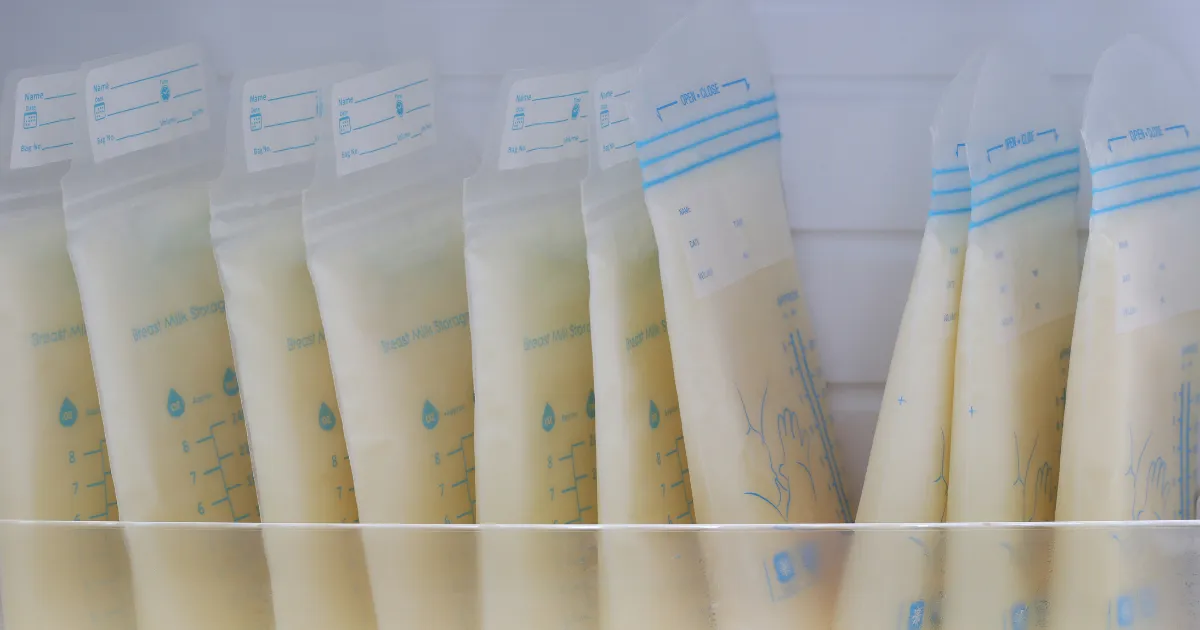
Store the milk: Transfer the expressed milk to a milk storage container. Seal the bag or bottle tightly.
Label the container: Write the date and time you expressed the milk on the storage container, and refrigerate it.
Clean up: Thoroughly wash your pump and expressing equipment after use.
Try both hand expression and a pump to find the method that feels most convenient and comfortable. Expressing breast milk offers many benefits: it allows your baby to have breast milk when you are away, helps support your baby's health, and makes caring for your little one more convenient.
Recommended: 5 Foods to Boost Breast Milk Supply That New Moms Should Know About
Expressing During the Colostrum Stage
Expressing during the colostrum stage is important because it helps your baby benefit from the highly valuable milk produced at this time. This early milk, produced in the first 1–3 days after birth, is low in calories but rich in protein and provides a full range of nutrients.
Pumping or hand-expressing during this stage helps stimulate future milk production and reduce breast engorgement. This is particularly important if your baby cannot yet breastfeed or you need to be separated from them. Pump or hand-express at least 8–10 times a day, including overnight, to help establish a full milk supply. (If your baby breastfeeds well, frequent breastfeeding is the best way to stimulate production. See How to Breastfeed Correctly.) Also pay attention to how you feel and choose a suitable environment for expressing so your baby can get the full benefits of breast milk during this stage.
Recommended: What Is Colostrum, and How Does It Benefit Your Baby?
How Long Can Breast Milk Be Stored?
How long expressed breast milk can be stored depends on the storage method and temperature:
At room temperature: Store for up to 4 hours.
In the main refrigerator compartment (4°C or below): Store for up to 8 days. Keep it at the back of the refrigerator, not in the door.
In a freezer compartment: Store for up to 2 weeks.
In a freezer at -18°C or below: Store for up to 6 months.
(Storage times sourced from the NHS)
Precautions: Thaw frozen breast milk in the refrigerator or in warm water. Do not microwave it, as uneven heating could burn your baby's mouth. Use thawed milk within 24 hours and do not refreeze it. Discard any milk left in the bottle after that feed, as germs from your baby's mouth may contaminate it. Wash and sterilize bottles and pumping equipment every time.
Choosing an appropriate place to store breast milk helps preserve as much of its nutritional value as possible. Label containers with the storage date and time, and keep an organized record to track freshness and prevent loss of nutritional value.
How Can You Pump to Empty Your Breasts?
Techniques for pumping to empty your breasts can be broken down into the following steps:
Hand expression and pumping:
- Alternate between hand expression and a breast pump to make expressing more effective.
- Use a hospital-grade pump for confidence in its quality and effectiveness.
Be careful when squeezing near the nipple:
- Do not squeeze your nipple too forcefully, to avoid nipple pain and injury.
- Alternate between fast and slow compressions to mimic the way your baby feeds.
Keep everything clean:
- Regularly clean your hands, pumping equipment, and milk storage equipment.
- Prevent bacteria or dirt from remaining on them.
Look at photos of your baby:
- While pumping, look at photos or videos of your baby to help create the feeling of breastfeeding.
- This can help you feel more relaxed and make the experience more enjoyable.
Look after your health:
- Take care of your health by eating enough food and choosing a varied, appropriate diet.
- This is important for stimulating milk production.
Using the right expressing techniques helps you collect milk more effectively and feel more relaxed.

How Can You Tell When You Have Finished Pumping a Breast?
Watch the milk flow. If it decreases, switch to the other breast until the flow slows or stops. Then stop pumping, transfer the milk to a storage container, and refrigerate it to preserve its quality.
When Is the Best Time to Pump?
Your pumping schedule depends on your availability and lifestyle. Some trial and error can help you find a routine that suits you. A basic newborn pumping schedule can serve as a guide. Look after your health and watch your baby's cues so you can adjust pumping to their needs.
Newborns (1–3 months):
- Pump 8–9 times/day.
- Times: Approximately every 3 hours around the clock, such as 05:00, 08:00, 11:00, 14:00, 17:00, 20:00, and 23:00, plus another 1–2 sessions overnight, such as 02:00. Adjust as needed.
Babies aged 3 months:
- Pump 5–6 times/day.
- Times: 06:00, 10:00, 14:00, 20:00, and 23:00. Adjust as needed.
Babies aged 6 months:
- Pump 4 times/day.
- Times: 6:00, 10:00, 14:00, and 22:00. Adjust as needed.
Adjust pumping sessions to your availability and the needs of both you and your baby. Watching your baby's cues and looking after your own health are important parts of an appropriate expressing routine.
Recommended: Feeding Schedule for Babies from Birth to 12 Months: When Is the Best Time to Feed?
Summary
Expressing breast milk is an important process that allows moms to store their milk and helps babies receive the benefits of breast milk. It offers several benefits for both babies' health and moms' convenience, so adjust your pumping schedule to suit your lifestyle and availability.
Helpful expressing techniques include pumping regularly on a suitable schedule, choosing a hospital-grade pump, massaging your breasts, alternating compressions, watching milk flow, and keeping everything clean.
Also adjust your pumping schedule to suit each stage of your baby's development to get the most benefit from breast milk, and continue doing so for as long as you wish to express milk.