Children love pretend play toys because they can create roles and situations from their own imaginations. This supports three main areas of development: creativity, skills such as problem-solving and planning, and communication as children tell stories, listen to others, and share roles with friends.
Pretend play toys are familiar favorites for young children. There are several reasons children are interested in them, and here we explore the main reasons behind this interest.
Benefits of Pretend Play Toys
Playing with toys encourages creativity and helps children connect different areas of knowledge, benefiting their thinking and skill development. Pretend play lets children take action and act out roles as people in real life, helping them understand and experience different situations while imagining freely. The American Academy of Pediatrics, through
HealthyChildren.org (AAP)also encourages parents to give children opportunities for free play, because play supports physical, emotional, social, and language development.
Playing with toys offers children fun and challenges while also supporting social skills and the thinking abilities needed for problem-solving. Children learn to work with others, share roles, listen to other people, and communicate creatively.
Playing with pretend play toys also encourages children's creativity. Children can develop their thinking and create as they wish. Pretend play helps turn their thoughts and imagination into creative ideas that are useful in everyday life.
| Benefits of Playing with Pretend Play Toys |
Examples of Pretend Play Toys |
| Encouraging creativity |
Children who think and create independently have opportunities to become leaders and creators in the future. |
| Building creativity and an interest in learning |
Children who play with toys are motivated to learn and interested in problems they need to solve. |
| Supporting social skill development |
Playing with toys builds understanding and cooperation when working with others. |
Creating Stories Through Toy Play
Playing with toys lets children create stories from their own ideas. Storytelling is important for developing children's creativity and imagination. Through story-based play, children can create the roles and situations they want, have fun, and come up with new ideas.
Creating stories during toy play encourages children to invent and develop narratives from their imaginations. They can shape stories around their own wishes and creative ideas. Playing with toys also helps children develop storytelling and effective communication skills.
1. Developing Creativity
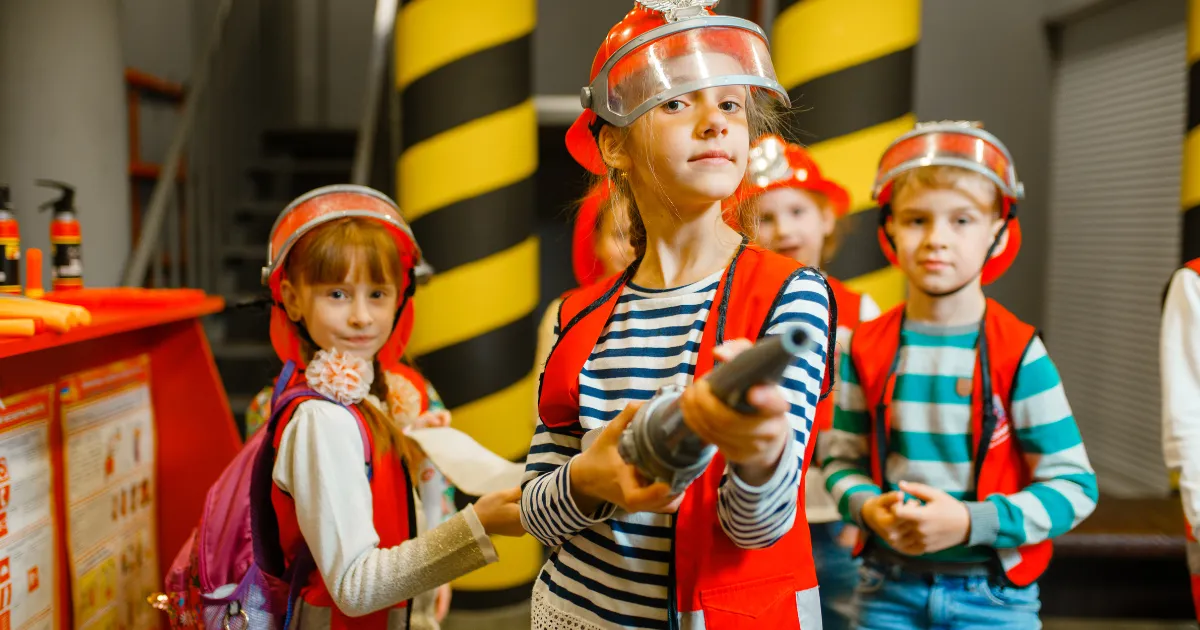
Playing with toys can greatly support children's creativity as they use imagination and creative thinking to make things the way they want.
Many forms of toy play can inspire children and encourage creativity, helping them generate new thoughts and limitless ideas that benefit their learning and growth.
Playing with toys also brings together the ideas, knowledge, and skills children have learned as they create and solve problems. Children can develop planning, trial-and-error, and analytical thinking skills while they play.
Toy play also gives children opportunities to learn to work with others as they create and explore ideas. Working with family or friends to build imaginary scenes or stories strengthens relationships and makes shared play enjoyable.
Examples of Creative Activities
1. Building a creative town: Let children build their own town with toys. They can use blocks to construct buildings and roads, or stones and tiles to make a river. Children can create tales and stories to play out with friends in the town they have built.
2. Creating an imaginary world: Let children create the imaginary world they want to play in using pencils, paper, or objects around the home. They might make a forest, mountains, or a sea and enjoy building their own imaginary world.
3. Presenting a story: Let children create a story using toys. They can invent characters and imaginary scenes, then tell their story to friends and invite them to help develop it.
| Summary |
| Playing with toys helps children develop creativity by coming up with new thoughts and limitless ideas. It brings together the ideas, knowledge, and skills they have learned, while building relationships and making shared play enjoyable. |
2. Learning and Developing Skills
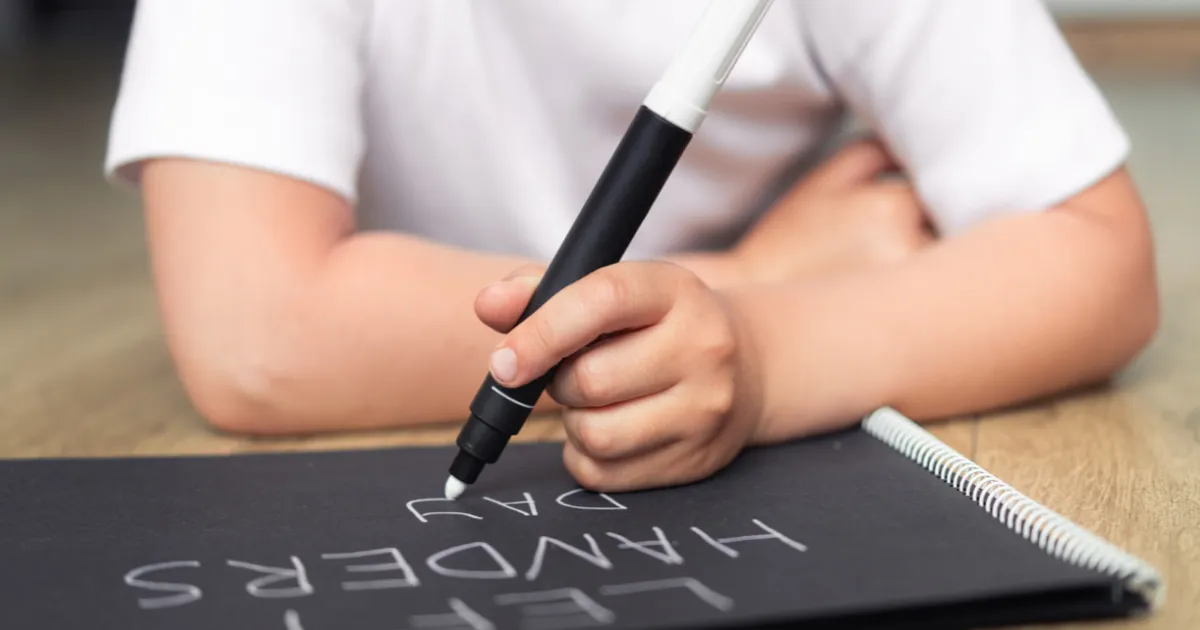
Playing with toys is enjoyable and fun, and it is also an effective tool for children's learning and skill development. This kind of play encourages a variety of learning and skills, benefiting children's growth and development in every area.
During toy play, children learn skills such as problem-solving, planning, simple counting when playing shop, and social skills that will be useful in the future. Pretend play also helps children develop teamwork skills and build good relationships with others.
By creating shared situations and roles during pretend play, children gain valuable experiences and learn ways to solve problems in different situations through experimentation. This benefits their future intellectual development, creativity, and problem-solving skills.
Examples of Activities That Encourage Pretend Play
- Acting: Create imaginary scenes through role-playing and acting them out. Children can bring the stories they imagine to life and perform them for others.
- Building a little town: Children can use blocks to build a modern town or an imaginary world, creating without limits.
- Putting on a play: Children can use toys to perform plays they have created, making a film or a play that lets them creatively develop the roles and situations they want.
Playing with toys is a fun activity that provides valuable experiences for children's learning and skill development. Creating their own situations and roles during play encourages creativity, develops teamwork skills, and builds good relationships with others.
| Related Interactions and Learning |
Developmental Benefits |
| Problem-solving |
Developing the ability to find solutions in complex situations |
| Planning |
Developing planning and goal-setting skills for tasks |
| Counting and quantities | Practicing counting and comparing quantities through play, such as running a shop or cooking |
| Social skills |
Building positive feelings and good relationships with others |
3. Developing Children's Communication
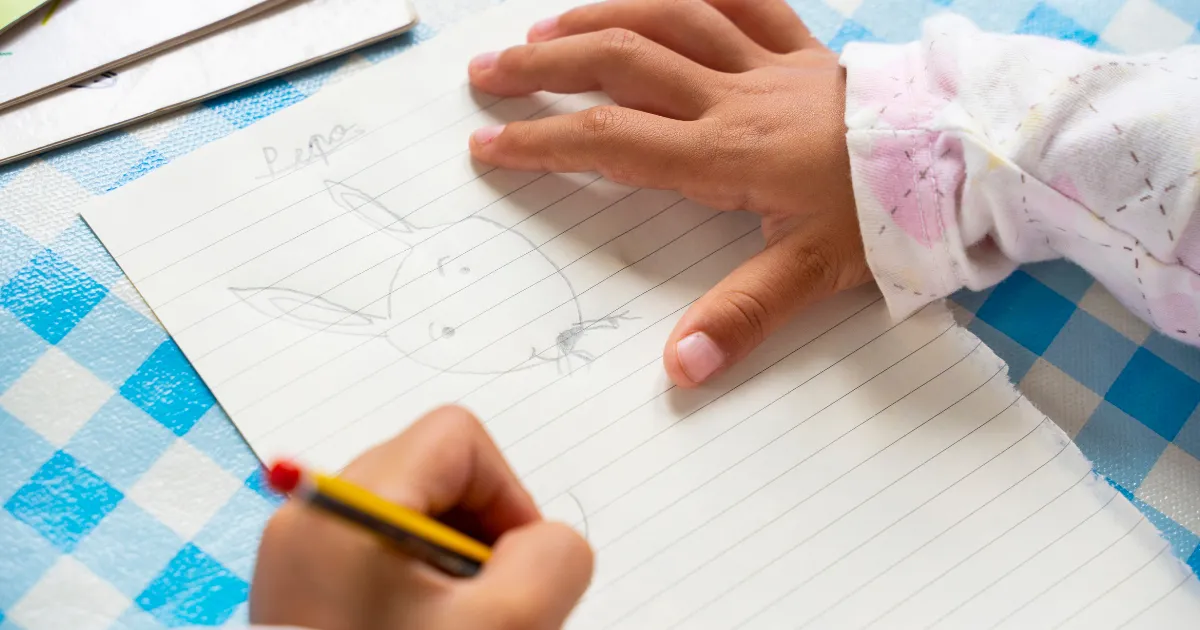
Playing with toys effectively supports children's communication development. By creating imaginary scenes and playing out stories, children can communicate and express their thoughts and feelings fluently and creatively.
As children play with toys in the roles they have created, they can use language suited to those roles and situations to communicate within their imaginary world. This includes speaking, singing, giving directions, and using gestures.
Playing with toys also encourages language learning and other communication skills. As children gain experience creating imaginary scenes and playing out stories, they can develop expression, listening skills, and the vocabulary needed for communication. (Read more:
7 Ways to Encourage Your Child to Talk)
Examples of Communication Activities Using Pretend Play Toys
1. Creating roles within a game: Let children take on roles that require communication with characters or other players. Ask questions such as, "What do you want in this game?" or "What ideas do you have to help the other players?"
2.
Creating stories: Let children create stories around the pretend play props they are using. Ask questions such as, "If you were a character in this story, what would you do?" or "If this pretend play prop could talk, what do you think it would say?" to encourage creativity and communication.
3. Acting out situations: Let children act out situations in pretend play and use language suited to each one, such as talking to characters or clearly explaining what they are doing.
| Activity Highlights |
Learning Goals |
| Building creativity and imagination |
Developing communication skills |
| Adapting to understand roles and situations |
Increasing interest in learning |
| Developing expression, listening, and storytelling skills |
Building relationships and social connections |
Examples of Pretend Play Toys Children Love
- Play kitchens and pretend food: Let children play chef while practicing food names, counting, and sharing, with toys such as the Hape All-in-1 Kitchen.
- Shops and cash registers: Practice conversations about buying and selling, waiting in line, and counting pretend coins.
- Doctor and vet kits: Help ease fears about visiting the doctor and practice empathy with toys such as the veterinary clinic dollhouse.
- Tool sets: Practice hand muscle skills and problem-solving. Read more about toy tool sets.
Browse children's toys suitable for your child's age.
Safety note: Many pretend play sets contain small parts, such as miniature pretend food, coins, or nuts, that pose a choking risk for children under 3. Follow the age guidance on the packaging and supervise your child closely during play.
Summary
Playing with toys is fun and benefits children in many areas, including developing creativity,
creating stories,developing social skills, and much more. Sounds fun, doesn't it? Beyond being enjoyable, pretend play effectively supports children's learning, strengthens relationships, makes playing with friends fun, and develops creativity.
Playing with pretend play toys lets children create imaginary scenes and play out stories from their imaginations, supporting creativity and positive thinking. It also encourages the development of communication skills,
learning,and children's problem-solving abilities.
Playing with pretend play toys is therefore a good way to encourage creativity, develop teamwork skills, and create roles and situations that interest children. It helps children develop their capacity to think, create, and learn in a well-rounded way.
FAQ
What are the main reasons children love pretend play toys?
Children love pretend play toys because they can create the roles and situations they want to play and further develop their creativity.
How does playing with pretend play toys help develop children's creativity?
Playing with toys helps develop children's creativity. Children can make and create things based on their own ideas and imaginations.
How does playing with pretend play toys support children's learning and skill development?
Playing with toys helps children learn and develop skills such as problem-solving, planning, simple counting, and social skills.
How does playing with pretend play toys help develop children's communication?
Playing with pretend play toys supports children's communication development through creating imaginary scenes and playing out stories, allowing them to communicate and express their thoughts and feelings.
Parents can shop for pretend play toys here, all in one place.
Shop Now