






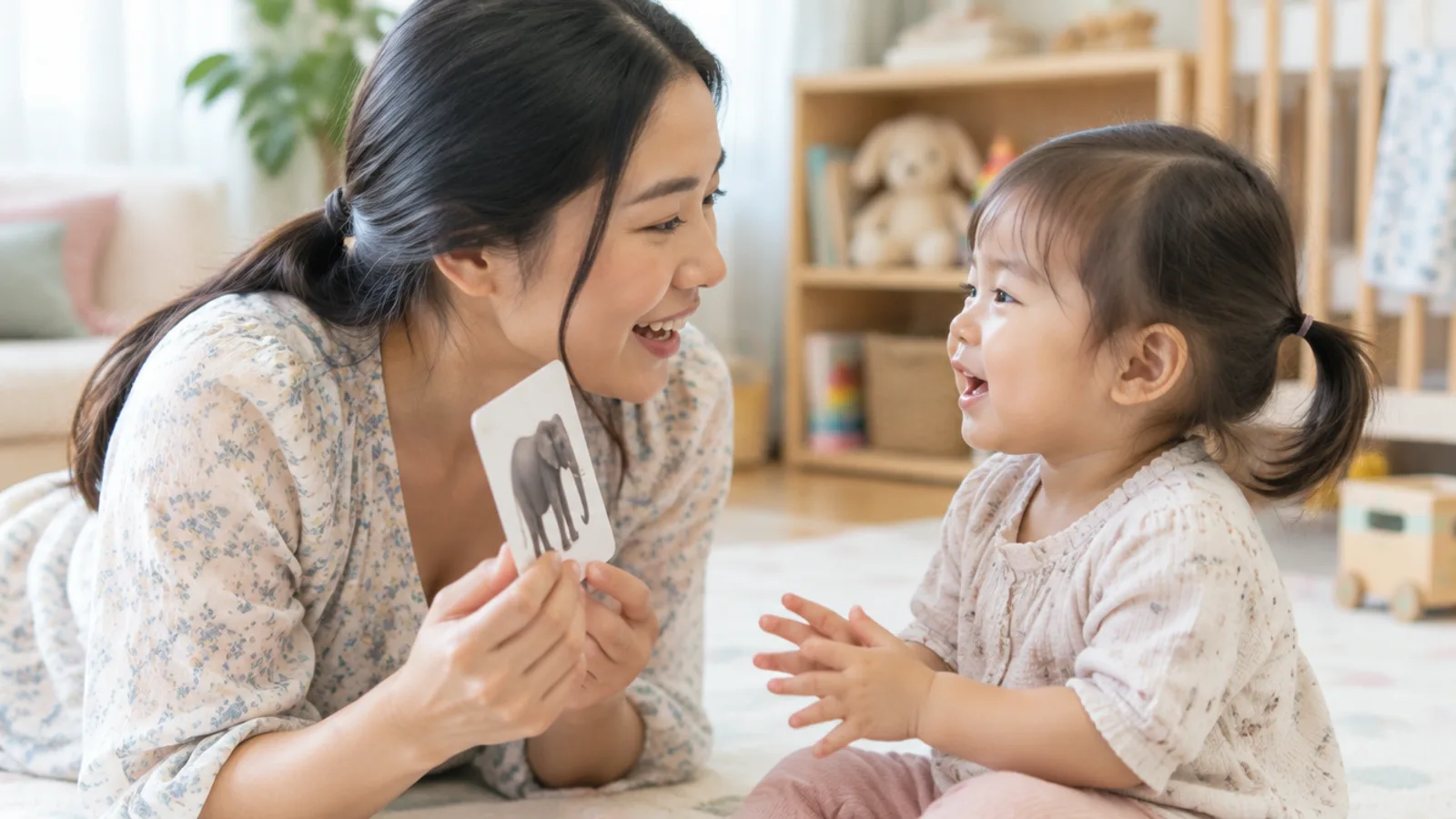
Every child develops at their own pace, but many parents worry about their little one's speech development. This article brings together seven ways to encourage your child to talk, along with advice on what to do if they rarely speak. Let's explore them.
What can you do to encourage your child to talk?
- Create a fun atmosphere to encourage your child to talk more
- Praise your child to build confidence
- Create a suitable environment for your child's speech
- Encourage your child to communicate with others
- Encourage reading and listening to stories to support language development
- Let your child join activities that involve talking
- Avoid putting too much pressure on your child to talk
1. Create a fun atmosphere

Creating a fun atmosphere is very important in encouraging your child to talk more. Children feel more motivated to speak when they are happy and having fun. You can create a welcoming environment by playing games together and taking an interest in activities your child enjoys, such as playing with their favorite toys, singing, dancing to a rhythm, or doing activities they are good at. These all help create a fun atmosphere.
Also, give your child opportunities to practice speaking through enjoyable play, such as telling their favorite stories, pretending to be characters from movies, and using different materials to encourage speech. Picture books, songs and games involving words can help your child practice speaking in a fun, easy-to-understand way.
| Ways to encourage your child to talk | Create a fun atmosphere |
|---|---|
| Let your child play games with their parents | Do things your child enjoys, such as playing with toys together |
| Tell your child's favorite stories | Play games that involve words |
| Use materials such as illustrated storybooks | Use songs to encourage speech |
To sum up this section, a fun environment is important in encouraging your child to talk more. Give your child opportunities to play games and do their favorite activities with you, and use a variety of materials to encourage speech. Picture books, songs and games involving words help your child practice speaking in a fun, easy-to-understand way.
A note of caution: Watching cartoons or television does not support speech practice as much as back-and-forth conversations with real people. The World Health Organization does not recommend screens for children under 2, and children aged 2–4 should have no more than 1 hour a day. Parents should watch alongside their child and talk with them (WHO). Read more: What to do when your child is hooked on screens
2. Praise your child to build confidence
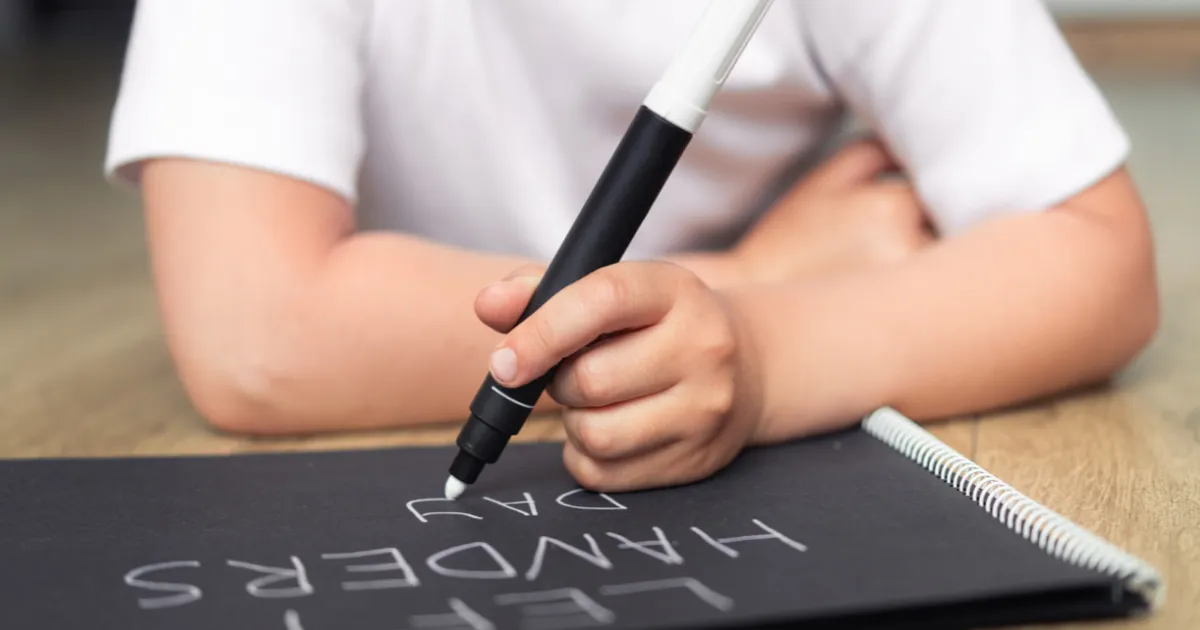
Responding positively to your child's speech is an important and effective way to encourage them to talk more. Praise and encouragement build confidence and support your child's efforts to speak with greater assurance.
You can respond positively in several ways, such as praising your child when they speak clearly and communicate their meaning well. Offer encouragement as they continue speaking or before they begin, with phrases such as "You said that very well" or "Try saying it again."
Another way to encourage speaking is to let your child try using language in different situations. For example, ask them to tell you about something that happened that day or recite lines from a favorite story. A fun atmosphere filled with praise can encourage your child to talk more.
Examples of praise to encourage speaking
"You said that so clearly." "Mom loves that you felt brave enough to speak up." "You did so well." "Dad loves it when you tell fun stories like this."
3. Create a suitable environment for talking
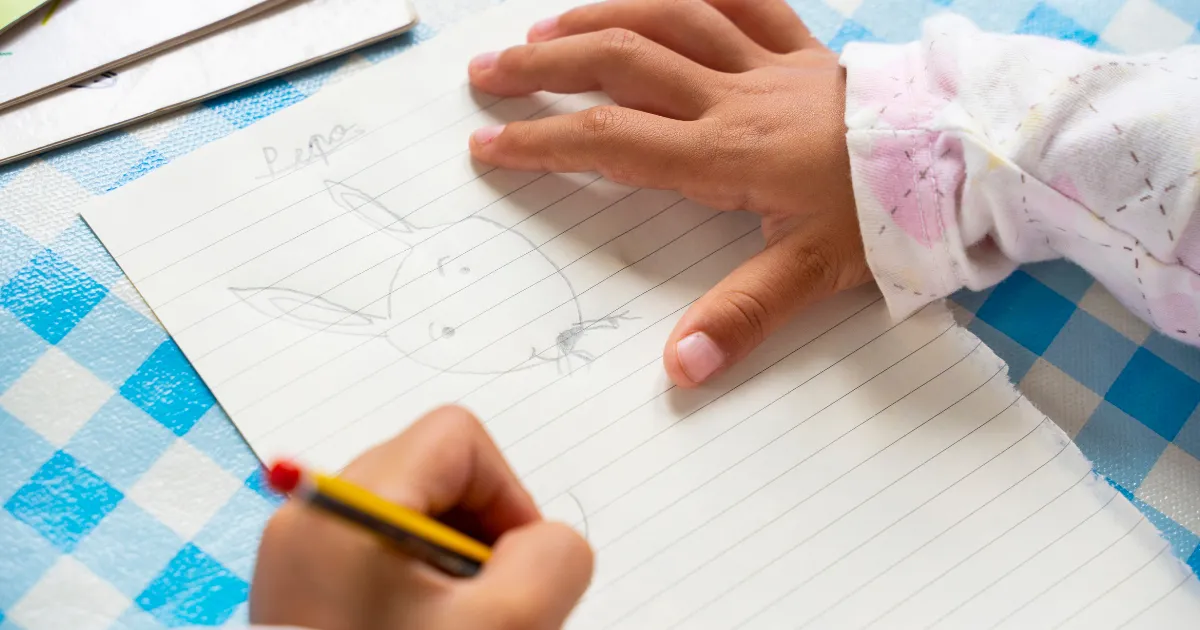
Creating a suitable environment is important in encouraging your child to talk more. Children feel more content and can make more progress with language when their surroundings are comfortable and appropriate.
One way to create a suitable environment is to provide a quiet space where your child can practice speaking and listen effectively. Place toys and picture books within your child's reach, and sit at their eye level when talking so they can see your mouth and facial expressions.
It is also important to make the surroundings conducive to talking. For example, turn off the television or reduce background noise at home during conversations so your child can hear speech clearly and focus on the exchange.
| How to create a suitable environment for talking |
|---|
| 1. Provide a quiet space for your child to practice speaking and listening |
| 2. Sit at your child's eye level when talking |
| 3. Create surroundings that support conversation |
| 4. Turn off the television and reduce background noise while talking |
4. Encourage your child to communicate with others

Communicating with others is an important part of your child's speech development. Conversations and exchanges of ideas help children practice communication skills in different situations, so give your child regular opportunities to communicate with other people.
There are several ways to help your child communicate with others. For example, encourage them to join activities that involve talking, such as an English-language learning group or social activities that offer opportunities for conversation. Playing with friends and talking with family are also good ways to help your child focus on communication.
“Giving your child opportunities to talk with others helps them get more practice in speaking and communicating.”
Giving your child opportunities to meet a variety of people, such as on walks in the park or outings to watch performances, can also create opportunities to speak and communicate with others.
| Ways to create a good environment for talking | Ways to communicate with others |
|---|---|
| Support your child's storytelling and speech | Give your child opportunities to talk with others |
| Create a fun, friendly atmosphere | Join activities that involve talking |
| Offer praise and encouragement to talk more | Communicate by exchanging ideas |
Encouraging your child to communicate with others is important for their speech development and gives them more opportunities to practice a range of communication skills.
5. Encourage your child to read books and listen to stories

Books and stories are effective tools for encouraging your child to talk more (find more tips here: How to teach your child to read). Reading helps children become familiar with spoken language and motivates them to work steadily on developing their speaking skills.
Listening to stories strengthens listening skills and understanding of speech. Your child hears new vocabulary and learns how language is used in different contexts. This helps them become more familiar with language and more confident about speaking.
Choose suitable books and stories for your child
When choosing books and stories, consider your child's age and interests. Books with attractive pictures and engaging stories can capture their attention well. Choose age-appropriate stories that offer guidance on moral values and positive relationships, and share stories in a group to strengthen those relationships.
| Recommendations | Encouraging your child to talk |
|---|---|
| Reading books | Choose books with attractive pictures and content that interests your child. Read stories aloud and help your child understand new words. |
| Listening to stories | Choose age-appropriate stories and tell them in a group to build positive relationships. |
Reading books and listening to stories are enjoyable activities that bring warmth to family life. Let your child join in, have fun and build positive relationships along the way.
6. Let your child join activities that involve talking

Taking part in activities that involve talking is one of the most effective ways to encourage your child to speak more. Besides being fun and exciting, these activities help support and improve your child's communication skills.
Playing games that require speaking or having enjoyable back-and-forth conversations, such as playing guessing games or telling jokes, can encourage your child to talk more.
Taking your child to social activities with other children, such as playground gatherings, community children's activities, library activities or playgroups, gives them opportunities to talk with children their own age. This supports their communication skills and helps build confidence in speaking.
| Activity | Benefits |
|---|---|
| Playing guessing games | Creates fun and encourages your child to talk |
| Practicing back-and-forth conversations about enjoyable topics | Motivates your child to talk more |
| Joining social activities | Builds communication skills and confidence in speaking |
7. Avoid putting too much pressure on your child to talk
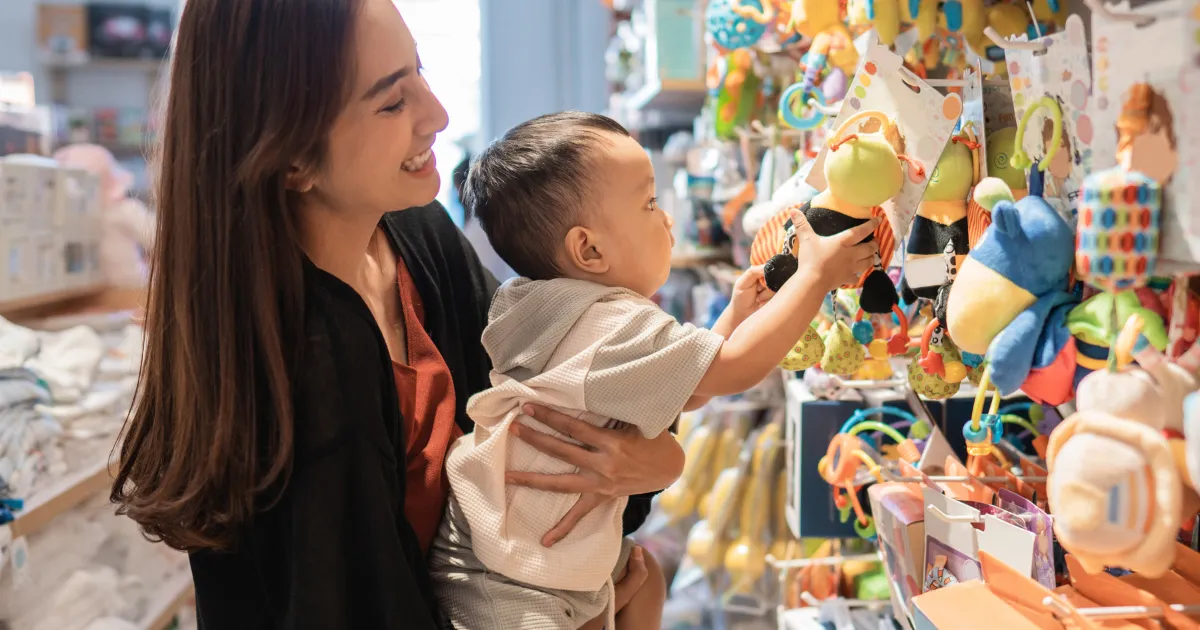
Expecting your child to speak a lot and all the time may make them feel pressured and stressed. Make room for rest and breaks from talking so your child can relax mentally and release their emotions.
Paying attention to your child's rest and happiness is also important for their speech development.
Be careful not to let talking become tiring or unenjoyable for your child. Alternate it with activities that do not involve speaking, such as playing games, drawing or listening to music, so your child can relax and manage pressure appropriately.
| Recommendations | How to do it |
|---|---|
| Allow time to rest | Give your child time to relax mentally and take breaks from talking to reduce pressure |
| Alternate activities | Give your child opportunities to do activities that do not involve speaking, such as playing games, drawing or listening to music |
A suitable environment for talking helps your child feel comfortable and understand that speaking is important. However, do not push your child to talk before they are ready. Give them time to prepare and manage pressure appropriately.
Speech development by age and when to see a doctor
Children begin talking at different ages, but the following is a general guide to speech development (ASHA, HealthyChildren.org)
- Around 12 months: Begins saying 1–2 meaningful words, such as "Mom" or "Dad," and uses gestures such as pointing and waving
- Around 18 months: Can say several single words and follow simple instructions
- Around 2 years: Knows approximately 50–100 words and begins combining two words, such as "drink milk" or "go out"
- Around 3 years: Speaks in short sentences that family members can understand most of the time
Take your child to see a pediatrician for a hearing check and developmental assessment if they are not babbling, pointing or waving by 12 months; are not saying words by 18 months; are not combining two words or do not understand simple instructions by age 2; do not turn when their name is called; or previously spoke but have started speaking less at any age. The doctor may refer your child to a speech therapist for support. Starting early leads to better results (read more: Signs of developmental delay in children).
Conclusion
If your child rarely talks, you may need to encourage them to speak more. There are several ways to do this, and we have introduced approaches that may be useful for you. Remember that your child's speech development takes time and attention from parents.
The key to encouraging your child to talk more is to create a fun, happy atmosphere. Give them opportunities to talk with others, read books and listen to stories, and offer attention and support throughout their development. Do not overlook your child's need for rest and happiness. You can also seek advice from a specialist.
If you are still worried about your child's speech development, remember that it takes time, patience and attentive support from parents. If you notice serious difficulties or feel unsure, consult a specialist for appropriate support and encouragement.
Parents looking for "ways to help my little one talk" should now have more ideas for helping their child feel confident about speaking. You can find more parenting tips here.