






What Are Postpartum Chills?
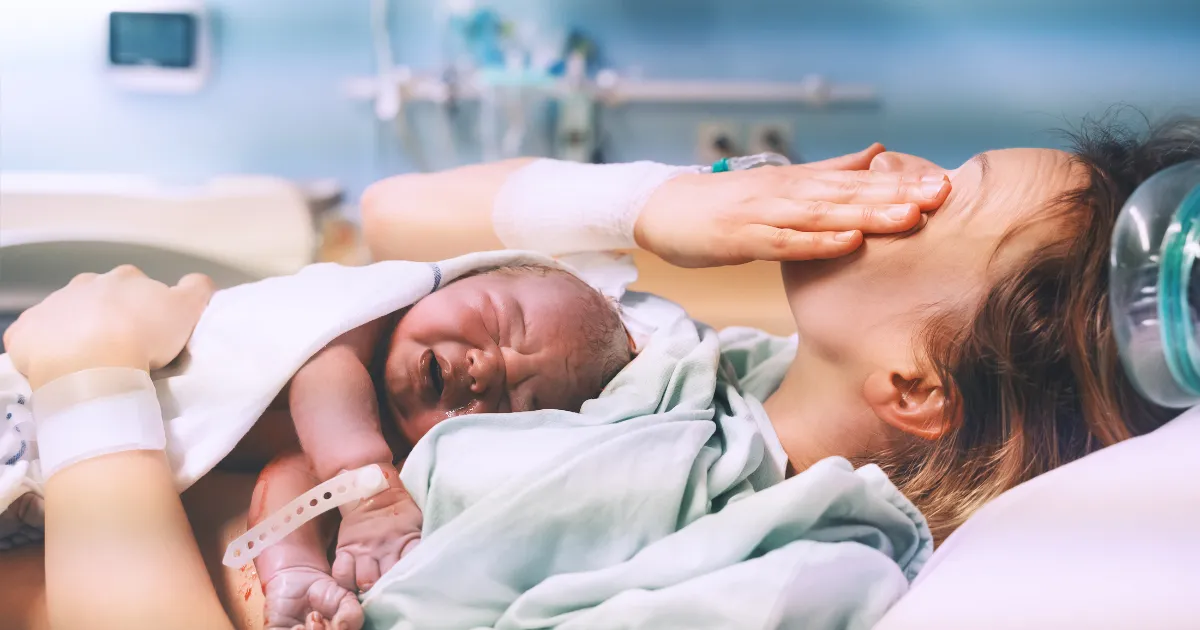
Postpartum chills occur as the body adjusts and returns to normal after childbirth. They often begin within the first 1–2 hours, although they can also occur later. The exact cause is not fully understood, but heat and fluid loss and hormonal changes after birth are thought to play a role. They can occur after both vaginal and cesarean births, according to Cleveland Clinic.
Postpartum chills typically involve uncontrollable shivering for a short period, sometimes with tiredness or weakness. They usually resolve as the body returns to normal. Other postpartum conditions can also occur, such as postpartum depression.
Causes of Postpartum Chills
Postpartum chills can have several physical and environmental causes. Possible contributing factors include:
- Loss of body heat: After birth, a woman may lose warmth from the energy used during labor. Loss of blood and other circulating fluids can also lower body temperature.
- Hormonal activity: Changes in hormone levels after birth, including hormones involved in milk production, may contribute to feeling cold.
- Blood loss: Childbirth often involves substantial blood loss, which can lower body temperature.
- Exhaustion from labor: The body uses a great deal of strength during vaginal childbirth, which demands considerable exertion.
- Medicines and fluids during labor: Some mothers may shiver more after spinal anesthesia or intravenous fluids during labor. This usually settles on its own shortly afterward.
When Chills Require Urgent Medical Attention
Chills that occur within the first few hours after birth and resolve on their own are usually harmless. However, always tell your doctor or nurse when you shiver so they can check your temperature, and seek immediate medical attention if you have any of the following:
- A fever of 38°C or higher, or shivering with flu-like body aches.
- Shivering that begins several days after birth or keeps recurring.
- Foul-smelling lochia, unusually heavy bleeding or severe lower abdominal pain.
- A cesarean or perineal wound that is swollen, red, producing pus or increasingly painful.
- A swollen, red, hot and painful breast with fever.
- A rapid heartbeat, rapid breathing, confusion or feeling much worse very quickly.
Important: Fever with postpartum chills may indicate infection, which can sometimes progress rapidly to sepsis (see the NHS). If symptoms are severe, call 1669, Thailand's emergency medical number, immediately. Read more about postpartum conditions mothers may need to manage.

How to Manage Postpartum Chills
Managing chills is important for a mother's comfort and recovery after birth. The following measures can help:
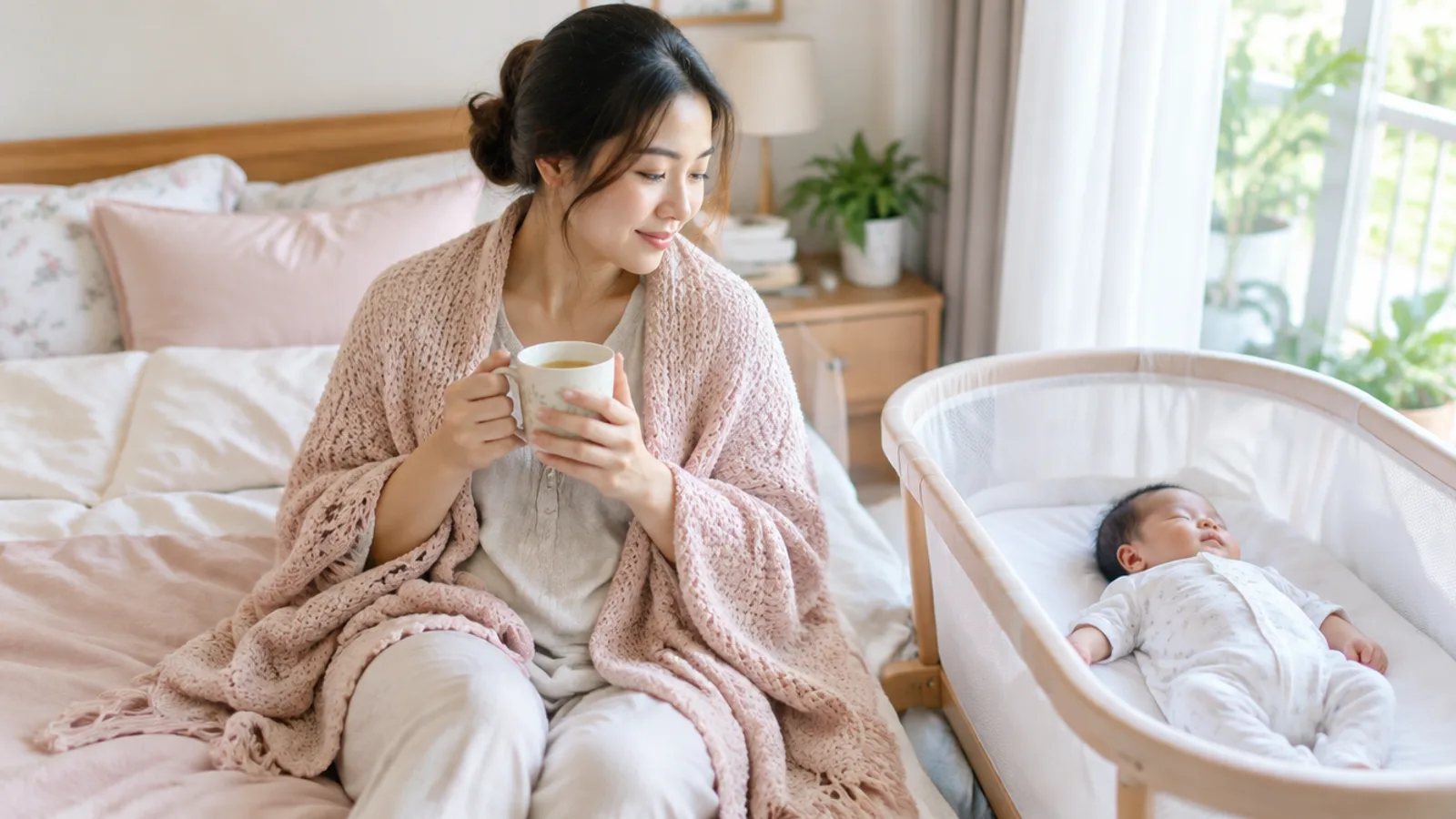
Wear warm clothing: Choose clothes that provide enough warmth, made from soft, breathable materials that do not cause overheating. Use a warm blanket and have warm drinks if desired.
Maintain a comfortable room temperature: Make sure the bedroom feels comfortable and is not too cold.
Eat enough energy-rich food: Consuming adequate energy helps the body recover more quickly.
Move gently: Light physical activity such as walking or stretching encourages circulation and can help the body feel warmer. Once your doctor gives permission, you can begin safe postpartum exercises.
Accept care from those close to you: Attention and support from family members or a caregiver can help you cope with feeling cold.
Does Yu Fai Help?
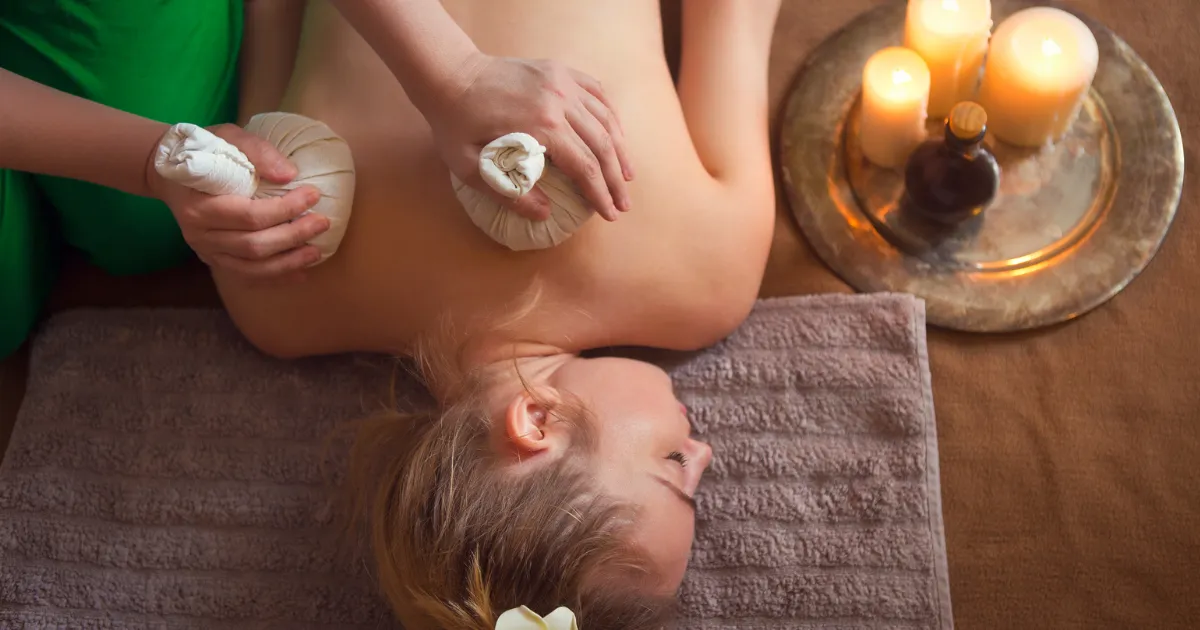
Yu fai, the traditional Thai postpartum warming practice, may increase warmth and ease some discomfort from postpartum chills. Staying near a heat source can provide temporary relief, but care is needed to prevent burns or injury from excessive heat. It should not be the main way of managing postpartum chills because it can pose safety and health risks. Warm clothing and a comfortable room temperature are more effective approaches.
Nutrition for Mothers After Childbirth
After giving birth, mothers need to pay attention to nutrition because it is very important for their health and physical recovery.
Food after childbirth supports immunity, nourishes tissues and speeds recovery. Choosing appropriate foods is therefore an important part of care.
| Food Group | Suitable Foods After Childbirth | Benefits |
|---|---|---|
| Fruit and vegetables | Leafy greens and colorful fruit and vegetables, washed thoroughly | Provide vitamins, minerals and fiber to support bowel movements |
| Protein | Chicken, fish, pork, eggs, tofu, soybeans and peanuts | Help repair wounds and tissues affected by childbirth |
| Carbohydrates | Brown rice, corn, sweet potatoes and whole-wheat bread | Provide energy to keep the body warm and support caring for a baby |
| Healthy fats and calcium | Oily fish such as salmon and short mackerel, eggs, milk and yogurt | Provide omega-3 to support a baby's nervous-system development through breast milk, and calcium for bone health |
Conclusion
Postpartum chills can occur while a mother's body recovers and returns to normal. Major contributing factors include heat and fluid loss during birth, hormonal changes and physical fatigue. Symptoms usually settle shortly on their own, but chills with fever require prompt medical attention. For good recovery, mothers should consume protein, carbohydrates and healthy fats. They should also avoid processed, sugary and very salty foods to support postpartum health.
Postpartum exercise offers important benefits by promoting circulation and helping the body feel refreshed, giving mothers more energy and a better sense of well-being. Walking is a suitable, safe option. However, follow advice from a doctor or healthcare professional before beginning postpartum exercise to prevent potential harm.
Frequently Asked Questions
What Are Postpartum Chills?Postpartum chills involve feeling cold and shivering after birth. They usually occur early and resolve as the body returns to normal. Keep the mother in a warm, comfortable environment to help ease shivering and provide reassurance and appropriate postpartum care.
Causes of Postpartum ChillsPostpartum chills may result from loss of body heat and fluid after birth, particularly while the body is adjusting. Returning to a normal state can bring a feeling of cold, while blood and fluid loss can contribute as well.
Does Yu Fai Help?Staying near a heat source can provide warmth and temporarily reduce chills, but care is needed to avoid accidents caused by excessive temperatures. Warm clothing and a comfortable room temperature are safer, more effective ways to manage postpartum chills.