






Why Is Sleep Important for Babies?
Sleep supports a baby's development and physical and mental health early in life. Newborns usually sleep around 14–17 hours in total each day, in short stretches during both day and night, waking to feed every 2–3 hours. They do not yet sleep through the night like adults. Sleep duration decreases as babies grow, but they still need plenty of sleep and a safe sleeping environment.
What Happens If a Baby Does Not Get Enough Sleep?
Insufficient sleep can affect a baby's health and important development. It may influence learning and brain development and can leave a baby irritable, less engaged or displaying difficult behavior. Too little sleep can also increase risks of illness and health problems, such as reduced immunity, weight loss or problems involving the brain and respiratory system.
What Causes Insufficient Sleep in Babies?
There are many reasons why a baby may not get enough sleep. Parents should understand what might be preventing their baby from sleeping.
- Illness can cause discomfort and insufficient sleep. A high fever, blocked nose, bloating or other symptoms may prevent a baby from sleeping.
- Health problems such as unsuitable feeding, food allergies or breathing difficulties may result in insufficient sleep.
- Emotional discomfort or stress and an unsuitable environment can disrupt sleep, for example a change of caregiver, moving home or changes in daily routine.
This article shares five ways to choose a mattress for comfortable, safe baby sleep, based on guidance from the American Academy of Pediatrics (AAP). It recommends placing babies on their backs on a firm, flat mattress with only a fitted sheet and no pillows, blankets, toys or cot bumpers.
What Should a Baby Mattress Be Like?
1. Consider Your Baby's Weight

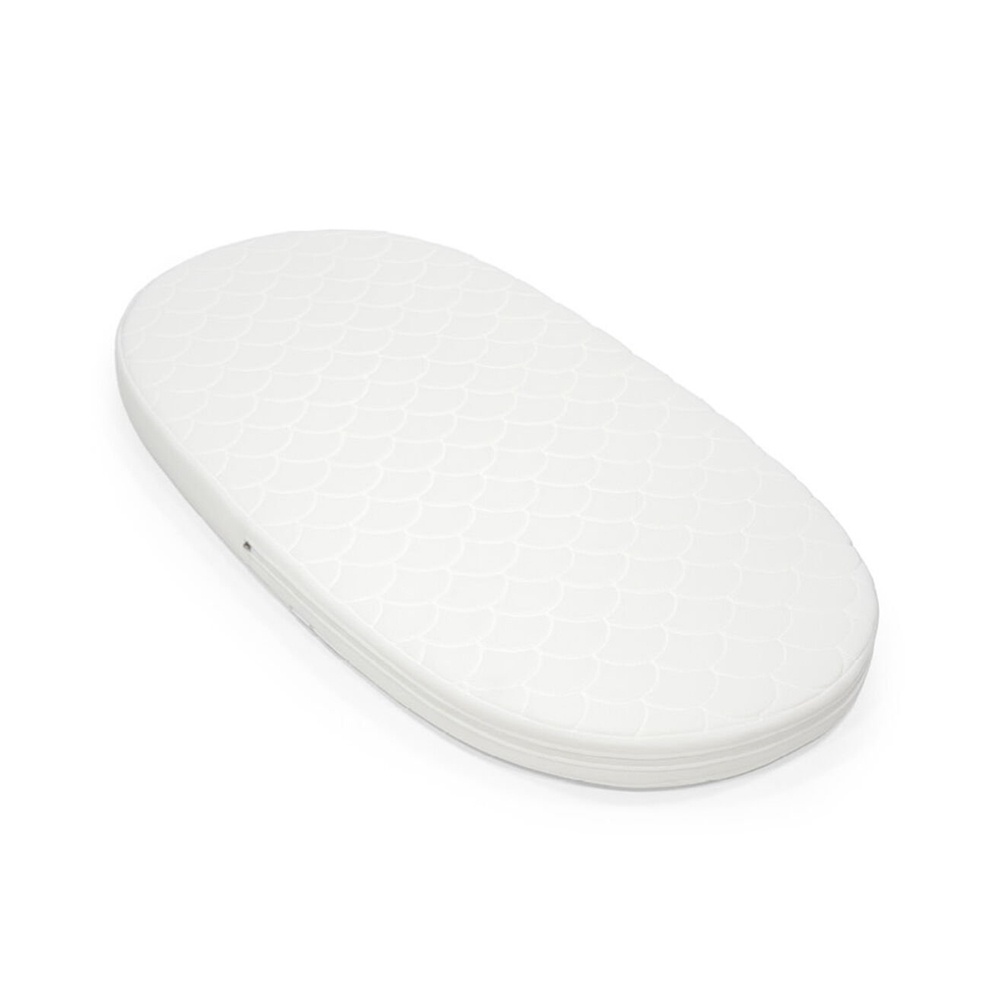
Choosing a suitable mattress is very important, and your baby's weight should be considered. Whether a baby is small or large, the mattress must be equally firm and flat and should not sink under their weight. Low-weight babies should not use soft mattresses either, as a soft surface can form a hollow around the face when a baby rolls, increasing suffocation and sudden infant death syndrome (SIDS) risk. Follow the manufacturer's weight and age guidance and choose a mattress that fits the cot or crib. The gap between the mattress edge and the cot should not allow more than two adult fingers to fit.
2. Choose a Mattress That Is Easy to Clean
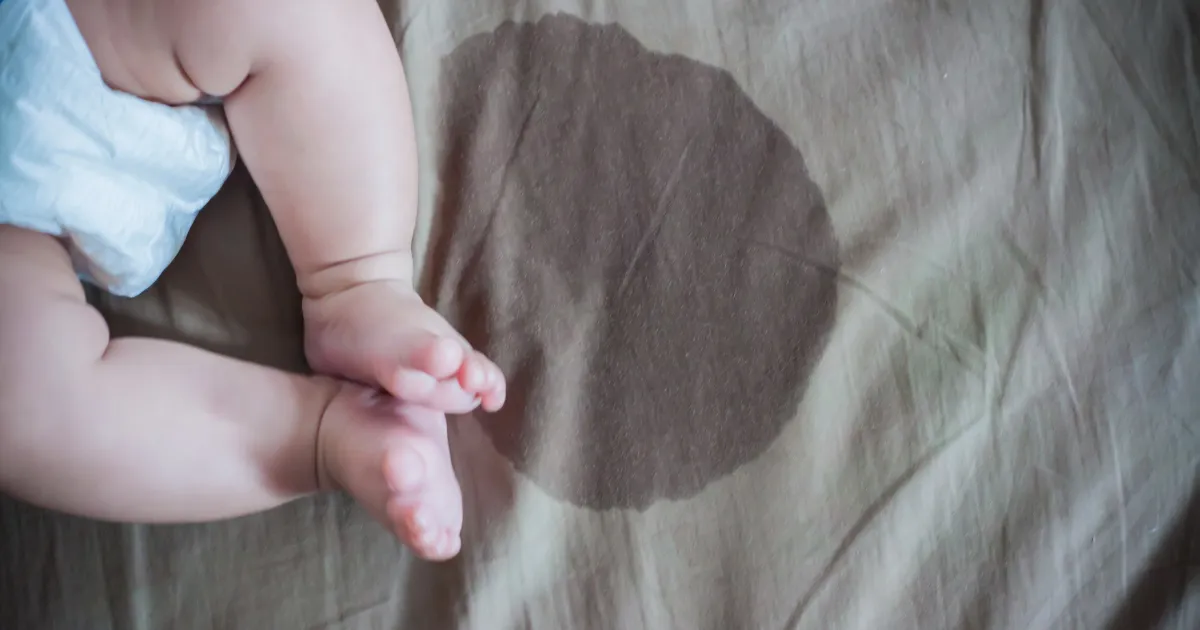
Easy cleaning is very important because babies may urinate while asleep. A mattress with a removable cover is a good option: if it becomes wet, you can easily remove the cover for cleaning and help protect the mattress from unexpected accidents. An easy-clean mattress makes daily care more convenient and safe.
3. Consider the Mattress Materials
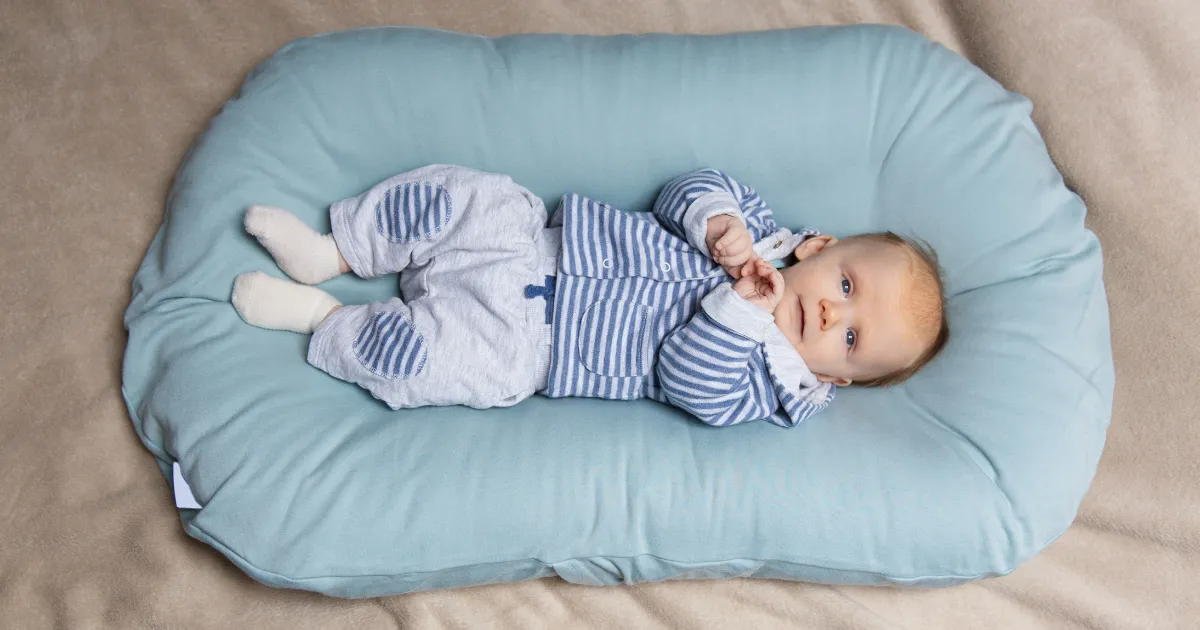
Materials are very important because they affect comfort and safety and indicate product quality. Different materials, such as natural latex, cotton and synthetic fibers, each have their own advantages. Whatever you choose, the mattress must be firm, rebound quickly, allow good airflow, have no strong chemical smell and be made specifically for a baby's cot or crib. Browse baby cribs and read more about choosing a newborn bed.
4. Test the Firmness Yourself

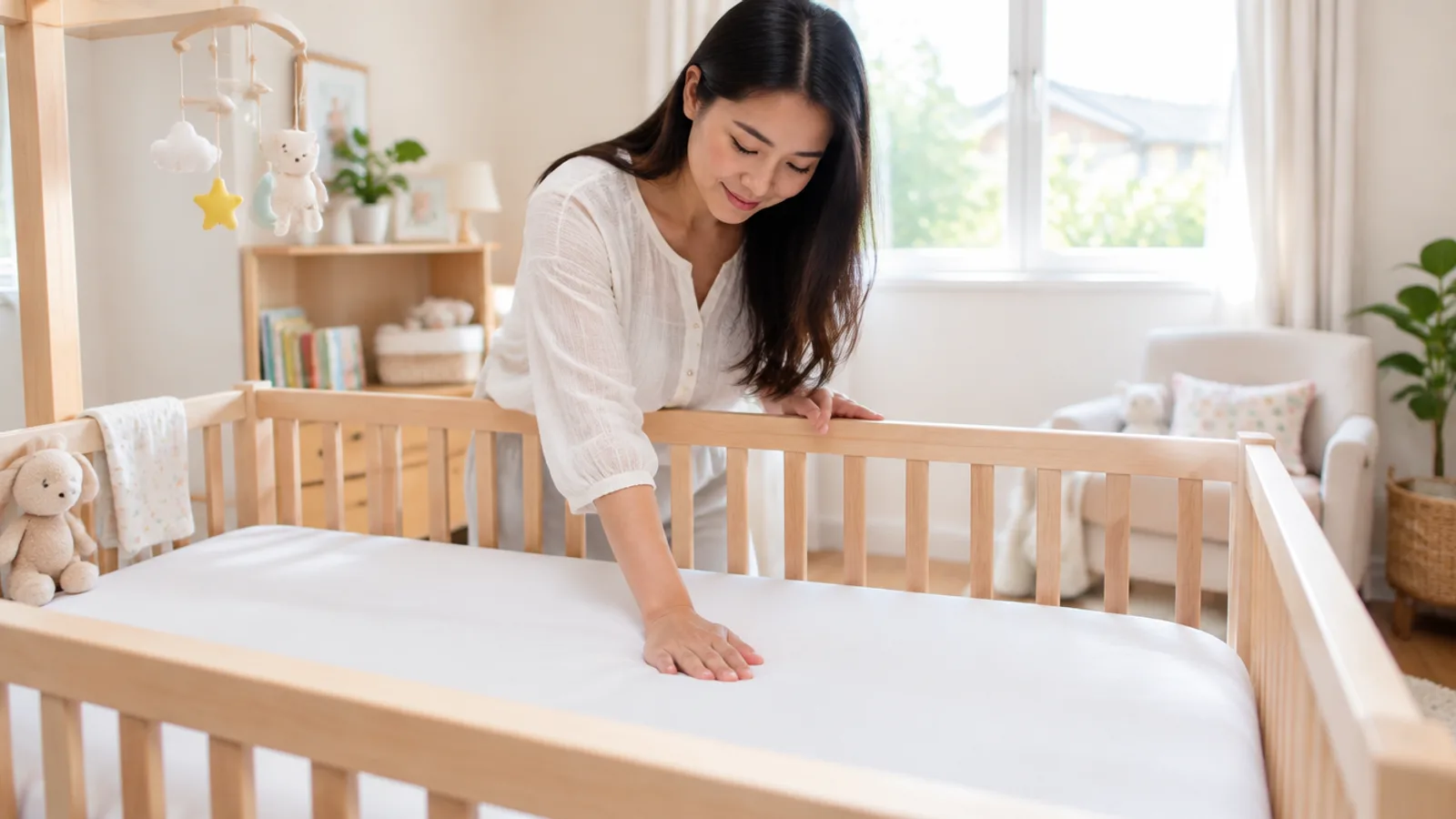
A baby cannot tell you which mattress feels comfortable, so parents should test it when shopping. Press your palm into the center, then lift it away. A suitable mattress compresses only slightly and rebounds immediately without leaving a hand-shaped dent. Its edges should not collapse significantly when pressed. If your hand sinks deeply or the mattress rebounds slowly, it is too soft for a baby.
A mattress that is too soft can allow a baby's face to sink in if they roll onto their front, obstructing breathing. The most suitable baby mattress is therefore firm and flat rather than soft and squishy. A soft-textured fitted sheet that fits the mattress provides comfort.
5. Avoid a Very Old Mattress
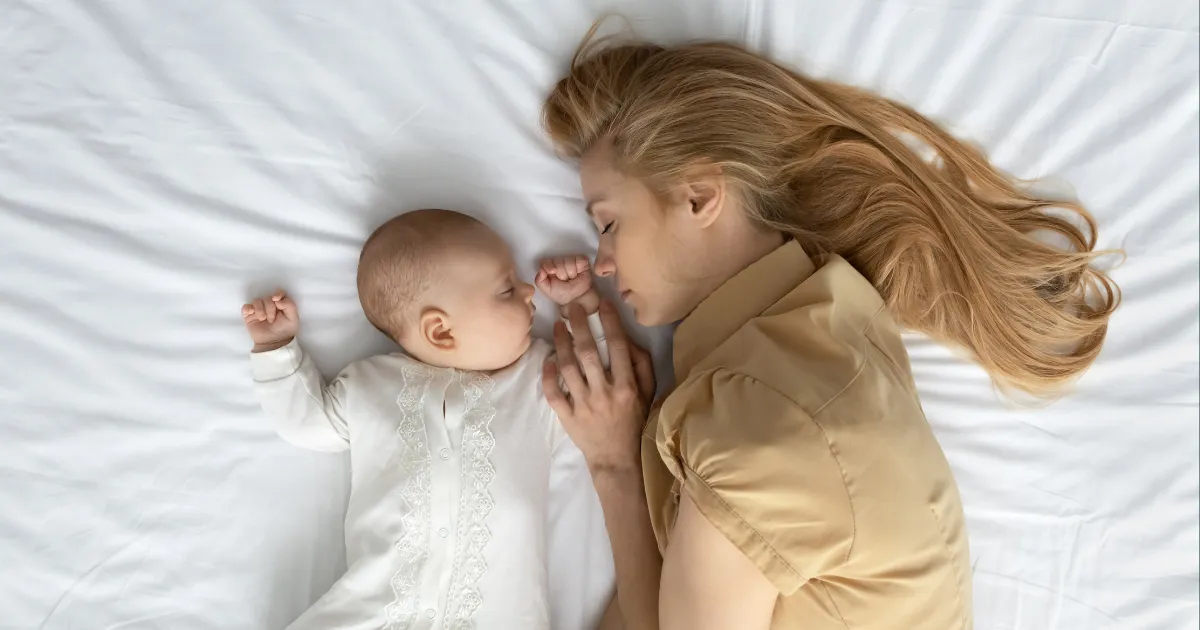
An old, well-used mattress often has dents or sagging in the middle. This is unsuitable for babies because their faces may sink into the hollow if they roll, and dust or mold may have accumulated. If you need to reuse an older sibling's mattress, check that it is still firm, flat, intact, free from sagging and fits the cot. Choosing a quality mattress that is not too old deserves attention, so parents should consider buying a new mattress.
What Belongs in a Baby's Sleep Space?
- A firm, flat mattress: It should fit the cot or crib without gaps around the edges.
- A fitted sheet: It should fit securely without loose fabric that could wrap around your baby. Keep spares for changing.
- A thin waterproof protector: Choose one designed to fit neatly underneath the sheet to keep urine from reaching the mattress.
- A baby sleeping bag or weather-appropriate sleepwear: Use this instead of a blanket to keep your baby warm without fabric covering their face.
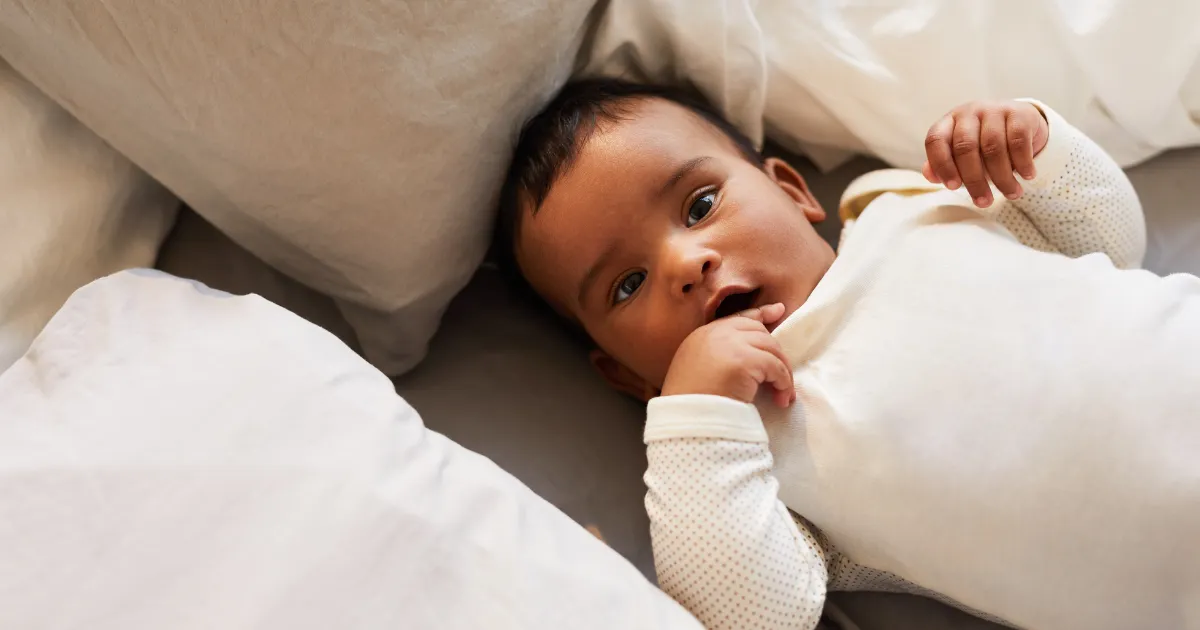
Important: Do not place pillows, animal-shaped support cushions, sleep positioners, blankets, bedspreads, soft toys or cot bumpers in the sleep space of a baby younger than 1 year, because they increase suffocation and SIDS risks. Always place your baby on their back for daytime and nighttime sleep. Share a room with parents but use a separate sleep surface for at least the first 6 months (sources: NHS and AAP). Read more about things to avoid while babies sleep and preparing a newborn's bedroom.
Conclusion
Your baby's sleep deserves close attention. Choose a firm, flat mattress that fits the cot, cleans easily, uses quality materials and is not old or sagging. Test its firmness yourself before buying, and keep the sleep space clear of pillows, blankets, toys and cot bumpers for comfortable, safe sleep.