After childbirth, eat a varied diet rather than avoiding whole food groups. When breastfeeding, the safest option is to avoid alcohol; choose lower-mercury fish and safely prepared food. Sour fruit, spicy food and cow’s milk do not routinely need to be excluded. Seek medical advice if you suspect a food allergy in your baby before changing your diet.
The postpartum period is an important time to give both mother and baby the best possible care and help them return to their usual state quickly. However, there are certain foods mothers should avoid during this time because they may affect the health and recovery of both mother and baby.
Mothers who have recently given birth, especially those who are breastfeeding, need more energy and protein than usual to recover and produce breast milk. They should therefore not eliminate protein foods such as meat, eggs, milk, or tofu, unless a doctor diagnoses their baby with a specific food allergy, such as a cow’s milk protein allergy. In that case, the doctor may recommend avoiding that particular food.
NHSBreastfeeding mothers are encouraged to eat a varied, balanced diet. There is no general need to avoid all artificial colors, flavors or preservatives. Follow individual advice for a diagnosed allergy or medical condition rather than removing broad categories of food without a reason.
To stay healthy after childbirth and nourish your baby well through breastfeeding, eat foods from all five food groups, with sufficient protein and a full range of vitamins and minerals. Foods such as leafy greens, ivy gourd leaves, and Chinese cabbage help support the immune system and are also beneficial when breastfeeding your baby.
After childbirth, a mother’s body needs rest and recovery before returning to its usual state. Eating suitable, good-quality food is therefore especially important. However, mothers should avoid certain foods after childbirth to prevent effects on their own health and their baby’s health, as follows.
1. Alcoholic drinks
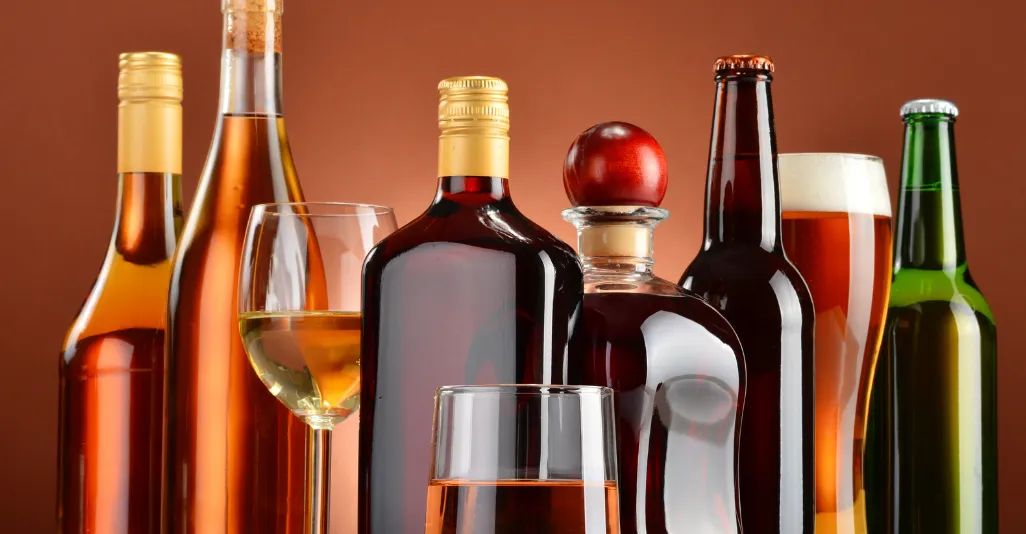
Alcohol is unsuitable for mothers who have recently given birth. Avoiding it entirely helps protect both mother and baby’s health. Drinking while breastfeeding can allow alcohol to pass into breast milk and harm your baby, so the safest option is to avoid alcohol while breastfeeding. If you drink occasionally, have only a small amount and wait at least approximately 2 hours per drink before breastfeeding (Source:
NHS)
2. Sour fruits (safe to eat, but watch your baby’s symptoms)
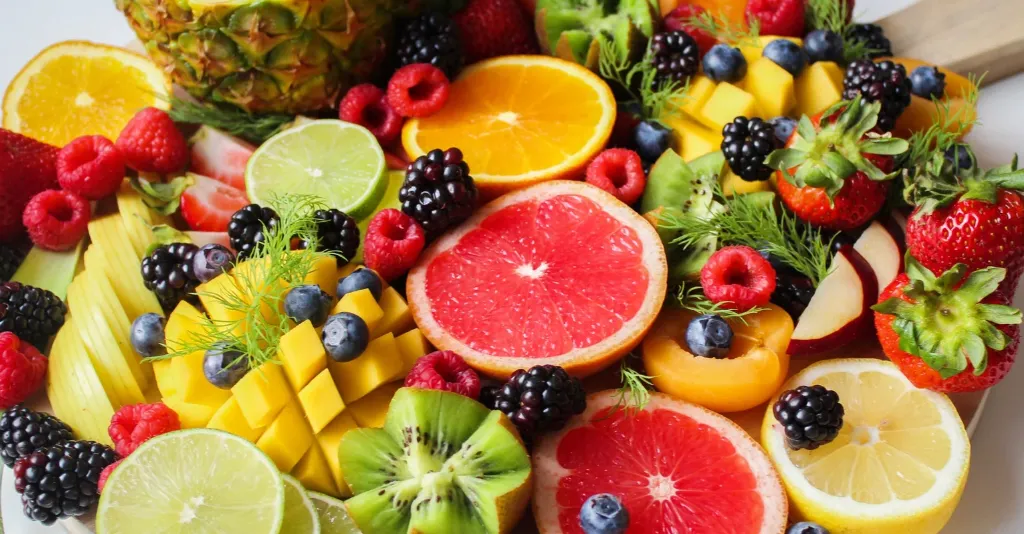
There is no evidence to support the belief that sour fruits make breast milk acidic. Fruits such as oranges, limes, and pineapples are good sources of vitamin C, and breastfeeding mothers can eat them as usual. However, some babies may be sensitive to particular foods. If you notice that your baby repeatedly develops a rash, becomes fussy, or has bloating after you eat a certain food, try reducing that food and consult a doctor.
3. Seafood
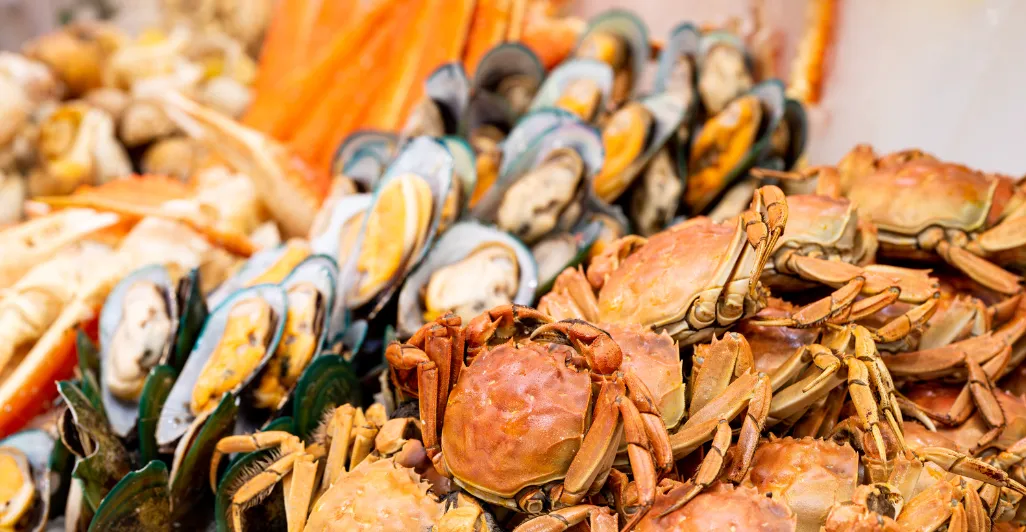
Seafood can provide protein and omega-3 fats. Choose safely stored and thoroughly cooked seafood and fish lower in mercury, such as salmon. Avoid high-mercury fish such as shark, swordfish and bigeye tuna. A common recommendation is 2–3 servings of lower-mercury fish per week, according to guidance from
FDA
4. Strongly flavored foods
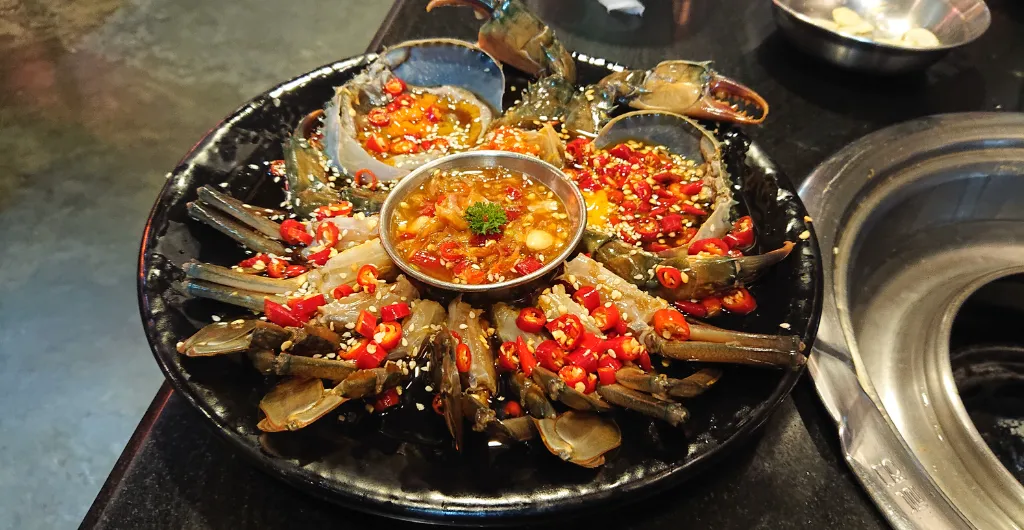
There is no routine need to avoid spicy or sour foods while breastfeeding. If a food causes you discomfort, adjust it for your own comfort. If your baby has persistent symptoms, speak to a clinician rather than assuming that flavor changes in milk are harmful or eliminating foods on your own.
5. Cow’s milk (only if your baby has a cow’s milk allergy)
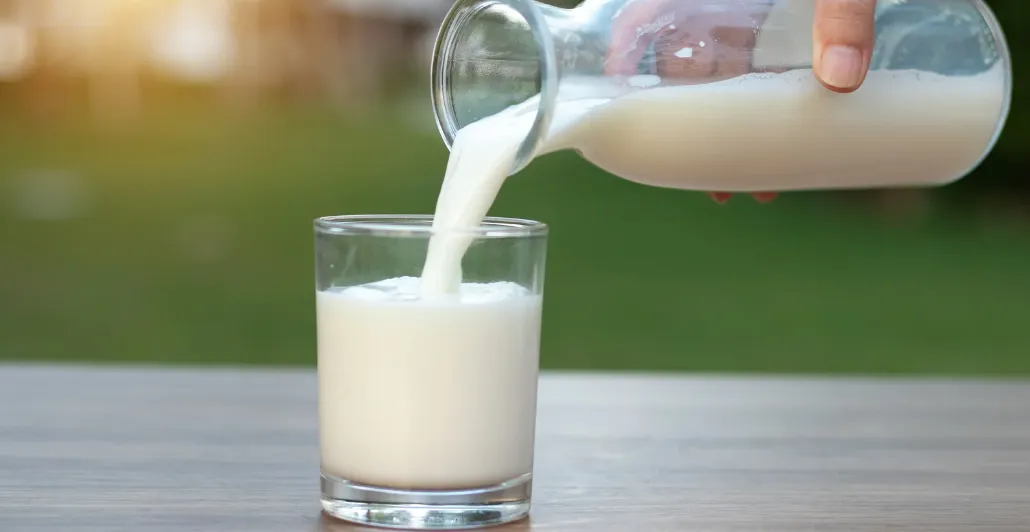
In general, breastfeeding mothers can drink cow’s milk, which is a good source of protein and calcium. There is no need to avoid it unless your baby has symptoms suggesting a cow’s milk protein allergy, such as a skin rash, frequent vomiting, diarrhea, or stools containing mucus and blood. A doctor may recommend temporarily avoiding cow’s milk and dairy products. Do not eliminate them without consulting a doctor, as this could lead to insufficient calcium intake. Read more about
Signs That Your Baby Has a Cow’s Milk Allergy
Foods Mothers Can Eat After Childbirth
- Fresh vegetables and fruit, such as stir-fried morning glory, Chinese cabbage, salad greens, cucumber, and papaya
- High-protein foods, such as chicken, eggs, fish, and soybeans
- Calcium-rich foods, such as milk, yogurt, firm tofu, small fish eaten with their bones, and leafy green vegetables
- High-fiber foods, such as corn, brown rice, and chia seeds
- Foods containing healthy fats, such as salmon, sardines, and egg yolks
Most foods can remain part of a varied postpartum diet. Focus on enough energy and nutrients, safe preparation and any individual medical advice. Avoiding alcohol is the safest choice during breastfeeding; blanket bans on seasonings, preservatives or sour fruit are not needed. Explore ideas for
Foods to Increase Breast Milk Supplyand, for mothers who have had a C-section, read
What Can You Eat After a C-Section?for more information.
Alongside food choices, mothers also need to prepare essentials for their babies after childbirth. One item that many people overlook, but that is indispensable, is gauze, which can be used to comfortably clean your baby’s teeth, tongue, and gums.
Click here!Caring for your health after childbirth deserves attention, whether through suitable food choices, appropriate exercise, or sufficient rest. In particular, eating suitable foods and avoiding unsuitable ones helps protect the safety and health of both mother and baby.