






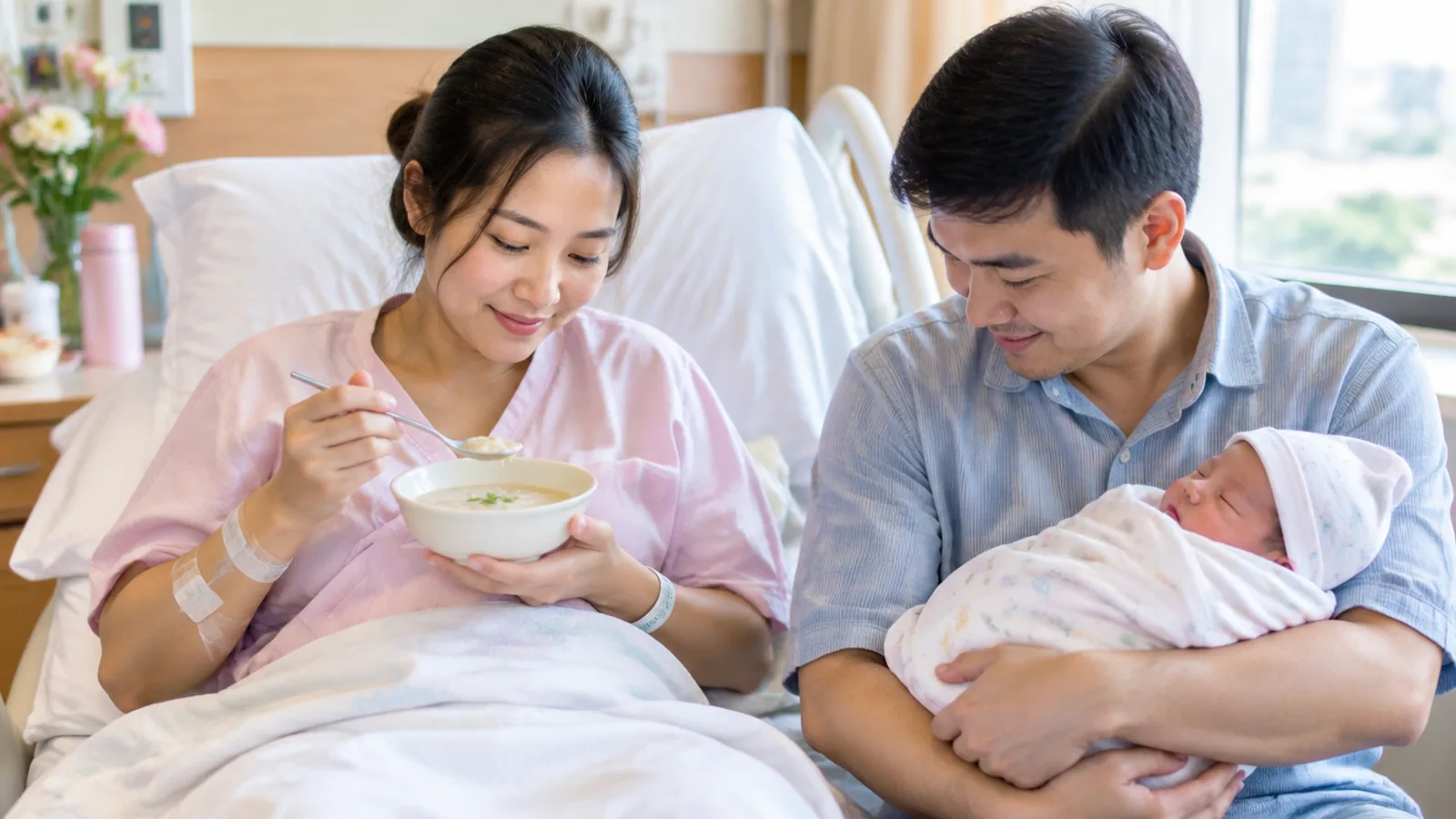
If you are preparing for childbirth, eating the right foods is especially important for maintaining your health and supporting recovery after delivery.
Here, we discuss what mothers can eat after a C-section, what to avoid to stay healthy, and which foods can support recovery after childbirth.
Precautions: During the first 1–2 days after surgery, start eating according to your doctor's and nurses' advice. You will generally begin with sips of water or liquids, then gradually move on to soft foods and regular meals when your body is ready. If you develop a fever, swelling, redness or pus around the incision, severe abdominal pain or unusually severe bloating, seek medical attention promptly (NHS). Read more: Postpartum conditions mothers should know about
Recommended: Vaginal Birth or C-Section: How Should You Choose, and Which Is Better?
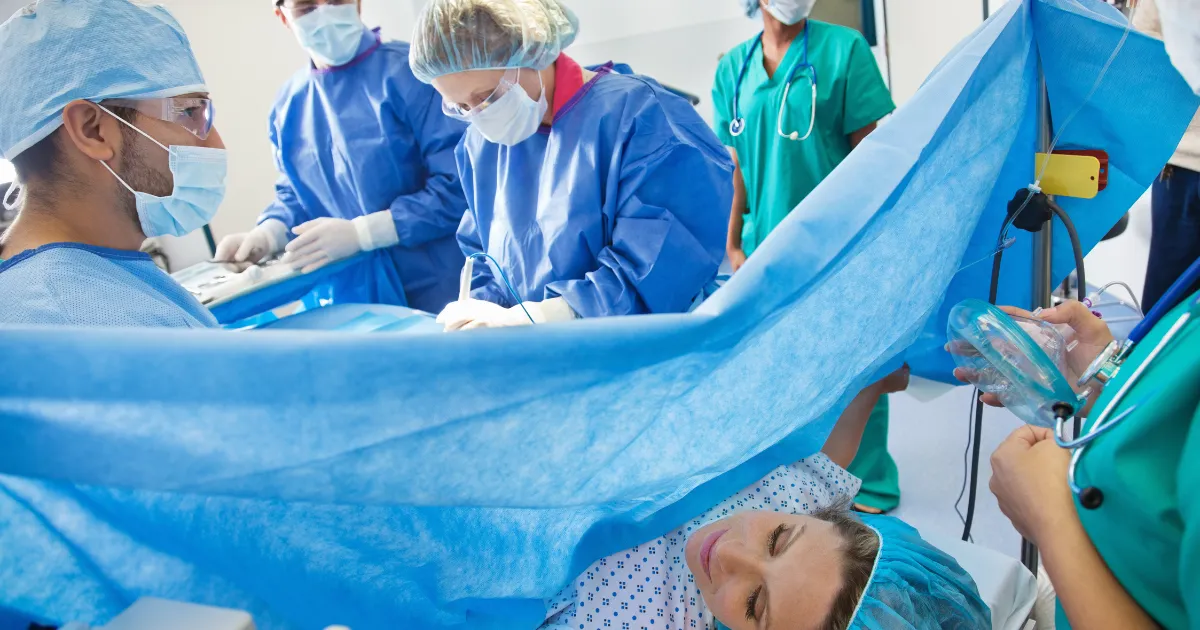
What Can You Eat After a C-Section?
Eating Nutritious Foods
Eat nutritious foods to support recovery and maintain your health. Recommended foods include fresh vegetables and fruit, particularly leafy greens such as Chinese cabbage, Chinese kale and water mimosa, and vitamin C-rich fruits such as oranges and papaya. Each day, aim for meals with a good amount of nutritional value, and drink enough plain water.
Nutritious foods help provide the energy mothers need. They contain vitamins, protein and fiber that support digestion and help the digestive tract work efficiently. Include more fresh vegetables and fruit in your daily meals.
Along with vegetables and fruit, choose other nutrient-rich foods, including protein sources such as chicken, beef and fish; foods with healthy fats such as sea fish, avocados, nuts and seeds; and high-fiber complex carbohydrates such as brown rice, corn and whole grains.
Recommended: What Foods Should You Avoid in Early Pregnancy?
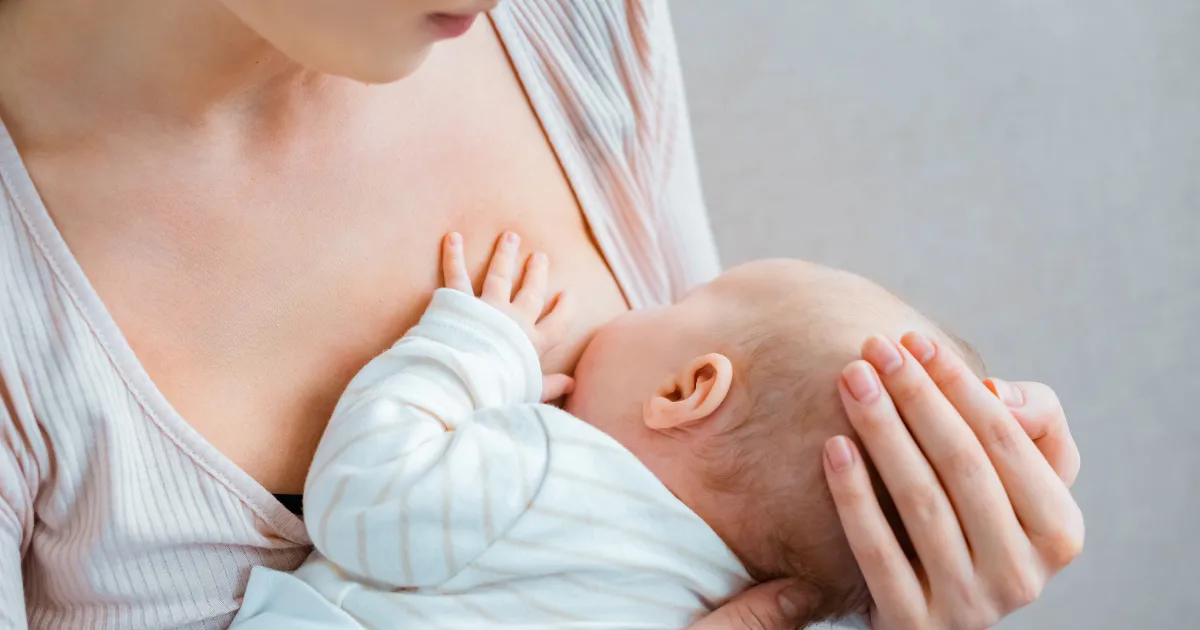
Eating Foods That Support Milk Production
Breastfeeding plays an important role in recovery and your baby's growth. Breast milk is a complete food and the most suitable source of energy and nutrients for your baby in the early days after birth. It contains protein, fat and carbohydrates. To help your baby receive enough energy and nutrients, eat a balanced, nutritious diet, focusing on protein sources such as meat, eggs, beans and fish, and foods containing beneficial fats such as eggs, tuna and egg yolks. Also eat high-quality carbohydrates such as oats, wheat flour and grains to help your baby receive sufficient energy and essential nutrients.
When breastfeeding, pay attention to milk hygiene. Learn proper feeding techniques and wash your hands thoroughly before breastfeeding or expressing milk to prevent contamination. Also look after your health to support an adequate milk supply with suitable nutrients. This includes drinking freshly prepared bael fruit drinks, eating nutrient-rich foods, keeping your breasts and body clean, and eating foods that help increase breast milk supply, such as beans, bael fruit, oranges and corn drinks.
Recommended: How to Pump Breast Milk Correctly: A Guide for New Mothers

Foods to Avoid
Avoid foods that may cause constipation, including low-fiber foods such as white rice, white bread, sweets, processed foods and greasy fried foods. Add more fiber through leafy greens such as Chinese cabbage, Chinese kale and water mimosa. Fish and chicken remain good protein sources and can be eaten as usual. Also avoid alcoholic drinks and limit coffee or other caffeinated drinks while breastfeeding. If you have an underlying medical condition or dietary restrictions, consult your doctor or a dietitian. (Read more: Foods to avoid after childbirth)
Foods to Eat Instead
- Brown rice or other unrefined rice
- Higher-fiber bread
- Lean fish
- Skinless chicken
Consider both your own health and your baby's health. Eating suitable foods helps support recovery after childbirth. Foods to avoid include those that may cause constipation and reduce digestive function. Eating enough fiber, including leafy greens such as Chinese cabbage, Chinese kale and water mimosa, together with drinking enough water, can make bowel movements easier and reduce straining that may cause pain around the surgical incision.
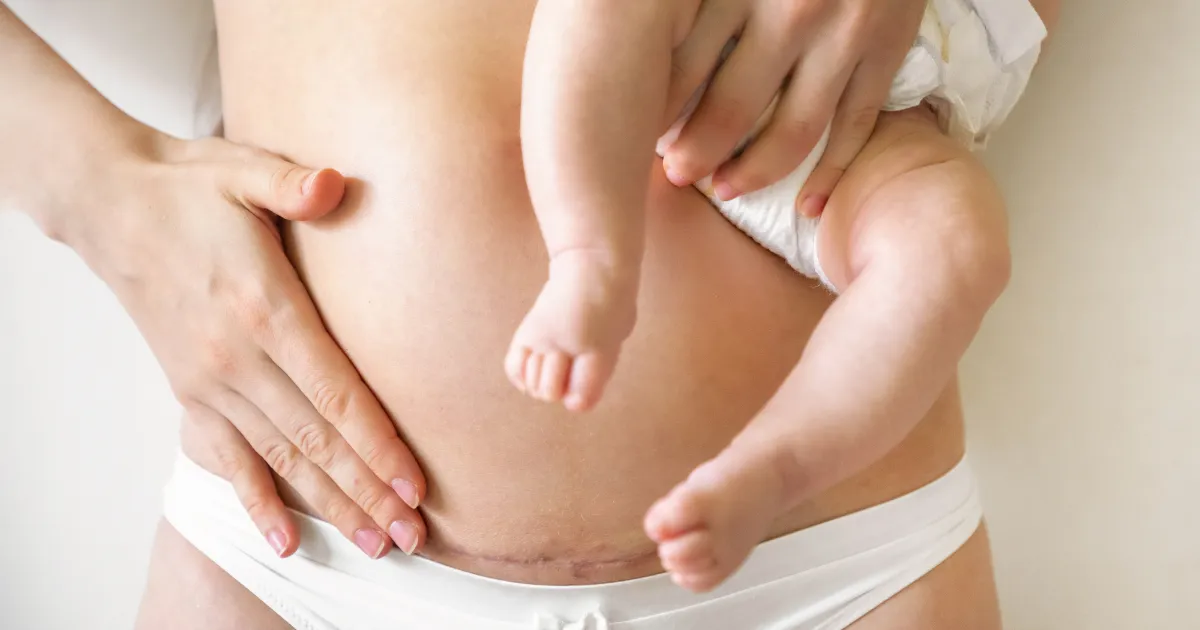
Suitable Drinks for Mothers
Looking after your health involves more than eating nutritious foods. Choosing suitable drinks also plays an important role in recovery and nourishing your body.
Plain water, in an amount that meets your body's needs, is a suitable drink. Drinking water is important for flushing toxins and residual substances from the body. You can also drink freshly prepared bael fruit drinks, which contain various nutrients and vitamins, including vitamin C, vitamin E and fiber. Corn drinks also provide energy and nutrients that benefit both mother and baby.
Looking after your health after a C-section therefore involves both eating nutritious foods and choosing suitable drinks to support recovery and help your body regain strength after childbirth.
Supporting Your Health After Childbirth
Prioritize your health by eating nutritious foods to support recovery and maintain good health. Your diet should include fresh vegetables and fruit, particularly leafy greens such as Chinese cabbage, Chinese kale and water mimosa, and vitamin C-rich fruits such as oranges and papaya.
Each day, eat meals with a good amount of nutritional value to provide enough energy and nutrients for recovery. Also drink enough plain water to help flush toxins associated with childbirth from your body.
Looking after your health after childbirth also includes good personal care. Get enough rest and keep your breasts and body clean. After a C-section, get up and walk gently as advised by your doctor and nurses to help your bowels start working again and reduce the risk of blood clots. Avoid heavy lifting, brisk walking, frequent stair climbing and strenuous exercise until your incision has healed and your doctor gives permission. This is generally assessed at the postpartum checkup around 6 weeks. When you are ready, gradually begin gentle postpartum exercises. Also choose sleeping and breastfeeding positions that do not put pressure on your incision, using pillows for support if needed.

Taking Supplements After Childbirth
Supplements may help your body recover. However, consult your doctor before taking them to make sure they are suitable and safe for you, and read the product label before use.
Supplements may provide additional energy and nutrients for recovery after a C-section, but choose safe, high-quality products carefully. Look for supplements with ingredients suitable for supporting the recovery of your body, including your nerves and muscles, and nutrients that help stimulate the body's cell repair processes.
Supplements may be useful for postpartum recovery, but consult your doctor before taking them and always read the product label before use.
Recommended: Prenatal Supplements: When Should You Take Them, and Are They Necessary?

Looking After Yourself After a C-Section
Prioritize personal care to support your health and sense of well-being. This includes keeping your breasts and body clean, eating nutritious foods, getting enough rest and allowing yourself to recover fully.
To keep your breasts clean, you can shower as usual and rinse them with clean water, or gently wipe away leaked milk with a cloth dampened with warm water. There is no need to scrub your nipples frequently with soap, as this may cause dry, cracked skin. Keep your surgical incision clean and dry according to your doctor's instructions.
| Postpartum Self-Care | Recommendations |
|---|---|
| Keep your breasts clean | Wash the breast area thoroughly with clean, warm water. |
| Eat nutritious foods | Eat a balanced, nutritious diet to support recovery. |
| Get enough rest | Get enough sleep and rest to help your body recover. |
| Allow yourself to recover fully | Enjoy activities you love, such as reading or watching films, to support your emotional recovery. |
Looking after yourself after childbirth is especially important because you need energy and good health to care for your baby and breastfeed for an appropriate length of time. Proper self-care can help you feel physically and emotionally well throughout this period.
When choosing foods after childbirth, focus on nutritious options that support your recovery. Eat a diet that provides a full range of nutrients, including protein, iron and vitamins, from foods such as fish, chicken, eggs, lean meat, beans and leafy greens. Also eat fresh vegetables and fruit, as they contain nutrients that help strengthen your immune system and support a full recovery.
Conclusion
Eating nutritious foods after childbirth is important for supporting recovery and helping you maintain the best possible health. Focus on fresh vegetables and fruit, bael fruit drinks and corn drinks, among other options, to provide a variety of nutrients and the energy you need.
Drinking enough plain water is also important for flushing toxins from your body and supporting your health after childbirth. Choosing foods rich in vitamins and fiber helps digestion and supports the digestive tract so your body receives beneficial nutrients.
Include papaya, oranges, Chinese cabbage, Chinese kale and water mimosa, which contain vitamins and minerals important for your body. Following these recommendations can help you recover fully and maintain good health after childbirth.
Recommended: How Can You Treat Stretch Marks After Childbirth? Will They Fade on Their Own?