






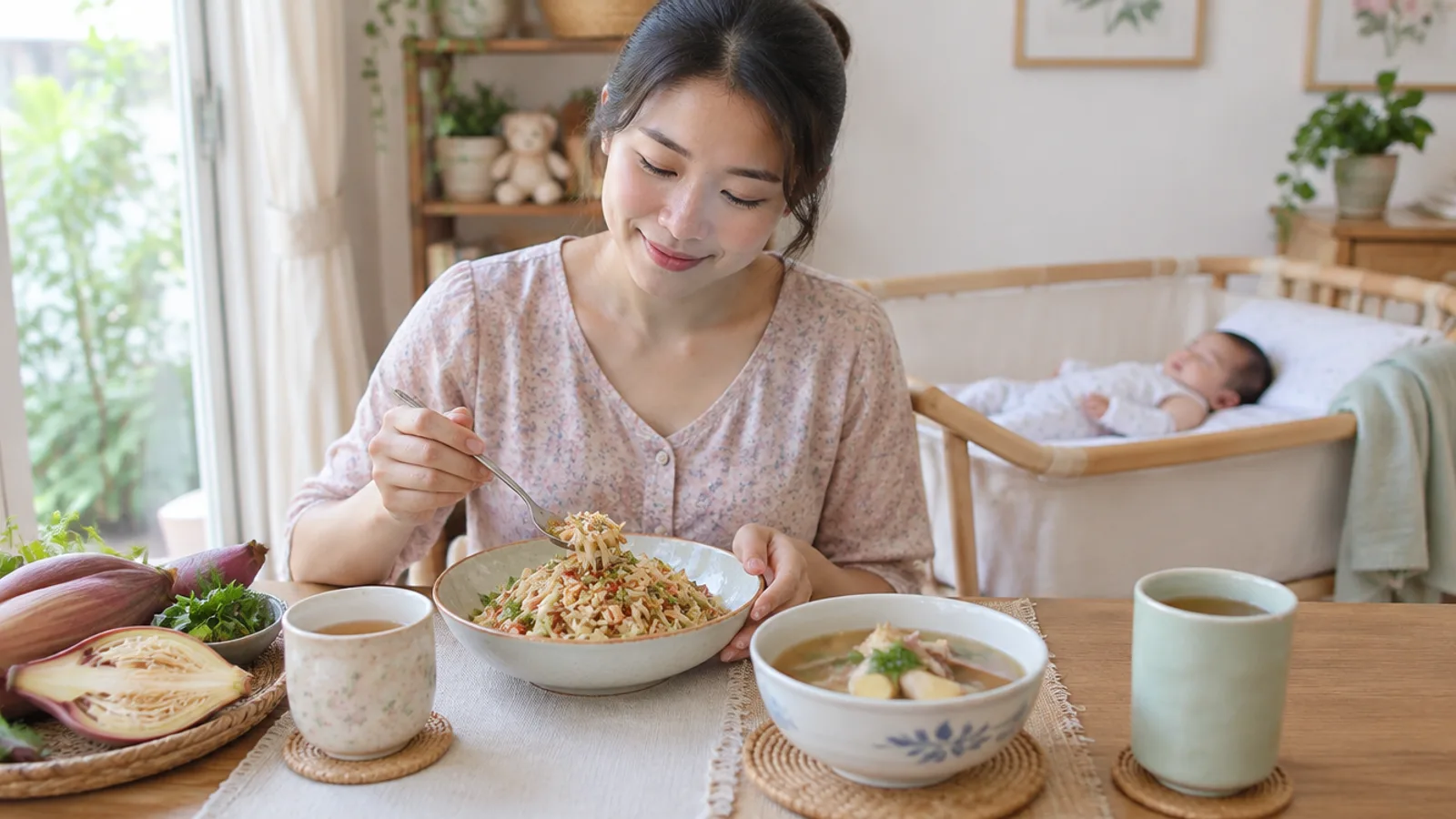
 This article introduces five traditional foods commonly eaten in Thailand to support breast milk supply after childbirth. They are nutritious and easy to use in everyday meals. However, their use is based on beliefs and traditional knowledge passed down through generations, and scientific evidence that they actually increase milk supply remains limited.
The most important factor in milk production is breastfeeding frequently whenever your baby wants to feed (around 8–12 times a day during the newborn period), with correct positioning and attachment. The more milk is removed, the more milk your body produces (NHS). For guidance, see How to Breastfeed Correctly. For mothers who need to be apart from their babies, pumping regularly with a breast pump can help maintain milk supply. If your supply is low or your baby is gaining weight slowly, consult a doctor or breastfeeding clinic.
5 Foods to Support Breast Milk Supply After Childbirth
1. Banana Blossom
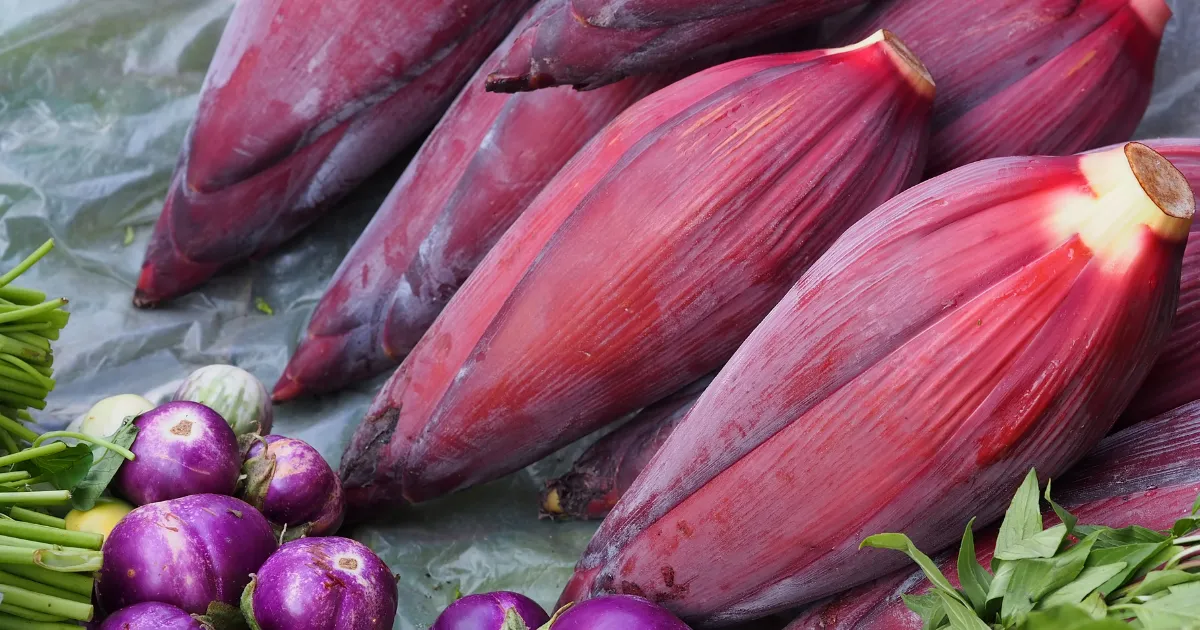 Banana blossom is used to help increase breast milk supply. It is highly nutritious and has properties that benefit both mothers and babies. Eating foods that support growth and good health for both mother and baby is especially important. The variety of dishes that include banana blossom also gives mothers more choices and enjoyable flavors. Whether used in Thai vegetable soup or banana blossom salad, this variety helps mothers add important nutrients to their diet while supporting breastfeeding and caring for their own and their baby's health, in ways that suit their circumstances and preferences.
What Can You Cook with Banana Blossom?
- Tom Yum Banana Blossom Soup
- Banana Blossom Salad with Fresh Shrimp
2. Ginger
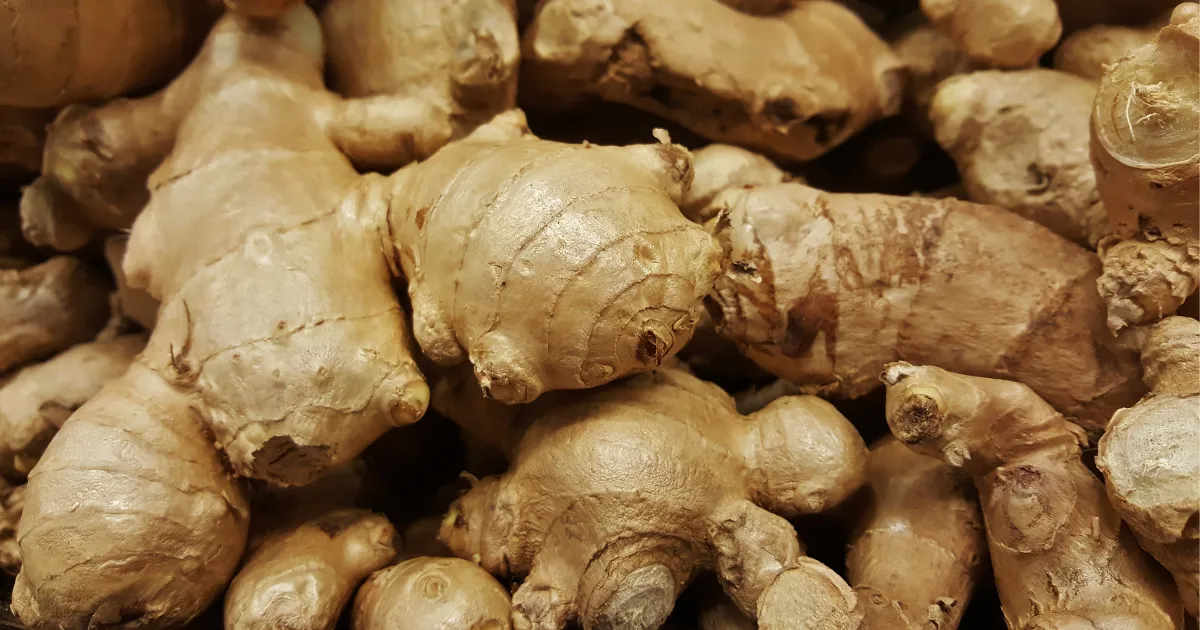 Ginger's properties and its use in foods intended to increase breast milk supply: ginger is an herb with valuable properties that can benefit health in several ways. Adding ginger to meals intended to support milk supply is a good way to increase warmth and blood circulation in the body, which may help milk flow more easily and improve its quality.
Besides ginger, certain vegetables that increase blood circulation may also affect milk secretion and quality. Meals containing ginger and these vegetables offer an interesting way to support efforts to increase milk supply and care for both mother and baby after childbirth.
What Can You Cook with Ginger?
- Stir-Fried Pork with Prik Khing Curry Paste
- Glutinous Rice Balls in Ginger Syrup
3. Holy Basil
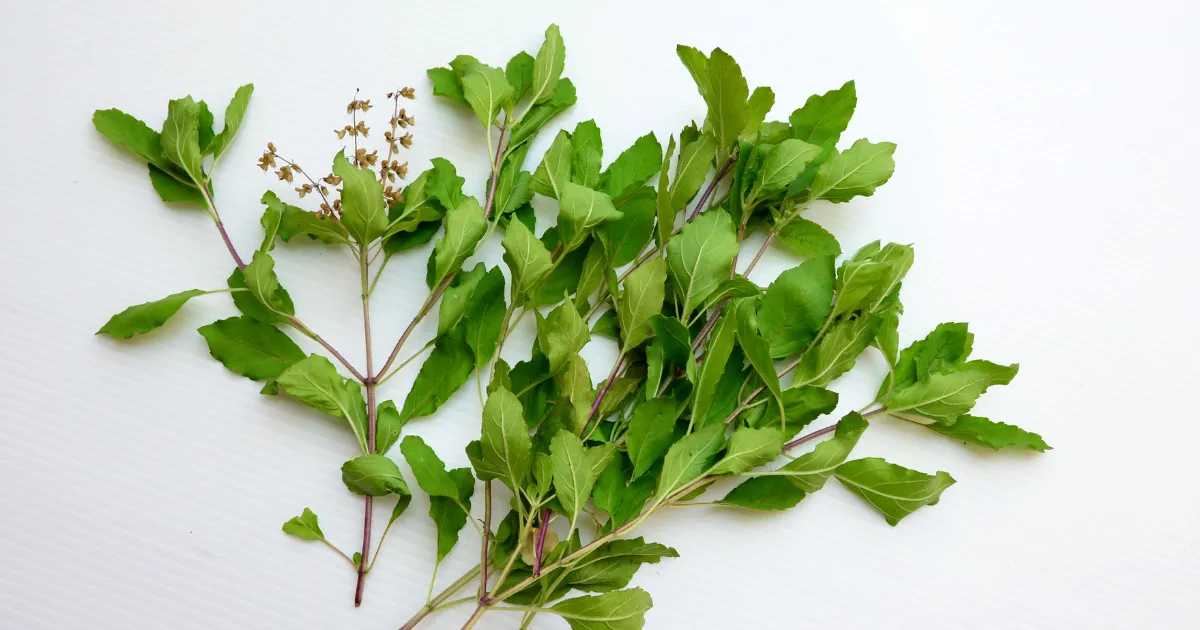 Holy basil has distinctive properties and nutrients that help support the health of mothers and babies after childbirth. For breastfeeding mothers, holy basil is high in iron, calcium, phosphorus and fiber, which are important for building and maintaining the body's various systems. Its warming flavor can nourish the fire element in traditional medicine and help stimulate blood circulation. It also has properties that help relieve gas, bloating, indigestion and colds. Including holy basil in a mother's diet is therefore a good option for supporting balance in both her body and her baby's after childbirth.
What Can You Cook with Holy Basil?
- Stir-Fried Minced Pork with Holy Basil
- Holy Basil Omelet
4. Pumpkin
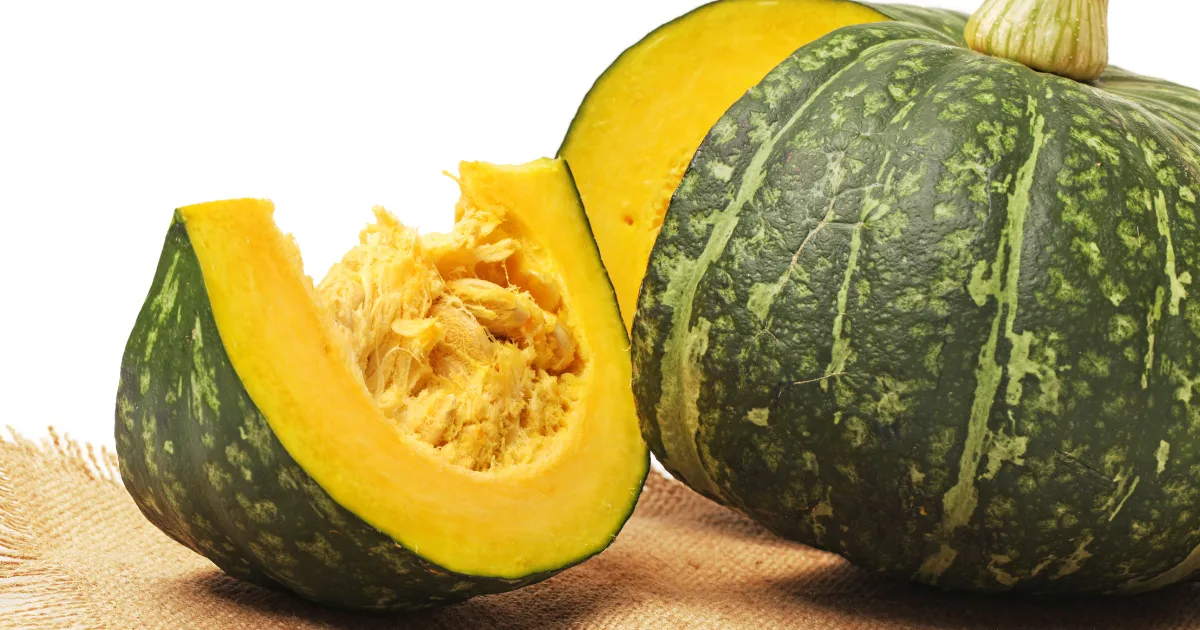 Pumpkin is highly nutritious and is commonly eaten by mothers after childbirth to help increase breast milk supply. According to traditional Thai beliefs, pumpkin has a warming quality that helps keep the body warm. Nutritionally, pumpkin contains fiber, vitamin A, which mothers need more of while breastfeeding, and phosphorus, an important nutrient for building bones and teeth. It also contains beta-carotene, which helps strengthen the immune system and systems involved in growth.
What Can You Cook with Pumpkin?
- Stir-Fried Pumpkin with Egg
- Pumpkin Curry
5. Garlic Chives
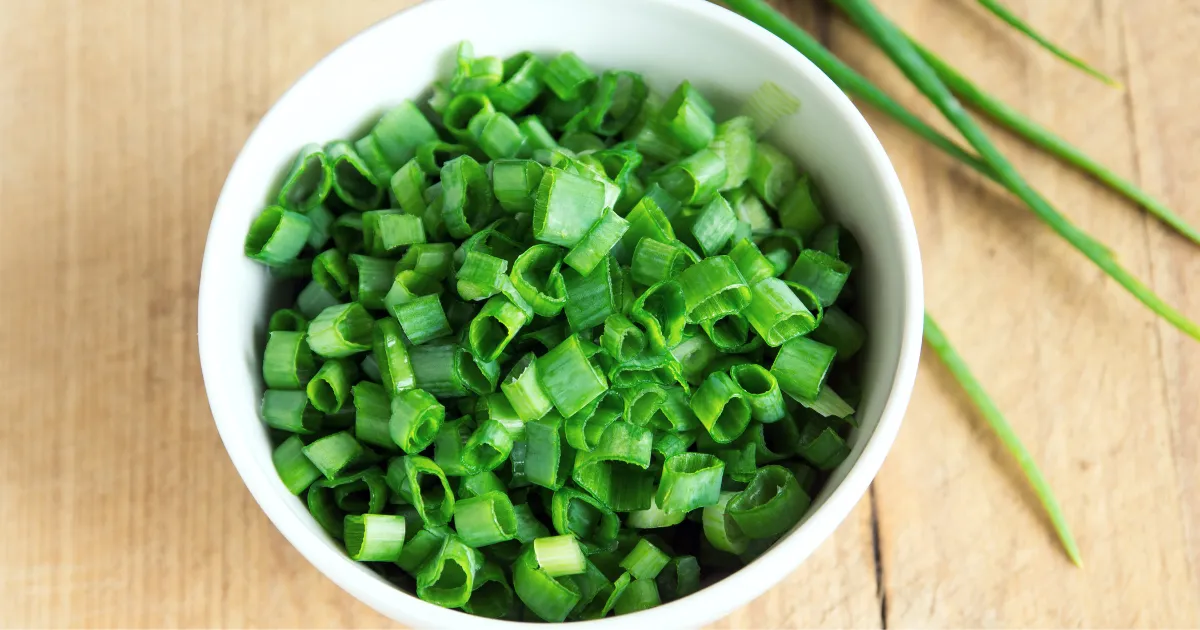 Garlic chives are highly nutritious vegetables packed with nutrients that benefit the body, particularly for mothers after childbirth. They contain minerals such as calcium, which helps maintain bones and teeth; phosphorus, which is important for building bones and strengthening the body; and iron, which helps increase red blood cell production.
Garlic chives also provide carbohydrates as a source of energy, along with vitamin A, which is important for vision and tissue repair; vitamin K, which plays a role in blood clotting; and vitamin C, which supports the immune system.
Eating green or white garlic chives is a good way for breastfeeding mothers to add vegetables and nutrients to their diet. They can be used in a variety of dishes to boost nutritional value.
What Can You Cook with Garlic Chives?
- Stir-Fried Garlic Chive Flowers with Liver
- Garlic Chive Dumplings
Supporting Breast Milk Supply
After childbirth, caring for both mother and baby is very important. Mothers need to pay attention to supporting milk production so they have enough milk for their babies. This section therefore discusses ways to support breast milk supply after childbirth. The key principle is to eat a varied diet covering all five food groups; there is no need to focus on any one particular food (NHS)Precautions: Strongly seasoned or very spicy foods, such as holy basil stir-fry with plenty of chilies, may cause stomach irritation or diarrhea for some mothers. Season food moderately. If you notice that your baby becomes fussy or develops a rash every time you eat a particular food, consult a doctor. Mothers with underlying health conditions or who take regular medication should consult a doctor before consuming large amounts of ginger or herbs. Read more: What Foods Should Breastfeeding Mothers Avoid?