







“If it hasn’t been in the hand and the body, it can’t be in the brain.” — Bev Bos, early childhood education specialist
Children are natural scientists and explorers. Of course, they also need an environment that encourages this.
Children are often curious and eager to touch things, pet animals or dip their hands into soil and sand to discover how they feel. These activities stimulate cognitive development and self-regulation, which are key to the positive development of emotional intelligence.
Children need opportunities to stimulate and learn about their senses. When children are very young, parents may be reluctant to let them play outside because of concerns about germs, so sensory exploration happens only at home. With that in mind, let’s explore how we can encourage children’s sensory development at home.
Giving young children opportunities for sensory exploration supports development in...
- Cognition
- Social skills
- Emotions
- Behavior
Young children want to see, hear, touch, smell and taste things. Activities and sensory development toys help little ones explore and learn about the world around them, sharpening their senses as they respond to these toys and activities.
Sensory play activities involve combining different materials that support children’s development. For example, fill a basket or bag with natural objects and other materials, such as large leaves, large seashells, fabric balls, wool, rubber or metal spoons. Let children reach into the bag and explore the different textures and materials, guessing what they are touching.
Caution: Sensory bag activities are suitable for children old enough to have stopped putting objects in their mouths. For babies and young children, choose only objects too large to fit in their mouths. Avoid small objects such as chestnuts, marbles, seeds or key rings, and have an adult stay beside them and supervise at all times, as small objects pose a choking risk (HealthyChildren.org).
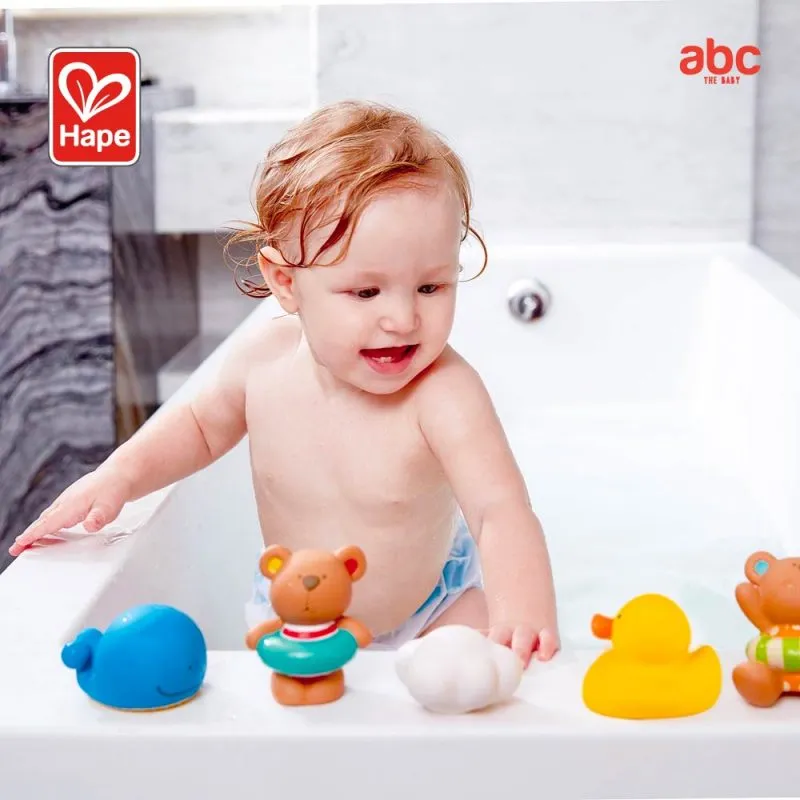
Toys make this a little easier, as some developmental toys are designed specifically to support the senses. For babies, Teddy and Friends Bath Squirts are waterproof silicone toys that float. At first, babies can look at and touch them during bath time. Once they can grasp objects, they can squeeze the toys themselves, making this one of their earliest sensory play experiences.
Caution: Bath squirts can trap water inside and develop mold. After every use, squeeze out all the water, wash them and leave them to air-dry. Replace them if you see black marks inside. Never leave your child alone in the bath, even for a moment (AAP). Browse baby bathtubs that make bathing your little one easier.
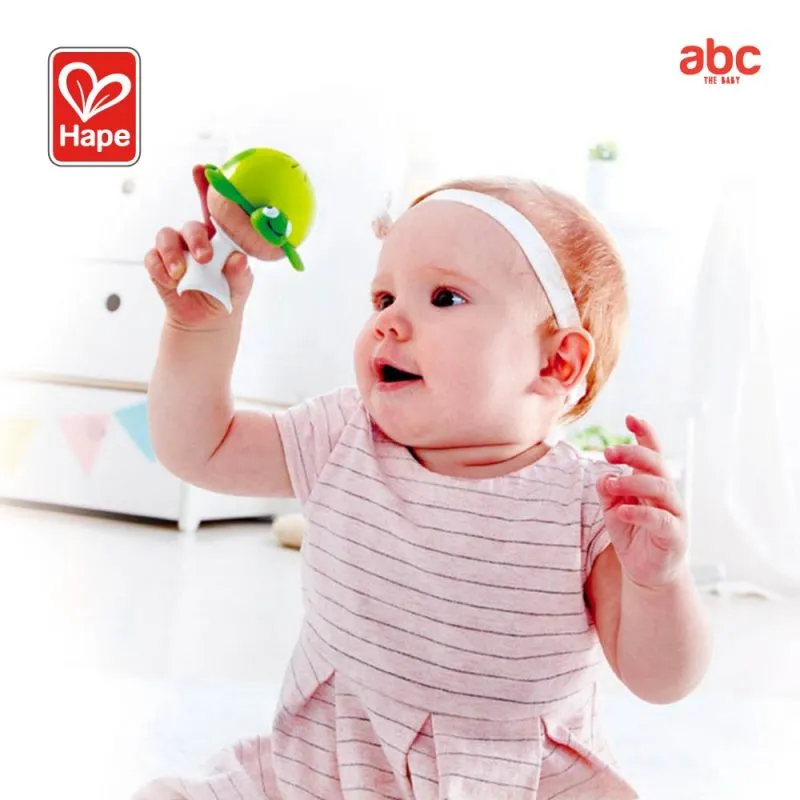
Stay-put Rattle Set includes 3 rattles that attach to a table. Start by shaking them for your baby to hear and follow with their eyes as the rattles move back and forth. Once your child can grasp them with their fingers, they can begin shaking the rattles themselves, taking their exploration of textures a step further.
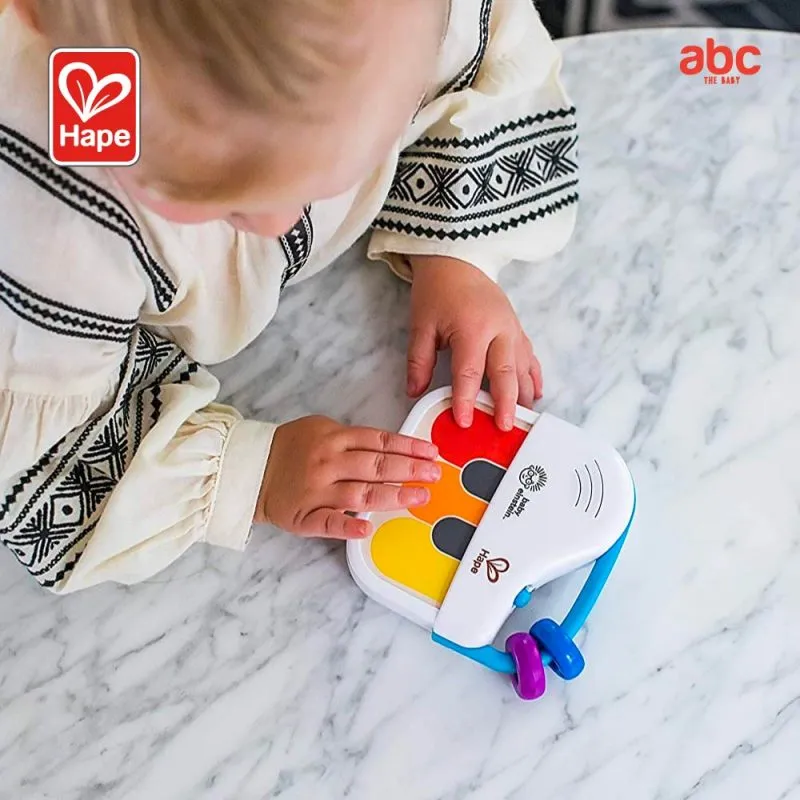
Let your little one lightly touch the keys of the Magic touch mini Piano and hear sounds without having to press down! Touching the brightly colored keys on the smoothly finished wooden surface helps develop fine motor skills. Children can also enjoy listening to the notes they play themselves. (Read more: Magic Touch Piano and Its International Awards)
If you are wondering whether tactile development is a process relevant only to babies, the answer is no. Older children can continue developing their sense of touch, but the focus shifts from recognizing textures to basic motor skills.
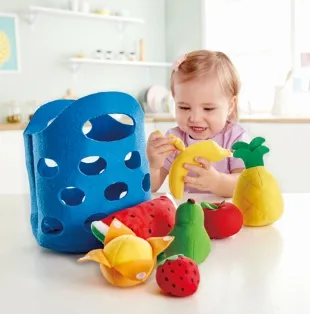
Fabric toys such as the Toddler Vegetable Basket may be an ideal choice. Children can play with a variety of soft fabric vegetables and explore a hard, smooth texture with a wooden knife that is easy for little fingers to hold. They can remove peas from their pod, peel cabbage leaves, and cut the carrot and eggplant in half.
We also have other pretend food toys that fit this theme, such as the soft Toddler Fruit Basket. It includes removable stems and a piece of fruit, all of which can be cut with a realistic play knife.
There are many sensory toys and activities that can support your child’s development. Simply choose one to get started, then vary their play as they grow so they can keep learning and developing at an age-appropriate pace. Explore age-based options in newborn toys and toys for 6-month-old babies.
If you are looking for an excellent developmental toy, Hape toys are a good choice, with a wide selection of wooden toys that support children’s development at every age.
Thoughtfully designed around how children learn, they help children practice important skills such as looking, listening, observing, fine motor control, problem-solving, imagination and creativity. They also support integrated academic learning through STEAM.
Their sturdy designs and durable materials focus on supporting children’s development while making safety a priority, with non-toxic colors and FSC-certified wood. Their strength and durability give them a long useful life and make them environmentally friendly.
Hape is therefore a global wooden toy brand that prioritizes toy safety standards and environmentally conscious manufacturing processes.
It is easy to see how Hape wooden toys can enrich these activities and help keep little ones away from screens.
What matters most is sharing happy moments as a family, because wherever there is love, there is a complete home! What activities do you and your child enjoy together? 😁
Hape Thailand
Love Play Learn
🌐: Browse all products /hape-brand-page
Follow the latest news and special offers FB : Hape Thailand