







Giving birth is an important event in a woman's life, and certain signs indicate that labor is approaching. Recognizing and monitoring these symptoms helps mothers and their families prepare effectively for the birth.
There are usually several signs to look out for. Knowing how to recognize them correctly will help you feel fully prepared for labor.
Signs That Labor Is Approaching
1. Labor Contractions

Labor contractions are an important sign that birth is approaching. They occur most commonly at 37-42 weeks of pregnancy. True labor contractions come regularly and gradually become more frequent, longer, and stronger. They do not stop when you change position or rest. The pain often starts in the lower back and spreads toward the front of the abdomen, unlike practice contractions, which are irregular and go away with rest. Symptoms can vary from person to person. If you are unsure, call the hospital where you receive antenatal care for advice (ACOG).
2. Changes in Bowel Habits
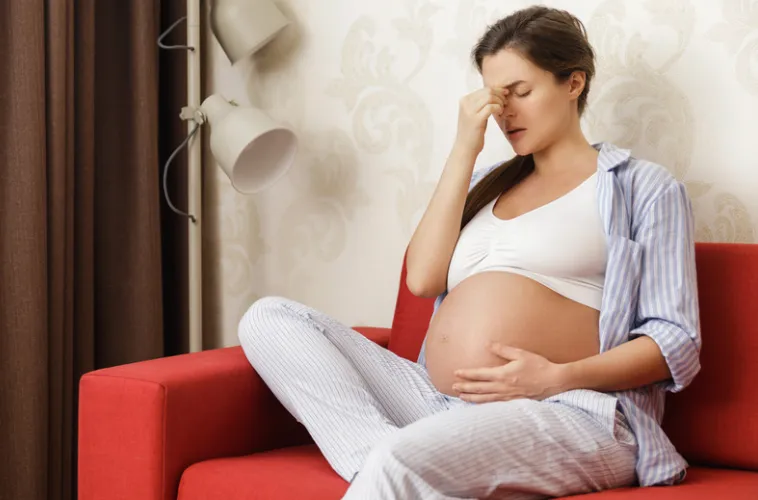
Changes in bowel habits are another sign that labor may be approaching and are often mentioned in discussions of pregnancy and childbirth. Several symptoms may suggest that birth is getting closer, including:
An unsettled stomach: You may feel as though you have diarrhea or experience abdominal cramps and a more frequent urge to pass stool.
More frequent bowel movements: You may pass stool more often or have diarrhea.
Blood-streaked mucus: Sticky pink mucus or mucus containing a small amount of blood may come out of the vagina as the cervical mucus plug comes away. If bleeding is heavy, similar to a period, go to the hospital immediately.
Backache or a heavy, aching sensation: You may have lower back pain or a heavy ache in the lower abdomen, similar to period pain.
Depressive symptoms: You may feel sad or low during the final weeks of pregnancy.
Appetite: You may experience food cravings or vomiting.
Changes in bowel habits and the other symptoms mentioned are common during the final weeks of pregnancy. However, these symptoms may also occur before labor begins.
3. Abdominal Tightening (Uterine Contractions)

Abdominal tightening occurs when the uterus contracts. If you touch your abdomen, you will feel the whole bump become firm and tight, then relax. This is not caused by inflammation of the uterus. During the final trimester, practice contractions (Braxton Hicks) are common. They are irregular, usually not very painful, and go away when you rest or change position.
As true labor approaches, uterine contractions become regular, more frequent, and increasingly painful—for example, every 5 minutes or more often. Time your contractions and contact the hospital according to your doctor's instructions.
If you have regular abdominal tightening before 37 weeks of pregnancy, it may be a sign of preterm labor. Go to the hospital immediately. Read more: Is Abdominal Tightening During Pregnancy Dangerous?
4. Your Bump Drops and Breathing Becomes Easier

In the weeks before birth, the baby's head often moves lower into the pelvis, making your bump look lower. You may find it easier to breathe and feel less abdominal pressure, but you may need to urinate more often and feel heaviness in your pelvis. In a first pregnancy, this can happen several weeks before birth. In subsequent pregnancies, it may happen closer to the day of delivery.
Severe breathlessness, chest tightness, or feeling unable to get enough air are not normal signs of approaching labor. Seek medical attention immediately.
5. Monitor Your Baby's Movements Until Birth
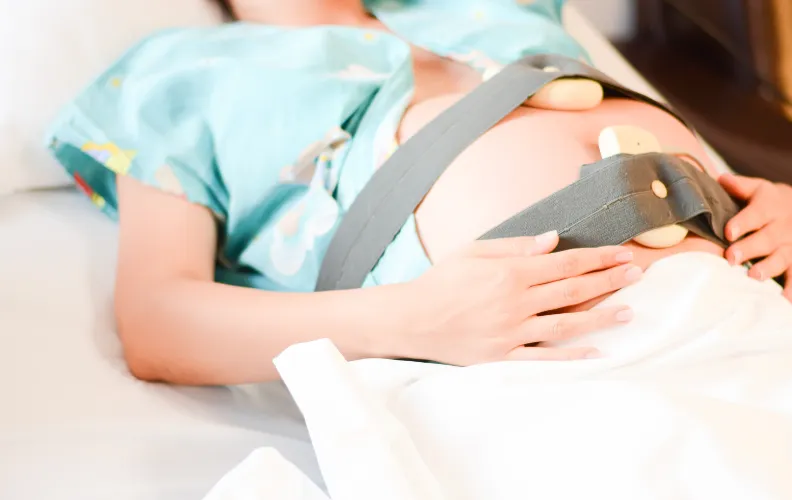
As birth approaches, your baby may shift and turn downward into the pelvis. Their movements may change from strong kicks to twisting or shifting as space in the uterus becomes more limited. However, your baby should not move less, and increased movement is not a reliable sign that labor is about to begin.
Important: If you feel that your baby is moving less, moving more slowly, or their usual pattern of movement has changed, do not wait until the next day. Contact the hospital or see a doctor immediately (NHS).
Signs That Require an Immediate Hospital Visit
- Your waters break, with a gush or trickle of clear fluid from the vagina, even if you have no contractions.
- Heavy vaginal bleeding or fresh blood.
- Your baby moves less or stops moving.
- Regular contractions before 37 weeks of pregnancy.
- Constant severe abdominal pain, a severe headache, blurred vision, marked swelling of the face or hands, or a fever.
If symptoms are severe or there is an emergency, call 1669 or go to the nearest hospital (NHS).
Risk of Preterm Birth
Preterm birth means giving birth before completing 37 weeks of pregnancy, or approximately 259 days, counted from the first day of the last menstrual period.
Several factors may contribute to the risk of preterm birth, including:
A history of preterm birth: If you gave birth prematurely in a previous pregnancy, you have a higher chance of it happening again in this pregnancy.
Underlying health problems: Mothers with conditions such as diabetes, high blood pressure, or immune system disorders may have a higher risk of preterm birth.
Pregnancy-related factors: These include twins or multiples, urinary tract or vaginal infections, a short cervix, or smoking during pregnancy. Some pregnancy complications can also increase the risk.
Environmental factors: Unfavorable environmental conditions, such as air pollution or extreme heat, may contribute to preterm birth.
Take care and monitor your health closely during pregnancy to help reduce the risk of preterm birth. If you have concerns or unusual symptoms during pregnancy, contact your doctor promptly for further advice and guidance.
Looking After Yourself as Labor Approaches
Here are ways to look after yourself as labor approaches:
- Avoid strenuous activities, heavy lifting, and activities that carry a risk of falling.
- Do gentle exercise, such as walking, as approved by your doctor.
- Get enough rest. Sit or lie on your side in a comfortable position to ease physical strain.
- Maintain personal hygiene and do not douche, to help prevent infection.
- Eat nutritious foods. Include all 5 food groups, drink enough water, and avoid undercooked food.
- Sleeping on your side with a pregnancy pillow supporting your bump and back can reduce backache and help you sleep more comfortably.
- Write down the phone number of the hospital where you receive antenatal care and plan your journey there in advance.
- You should prepare the essentials for giving birth and remember necessary documents, such as your ID card and health insurance card. Bring your mobile phone so you can contact relatives, professionals, and healthcare facilities immediately.
FAQs
If your symptoms match or resemble signs that labor is approaching, you may have questions about the birth process. We have gathered common questions from women preparing for childbirth to help you feel more confident about getting ready.
What Will Labor and Birth Be Like?Labor and birth vary from woman to woman, and every birth has its own characteristics. In general, the process is divided into three main stages:
Stage 1, Cervical Dilation: The uterus contracts rhythmically to thin the cervix and open it to approximately 10 centimeters. This is the longest stage, especially in a first pregnancy.
Stage 2, Pushing and Birth (Expulsion): Once the cervix is fully open, you push with the uterine contractions to help the baby move through the birth canal and be born.
Stage 3, Delivery of the Placenta (Placental Delivery): After the baby is born, the uterus continues contracting to expel the placenta and membranes. The uterus then gradually contracts back to its original size (NHS).
Some women may need a cesarean birth for medical reasons. Read more: Vaginal Birth or Cesarean: How Should You Choose?
Because every labor and birth is different, it is important to learn about childbirth, prepare appropriately, and follow your doctor's guidance.
What Should I Do If I Experience Severe Pain During Labor?If you experience severe pain during labor, tell your doctor or birth attendant immediately. The medical and nursing team will assess your symptoms and advise you on breathing, changing position, and pain relief methods, including medication or spinal pain relief as appropriate.
What Do Practice Contractions Feel Like?Contractions can be a sign that labor may begin soon. Abdominal pain may come on suddenly or be continuous. It may also occur alongside other symptoms, such as backache or pain around the belly button.