






What Are Complications?
In medicine, "complications" are problems or abnormalities that arise during pregnancy or childbirth. They can occur while you are pregnant or during delivery and may affect the health of both mother and baby. In some cases, they can be dangerous for both.


1. Ectopic Pregnancy
An ectopic pregnancy occurs when a fertilized egg implants outside the uterine cavity, most commonly in a fallopian tube. This pregnancy cannot continue to develop into a baby and poses a direct danger to the mother. As the embryo grows, it may cause the fallopian tube to rupture, leading to potentially fatal bleeding inside the abdomen. Warning signs include one-sided lower abdominal pain, vaginal bleeding, shoulder-tip pain, dizziness, or fainting. If you experience these symptoms in early pregnancy, go to the hospital immediately. (Source: NHS)
2. Postpartum Hemorrhage
Postpartum hemorrhage is abnormally heavy bleeding after childbirth and is a major cause of maternal death worldwide. Most cases occur within the first 24 hours after birth, but it can also develop several weeks later. The most common cause is the uterus failing to contract properly after delivery. Other causes include tears in the vagina or cervix, a retained placenta or placental fragments in the uterus, and blood-clotting disorders. After returning home, go to the hospital immediately if bleeding soaks a sanitary pad within 1 hour, you pass large blood clots, or you experience palpitations or dizziness. Read more about postpartum conditions mothers should know about.
3. High Blood Pressure
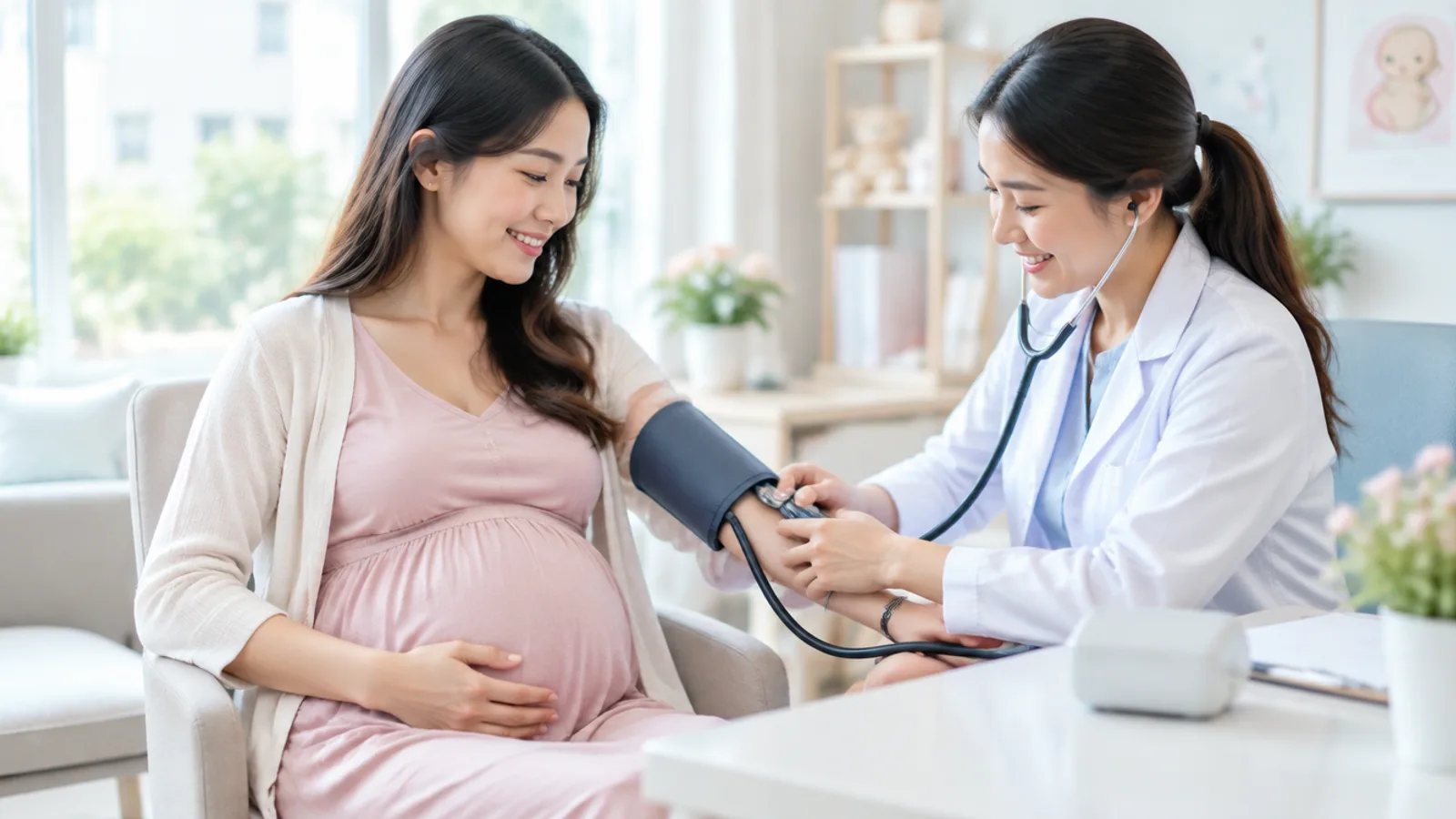
High blood pressure (hypertension) during pregnancy can affect the health of both mother and unborn baby. Without appropriate treatment, it can increase the risk of pregnancy complications such as preeclampsia or premature birth. Seek medical attention promptly if you have a severe headache, blurred vision, pain or tightness in the upper abdomen just below the breastbone, or sudden swelling of the face and hands.4. Diabetes
Gestational diabetes means having high blood sugar that develops during pregnancy. This can happen because hormones produced during pregnancy change how insulin works. Insulin is the hormone that regulates the uptake of sugar into cells.
5. Hyperthyroidism
The thyroid is an endocrine gland in the neck that produces thyroid hormones. These hormones regulate the body's metabolism and are important for a baby's brain development. Hyperthyroidism occurs when the thyroid gland produces too much hormone. A common cause during pregnancy is Graves' disease. Symptoms include palpitations, a fast heartbeat, heat intolerance, excessive sweating, trembling hands, failure to gain weight or weight loss, and severe vomiting. Without treatment, it may increase the risk of preeclampsia, miscarriage, premature birth, and low birth weight. If you have symptoms or a history of thyroid disease, tell your doctor so they can arrange blood tests and prescribe medication suitable for pregnancy. Do not stop taking or adjust your medication yourself. (Source: NIDDK)
6. Urinary Tract Infections
Urinary tract infections (UTIs) are common during pregnancy because pregnancy causes hormonal and muscular changes in the urinary system. These may alter conditions in the urinary tract and increase the risk of infection. Ways to prevent UTIs during pregnancy include drinking plenty of water to encourage regular urination, avoiding holding in urine, urinating after sex, and wiping from front to back every time you use the toilet. If you experience burning or pain when urinating, unusually frequent urination, lower back pain around the waist, or a fever, see a doctor. An infection that spreads to the kidneys may lead to premature birth. Do not buy antibiotics to take on your own.
7. Placenta Previa
The placenta normally attaches to the upper part or side of the uterine wall. Placenta previa occurs when it attaches lower down, close to or covering the cervix. As the lower part of the uterus stretches during the second and third trimesters, part of the placenta may separate and cause bleeding. The main warning sign is vaginal bleeding without abdominal pain. Bleeding may be heavy enough to endanger both mother and baby. If you have any vaginal bleeding during pregnancy, whether light or heavy, go to the hospital immediately. This condition is often detected by ultrasound during antenatal care. Your doctor will plan a safe delivery, and many cases require a cesarean section. (Read more from ACOG)
Preventing Complications

Preventing complications during pregnancy and childbirth is an important part of caring for both mother and baby. Here are some steps that can help prevent complications.
Regular antenatal checkups: Having a medical team monitor the health of mother and baby during pregnancy helps detect developing complications early.
Looking after your health: Eating nutritious food, exercising appropriately, avoiding smoking, alcohol, and illicit drugs, and reducing stress (see stress-relieving activities during pregnancy) can help reduce the risk.
Managing your weight: Maintaining an appropriate weight during pregnancy can reduce the risk of complications such as pregnancy-induced hypertension (PIH), preeclampsia, and gestational diabetes (see meal ideas for managing weight during pregnancy).
Oral health checkups: Keeping your mouth and teeth healthy can reduce the risk of oral infections that may affect pregnancy.
Preventing infections: Looking after your health, washing your hands, and taking steps to prevent infections can help reduce the risk of infections that may affect pregnancy.
We hope this article is helpful for parents planning to have a baby. Although pregnancy carries risks, there are steps you can take to prevent complications. Have a health check before becoming pregnant and consult your doctor throughout pregnancy to help your baby arrive safely. You can find more pregnancy tips here.