







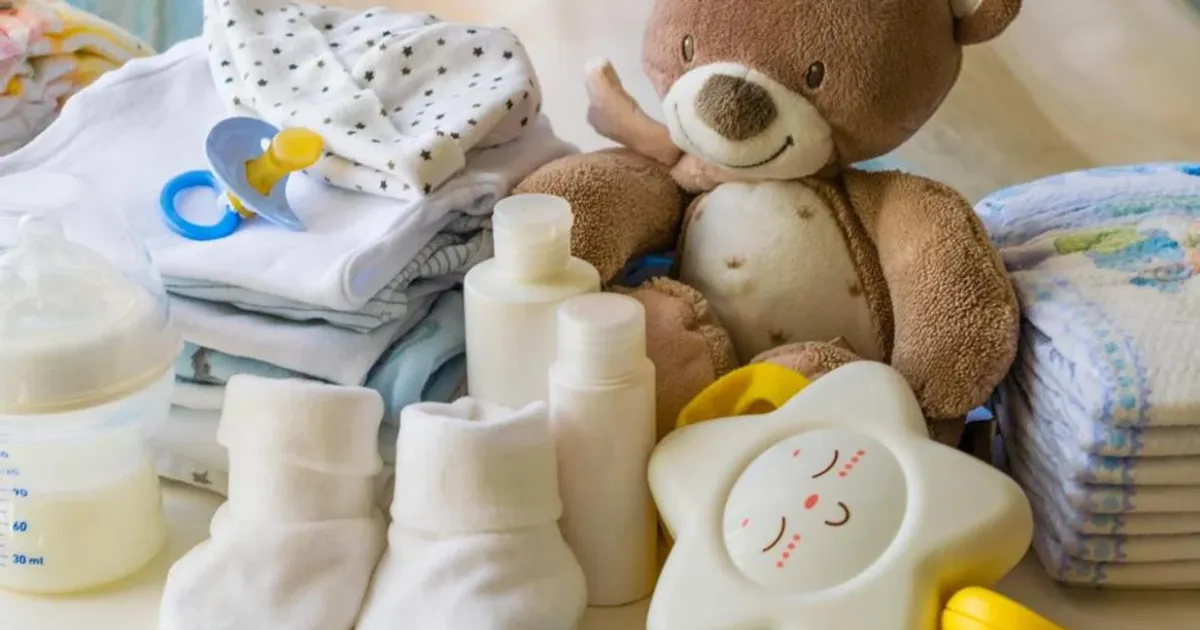
 This article covers 10 essential items to prepare before giving birth, helping both mum and baby get ready. These include supplies for both of you, such as comfortable clothes, sanitary pads, breast pads and the equipment needed to care for your baby after birth. Read on to get ready for your big day.
Build your own birth preparation kit: See the20-item birth preparation checklist, which separates essentials from nice-to-haves. Choose car seats, strollers, cribs, bottles and baby baths, skip categories you already have, and add the whole set to your basket in one go.
Essential Supplies to Prepare Before Birth
1. Important Documents
- National ID card: Used for registration and identity verification at the hospital or birth centre.
- Birth plan: If you have prepared a birth plan, bring it on the day of delivery so your care team knows your preferences.
- Health insurance card: If you have a health insurance card, bring it for hospital registration.
- Antenatal records and medical history: Bring any documents recording your antenatal check-ups and medical history.
- Names and phone numbers of emergency contacts: These allow the hospital or birth centre to contact your family in an emergency.
- Antenatal and blood test results: If you have had antenatal tests or blood tests, bring the results so your doctor can review them and assess your health.
2. Newborn Clothes
Newborn clothes are an important part of preparing for birth because a newborn's bones and muscles are delicate. Unsuitable clothing may make it easier for their body to develop sores, so choosing appropriate clothes for your little one deserves careful consideration. Choose materials that are gentle on your baby's skin, breathable and moisture-absorbent to help avoid rashes and itching. Clothes should also be easy to put on and take off, making nappy changes after bowel movements more convenient.What to Look For
| Type of Clothing | Recommendation |
|---|---|
| Clothes made from 100% cotton | Breathable, moisture-absorbent and gentle on your baby's skin. |
| Clothes with buttons or elastic | Easy to put on and take off. |
3. Towels or Cloth Nappies for Newborns
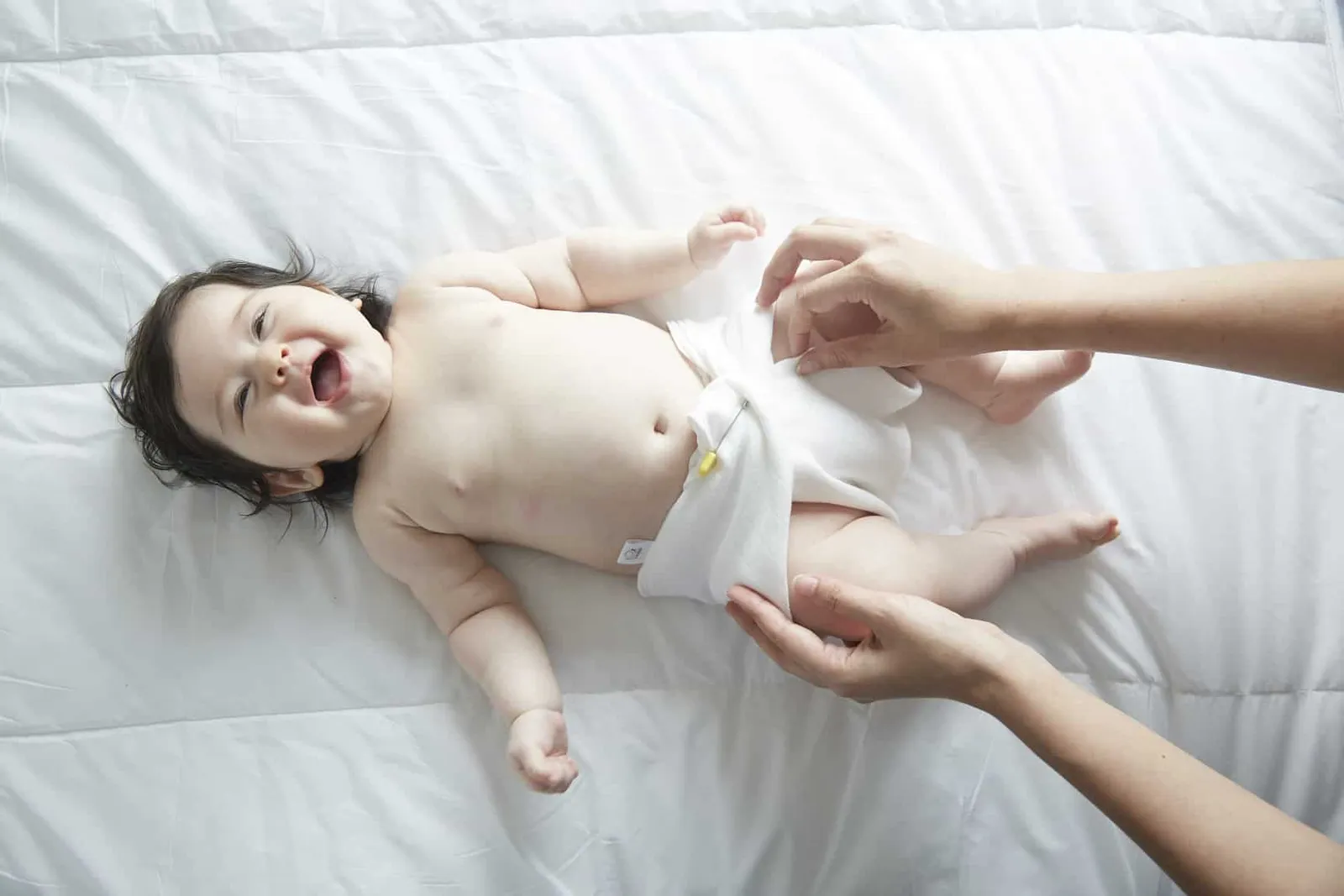
Towels or cloth nappies are important for caring for and cleaning a newborn's body. In the early days after birth, babies have delicate skin and bodies that need special care to prevent infections and allergic reactions. Towels and cloth nappies are usually made from skin-friendly materials. After use, wash newborn towels with a dedicated laundry detergent, and avoid using unclean cloths.4. Baby Body Lotion or Oil
For newborns and young babies, choose a gentle body lotion or oil suitable for sensitive, delicate skin. To protect your baby's skin, also choose products without ingredients or chemicals that could trigger allergies or reactions in sensitive skin.
5. A Swaddle
A swaddle wraps around your baby to help them feel comfortable, secure and warm, as though they were in the womb. When choosing a swaddle, prioritise soft, breathable materials. Check that it has no hard parts that could obstruct your baby's breathing, and take care to swaddle your baby properly.Precautions: Do not swaddle tightly around the hips or chest, and allow your baby's legs to bend and move. Always place your baby on their back when swaddled, and stop swaddling when they begin trying to roll over. Your baby's sleep surface should be firm and flat, without pillows, blankets, soft toys or cot bumpers, as recommended by the American Academy of Pediatrics (AAP). Read more aboutpreparing a newborn's bedroom.
6. Baby Wipes and Cotton Wool
- Cleaning your baby's bottom: After changing a nappy, use cotton wool moistened with clean, warm water or gentle baby wipes free from fragrance and alcohol. Wipe from front to back, then pat dry.
- Cleaning your breasts: There is no need to wipe your breasts before or after every feed. Normal bathing is enough. Avoid using soap or fragranced wipes on your nipples, as these may cause dry, cracked skin.
- Cleaning the outer ears: Use cotton wool or a cloth moistened with warm water to wipe only the outer ears and behind them. Never insert cotton buds into your baby's ear canals.
- Cleaning the eyes: Use cotton wool moistened with clean water that has been boiled and left to cool. Wipe from the inner corner to the outer corner, using a fresh piece for each eye. Do not use baby wipes on your baby's eyes.
7. An Infant Seat Car Seat for Newborns
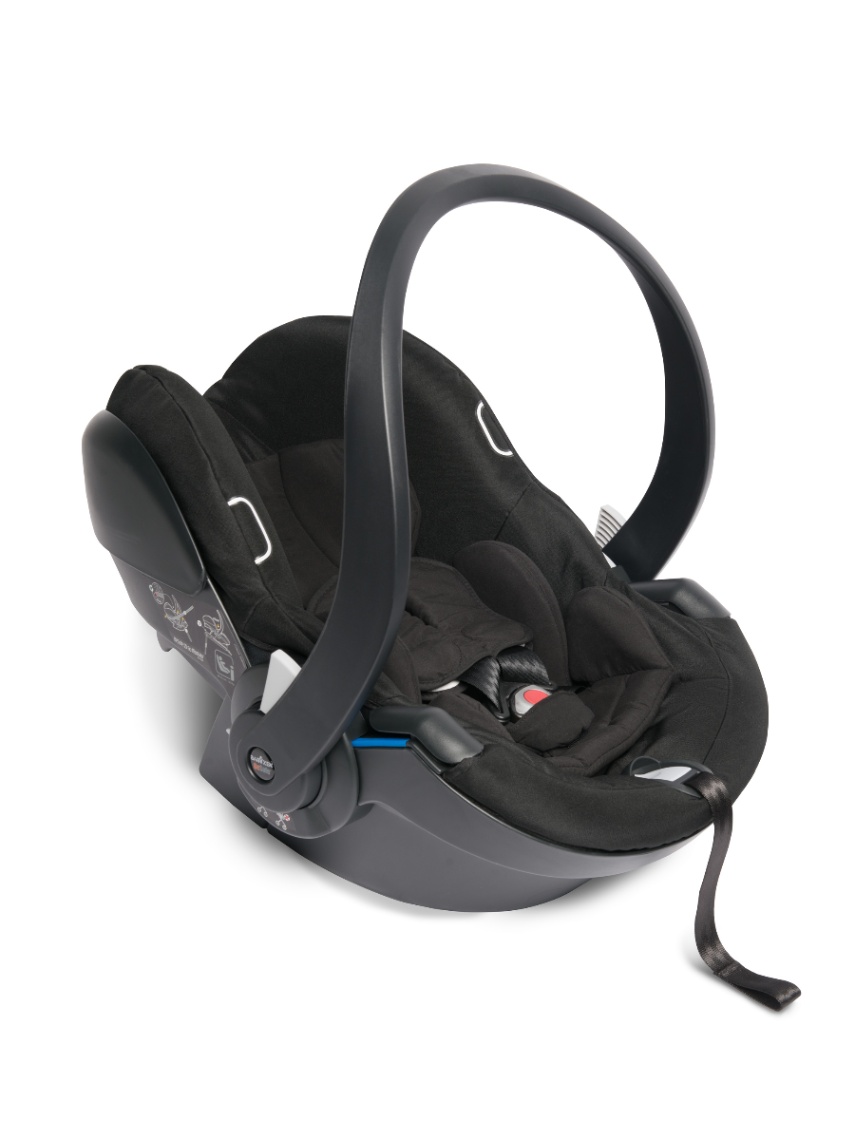
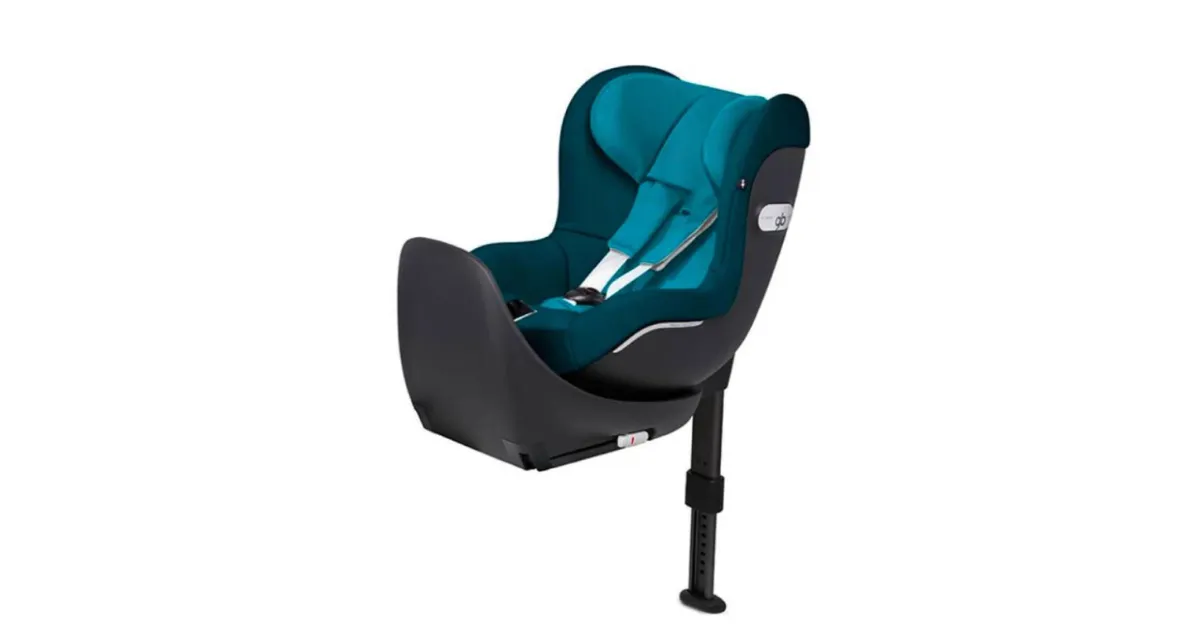
An Infant Seat, also called a Baby Car Seat, is designed to secure newborns and babies from birth until around 1 year of age or up to 13 kg. It provides a comfortable and safe place for a baby during car journeys. Follow the instructions when using an Infant Car Seat to ensure your baby's safety and comfort.Precautions: Install your newborn's car seat rear-facing in the back seat, and keep your child rear-facing for as long as their size and weight remain within the seat's limits. Never install a rear-facing car seat in a front passenger seat with an airbag. Learnhow to install a car seat correctly and browsecar seats at our store.
Recommended car seats that meet safety standards:Car Seats for Newborns8. Maternity Pads or Thick Sanitary Pads
Maternity pads or thick sanitary pads provide convenience and comfort while resting after birth. They are generally designed to fit a mother's body and are often made from soft, breathable materials to keep her comfortable without feeling too hot during the postpartum period. After birth, mothers have lochia, or postpartum discharge, for several weeks. Change pads frequently, every 3–4 hours or whenever soaked, and wash your hands before and after each change to reduce the risk of infection. If the discharge has an unusually unpleasant smell, you have a fever, or bleeding is heavy, seek medical attention promptly. When using maternity pads, follow your doctor's or relevant healthcare professional's advice on how to use them and care for yourself. Above all, prioritise postpartum hygiene so you can recover and rest comfortably, with peace of mind, and give your baby attentive care.9. Personal Items
Personal items are essential to prepare before birth to help new mums care for themselves and make daily life more convenient and safe. These include:- Cotton nightwear or maternity clothes
- Cotton underwear or underwear suitable for holding sanitary pads
- Cotton clothing or fabric suitable for use with sanitary pads
- Socks to wear in hospital
- A bath towel or hand towel
- Soap and shampoo for washing your face and hair
- A toothbrush and toothpaste
- Hair ties
10. Things to Help You Relax or Pass the Time
Preparing things to help you relax and pass the time before birth is important, as pregnancy and childbirth can feel urgent and increasingly stressful. Having these items ready can help you feel more at ease and lift your mood. Examples include a mobile phone to pass the time or take pictures of your baby, and books to read for pleasure.FAQs
Does a newborn need a pillow? No. Babies under 1 year should not have pillows, blankets, soft toys or cot bumpers in their sleep space because these increase the risk of suffocation and sudden infant death syndrome (SIDS). Place your baby on their back on a firm, flat mattress in their own cot or crib, following AAP and NHS recommendations. What should mums prepare before giving birth? Pack a hospital bag and prepare supplies for delivery, such as towels. Also prepare items your baby will use after birth, including clothes, nappies and bathing supplies. Check with the hospital about any additional items you may need if complications arise. What equipment is needed to bathe a baby?- A baby bath (see examples ofbaby baths). Stay with your baby throughout bath time. Never leave your baby in the bath, even for a moment.
- A towel to dry and clean your baby after bathing
https://www.nhs.uk/baby/caring-for-a-newborn/reduce-the-risk-of-sudden-infant-death-syndrome/
https://www.nhs.uk/baby/caring-for-a-newborn/what-you-will-need-for-your-baby/
Have you prepared everything? Check the full list and build your own kit at what to buy before giving birth.