







Stress and worry are common during pregnancy. Finding ways to relax helps prepare your body and mind for childbirth and motherhood. Here are some simple ways to relieve pregnancy stress at home:
How does stress during pregnancy affect your baby?
Excessive stress during pregnancy may affect your baby. Severe, prolonged stress can affect your baby's growth and your own health. Here are some possible effects:
Your baby's growth: Research has found an association between severe or chronic stress and low birth weight.
Premature birth: Severe stress may increase the risk of premature birth (before week 37 of pregnancy).
Your mental health: Ongoing stress may increase the risk of depression or anxiety, both during pregnancy and after childbirth.
Health habits: When stressed, expectant mothers often have trouble sleeping, lose their appetite or eat too much, indirectly affecting both their own health and their baby's.
Mild stress that does not last long usually has little effect on your baby. Still, paying attention to your mental health during pregnancy is important for both your well-being and your baby's.
Precautions: If you feel sad, hopeless or so anxious that you cannot sleep or manage daily activities for more than 2 weeks, or if you have thoughts of harming yourself, tell your antenatal doctor immediately, following the guidance from NHS, or call the mental health hotline at 1323 (read more: Postpartum depression).
Recommended: Trouble sleeping during pregnancy: what can you eat to sleep better?
What are the 5 ways to relieve stress during pregnancy?
1. Deep breathing
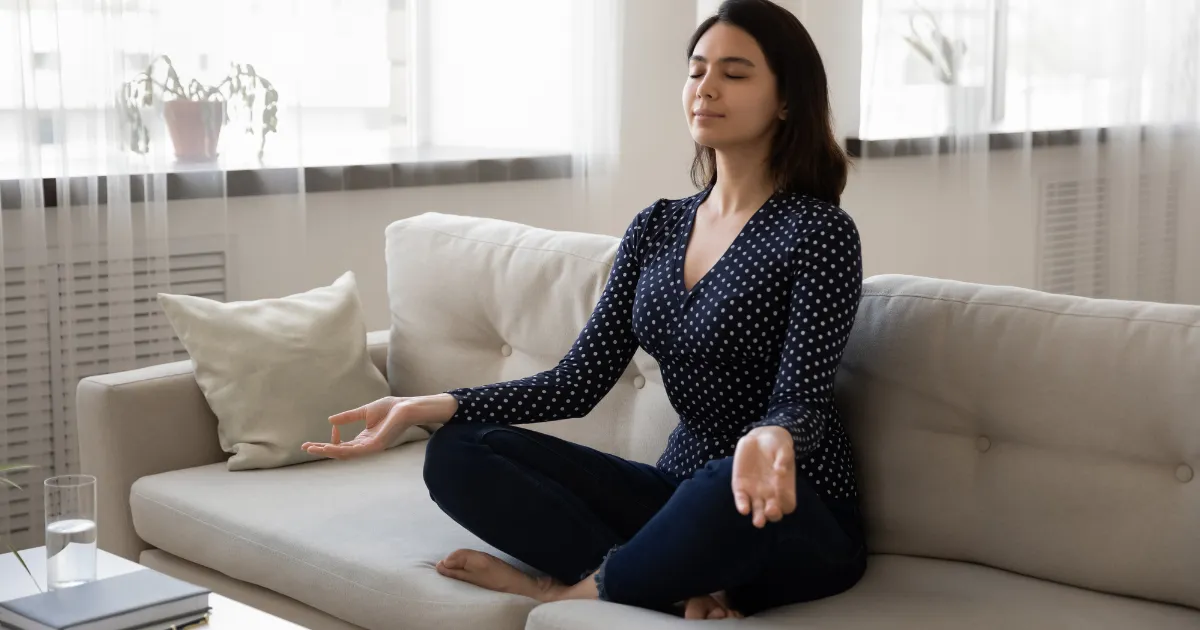
Deep breathing is a useful skill during pregnancy because it can help you feel comfortable and steady throughout this time. It also helps you relax and increases the flow of oxygen through your body and to your baby. Here is how to practice deep breathing during pregnancy:
- Sit with your back supported or lie comfortably on your side. Place one hand on your chest and the other on your belly.
- Breathe in slowly through your nose for a count of 1–4, feeling your belly and ribs expand.
- Breathe out slowly through your mouth for a count of 1–6, making your exhalation longer than your inhalation.
- Repeat for 5–10 cycles several times a day, or whenever you feel stressed. If you feel dizzy, stop, rest and breathe normally.
2. Reading

Reading is a good way to relax during pregnancy. You can do it at work or at home, and it does not require intense concentration. Reading can help you unwind, feel calmer and gain a better understanding of what you are reading.
Choose books you enjoy or books about pregnancy and motherhood, whatever suits you. Light novels, parenting books or self-development books are all options, depending on your lifestyle. Find ideas in 10 Books for Expectant Mothers.
Use a bookmark to mark where you have stopped so you can easily pick up where you left off next time. Read a little each day, whether a chapter or just a page. It can be an effective way to feel more at ease and relieve stress.
3. Listening to relaxing music

Pregnancy is an exciting time full of anticipation, but it can also bring stress and worry. Taking care of yourself and finding time to relax supports both your physical and mental health and your baby's well-being. Listening to relaxing music is a good way to unwind and reduce stress. Choose slow songs you enjoy, listen at a comfortable volume, and perhaps sing or talk to your baby at the same time (read more: 5 Ways to Talk to Your Unborn Baby).
4. Prenatal yoga
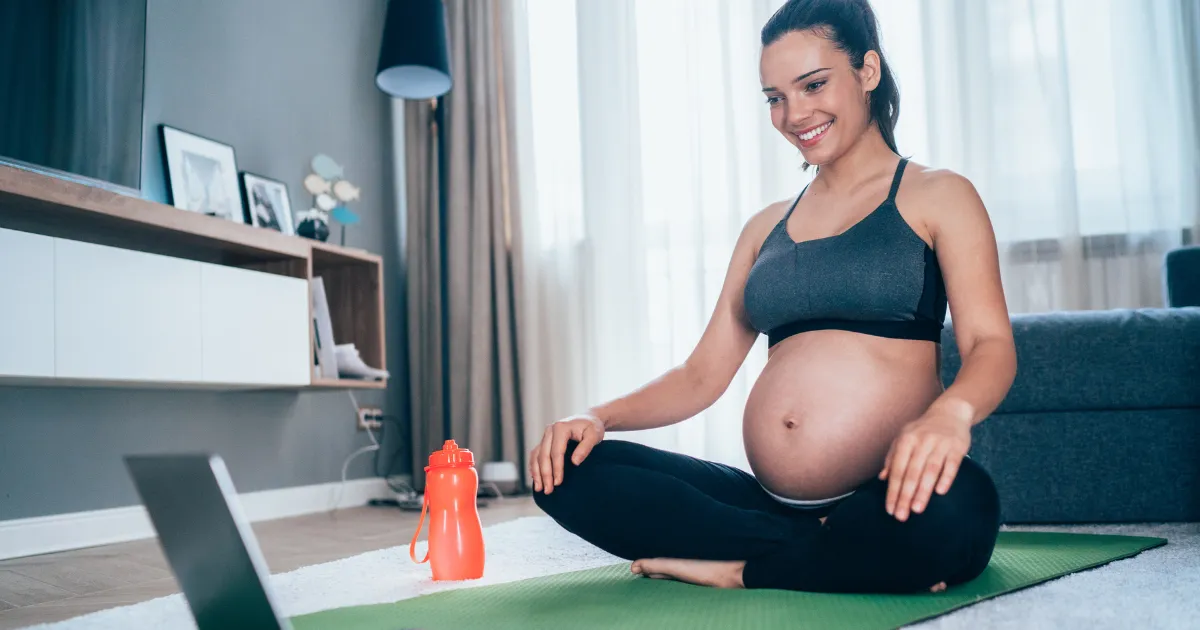
Yoga can help you relax both mentally and physically during pregnancy. Prenatal yoga focuses on suitable poses that leave you feeling more comfortable afterward.
Prenatal yoga offers several benefits. Along with helping your body release tension and settle, it can bring a sense of peace and mental calm. Yoga also builds muscle strength and flexibility, which can help prepare your body for childbirth.
Precautions: Consult your antenatal doctor before starting yoga or exercise. Choose a prenatal yoga class led by a trained instructor. Avoid hot yoga, poses that involve lying flat on your back for long periods after the first trimester, and poses that carry a risk of falling. Stop immediately if you experience bleeding, abdominal pain or dizziness, following the guidance from ACOG.
5. Meditation
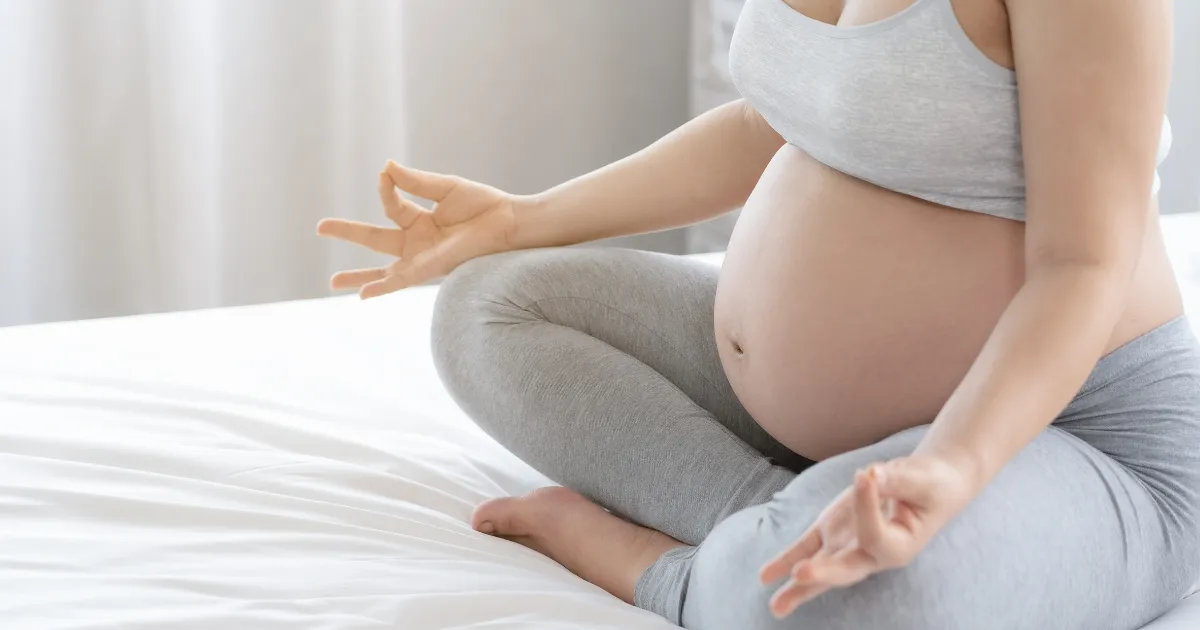
Meditation is an effective way to relax your mind and body during pregnancy. It can help you feel calmer and improve your focus.
Start by finding the quietest spot in your home, or somewhere you feel comfortable. You can meditate on your bed or on the floor, whichever suits you. Sit comfortably with your back straight, then gently focus on breathing in and out. If your mind wanders, gently bring your attention back to your breath.
You may feel calmer and more relaxed while meditating. Spend about 10-20 minutes meditating each day, in the morning or evening whenever you feel comfortable. Remember to tell family members or others at home that you are meditating so they do not disturb you.
Conclusion
Stress and worry are common during pregnancy, but it is important to prioritize self-care and reduce stress to support your health and your baby's.
You can do all the stress relief activities suggested in this article at home, without spending time traveling elsewhere. They can help you feel more relaxed and happy during pregnancy. Make time for these activities alongside getting enough sleep (see How to Cope with Insomnia During Pregnancy), and consult your doctor if your stress does not improve.