







Causes of insomnia during pregnancy

Pregnancy hormones
Pregnancy changes a woman's hormonal system. Estrogen and progesterone levels rise in early pregnancy, which can lead to insomnia. These hormonal changes may make it difficult to sleep comfortably.Physical discomfort
Pregnancy brings physical changes that may cause various kinds of discomfort, such asMorning sicknessNausea, headaches, back pain, frequent nighttime urination and a growing bump that makes it difficult to find a comfortable sleeping position can all keep expectant mothers awake.Anxiety
Pregnancy can increase anxiety, which may be one reason for difficulty sleeping. This may involve worries about the pregnancy or about having a baby in the future. If you have trouble sleeping during pregnancy, choose foods that support restful sleep, such as those containing the amino acid tryptophan, including milk, bananas and fish. Choose a comfortable mattress with good ventilation, and avoid coffee, tea, cocoa or soft drinks from the afternoon until bedtime, as caffeine makes it harder to sleep. Your total daily caffeine intake should not exceed 200 milligrams, as recommended byNHSFoods that may help expectant mothers fall asleep more easily
1. Warm milk with honey
 Adding honey to a warm drink can give it sweetness and aroma, and may also enhance mental relaxation and rest. Tryptophan in milk is involved in the brain's relaxation processes, while serotonin plays a role in helping reduce stress and promote a lighter, calmer mood.
2. Lettuce
 Lettuce contains a white sap called lactucarium, which has long been believed to promote relaxation and drowsiness.
However, most evidence comes from animal studies, and no research has clearly confirmed that eating lettuce improves sleep in humans.
The effects of this substance may vary from person to person and depend on the amount consumed and how it is taken. Expectant mothers can eat thoroughly washed lettuce as a vegetable with dinner as usual for its fiber and vitamins, but should avoid lettuce extracts or supplements during pregnancy because safety data are lacking.
3. Whole wheat bread
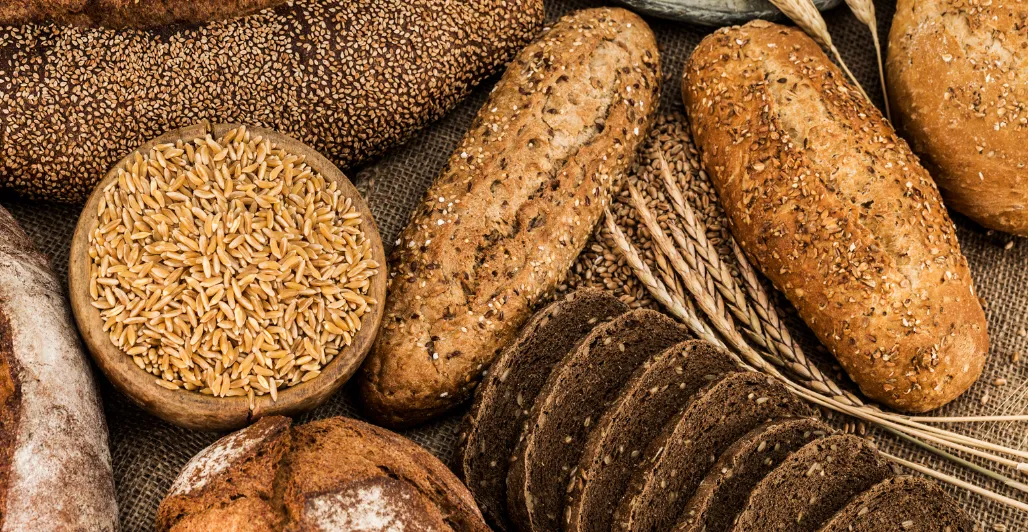 Whole wheat bread provides complex carbohydrates that digest slowly and help you feel full for longer. Some people find that a light snack, such as whole wheat bread with warm milk, helps prevent nighttime hunger and makes it easier to fall asleep. However, avoid heavy evening meals or eating too close to bedtime, as this may cause heartburn. For a balanced, healthy diet, consider the amount and type of starchy foods you eat at dinner, and maintain an appropriate balance between protein and starchy foods.
Ways to sleep more comfortably
Many expectant mothers experience insomnia, but try not to worry: there are ways to help you sleep more comfortably without taking sleeping pills.- Eat suitable foods before bed
- Create a comfortable sleeping environment
- Exercise
- Adjust your sleep schedule
Suitable sleeping positions during pregnancy
From around 28 weeks of pregnancy, settle to sleep on your side, either left or right. Many sources recommend the left side, as the NHS states that going to sleep on your back after 28 weeks of pregnancy increases the risk of stillbirth. If you wake up on your back, do not worry; simply turn back onto your side. Placing a pregnancy pillow or body pillow between your knees and under your bump can make side sleeping more comfortable and reduce back pain.
Relaxing activities before bed, such as taking a warm bath, gentle stretching or listening to music, can also help. Explore more stress-relieving activities during pregnancy.
Precaution: Do not take sleeping pills, antihistamines that cause drowsiness, melatonin or herbal sleep remedies on your own during pregnancy. Always consult your doctor first. If persistent insomnia affects your daily life, or you feel sad or very anxious, tell your antenatal care doctor.
Whether you are expecting or already have a little one and are new to parenting, ABC the Baby has gathered parenting tips for you.Click!