







What Is Postpartum Depression?
It is a mental health condition commonly experienced by mothers after giving birth. Symptoms vary and may last longer without treatment. They include sadness, irritability, or losing interest in things you previously enjoyed. Mothers with postpartum depression may also eat their usual amount or eat excessively, lose their appetite, or sleep too much. Anxiety is another possible symptom.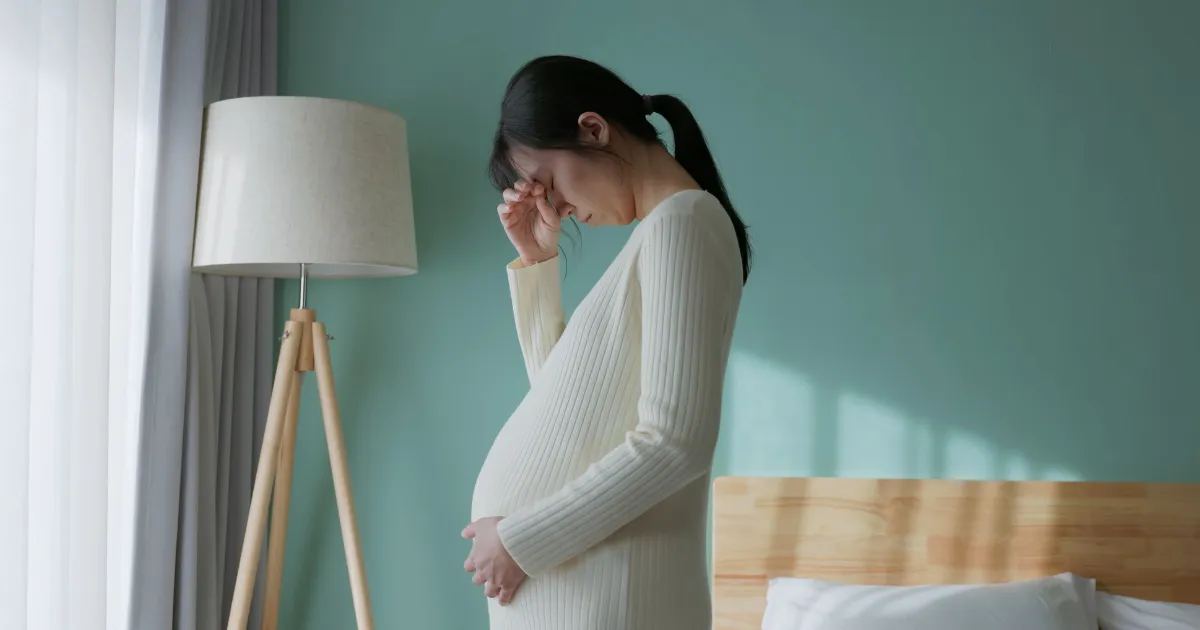 This depression can affect mothers after their first birth or after having given birth before. It occurs because of hormonal changes and the adjustments involved in becoming a new mother. If you are experiencing it, try not to worry: coping strategies and treatments can help reduce symptoms.
Signs and Symptoms of Depression
It is a mental health condition that can leave mothers feeling discouraged and sad without a clear reason. Some experiences are normal after childbirth, such as fatigue, anxiety, and the demands of caring for a baby. Sadness, tearfulness, and mood swings during the first few days after birth are called the baby blues and usually improve on their own within around 2 weeks. However, if symptoms persist for longer than 2 weeks or become severe enough to affect everyday life and caring for your baby, you may have postpartum depression and should consult a doctor (NHS) Symptoms can vary from person to person. Possible symptoms include the following.- Feeling guilty or worthless : Feeling that you are not caring for your baby or family well enough, or frequently blaming yourself, leaving you discouraged or sad.
- Confusion or fear : You may feel that you cannot manage your new circumstances or career, or that you will never feel like yourself again.
- Anxiety : You may worry about caring for your baby or about not having the energy or motivation to do so.
- Negative self-perception or mentally exhausting thoughts : You may see yourself as physically and mentally inadequate, or feel that you have no energy for activities.
- Difficulty sleeping or sleeping too much : Waking earlier than intended or sleeping excessively are notable symptoms.
- Restlessness or irritability : Feeling unsettled, unable to relax, or more easily angered than usual.
- Thoughts of harming yourself or your baby : This is a serious symptom that requires immediate help.
Important: If you have thoughts of suicide, harming yourself or your baby, or feel unable to control yourself, seek help immediately. Call the Department of Mental Health hotline 1323 (available 24 hours a day), call 1669, or go to the emergency department at a nearby hospital. Do not stay alone.
Recognizing these signs and symptoms early and trusting what you notice can help you begin to cope more effectively. It can also help you describe your symptoms to others and ask for support.Ways to Cope with Depression
It is a mental health condition mothers may experience after giving birth. The following are things you can do to help prevent and cope with depression.Seek Help from People Close to You
Seeking help from people around you, such as family, friends, or a mental health counselor, is very important when coping with depression. You should not feel stressed about asking for help, as there are people who can support you and understand what you are experiencing.Look After Your Health
Looking after your health through adequate nutrition, exercise, and enough sleep can support emotional well-being and help reduce symptoms of depression.Talk to Someone Who Understands
Find someone who understands and supports you. Talk openly and honestly about your feelings so that the people around you can understand what you are going through.Join a Support Group
Joining a support group is a good option for mothers seeking help and advice to support treatment and help them feel like themselves again.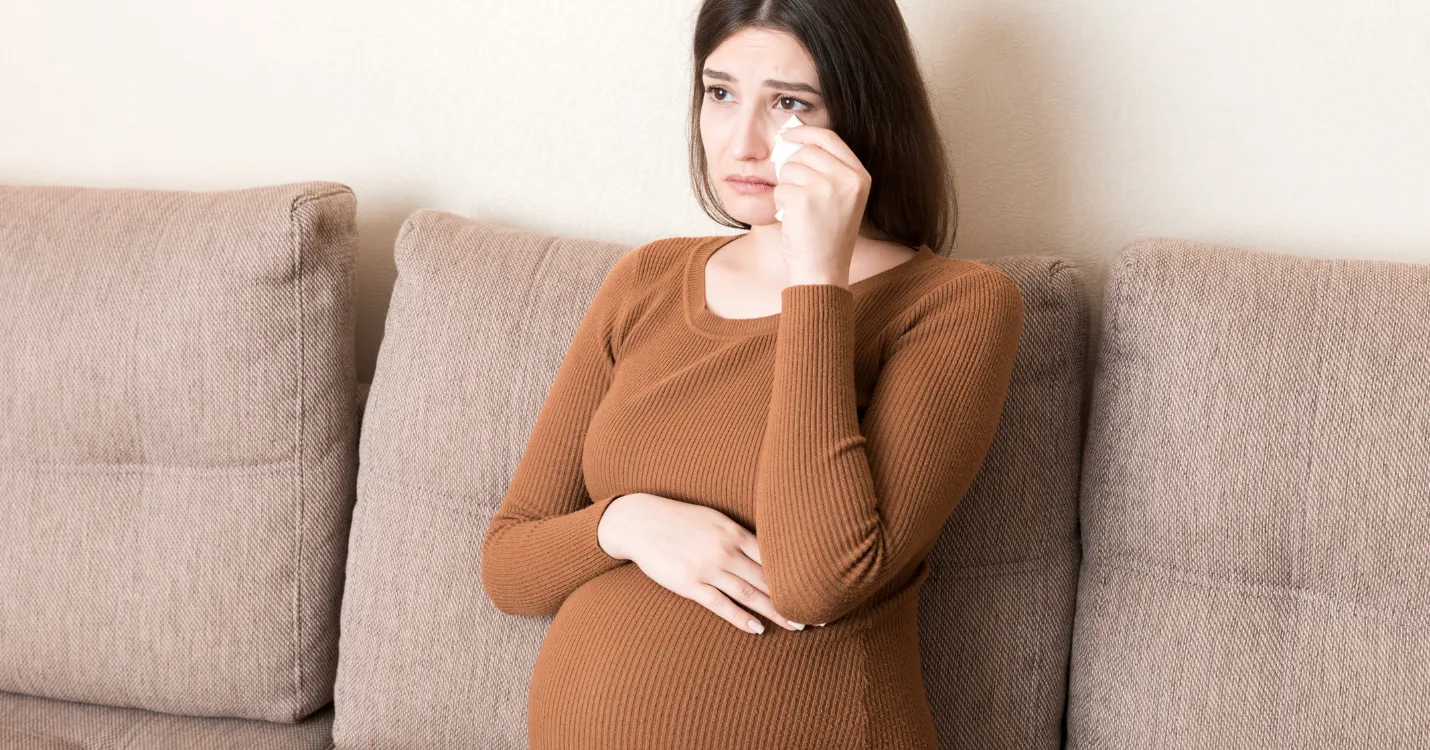
Consultation and Treatment for Depression
If you notice symptoms or signs of depression, speak with a doctor or healthcare provider promptly. Treatment need not be difficult, but getting appropriate care is important. You can share your feelings with someone close to you or talk with people who have had similar experiences, such as friends or family. If your depression becomes more severe, you will need treatment from a doctor who specializes in depression and mental health.Consulting a Specialist
There are many approaches to consultation and treatment, and you can choose according to your needs. If you are unsure where to start, ask your doctor or healthcare provider for guidance. You can find nearby depression services through hospitals or the Psychiatric Association of Thailand website, or call the mental health hotline 1323 free of charge, 24 hours a day.Treatment for Postpartum Depression
There are several approaches to treating depression, including antidepressant medication, talking with a doctor or psychologist, attending support groups, meditation, and looking after your physical health to help reduce stress and depression. Discuss the options with your doctor to decide which treatment suits you, and take an active part in your treatment for the best possible results.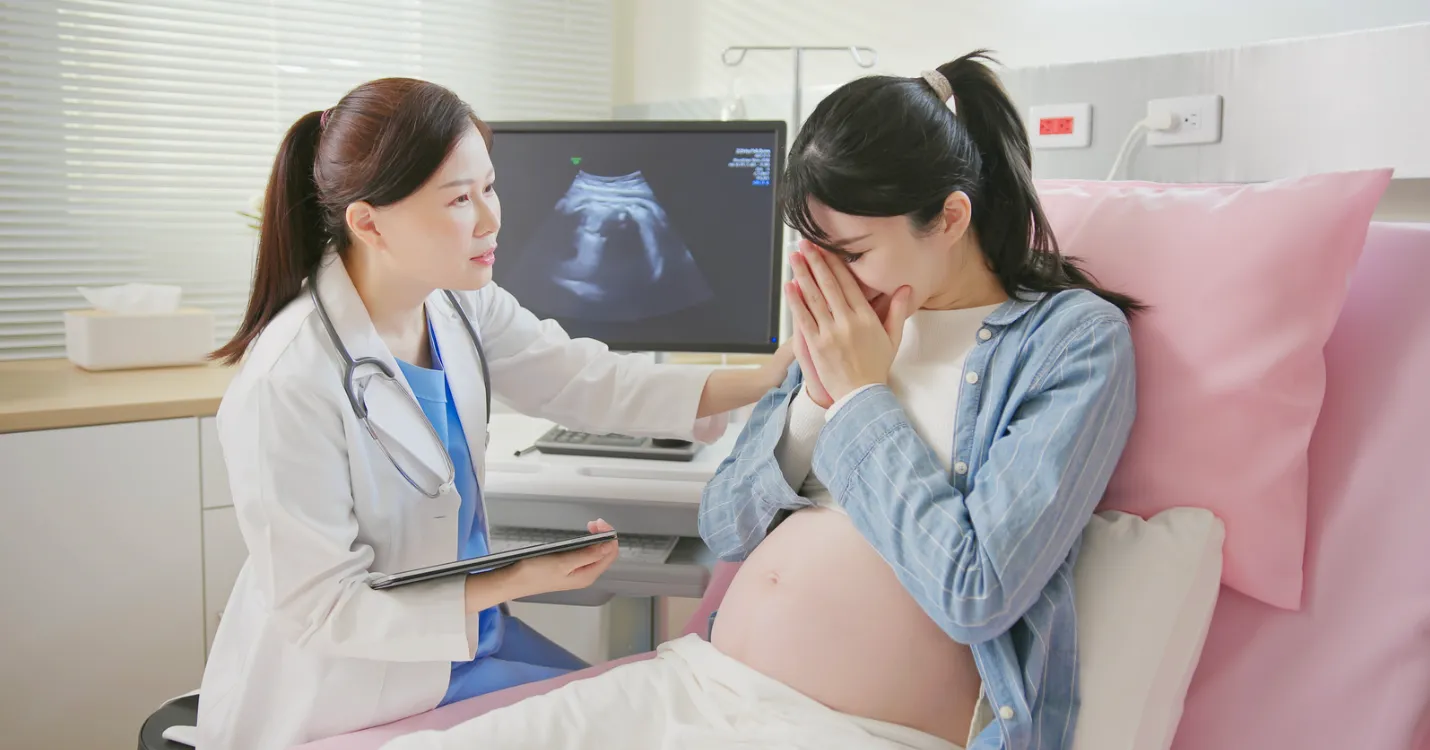
Essential Self-Care
Self-care is especially important for mothers facing depression, as looking after yourself appropriately can further help reduce symptoms.In this section, we share self-care tips you can use while experiencing postpartum depression.Rest
Getting enough rest is important when recovering after childbirth. Rest by getting sufficient sleep and avoiding overly demanding work or activities during the postpartum period.Looking After Your Mental Health
Looking after your mental health is another important priority, because this is a mental health condition that requires appropriate treatment.Meditation
Meditation is a way to help reduce stress and depression. Meditating for a few minutes each day can help improve concentration and reduce anxiety while you cope.Finding Activities You Enjoy
Finding activities you enjoy and that leave you feeling refreshed may give you positive experiences while you manage symptoms of depression.Appropriate Exercise and Nutrition
Looking after your body through exercise and nutrition is important in helping reduce symptoms. Exercise helps your body become stronger and more energetic, which can help you feel better. Nutrition is also important. Eat nutritious foods, cut back on foods and drinks high in sugar, and avoid alcohol, as it may worsen your mood and depression (see more:Postpartum Nutrition)Exercise
Once your body is ready and your doctor gives you permission, you can start with gentle exercise such as walking or yoga (seePostpartum Exercises) and gradually increase the intensity or difficulty. The aim of exercise is to improve blood circulation and help regulate hormones related to mood.Nutrition
Eat more nutritious foods, such as leafy green vegetables, good sources of protein including fish, eggs, and beans, and whole grains. Cut back on fried or high-fat foods, reduce sugar, and avoid alcohol. You should also take vitamins and minerals as recommended by your doctor.Depression FAQ
Q: What is depression? A: Depression is a mental health condition mothers may experience after childbirth. Symptoms include boredom, low mood, loneliness, and a lack of vitality. Q: What causes depression? A: The causes of depression are not yet clear, but factors that increase the risk include a history of depression or other mental health problems, a lack of support, high stress or difficult life events, and insufficient rest. Q: Who should I talk to if I have symptoms of a postpartum condition? A: Talk to a doctor or someone knowledgeable about depression. You should also speak with family members or trusted friends for help and support. For mothers who are still worried about what they will need to cope with or how to prepare for life after childbirth, ABC the Baby has answers for new mothers.Click Here! References: https://www.healthline.com/health/depression/how-to-deal-with-postpartum-depression#schedule-sleephttps://www.nhs.uk/mental-health/conditions/post-natal-depression/overview/