Visit our stores089-894-9491
My cartDelivery
  • ไทย
  • English
  • 中文
  • Bahasa Indonesia
  • 日本語
  • العربية
ABC the Baby
StokkeTripp TrappJoieTommee TippeeHapeGB Pockit
  • ไทย
  • English
  • 中文
  • Bahasa Indonesia
  • 日本語
  • العربية
  • Home
  • Shop
  • Articles
  • Stores
  • About us
  • Contact us

Get deals and codes first

Add ABC the Baby on LINE for promotions, new arrivals and helpful articles for parents.

Add us on LINE
ABC the Baby

ABC the Baby is a premium baby store in Thailand selling newborn essentials, maternity and hospital-bag items, newborn gifts, strollers, car seats, baby carriers and breast pumps — with stores where you can try the products in person.

About ABC the Baby

  • About us
  • Articles
  • Stores
  • Product warranty registration

Shopping

  • All products
  • On sale
  • Cart
  • Delivery

Help

  • Contact us
  • Returns
  • Privacy policy

Payment

PromptPayVisaMastercardJCBUnionPayAmerican ExpressK PLUSSCB EASYBangkok BankKrungsriTrueMoneyShopeePayLINE Pay

Chat with us

LINE OAMessenger

Our stores · 3 branches

  • Mega Bangna
  • Vibhavadi Rangsit
  • Rama 2
  • Find a store near me
© 2026 ABC the BabyPrivacy policyReturns
HomeProductsDealsGiftsStores

Hi there, welcome!

  • Chat on LINE
  • Chat on Messenger
  • Call us
  1. Home
  2. Articles
  3. Parenting
  4. Child Refusing to Eat? Try These 5 Tips
  • Parenting

Child Refusing to Eat? Try These 5 Tips

26 Aug 2023Updated 18 Oct 20263 min read
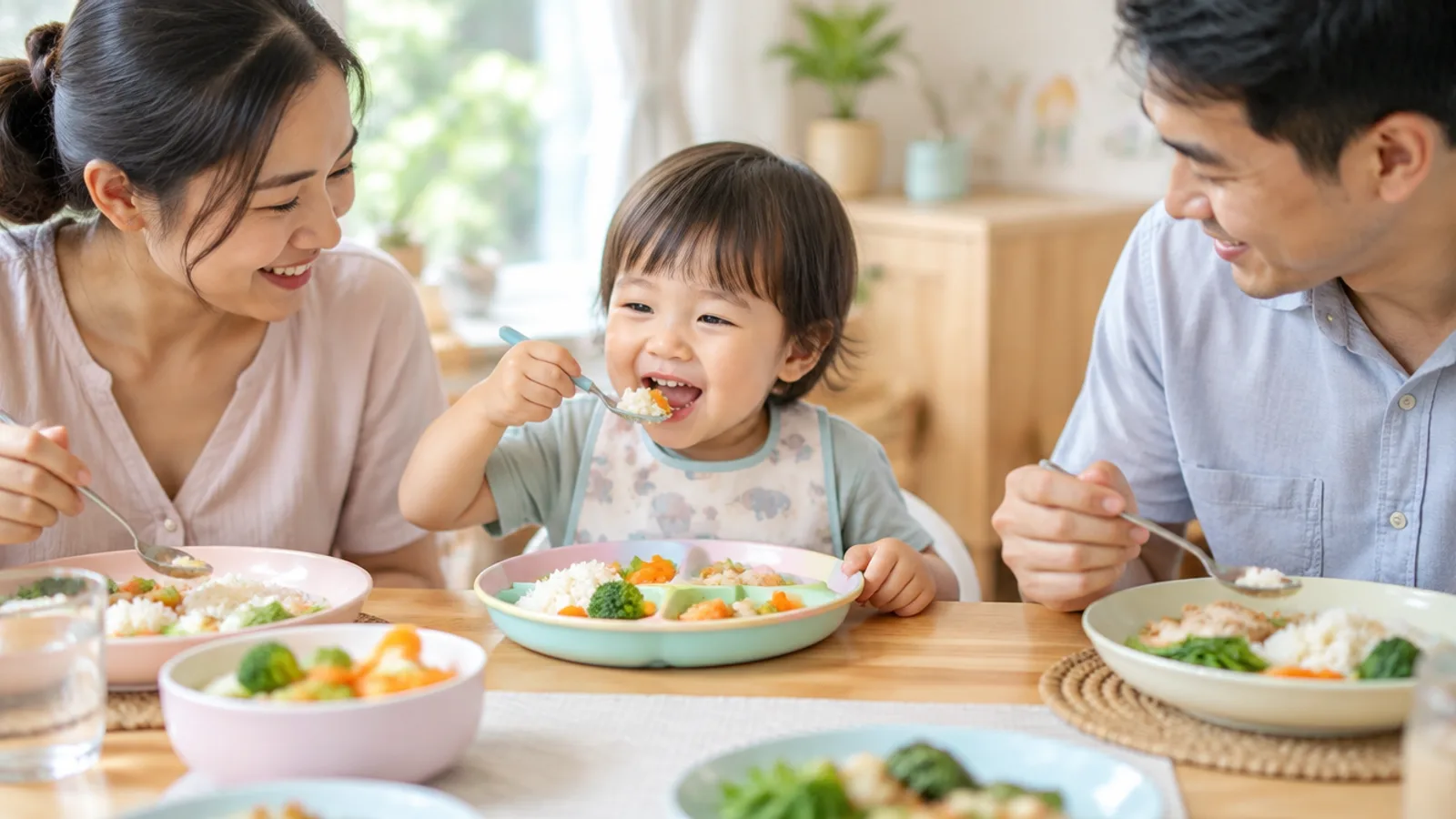
เด็กวัยเตาะแตะกินข้าวกับครอบครัวอย่างมีความสุข

Jump to section

  1. Quick summary
  2. Why does my child refuse to eat?
  3. How to Create a Positive Mealtime Atmosphere
  4. Use Activities to Encourage Eating
  5. Remember to Offer Praise
  6. Frequently asked questions
  7. References

Try before you buy

Visit our 3 stores to try strollers and car seats in person.

See our storesShop online

Children may refuse meals because they have had milk, snacks or sweets too close to mealtime, the food looks unappealing, portions are too large, or their appetite naturally decreases after their first birthday. For children around 1–5 years old, try making mealtimes enjoyable, presenting food attractively, keeping meals screen-free, letting them touch and choose foods, offering water instead of juice, avoiding pressure and praising them when they eat well.

Contents (7 sections)
  1. Quick summary
  2. Why does my child refuse to eat?
  3. How to Create a Positive Mealtime Atmosphere
  4. Use Activities to Encourage Eating
  5. Remember to Offer Praise
  6. Frequently asked questions
  7. References

Quick summary

  1. 01

    Children who have milk, snacks or sweets close to mealtime are often not hungry and may refuse meals.

  2. 02

    After their first birthday, children grow more slowly, so their appetite naturally decreases.

  3. 03

    Turn off the TV and all other screens during meals.

  4. 04

    Offer water with meals. Children aged 1–6 years should have no more than 120–180 ml of juice per day.

  5. 05

    Consult a pediatrician if your child is not gaining weight, is lethargic, vomits frequently or has difficulty swallowing.

Products mentioned in this article

  • Bumkins จานข้าวเด็กซิลิโคน ดูดติดโต๊ะBumkins จานข้าวเด็กซิลิโคน ดูดติดโต๊ะ
  • Tommee Tippee จานซิลิโคนพับได้ เด็กวัยหัดทาน 4 เดือนขึ้นไปTommee Tippee จานซิลิโคนพับได้ เด็กวัยหัดทาน 4 เดือนขึ้นไป
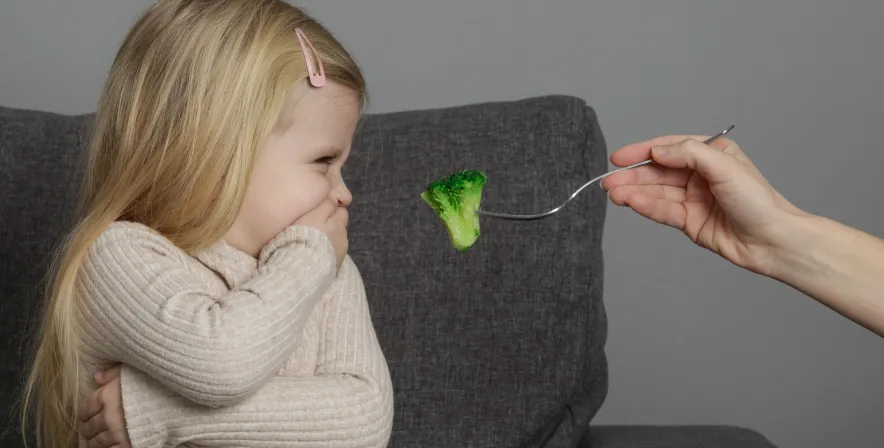
Providing nutritionally balanced meals that support your child's immune system is extremely important. But when your little one refuses to eat, feeding can become a major parenting challenge. In this article, we will explore five ways to encourage your child to eat better. These tips suit children who have already started eating a variety of foods, from toddlers to preschoolers, approximately 1–5 years old. Refusing meals is something many parents encounter, and it can be stressful because regular meals are important for children's growth. Some children do not want to eat, while others have tried a food and found they could not tolerate it. There may be many reasons for refusing meals, including how the food tastes or how confident your child feels about eating. Parents may therefore need a few special techniques to encourage their children to eat.Child refusing to eat

Why does my child refuse to eat?

Encouraging children to eat is part of every mealtime at home, but they will not always agree to eat. Another common reason is that, after their first birthday, children grow more slowly than they did as babies, so their appetite naturally decreases. Some children may refuse meals without any clear reason, while others may have individual factors affecting their willingness to eat. Here are some of the clearest reasons why little ones refuse meals.
  1. Eating foods such as bread, snacks, sweets and one-dish meals
  2. Food that looks unappealing, or the same dishes served repeatedly
  3. Too much food on the plate
  4. Disliking the taste of the prepared meal
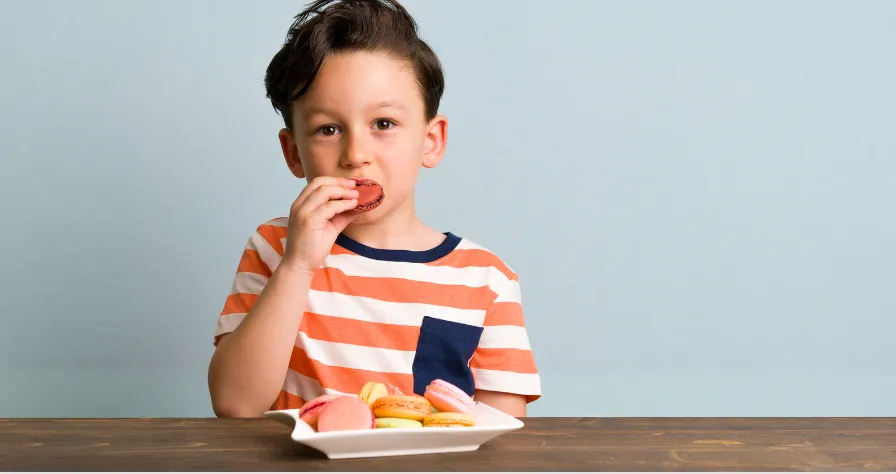
  5. Having milk, snacks or sweet drinks close to mealtime and therefore not feeling hungry yet
A child's refusal to eat may affect both physical and mental health, as well as relationships within the family. Addressing eating difficulties is therefore something parents should pay attention to, helping their children stay healthy and grow into healthy adults.

How to Create a Positive Mealtime Atmosphere

Creating a positive atmosphere during meals can help your child become more interested in eating.

1. Create an Atmosphere Where Your Child Can Share Their Feelings

Talk together and make mealtimes enjoyable, perhaps by telling funny stories or encouraging your child to talk about their day.

2. Make the Table Appealing

Arrange food neatly so it looks attractive and interesting. Try using a variety of colorful plates to make the table more appealing.

3. Keep Mealtimes Screen-Free

Turn off the TV, tablet and phone during meals, because screens distract children from food and make it harder for them to recognize whether they are full or hungry. TheAmerican Academy of Pediatrics (AAP)recommendation is to avoid screen media during meals. If you would like to use learning materials, read stories about food before or after meals instead, and have your child sit in ahigh chairat the table with the family.

4. Let Your Child Play

Let your child touch food, feed themselves or help choose the menu each time to make eating enjoyable. A new food may need to be offered a dozen times before your child accepts it, so do not be discouraged if they refuse it the first time.

5. Choose Suitable Drinks

Alongside food, choosing suitable drinks also affects eating. Water is the best drink to serve with meals. Avoid giving juice, sweet drinks or large amounts of milk before or during meals, as these can fill children up quickly and provide too much sugar.AAPThe recommendation is that children aged 1–6 years should have no more than 120–180 milliliters of 100% fruit juice per day. Children under 1 should not be given juice, and eating whole fresh fruit is better than drinking juice.Child refusing to eat
Use Activities to Encourage Eating

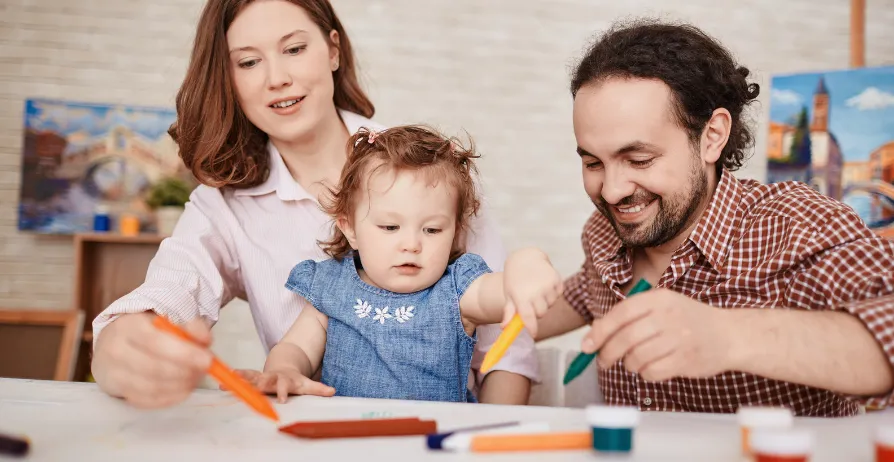
Along with having your child sit at the table to eat, food-related games and activities can help put them in a good mood and make them more willing to eat. Try food-related games such aspretend cookingortoy foodto help your child become familiar with fruit and vegetables. You can also involve your child in activities such as drawing food or writing recipes using appealing colors, helping them learn about food and become more interested in eating.Child refusing to eat Child refusing to eat

Remember to Offer Praise

Trust and support are important for creating a positive atmosphere around your child's meals. When your child does well with eating, remember to offer praise so they know you notice and appreciate their efforts. Encouragement matters too. When your child does not want to eat, show interest by asking what they like. Try letting them choose between 2–3 healthy foods you have prepared, which may help motivate them to eat. Avoid forcing, scolding or using sweets as a reward, as this can make mealtimes stressful. These small steps may not have an immediate effect, but together with the other methods we have suggested, they may help improve your child's health and development and encourage greater enjoyment of meals in the future.

When to seek advice: If your child eats small amounts but is cheerful, plays normally and gains weight as expected, there is usually no cause for concern. However, consult a pediatrician if your child is not gaining weight or is losing weight, is lethargic, vomits frequently, has difficulty swallowing, frequently chokes or eats very little and only a few foods.

Regularly eating together as a family is another way to help your child see good eating habits in action.

Give these tips a try with your little one. Once your child is happy to eat, remember to have some "mealtime essentials" ready.Click!

Frequently asked questions

Why does my child refuse to eat?

+

Common reasons include having milk, snacks or sweets too close to mealtime, unappealing food, oversized portions and the natural decrease in appetite after age 1.

Should I force my child to eat?

+

Avoid forcing, scolding or using sweets as a reward. Instead, make mealtimes enjoyable, talk together and let your child choose from the healthy foods you have prepared.

Can my child watch cartoons while eating?

+

It is best to avoid this. Screens distract children from food and make it harder for them to notice hunger and fullness. The AAP recommends keeping mealtimes screen-free.

Can I give my child fruit juice with meals?

+

Water is a better choice. Juice can fill children up quickly and provide too much sugar. Children aged 1–6 years should have no more than 120–180 ml per day, and children under 1 should not be given juice.

When should I take my child to the doctor for refusing food?

+

Consult a pediatrician if your child is not gaining weight or is losing weight, is lethargic, vomits frequently, has difficulty swallowing, frequently chokes or eats only a few foods.

References

  1. HealthyChildren.org (AAP)Picky Eaters
  2. HealthyChildren.org (AAP)Where We Stand Fruit Juice

Related articles

หมุนเวียนของเล่น : 8 วิธี ช่วยส่งเสริมให้เด็กเล่นอย่างมีสติ
  • Parenting
  • Developmental Toys

Toy Rotation: 8 Ways to Encourage Mindful Play

Holidays often bring new toys, whether as gifts or purchases from parents. This is a valuable opportunity to teach children gratitude and appreciation for what they have.

17 Apr 20245 min read
คุณแม่หลังคลอดห่มผ้าอุ่น ๆ ดื่มน้ำอุ่น
  • Parenting

Why Do Postpartum Chills Happen, and How Can Mothers Manage Them?

Brief shivering can happen soon after birth. Learn how to stay comfortable and which warning signs, including fever or heavy bleeding, need immediate medical attention.

17 Feb 20246 min read
เบาะนอนทารกแน่นพร้อมผ้าปูตึง
  • Parenting

5 Tips for Choosing a Baby Mattress for Comfortable Sleep

Your baby's sleep deserves careful attention. When choosing a mattress, consider your baby's weight, easy cleaning and good-quality materials, and avoid one that is too old. Bringing your baby along can also help you choose.

10 Feb 20245 min read