






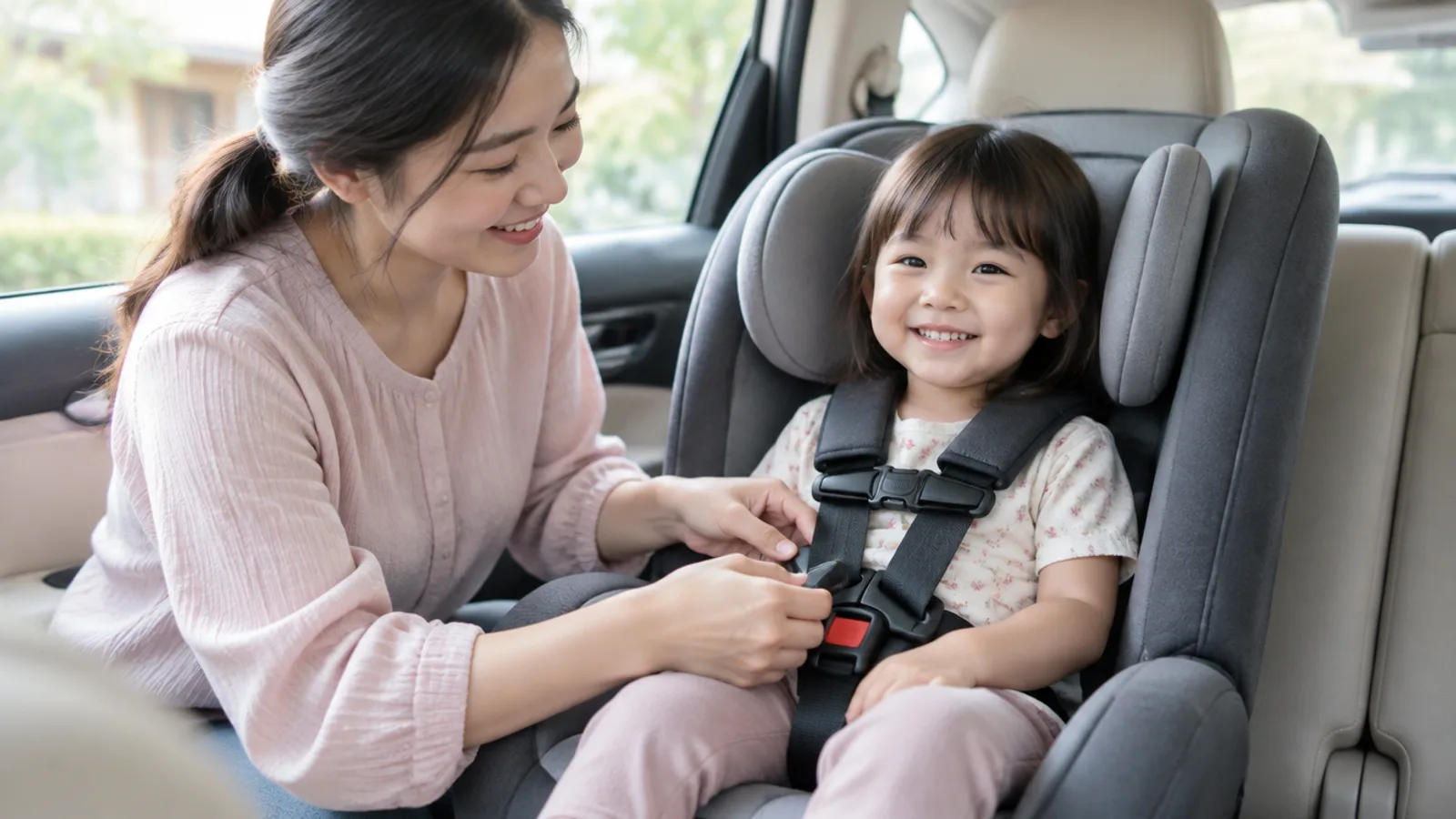
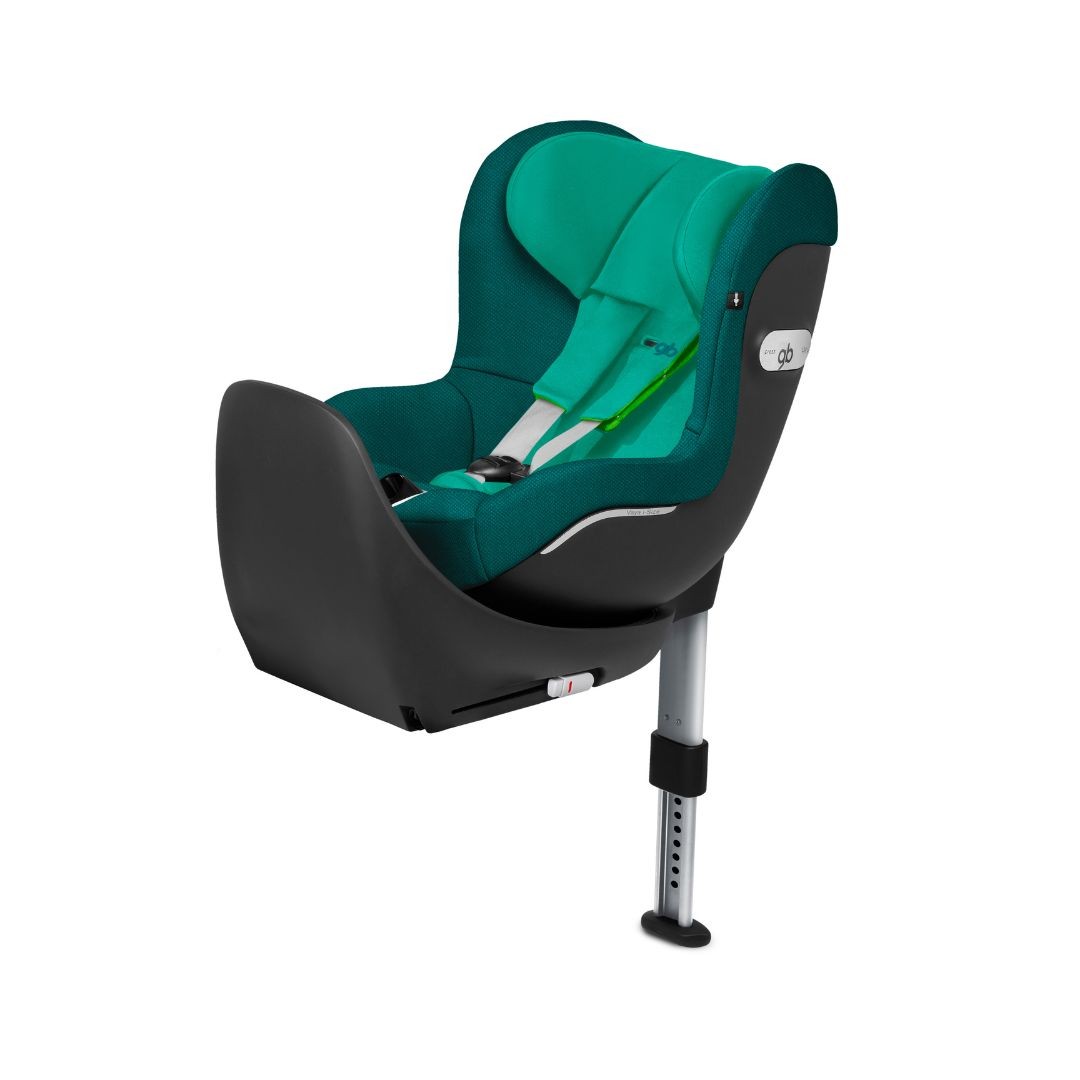
Installing a car seat in your vehicle is very important because it is one of the devices that helps improve safety for passengers and drivers. Many parents therefore wonder how to install a car seat correctly without wasting time.
Here, we explain the steps for installing a car seat correctly and efficiently. Follow the steps below, including the guidance on securing the car seat to the vehicle structure, and remember to check its safety once installation is complete.

Installing a car seat correctly is important to give your child the best possible protection in the vehicle. Here is an introduction to the basic installation steps you should know:
Read the instruction manual supplied with the car seat carefully, and follow the manufacturer's installation and usage instructions.
Choose a suitable position in your vehicle for the car seat. Check your vehicle manual or the car seat manufacturer's guidance to confirm that the position is suitable for your car seat.
Check which installation system your car seat uses. Make sure you understand it and install the seat according to the manufacturer's instructions.
Before installing the car seat, clean the area where it will be placed. Remove other items from the vehicle, such as toys or decorative accessories, and wipe the area dry.
Install the car seat correctly according to the manufacturer's instructions. Make sure it is in the correct position and adjusted to suit your child's size and weight. Also check that the installation is secure so the car seat does not come loose from its position in an accident.
Test the installation by shaking the car seat and pulling it back and forth to check how much it moves. If the car seat is still unstable while your child is sitting in it, adjust it according to the manufacturer's instructions.
Make sure the car seat is installed and used correctly. Check that the belts and attachment system work properly and that no components or accessories are missing or damaged.
Car seat installation should always follow the manufacturer's instructions and information. If you have questions or are unsure whether you have installed it correctly, consult a car seat or vehicle installation specialist to ensure it is safe and properly fitted. If you are still unsure which type to choose, read What Is a Car Seat? Types and How to Choose.
Warning: Never install a rear-facing car seat in a front seat with an active passenger airbag. When the airbag deploys, it can strike the back of the car seat and the child's head with considerable force, causing serious injury or death. The American Academy of Pediatrics (AAP) recommends that children under 13 always sit in the rear seat and that young children remain rear-facing for as long as possible, until they reach the maximum weight or height limit specified by the car seat manufacturer.
Equipment Needed to Install a Car Seat
Before installing a car seat, have the following items ready.
| What You Need | Details |
|---|---|
| Car seat | Choose one suitable for your child's age, weight and height that meets a safety standard such as ECE R44 or R129 (i-Size). |
| Car seat manual | Explains the correct installation method, seating direction and weight/height limits. |
| Vehicle manual | Shows the locations of Isofix and Top Tether anchor points, airbags and seating positions that accommodate a car seat. |
| Vehicle anchor points | Isofix anchor points or the vehicle seat belt, as specified in the car seat manual. |
| Car seat accessories, if applicable | A Top Tether strap or Support Leg, and a recline angle indicator for rear-facing car seats. |
Do not use accessories that were not supplied with the car seat or approved by the manufacturer, such as thick seat pads or additional neck pillows. They may prevent the car seat from being securely attached or cause the harness to become loose in a collision.
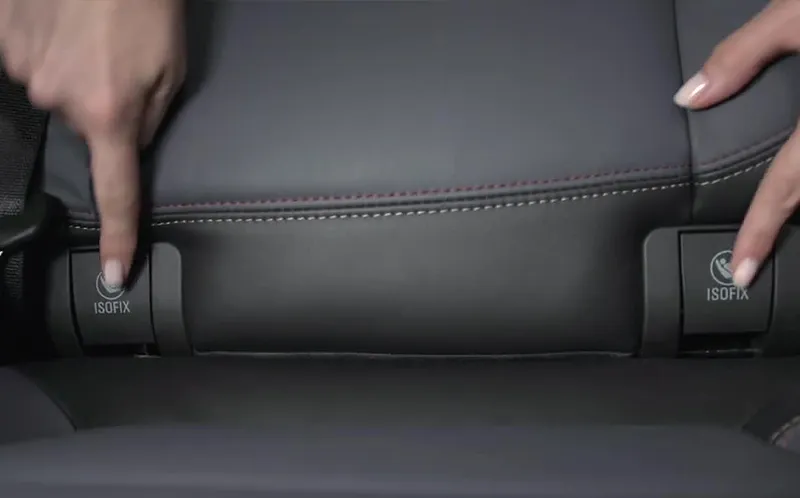
What Is Isofix?
Isofix is a safety system for installing child car seats in vehicles. It offers greater safety than a conventional seat belt installation. The system provides attachment points for the child seat that are connected directly to the vehicle structure. The seat clicks into these points, making it easy to install and remove. Isofix helps prevent the seat from moving during an accident or sudden braking and helps reduce the risk of injury to children in an accident or collision while driving (source: Baby Hills Thailand).
How to Install an Isofix Car Seat
Installing a car seat with Isofix helps make installation safer and easier. Here are the steps you can follow yourself:
- Check your vehicle's compatibility: Before buying an Isofix car seat, check whether your vehicle has Isofix anchor points and whether the car seat model is compatible with your vehicle.
- Check the installation position: Refer to both the vehicle manual and the car seat manual. Installing the car seat in the rear seat is recommended for the greatest safety.
- Install the car seat: Extend the car seat's Isofix connectors and insert them into the vehicle's anchor points until you hear a click and the indicators turn green, if fitted. Then push the car seat snugly against the vehicle seatback and attach the Top Tether strap or extend the support leg to the vehicle floor as specified in the manual.
- Check that it is secure: Hold the car seat near the attachment point and move it from side to side and front to back. It should move no more than about 2.5 cm (1 inch). If it moves more, reinstall it according to the manual and check it again regularly.
Isofix installation is straightforward and offers a high level of safety. You can install it yourself, but if you are unsure or lack confidence in the installation, consult a specialist for your child's safety (source: Daddy Gadget).
How to Install a Car Seat in a Four-Door Pickup Truck
Installing a car seat in a four-door pickup truck varies by vehicle make and model. In general, the process involves the following steps:
Car Seat Installation Steps
Follow these steps to install a car seat in a four-door pickup truck:
- Read the car seat manual and pickup truck manual carefully, particularly the section on installing child safety seats.
- Install the car seat only in the rear seat inside the cab. Never install it or let a child ride in the truck bed.
- Locate the anchor points shown in the vehicle manual, such as the Isofix points in the gap between the seat cushion and backrest, and the Top Tether anchors, which in pickup trucks are often behind the rear seatback or on the cab wall. If the vehicle does not have Isofix, secure the car seat with the vehicle seat belt according to the car seat manual.
- Place the car seat directly on the vehicle seat, without a cushion or other items underneath, and secure it firmly using the manufacturer's method.
- Check that it is secure by moving the car seat at the attachment point. It should move no more than about 2.5 cm. Also check the recline angle for a rear-facing car seat.
For a single-cab pickup truck without a rear seat, using a rear-facing car seat in the front seat is not recommended. If it is necessary, first deactivate the passenger airbag according to the vehicle manual and consult a service center or car seat specialist.
Once you have followed the installation steps correctly, you will have a safe car seat installation suitable for your four-door pickup truck.

How to Install an Infant Carrier Car Seat
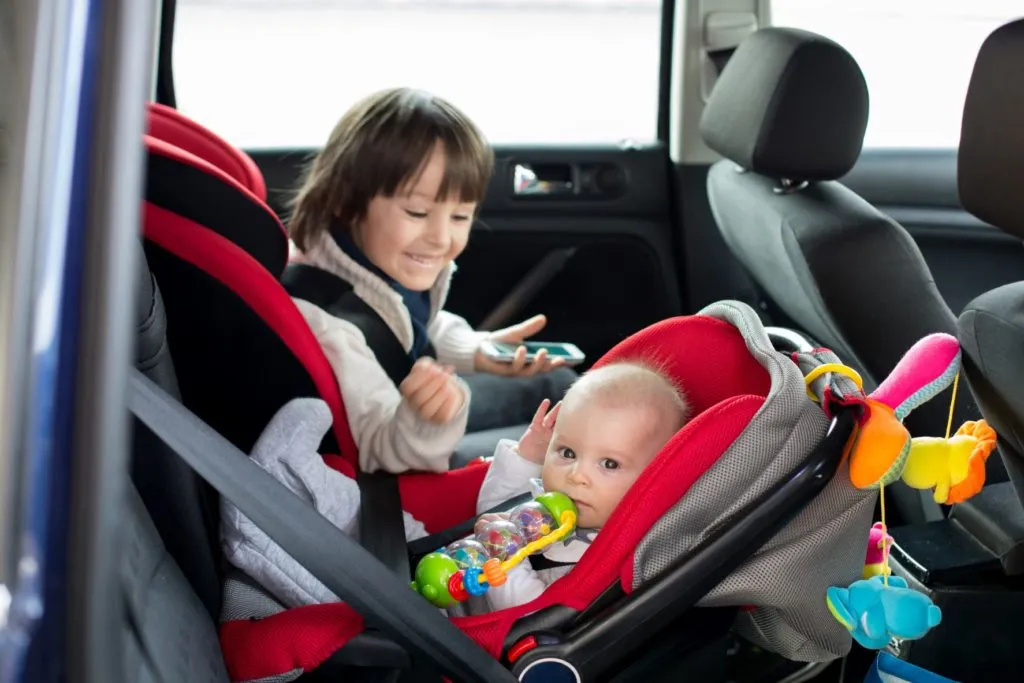
Installing an infant carrier car seat is convenient and straightforward. Choose a seat suitable for your baby and install the equipment correctly according to the following instructions.
An infant carrier is a rear-facing car seat for newborns. The general steps are as follows. Details may vary by model, so always follow the manual.
- Install it rear-facing in the rear seat only. Never install it in a front seat with an active airbag.
- If using a base, secure it to the vehicle with Isofix or the seat belt according to the manual. Extend the support leg to the vehicle floor, then place the carrier onto the base until it locks into place with an audible click.
- If not using a base, route the vehicle seat belt through the carrier's belt guides, following the manufacturer's colors or markings, then pull the belt tight.
- Check the recline indicator to make sure the angle is within the specified range, so your baby's head does not fall forward and make breathing difficult.
- Adjust the carrying handle to the position specified in the manual for travel.
- Fasten the child's harness snugly, with the shoulder straps at or slightly below shoulder level and the chest clip at armpit level.
Tips
- Choose a car seat suitable for your child's weight and height, and move to a larger rear-facing car seat when your child outgrows the infant carrier's limits.
- Do not put thick clothing or thick blankets underneath the harness, as this can leave it loose. In cool weather, place a blanket over your child after fastening the harness.
- Do not leave your baby sleeping in the carrier outside the vehicle for extended periods. When you reach your destination, move your baby to a cot to sleep lying flat.

How to Install a Forward-Facing Car Seat
A forward-facing car seat should only be used once your child has outgrown the weight or height limits of their rear-facing car seat. Rear-facing provides better support for a young child's head, neck and spine in a frontal collision. Do not rush to switch to forward-facing simply because your child's legs touch the vehicle seatback.
Steps for Installing a Forward-Facing Car Seat
1. Check that your child has outgrown the rear-facing limits and that this car seat model supports forward-facing use.
2. Read the car seat manual carefully and check that all the required equipment is present.
3. Install it in the rear seat using Isofix or the vehicle seat belt according to the manual. Always attach the Top Tether strap if both the car seat and vehicle support it, to reduce forward head movement in a collision.
4. Check that the car seat moves no more than about 2.5 cm at the attachment point, and adjust the child's harness so the shoulder straps sit at or slightly above shoulder level.
Tips
- Choose a car seat that meets a safety standard such as ECE R44 or R129.
- If you are unsure, ask a specialist or the car seat retailer to check the installation.
- Do not drill into or modify the vehicle to install a car seat. Use only the vehicle's existing anchor points.
When installed correctly and used on every journey, a car seat can greatly reduce the severity of your child's injuries in an accident. Learn more about the requirements in Thailand's Car Seat Law.

How to Check Car Seat Safety
Installing a car seat improves safety for children traveling in a vehicle, so checking its safety after installation is very important. Here is how to check:
- Check the harness tightness every time you fasten it: Try pinching the strap at the shoulder. If you can pinch a fold in it, it is still too loose. Tighten it until you cannot pinch a fold.
- Check the car seat regularly for cracks, broken parts or a buckle that does not lock securely. If you find damage, stop using it and contact the manufacturer or the retailer where you bought it.
- Check that the harness and attachment straps are not torn, frayed or twisted. If damaged, replace them only with genuine parts from the manufacturer.
- Check the expiry date marked on the car seat, and replace the seat after an accident according to the manufacturer's instructions, even if there is no visible damage.
For more advice on choosing and using an age-appropriate car seat, see HealthyChildren.org (AAP).
How to Clean a Car Seat
Cleaning a car seat is important because dust and debris may pose hazards to children using it. Clean the car seat regularly for your child's safety.
Basic Cleaning Steps
Always follow the car seat manufacturer's manual, as materials vary between models. The general guidelines are:
- Use a vacuum cleaner to remove food crumbs and dust from the car seat's crevices.
- Wash removable covers according to the care label. Some models are machine-washable, while others require hand-washing. Let them dry completely before refitting.
- Wipe the plastic frame with a cloth dampened with clean water and a little mild soap, then wipe again with a damp cloth.
How to Clean Car Seat Harness Straps
The harness is essential for holding your child in place during a collision. Incorrect cleaning can weaken its fibers.
- Wipe only the surface of the straps with a cloth dampened with water and mild soap, as recommended in the manual. Do not soak or machine-wash the straps, and do not remove them from the car seat unless the manual instructs you to do so.
- Do not use bleach, strong chemical cleaners, steam cleaners or high heat on the harness straps or buckle.
- If the buckle is sticky, clean it using the manufacturer's specified method, then test that it locks securely every time.
How to Store a Car Seat to Help It Last Longer
Proper storage helps keep your child's car seat clean and safe. The simple steps include cleaning it with a cloth or vacuum cleaner and storing it in a dry place away from intense sunlight. Correct cleaning and storage are essential parts of caring for your child and should be done regularly to keep the car seat clean and safe at all times.
How to Store a Car Seat for a Longer Service Life
Storing a car seat properly helps it continue to protect your child effectively. Here, we explain how to store it correctly to help it last longer.
- When parking in the sun, use a sunshade or cover the car seat, and always check the temperature of the buckle and seat before placing your child in it.
- Clean regularly according to the manufacturer's manual, and avoid any chemicals the manufacturer prohibits.
- When not in use, store the car seat in a dry, shaded place away from direct sunlight, and do not place heavy objects on it.
- Avoid storing it in damp places to prevent mold on the cover and rust on metal parts.
- Keep the manual with the car seat, and check its condition and expiry date every time before using it again.
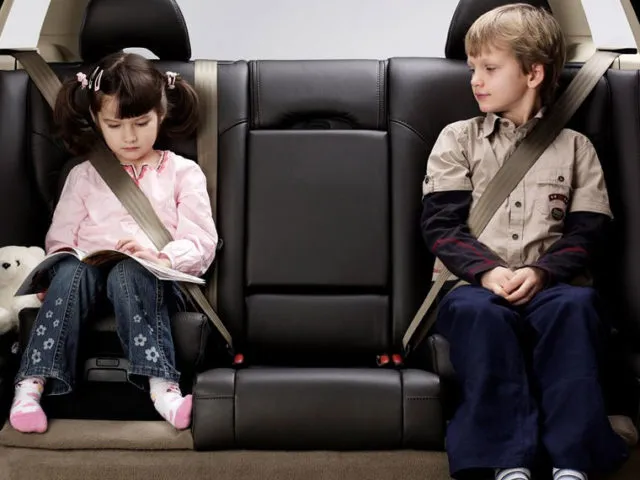
Car Seat Installation Tips
Installing a car seat is important because it affects your child's safety. Follow the steps and instructions carefully to avoid mistakes.
Here are some car seat installation tips you should know.
- Read the manual beforehand: Before installing the car seat, read the instruction manual carefully, especially the installation section.
- Use suitable equipment: Choose appropriate, good-quality equipment so the installation meets the required standards and supports safe use.
- Check the safety systems: Vehicle safety systems vary. Check whether your vehicle's safety systems can accommodate the car seat.
- Follow the installation steps: Read the manual and installation instructions carefully, then follow each step correctly and with care.
- Test the car seat: Once installation is complete, test it to make sure it is correctly and safely installed.
FAQs
Installing a car seat is essential for keeping your child safe while traveling, but you may have questions about the process. We have gathered frequently asked questions about car seat installation to help you find the right answers.
How can I tell whether a car seat is installed correctly?
Hold the car seat at the attachment point and move it. It should move no more than about 2.5 cm. The Isofix indicators, if fitted, should be green, the recline angle should be within the specified range, and the child's harness should be tight enough that you cannot pinch a fold in the straps. If you are unsure, have a specialist check it.
Where in the vehicle should a car seat be installed?
Always in the rear seat. A good position is one where the seat can be installed most securely according to the vehicle manual. Never install a rear-facing car seat in a front seat with an active airbag.
How long should my child stay rear-facing?
For as long as possible, until your child reaches the maximum rear-facing weight or height limit specified by the car seat manufacturer.
How should I check car seat safety?
Check the tightness of the installation and harness before every journey, and regularly check for cracks, damaged straps and the expiry date.
How should I clean a car seat?
Follow the manufacturer's manual. Vacuum the seat, wash the cover according to its label, and wipe the harness straps only with a cloth dampened with mild soapy water. Do not soak the straps or use bleach or a steam cleaner on them.
How should a car seat be stored?
Store it in a dry, shaded place away from direct sunlight. Do not place heavy objects on it, and always keep the manual with it.
Referenceshttps://www.daddy-gadget.com/how-to-install-car-seat-2023-both-isofix-and-belt
http://babyhillthailand.com/what-is-isofix-car-seat-installation/
https://www.healthychildren.org/English/safety-prevention/on-the-go/Pages/Air-Bag-Safety.aspx
Read more model reviews: Best Car Seat Brands Reviewed