







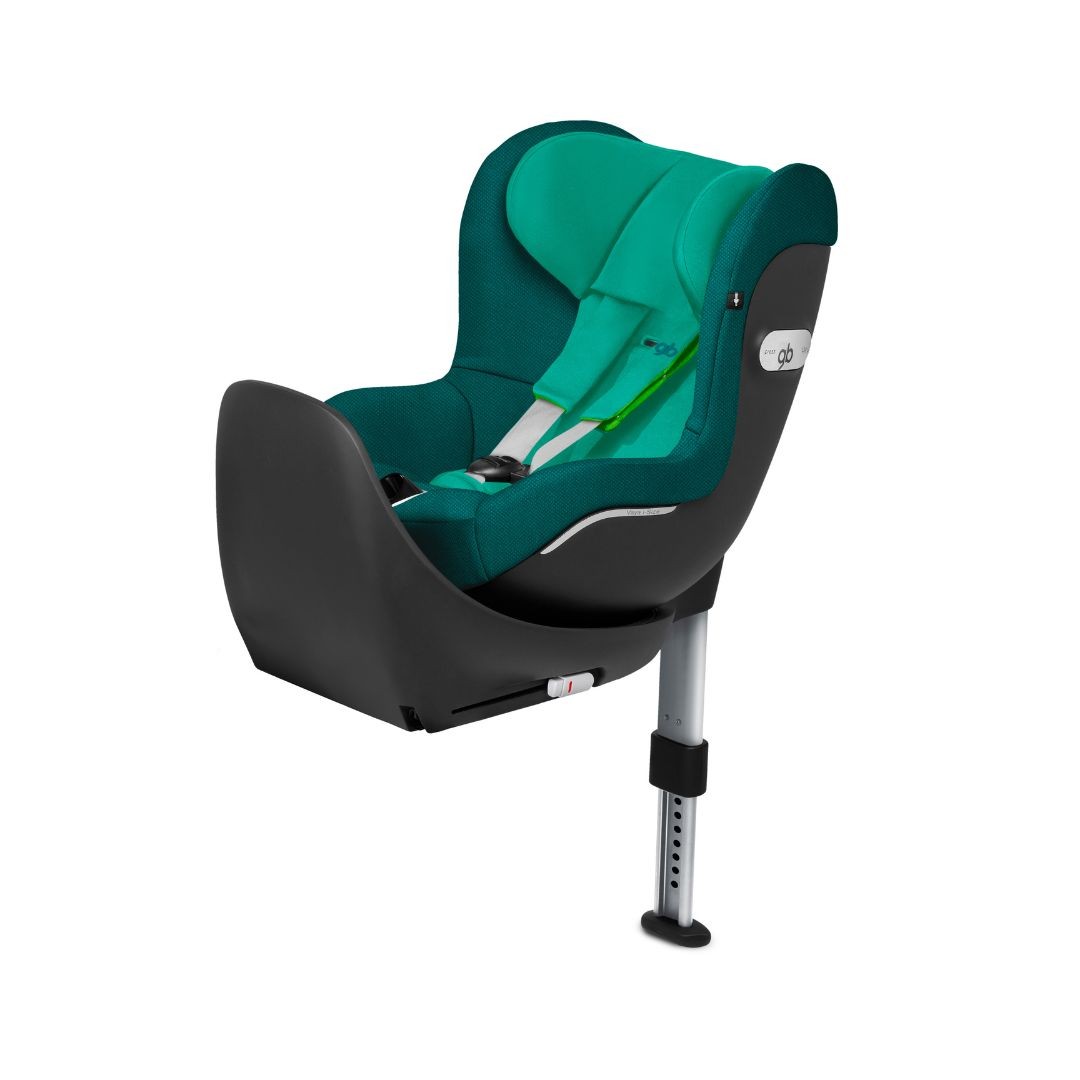
What is a car seat?
A device designed to protect children while traveling by car. Its purpose is to keep children safe in an emergency accident or during braking and deceleration on a journey.Correct use is essential to keeping children safe in a car. The seat must suit the child's age and weight and be installed and used correctly according to the manufacturer's instructions and applicable standards.
Car seats come in several designs to meet children's needs at different ages, from newborns to older children. Some can be adjusted for different uses. When choosing a seat, consider safety, comfort, and suitability for your child's age and weight.
(source: ABC the Baby, wikipedia, healthychildren).
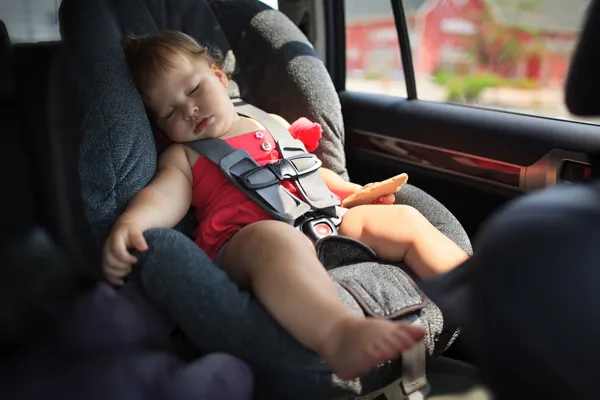
Why you should have a car seat in your vehicle
For safer car travel, here are the reasons to use a car seat:
It helps reduce the risk of serious injury in an accident or during hard braking by restraining children and helping maintain an appropriate position during a collision. It also distributes impact forces more effectively than the vehicle's seat belt alone.
Maintaining the correct posture helps reduce the risk of injuries to a child's neck, body, and other areas.
It helps prevent children from slipping out while the car is moving. Its restraint system or harness holds children securely, keeping them stable and safe in the vehicle.
Appropriate, correct use helps provide children with the greatest protection in a car and is an important legal requirement in many countries. Choose a seat suitable for your child's age and size, and follow applicable local guidance and laws.
(source:jarrons).
Are car seats and booster seats different?
Both are used in vehicles to restrain children and keep them safe during travel, but they differ in the following ways:
Car seat:
- A car seat is designed to restrain children and keep them safe in a vehicle. It has a restraint system and an adjustment bar for young children. Different types suit different ages and weights, such as rear-facing seats for newborns and forward-facing seats for larger children.
- It has a restraint system or harness that fits around the child's body, along with restraints installed in the vehicle, such as height-adjustable belts.
Booster seat:
- A booster seat is designed for children who are old enough and tall enough to use the vehicle's seat belt. It raises the child so the belt fits correctly.
- A booster seat has no additional restraint system or harness because its main purpose is to raise the child's sitting height. It works with the vehicle's seat belt to restrain the child and position the belt correctly.
The difference lies in how the seats restrain children and provide protection appropriate to their age and size. Choose a seat suitable for your child's age and weight. Once your child is large enough, you can switch to an appropriate booster seat to keep them safe in the car (source:verywellfamily, autos.).
How do you choose a seat that suits your needs?
Choosing the right seat matters greatly because it affects your child's safety and comfort. Here are some factors to consider:
Choose a design intended for your child's age and weight group. Options include infant car seats for newborns and convertible car seats for older children. Check how long each model can accommodate your child.
Make sure the seat is certified to relevant safety standards, such as those recognized by vehicle safety authorities in the country where you use it. Examples include UN R129 (i-Size) or UN R44/04, used in Europe and many other countries, Thailand's TIS standards, or US Federal Motor Vehicle Safety Standards (FMVSS). Browse models that meet safety standards in the car seats category.
Choose an installation system compatible with your vehicle, such as ISOFIX (or LATCH in the United States) or a suitable seat belt installation system.
Look for adjustable seating positions and additional safety features, such as adjustable positioning and further restraint features, including straps across the knees and chest straps.
Look for features that make everyday use convenient, such as a seating-position adjustment mechanism that is easy to open and close.
General guidance on choosing the right seat for your child
Types of car seats
Choosing a seat suitable for your child's age and weight is essential for safe car travel. Each type suits particular age and weight ranges, so it is helpful to understand the options and choose an appropriate seat at each stage.
There are three types:
| Type | Suitable for |
|---|---|
| Rear-facing | From birth, and for as long as possible until the child exceeds that model's maximum rear-facing weight or height limit. The i-Size standard requires rear-facing travel until at least 15 months, and many models accommodate children up to ages 3–4. |
| Forward-facing (with a 5-point harness) | Once the child outgrows the rear-facing limits. Continue using it for as long as possible until the child exceeds the model's weight or height limit. |
| Booster Seat | Once the child outgrows a harnessed car seat, until they are approximately 145 cm (4 feet 9 inches) tall and the vehicle's seat belt fits properly, usually between ages 8–12. |
Choosing the right seat requires careful consideration of your child's age and weight. Each type has different features and dimensions.
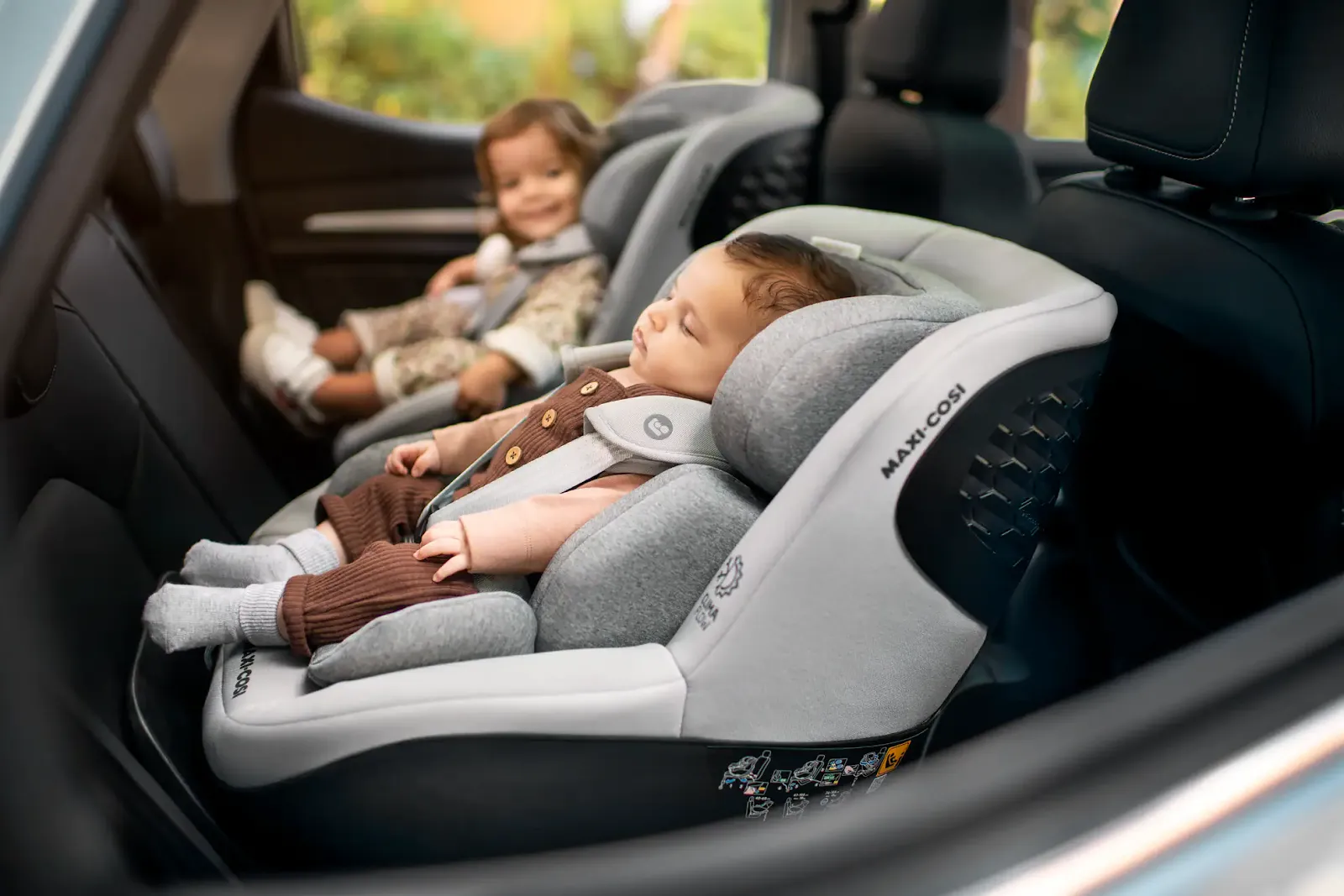
1. Rear-facing
This type faces opposite the direction of travel, so the child faces the rear of the car. It helps prevent the child from being thrown against surfaces at the front of the vehicle, particularly in a collision.
2. Forward-facing
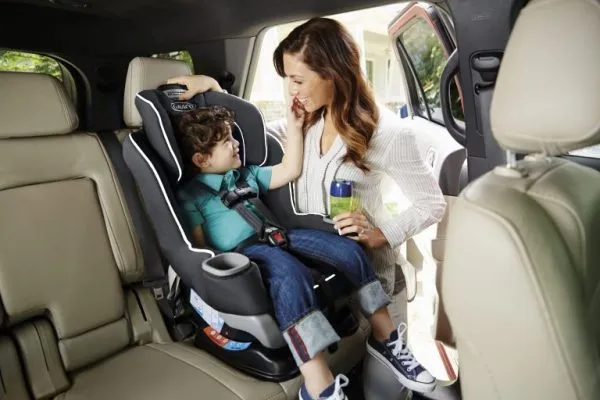
A forward-facing car seat positions the child facing the front of the vehicle. It is suitable once the child has exceeded the manufacturer's rear-facing limits. Do not switch too early simply because your child turns 1 or weighs 9 kg, as rear-facing travel provides better support for a young child's head, neck, and spine (HealthyChildren.org (AAP)).
Forward-facing seats have a 5-point harness that holds the child in the correct position, with harness height adjustable as the child grows. The seat is installed using ISOFIX or the vehicle's seat belt, together with a top tether or support leg as specified by the manufacturer, to keep it firmly and securely attached to the vehicle.
Uses and benefits of forward-facing seats
Forward-facing seats help children travel more comfortably and provide additional protection in an accident or collision. This type can be adjusted and switched between forward-facing and rear-facing use, offering several configurations to meet a child's needs, age, and weight.
3. Booster Seat
Designed for children ages 4-12 or weighing approximately 15-36 kg, a booster raises the child's sitting height so they can use the vehicle's seat belt and helps improve the belt's fit.
Booster seats are divided into two types:
| Type | Features | Use |
|---|---|---|
| High-back Booster Seat | Has a backrest and headrest, with a shoulder belt guide. | Suitable for children who have just moved on from a harnessed car seat, or for vehicles without headrests. It helps position the shoulder belt across the middle of the shoulder. |
| Backless Booster Seat | Consists of a seat cushion only. | Suitable for somewhat older children and vehicles with sufficiently high headrests. Both types are used until the child is approximately 145 cm (4 feet 9 inches) tall and the vehicle's seat belt fits properly. |
Place the booster on a regular vehicle seat and use it with the vehicle's seat belt to keep the child safe. High-back booster seats allow adjustments to the height and depth of the headrest to accommodate different child sizes.
Booster seats are easy and convenient to use and are widely used, particularly as children become heavier and taller. Each group of children needs a seat suited to their age and weight.
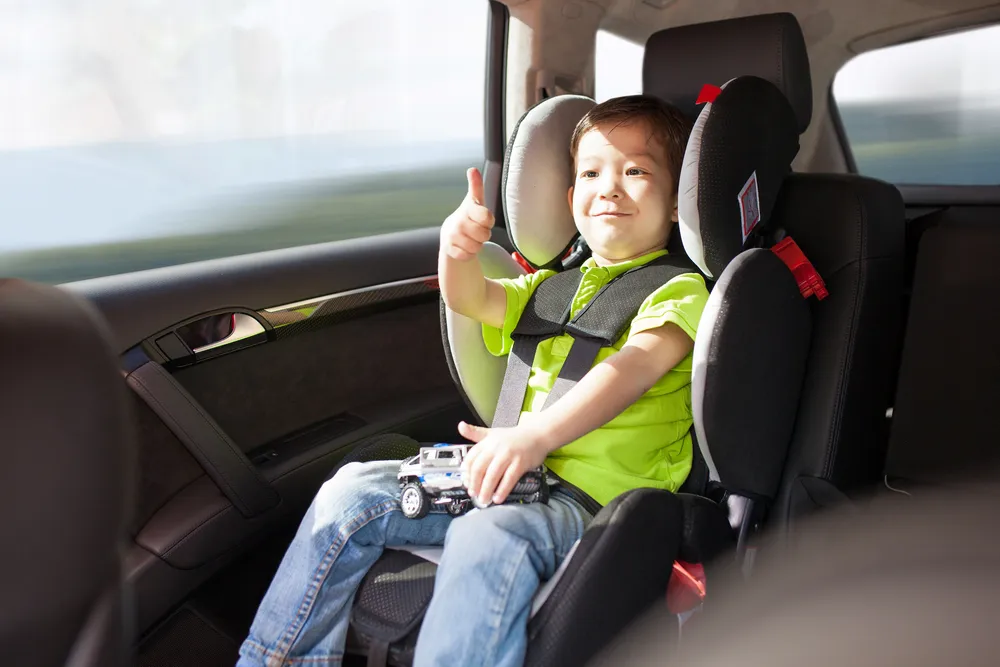
Choosing a car seat for a newborn
Choosing a suitable seat for a newborn is essential for safe car travel. Consider the following points:
Rear-facing: This helps protect the child's neck and back from injury during a collision or from hazards associated with the vehicle seat.
Size and weight: Choose a seat suitable for a newborn's size and weight so it fits the baby's body and properly accommodates their weight and length.
Safety standards: Choose a car seat (Child Restraint System, or CRS) that meets standards such as UN R129 (i-Size) or UN R44/04.
Installation system: Check which system suits your vehicle, such as seat belt installation or LATCH (Lower Anchors and Tethers for Children), so you can install the seat correctly and securely.
Comfort: Look for features that keep the baby comfortable and make the seat convenient to use, such as adjustable neck support and height-adjustable supports.
Adjustability: Choose a seat that can be adjusted as your child grows, making it useful over the longer term.
Reviews and reliability: Research and read reviews of different brands to understand their reliability and other users' experiences.
Price: Set a budget for your purchase while prioritizing safety and quality without compromising them for price.
Remember that the main goal is to choose a seat that keeps your child safe and comfortable while traveling by car.
Choosing a car seat for an older child
Choose a seat large enough to support your child's weight and tall enough to allow position adjustments. It should also provide sufficient seat height to support an older child's knees and have an adjustable belt. For children weighing more than 18 kg, choose a seat wide enough to accommodate their size.
Size
Choose a seat that fits your child. A seat that is too small or too large may put the child's life and physical safety at risk.
Safety
Choose a seat that meets high safety standards, including manufacturing and safety testing standards. Check information from the manufacturer or relevant government websites to assess its safety.
Comfort
Look for height adjustments to suit your child's size and features that make the seat comfortable for them to use.
Durability
Choose a durable seat that withstands normal use so you can use it over the longer term.
Installation and use
Choose a seat that is easy to install and use. Follow the manufacturer's installation instructions and consider features that make everyday use easier.
What to know about car seat use for older children
Older children still need a car seat or booster until the vehicle's seat belt fits properly. Keep the following precautions in mind.
- A child is ready to use the vehicle's seat belt when they can sit all the way back against the seat, bend their knees comfortably at the seat edge, and have the lap belt lie low across the upper thighs rather than the abdomen. The shoulder belt should cross the middle of the shoulder and chest, rather than the neck.
- Incorrect installation greatly reduces your child's safety. Follow the manual and check that the seat is secure every time.
- Children under 13 should always sit in the back seat.
- Do not let children wear thick clothing or bulky coats under the harness, as this can leave the harness loose during a collision.
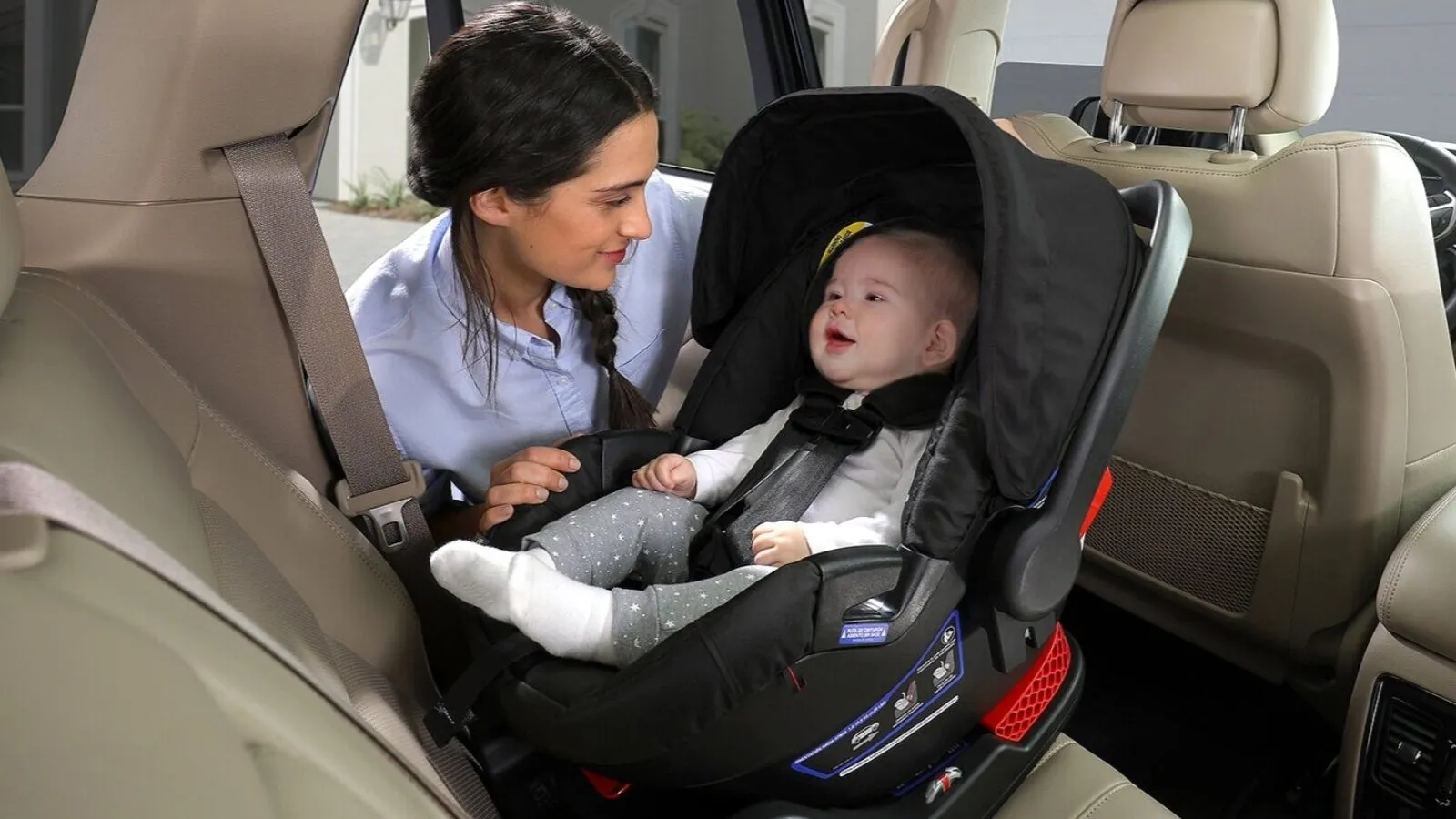
Choosing by age and weight
Choosing a seat appropriate for your child's age and weight is something every family should prioritize to provide the greatest protection in a car. Select a child seat carefully and make sure it suits your child's age and weight at each stage, as seat dimensions and children's needs vary as they grow.
The following table shows suitable child seats by age and weight.
| Approximate age range | Selection criteria | Type |
|---|---|---|
| Birth – at least 15 months (and longer if the model allows) | Use until the child exceeds the manufacturer's maximum rear-facing weight or height limit. | Rear-facing |
| After outgrowing rear-facing – approximately ages 4–7 | Use until the child exceeds the maximum weight or height limit for the 5-point harness. | Forward-facing |
| After outgrowing a harnessed car seat – approximately ages 8–12 | Use until the child is approximately 145 cm tall and the vehicle's seat belt fits properly. | Booster Seat |
The ages in the table are approximate. Primarily follow the weight and height limits stated on each car seat model (read more at HealthyChildren.org).
Instructions for use
Choose and install the seat correctly. Select one suitable for your child's age and weight, install it according to the manufacturer's instructions, and check its safety regularly.
Choose a seat appropriate for your child's age and size. Check its suitability for their age and weight before buying or renting. Read the user manual and installation instructions carefully.
Read the user manual or installation instructions carefully and follow the specified steps. Install the seat in the back of the vehicle and tighten the harness securely.
Make sure the seat is firmly installed and correctly secured with the vehicle's seat belt. Check its usable lifespan, and do not use a seat that is deteriorated or damaged.
Adjust the harness for a snug fit. For rear-facing seats, the harness should emerge at or slightly below the child's shoulders; for forward-facing seats, at or above the shoulders. Position the chest clip at armpit level and tighten the harness until you cannot pinch a fold of webbing at the shoulder.
Caution: Never install a rear-facing car seat in a front passenger seat with an active airbag. The force of airbag deployment can cause serious injury or death. For correct installation, see how to install a car seat.
Use the seat on every journey, whether short or long, strictly following the law and the manufacturer's instructions.
Understand how long your child needs to use the seat, including when to take breaks so they can rest appropriately.
Explain and teach your child how to use the seat correctly and why it matters. Set a good example and guide them in proper use.
Check regularly for deterioration or damage, such as loose or worn harness straps or safety components.
Know the relevant local laws and requirements for car seat use, such as age requirements.
Correct use is essential to keeping children safe in a vehicle. If you have questions or are unsure about installation or use, consult the manufacturer's guidance or contact the relevant organization for further advice and assistance.
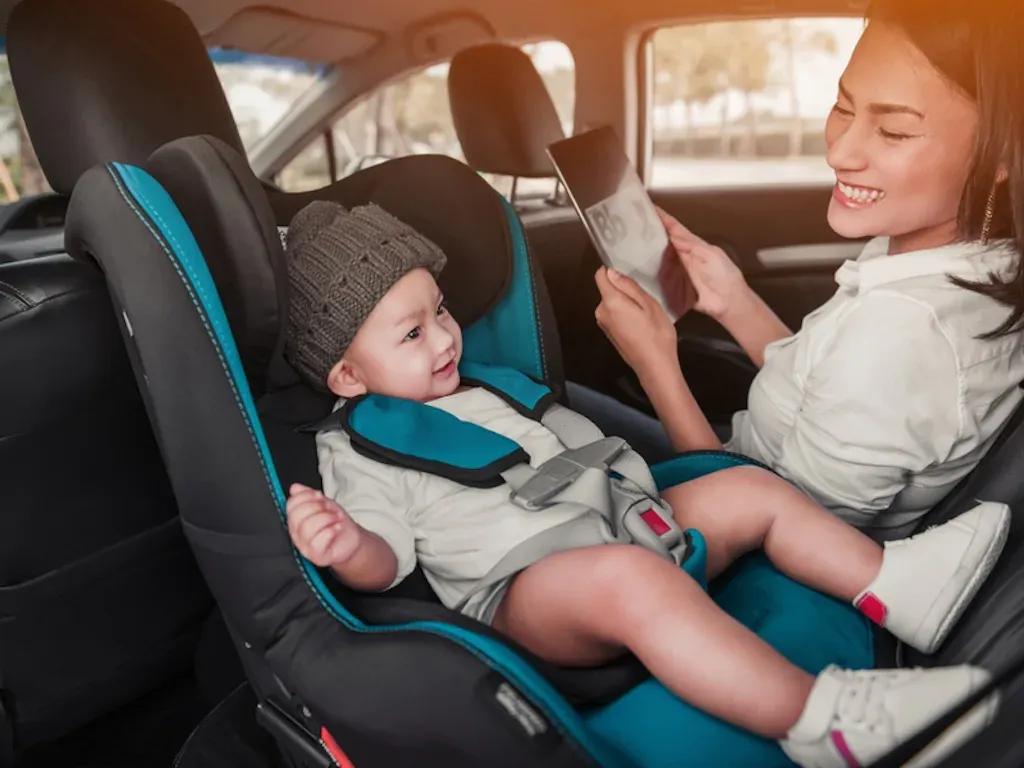
Care and maintenance
Care and maintenance are important to providing the greatest protection for children in a car. As car seats help prevent injuries in road accidents, parents should give their upkeep careful attention.
Read and follow the user manual, making sure you understand correct use and maintenance.
Clean the seat regularly to remove accumulated dirt and dust. Use a soft cloth or vacuum cleaner to keep it clean.
Inspect it regularly for wear or damage. Check whether the harness and safety components are still functioning properly.
Avoid leaving it in high-temperature locations, such as an extremely hot car, as heat may damage the materials.
Make sure it continues to meet the required safety standards, has no deterioration or damage, and has no loose or worn components.
Store it in a dry place at a suitable temperature. Avoid direct sunlight and high humidity.
If you have any questions or concerns about maintenance, contact the manufacturer or retailer for further advice and assistance.
Proper care helps extend the seat's lifespan and maintain its effectiveness in protecting your child in a car accident. Clean and inspect it regularly to help your child travel safely every time.
FAQs
Which type should you switch to as your child grows?Move to different seat types as your child grows, choosing according to their age and weight. Your child needs a car seat that can be adapted appropriately to their age and weight at each stage until they are large enough to use the vehicle's seat belt directly.
Where should a car seat be installed in the vehicle?Install the seat in a vehicle seating position equipped with a seat belt. It should be installed in the back seat, which is least exposed to accidents. The center rear position is often safest if the seat can be installed securely according to the manual. If the vehicle has no anchorage points in the center, use a side position where it can be secured firmly. Never install a rear-facing car seat in a front passenger seat with an airbag.
What should you do once your child is older?Once your child is large enough, remove the child seat and switch to the vehicle's regular seat belt. This is generally possible when the child is approximately 145 cm tall or around ages 8–12. Until then, use a car seat or booster until the vehicle's seat belt fits properly. Thai law also requires children to use a safety seat. Read more about Thailand's car seat law.
Which vehicle makes are car seats suitable for?Car seats can be used in vehicles of all makes. However, differences between vehicles may mean that some seat models are incompatible with certain makes. Check that the seat is suitable for the vehicle you use.