






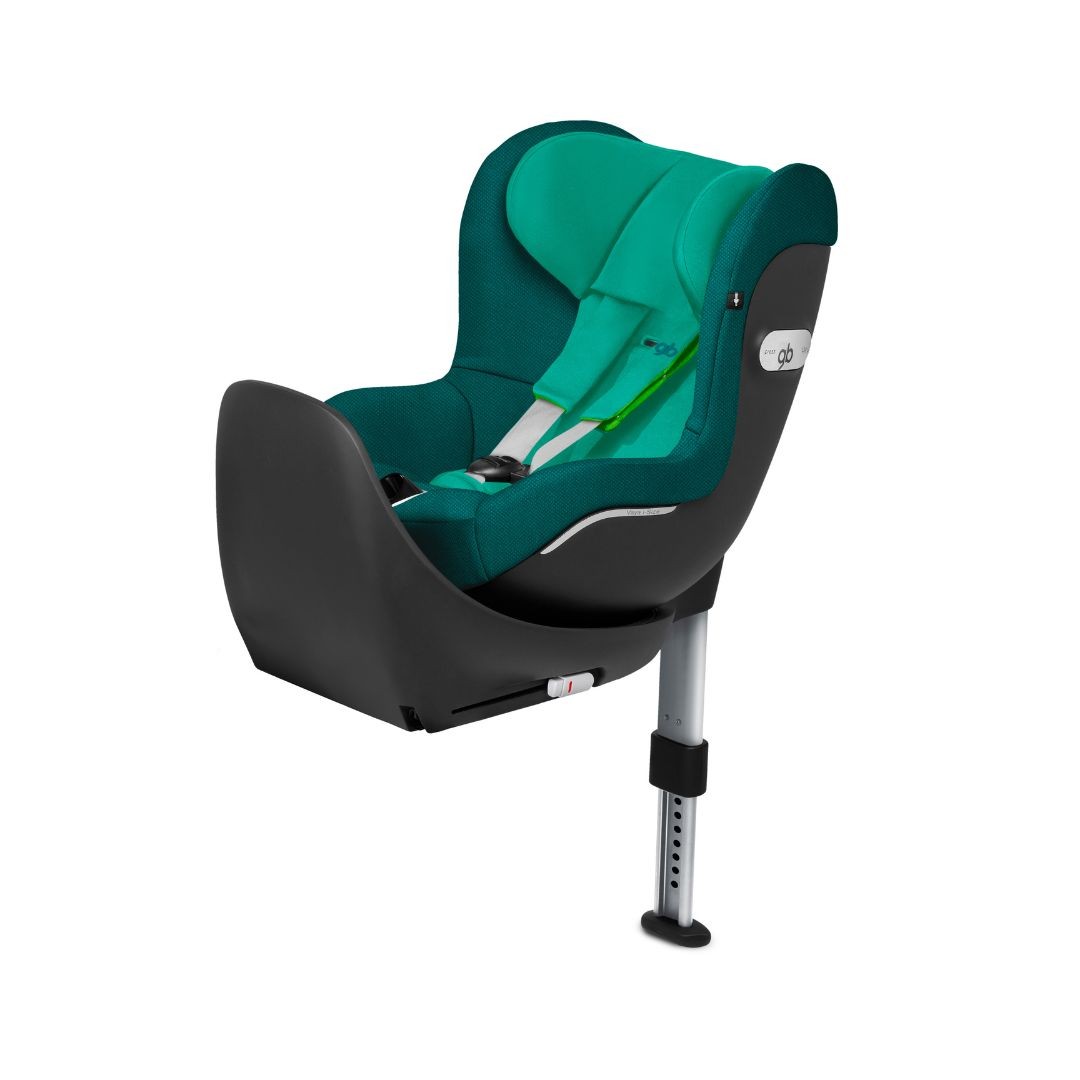
The Royal Gazette published a Road Traffic Act requiring children aged 6 and under to use a car seat or booster seat, while children no taller than 135 cm must wear a seat belt. Holding a child on your lap is strictly prohibited. Violations carry a fine of up to THB 2,000.
The Royal Gazette website published the Road Traffic Act (No. 13), B.E. 2565 (2022), on 7 May 2022. The legislation stipulates that it takes effect after 120 days have elapsed from its publication in the Royal Gazette.
The key provisions are as follows:
Section 7 repeals Section 123 of the Road Traffic Act, B.E. 2522 (1979), as amended by Order of the Head of the National Council for Peace and Order No. 14/2560 on Measures to Improve the Enforcement of Road Traffic Law, dated 21 March B.E. 2560 (2017).
It is replaced with the following: "Section 123 Subject to Section 123/1, while a motor vehicle is being driven, its occupants must comply with the following rules and conditions:
(1) The driver must remain secured to the seat by a seat belt at all times while driving.
(2) Passengers
(a) Passengers in the front row and all other rows must remain secured to their seats by seat belts at all times while travelling in the vehicle.
(b) Passengers who are children aged 6 and under must be seated in a child safety seat or a special seat for children to prevent injury, or have a means of protection against injury in the event of an accident.
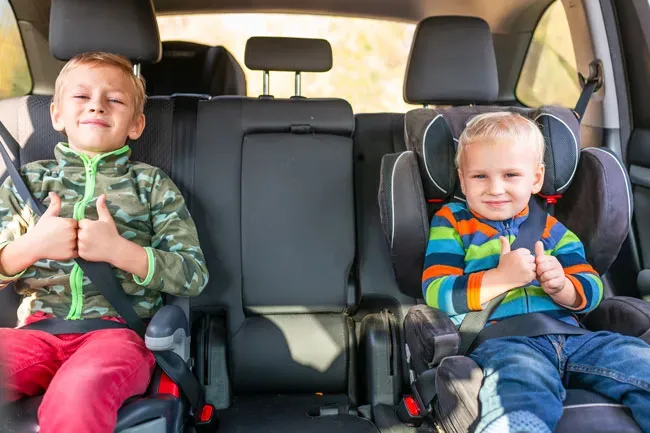
(c) Passengers no taller than 135 cm must be secured to their seats by seat belts or have a means of protection against injury in the event of an accident, regardless of which row they sit in.
If a driver or passenger cannot be secured to their seat by a seat belt for health reasons, they are exempt from the requirements of the first paragraph. However, that person must have a means of protection against injury in the event of an accident.
Child safety seats and special seats for children to prevent injury under (2)(b), and the means of protection against injury in the event of an accident prescribed in this section, must comply with the requirements announced by the Commissioner-General of the Royal Thai Police.
This Act is called the “Road Traffic Act (No. 13), B.E. 2565 (2022).” Section 2 stipulates that this Act takes effect after one hundred and twenty days have elapsed from its publication in the Royal Gazette.
Anyone who violates or fails to comply with these requirements is subject to a fine of up to THB 2,000 (Thai PBS).
This law therefore took effect on 5 September 2022. The Royal Thai Police subsequently issued a notification specifying child safety seat requirements and means of protection against injury, effective from 17 August 2023. Details are provided in the enforcement status section below.
What Is the Car Seat Law?
Using a car seat when transporting children is very important today because it affects their safety. For this reason, car seat use must comply with the car seat laws established in Thailand.
Thailand’s car seat law regulates the use of car seats when transporting children to protect them from harm during travel. The Road Traffic Act sets out the responsibilities of drivers and passengers, while child safety seat specifications and means of protection against injury must comply with notifications issued by the Commissioner-General of the Royal Thai Police.
Under the law, children aged 6 and under must sit in a child safety seat or a special seat for children, or have a means of protection against injury as specified in the notification. Passengers no taller than 135 cm must wear a seat belt or have another means of protection against injury, regardless of which row they sit in. Drivers and all passengers must wear seat belts at all times. Choose a car seat that meets safety standards and install it according to the manufacturer’s instructions.
Following Thailand’s car seat law is therefore essential to protect children from harm and keep them as safe as possible during travel.
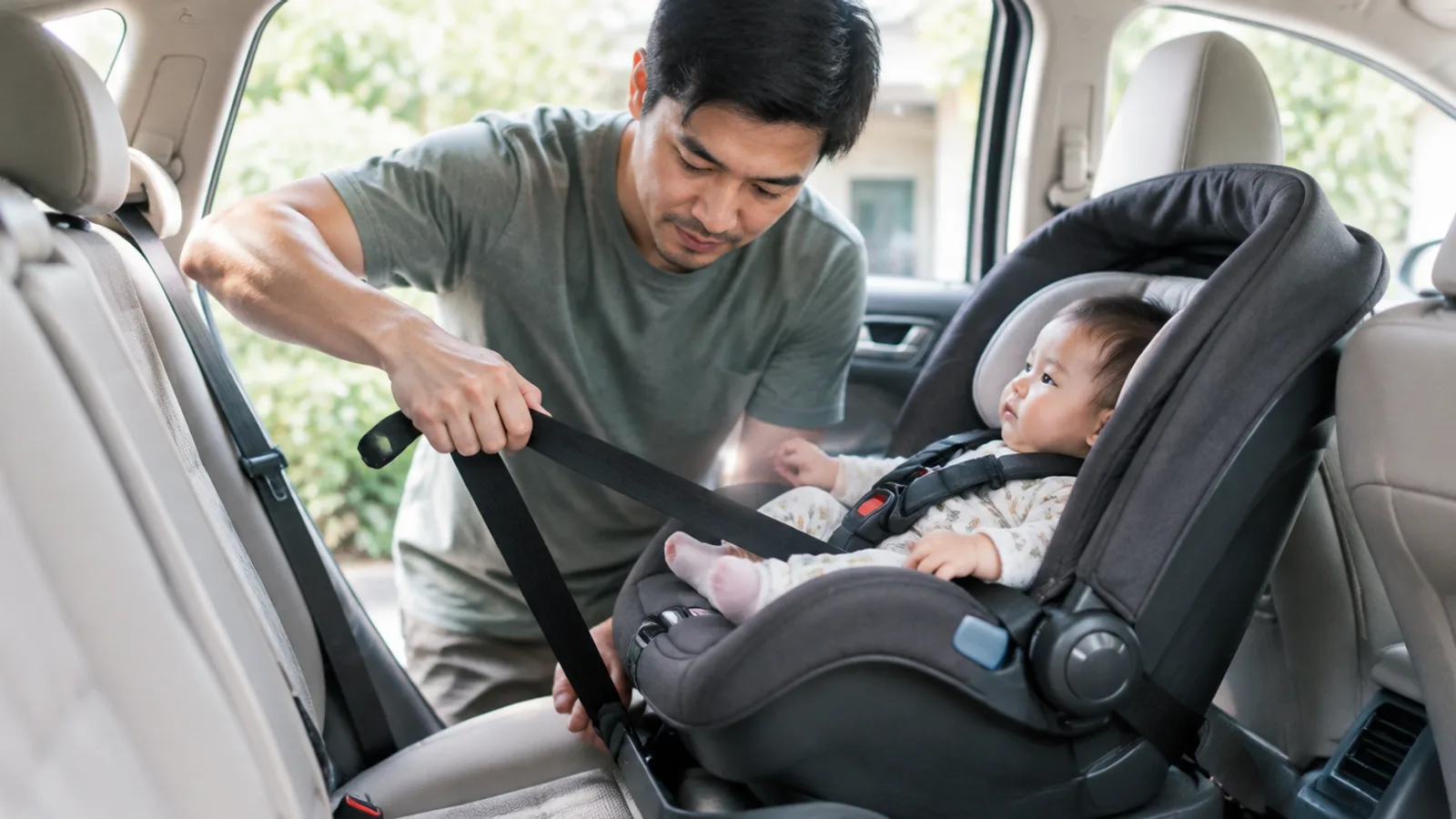
Thailand’s Car Seat Law: Installing a Child Seat
Installing a child seat is important for preventing accidents during car journeys. The Road Traffic Act (No. 13), B.E. 2565 (2022), does not specify an age or weight at which children must switch from a rear-facing to a forward-facing car seat. However, international safety guidance from the American Academy of Pediatrics (AAP) recommends the following:
- Keep children in a rear-facing car seat for as long as possible, until they reach the maximum weight or height specified by the manufacturer for that car seat model.
- Once children outgrow the rear-facing limits, switch to a forward-facing car seat with a harness. Once they outgrow the forward-facing limits, use a booster seat until the vehicle’s seat belt fits properly, generally at a height of around 145 cm.
- Never install a rear-facing car seat in a front seat with an active airbag. Children under 13 should always sit in the back seat.
For detailed installation instructions, see How to Install a Car Seat Correctly.
Child seats must be installed according to the manufacturer’s instructions and checked to ensure they are installed and used correctly. Children must remain in their child seats throughout every car journey, whether short or long.
Check child seats regularly to ensure they remain safe and have no cracked or damaged parts that could cause an accident during a car journey.
Thailand’s Car Seat Law: Using a Child Seat
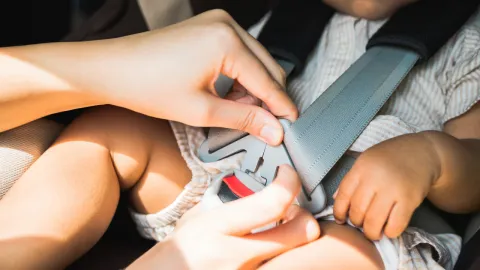
Thailand’s latest car seat law, introduced in 2022, requires children aged 6 and under to sit in a seat that protects them from injury during car travel. The seat must be a child safety seat or a special seat for children as specified in Thailand’s car seat law.
Using a child seat is therefore important for preventing injury during travel. The seat must be a child safety seat or a special seat for children as specified by law. It must meet the required standards and be certified by the relevant authorities to ensure its quality and safety.
Child seats must also be used correctly. Children must sit in the seat as intended, with adjustments made according to their age and weight so they are well supported and comfortable during car journeys. Follow the instructions and correct usage procedures to help children travel safely and with confidence.
Latest Enforcement Status
The Royal Thai Police issued a notification specifying child safety seat requirements and means of protection against injury, effective from 17 August 2023. It requires children aged 6 and under to use child safety seats, including rear-facing or forward-facing seats and booster seats, with attachment systems that meet the required standards. Vehicles for hire and public passenger vehicles are exempt (InfoQuest).
If no child safety seat is available, the notification specifies alternative conditions, such as driving slowly and carefully, seating the child in the back seat rather than in a pickup truck’s cargo bed, and having someone supervise the child during the journey or having the child wear a seat belt. However, these conditions are legal concessions only. They do not provide the same level of safety as an age-appropriate car seat. Parents should always check the latest notifications from the Royal Thai Police.
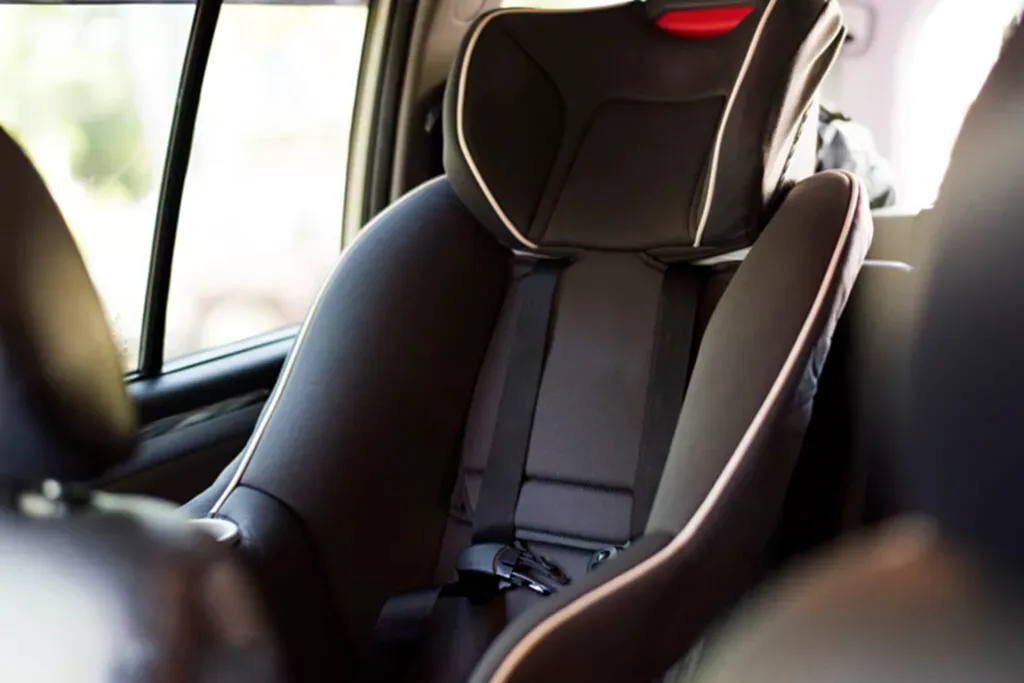
Violations of Thailand’s Car Seat Law and Fines
Under the Road Traffic Act (No. 13), B.E. 2565 (2022), anyone who violates or fails to comply with Section 123—for example, by failing to provide a child safety seat for a child aged 6 and under or a means of protection against injury as specified in the notification—is subject to a fine of up to THB 2,000.
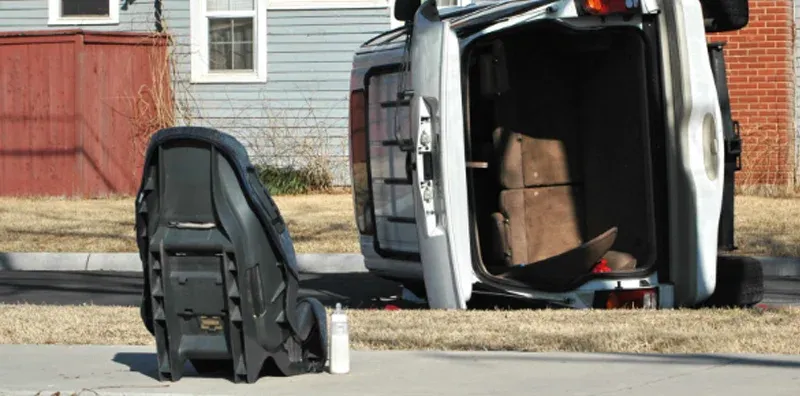
Your child’s safety matters more than the fine. Holding a child on your lap cannot protect them from injury because the force of a collision can make it impossible for an adult to hold on to the child. Read more: 5 Reasons to Use a Child Car Seat.
What Happens If You Are Found in Violation?
This is a traffic offence punishable by a fine. If police officers identify a violation, they will generally follow standard traffic offence procedures, such as issuing a ticket and requiring payment of a fine. The best approach is to prepare a car seat suitable for your child’s age, weight and height before travelling.
Safety Recommendations
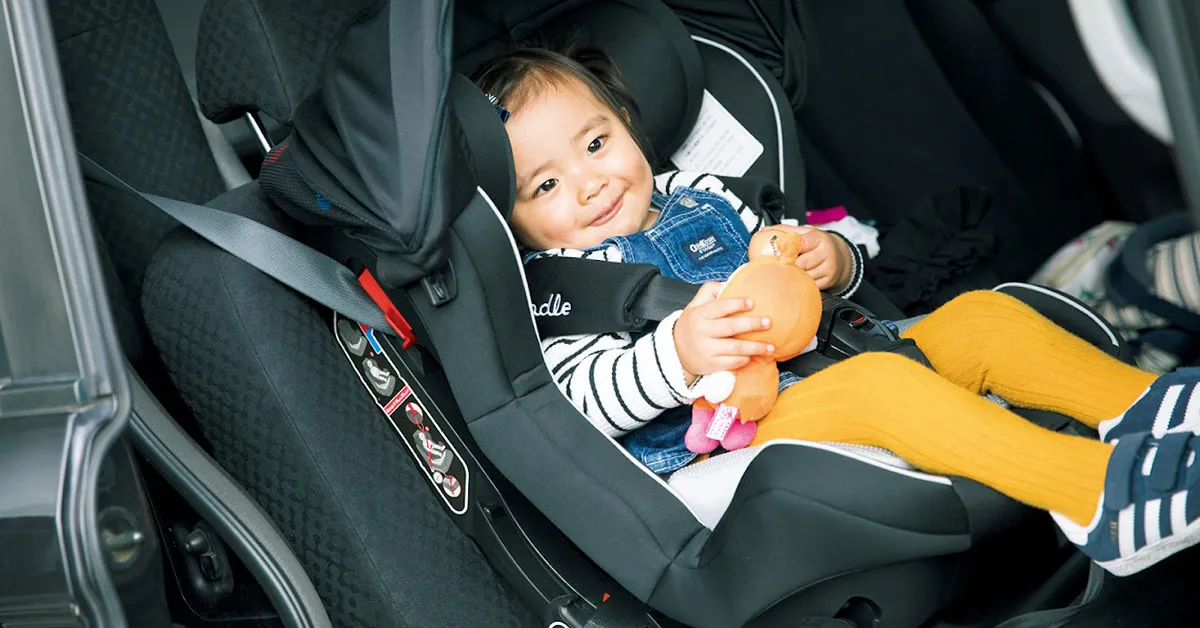
A car seat is essential when travelling by car with children. Choosing the right seat and installing it correctly are important for keeping them safe in the vehicle. The following safety recommendations will help parents choose and use a car seat correctly:
- Choose a car seat suitable for your child’s age, weight and height. See What Types of Car Seats Are Available?
- Keep your child rear-facing for as long as possible within the manufacturer’s limits, and never install a rear-facing car seat in front of an airbag.
- Never leave a child alone in a car, even briefly.
- Check the car seat’s safety before use, and install and use it according to the manufacturer’s manual.
- Install the car seat correctly in a suitable position in the vehicle, following the manufacturer’s manual.
- Check the car seat’s safety regularly. Make sure it remains correctly installed in the right position and that no parts are missing.
Using a car seat correctly is essential for preventing injuries in an accident. Install and use the seat properly, and check its safety regularly. Parents are responsible for supervising their children and ensuring the car seat is used correctly.
Referenceshttps://www.pptvhd36.com/automotive/news/171634
https://www.thaipbs.or.th/news/content/315313