


Visit our stores089-894-9491
My cartDelivery
  • ไทย
  • English
  • 中文
  • Bahasa Indonesia
  • 日本語
  • العربية
ABC the Baby
StokkeTripp TrappJoieTommee TippeeHapeGB Pockit
  • ไทย
  • English
  • 中文
  • Bahasa Indonesia
  • 日本語
  • العربية
  • Home
  • Shop
  • Articles
  • Stores
  • About us
  • Contact us

Get deals and codes first

Add ABC the Baby on LINE for promotions, new arrivals and helpful articles for parents.

Add us on LINE
ABC the Baby

ABC the Baby is a premium baby store in Thailand selling newborn essentials, maternity and hospital-bag items, newborn gifts, strollers, car seats, baby carriers and breast pumps — with stores where you can try the products in person.

About ABC the Baby

  • About us
  • Articles
  • Stores
  • Product warranty registration

Shopping

  • All products
  • On sale
  • Cart
  • Delivery

Help

  • Contact us
  • Returns
  • Privacy policy

Payment

PromptPayVisaMastercardJCBUnionPayAmerican ExpressK PLUSSCB EASYBangkok BankKrungsriTrueMoneyShopeePayLINE Pay

Chat with us

LINE OAMessenger

Our stores · 3 branches

  • Mega Bangna
  • Vibhavadi Rangsit
  • Rama 2
  • Find a store near me
© 2026 ABC the BabyPrivacy policyReturns
HomeProductsDealsGiftsStores

Hi there, welcome!

  • Chat on LINE
  • Chat on Messenger
  • Call us
  1. Home
  2. Articles
  3. Parenting
  4. How to Clean Your Baby’s Bottles Properly and Safely
  • Parenting

How to Clean Your Baby’s Bottles Properly and Safely

30 Nov 2023Updated 18 Oct 20264 min read
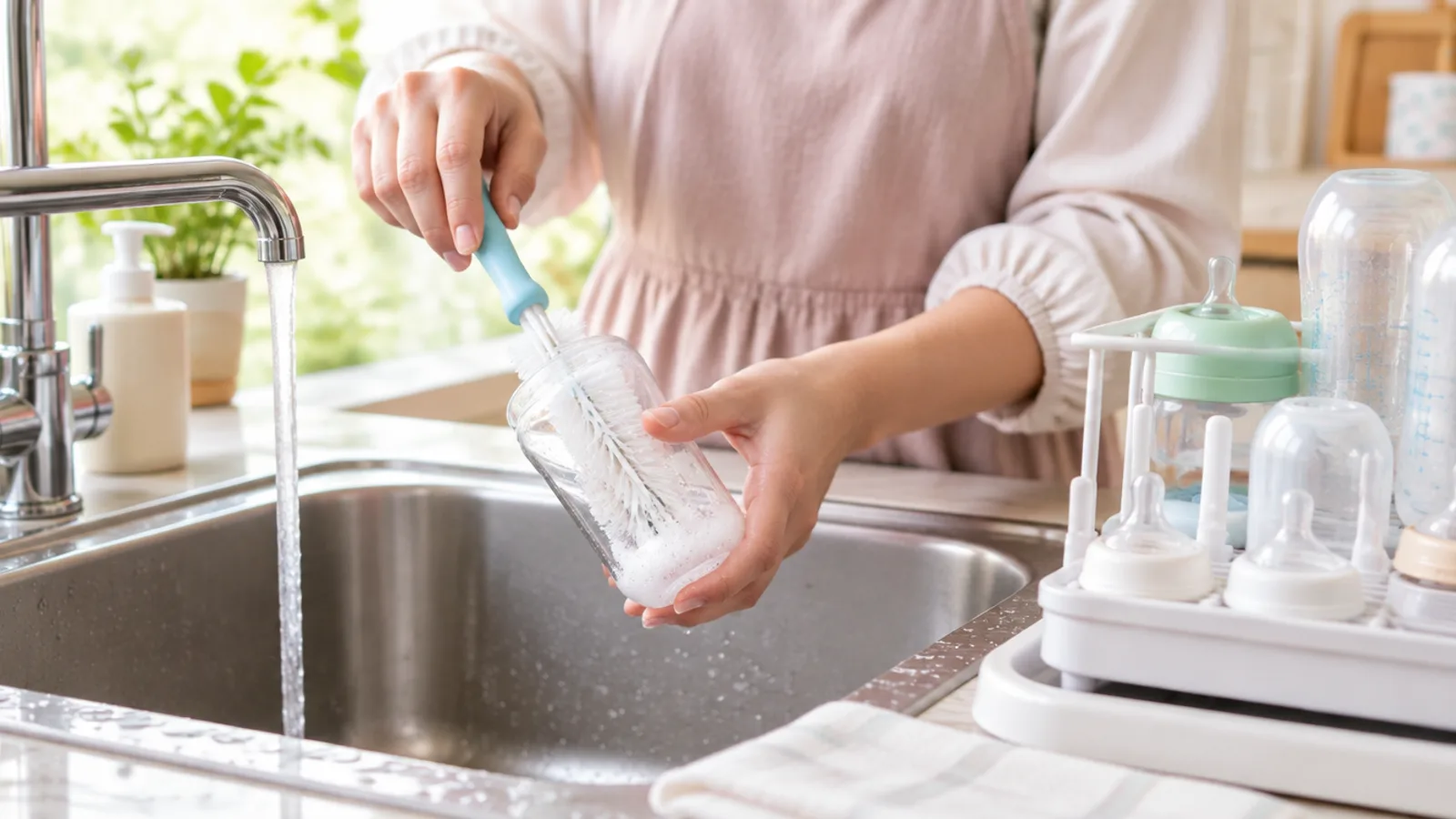
ล้างขวดนมด้วยแปรงในครัว

Jump to section

  1. Quick summary
  2. Choosing Baby Bottle Cleaning Products
  3. Prepare the Equipment You Need
  4. How to Wash Your Baby’s Bottles
  5. How to Store Your Baby’s Bottles Properly
  6. Conclusion
  7. Frequently asked questions
  8. References

Try before you buy

Visit our 3 stores to try strollers and car seats in person.

See our storesShop online

To clean baby bottles properly, separate the caps, nipples, and bottles, soak them in hot water to loosen milk residue, then wash with baby bottle cleanser mixed with warm water, using a brush or soft sponge to clean the inside before the outside. Rinse with clean water at least twice, leave upside down on a rack to dry, and store in a clean, dry place; if sterilizing with a steam sterilizer, follow the timing in its instruction manual.

Contents (8 sections)
  1. Quick summary
  2. Choosing Baby Bottle Cleaning Products
  3. Prepare the Equipment You Need
  4. How to Wash Your Baby’s Bottles
  5. How to Store Your Baby’s Bottles Properly
  6. Conclusion
  7. Frequently asked questions
  8. References

Quick summary

  1. 01

    Separate the bottles into their individual parts, including caps, nipples, and bottles, so every part can be cleaned thoroughly.

  2. 02

    Wash with hot water mixed with baby bottle cleanser or dishwashing liquid, then rinse with clean water until no suds remain.

  3. 03

    Clean the inside of the bottle before the outside, using a brush or soft sponge to avoid scratching it.

  4. 04

    Sterilize feeding equipment until your baby is at least 12 months old. If boiling, keep it in boiling water for at least 10 minutes.

  5. 05

    Before storing, check that bottles and nipples are not cracked or damaged, and keep them in a dry place away from dampness and heat.

Products mentioned in this article

  • Tommee Tippee แปรงล้างขวดนมและจุกนม 2 in 1Tommee Tippee แปรงล้างขวดนมและจุกนม 2 in 1
  • Tommee Tippee เครื่องนึ่งและอบแห้งขวดนม QuickDryTommee Tippee เครื่องนึ่งและอบแห้งขวดนม QuickDry
  • Tommee Tippee ขวดนม PPSU 260 มล. ทนความร้อนสูงTommee Tippee ขวดนม PPSU 260 มล. ทนความร้อนสูง

Recommended: Breastfeeding Tips for New Moms: How to Feed Your Baby Properly
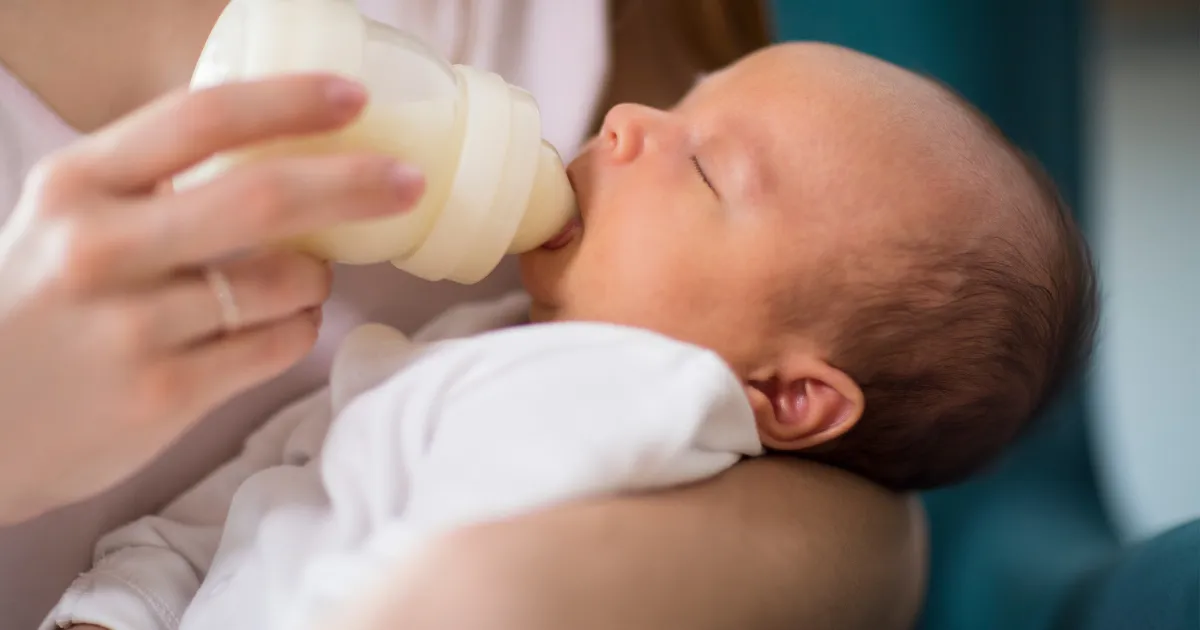
Mother feeding her baby with a bottle

Choosing Baby Bottle Cleaning Products

When choosing products to clean your baby’s bottles, consider the following:

  1. Choose a cleanser that rinses off easily: You can use either baby bottle cleanser or regular dishwashing liquid mixed with hot water. The NHS recommends washing feeding equipment in hot, soapy water as soon as possible after feeding. The important thing is to rinse thoroughly with clean water until no suds or smell remain. If you are concerned about residue, you can choose a fragrance-free cleanser specifically for baby bottles.

  2. Natural extracts: Choose products containing natural extracts, such as plant-derived or organic ingredients, to reduce the risk from potentially harmful chemicals.

  3. Tested for safety: Choose products that have been tested for safety and leave no residue that could harm your baby.

  4. A soft sponge: Choose a soft bottle-cleaning sponge that does not leave odors or chemicals on the bottle that could put your baby off drinking milk.

  5. Bottle washers and steam sterilizers: If you want to use a bottle washer and steam sterilizer, choose a brand that meets safety standards and does not produce excessive heat that could warp or melt the bottles.

Choosing suitable, safe bottle-cleaning products is important for protecting your baby’s health and safety.

Prepare the Equipment You Need

To make washing bottles easy and convenient, prepare the necessary equipment before you start. Here is what you should have ready before cleaning your baby’s bottles.

  • Warm water: Use warm water to help loosen fatty milk residue so it washes off more easily.
  • Baby bottle cleanser or dishwashing liquid: Choose one that rinses off easily, and always rinse thoroughly with clean water afterward.
  • Bottle brush: Use a clean brush that can reach every corner of the bottle, including around the rim. Browse more products
  • Clean cloth: Use a clean cloth to wipe the bottles after rinsing. Choose one that will not leave lint or fibers inside the bottles.

Additional tip: Once you have checked your equipment, pay attention to your own hand hygiene. Always wash your hands before cleaning bottles to avoid introducing germs into them.
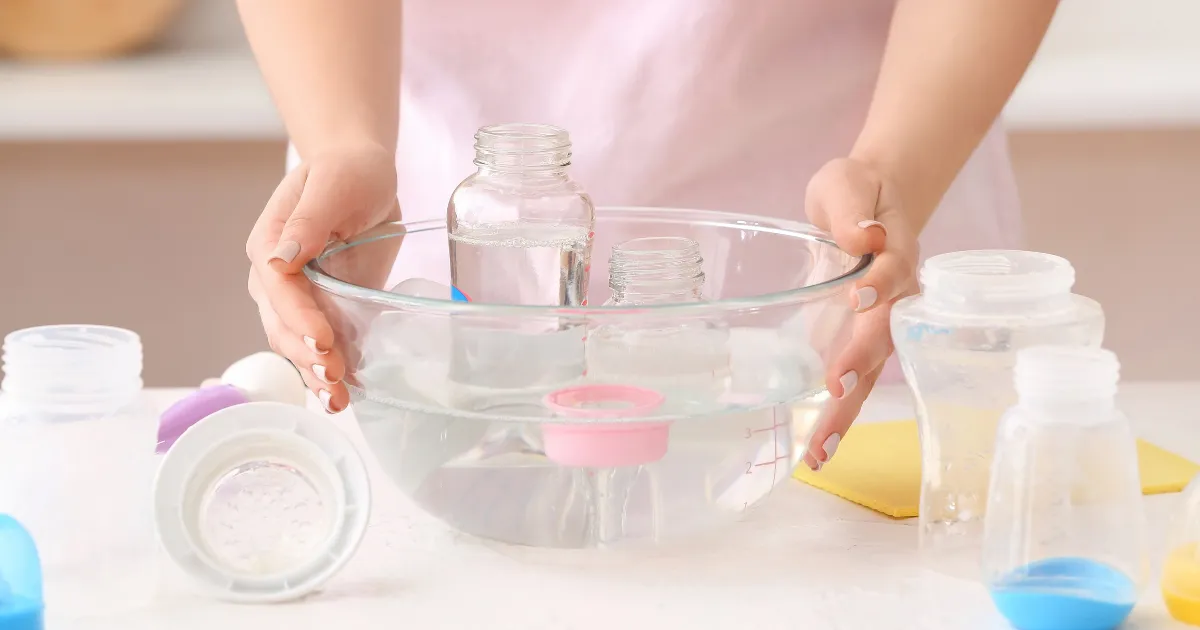
Washing a baby bottle with a bottle brush and warm water

How to Wash Your Baby’s Bottles

Follow these steps to wash bottles properly and safely.

  1. Take the bottles apart: First, separate the bottle caps, nipples, and bottles. Taking them apart makes cleaning easier and more thorough.

  2. Place the bottle parts in a basin: Put all the bottle parts into a suitably sized basin.

  3. Add hot water to loosen residue: Fill the basin containing the bottle parts with hot water, making sure the water reaches all parts to remove leftover milk residue.

  4. Mix the cleanser with warm water: Use a suitable bottle-cleaning product and mix it with warm water. Warm water helps the product work more effectively.

  5. Wash the bottle parts with a sponge: Use a sponge to clean the bottle parts, starting with the inside of the bottle and then the outside. Clean gently to avoid scratching the bottles or shortening their useful life.

  6. Rinse with clean water about twice: Rinse with clean water at least twice, gently rubbing the bottles with your fingers to check for any remaining milk residue or cleanser.

  7. Leave the bottles upside down on a drying rack: Place the bottles upside down on a rack so they can dry with air circulating around them.

  8. Sterilize the bottles: Sterilize bottles, nipples, and all feeding equipment until your baby is at least 12 months old. If boiling, first check that the equipment can be boiled, then boil it in a pot of water for at least 10 minutes, keeping every part submerged. Most silicone nipples can be boiled but may deteriorate faster, so check them and replace them when damaged. If using a steam sterilizer, follow the timing in the manufacturer’s instruction manual (NHS).
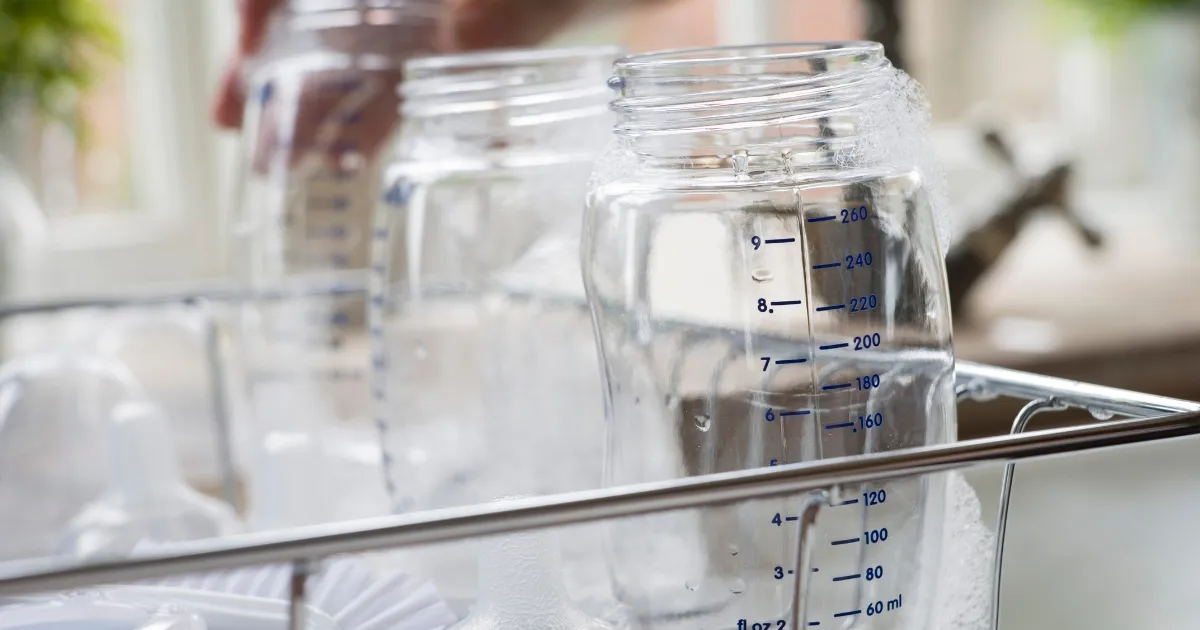
Clean baby bottles drying upside down before storage

How to Store Your Baby’s Bottles Properly

Once the bottles have been washed properly, let’s look at how to store them to keep them in good condition and safe for your baby. Proper storage is very important because it helps maintain the bottles’ quality and safety. Here are the bottle-storage practices you should know:

  1. Before storing bottles, check for cracks or damage that could harm your baby.
  2. Wait until bottles and nipples are completely dry before assembling or storing them to prevent mold and musty odors.
  3. Check nipples for tears, swelling, or stickiness, and replace them at the intervals recommended by the manufacturer.
  4. Store sterilized bottles in a clean, covered container in a dry place away from dampness and heat. Always wash your hands thoroughly before taking them out to use.

Following these proper storage practices helps keep your baby’s bottles in good condition and safe, so they can continue serving your baby well over time.

Conclusion

When cleaning your baby’s bottles, prioritize cleanliness and safety, including how you store the bottles and which cleaning products you use, to help keep your baby safe, healthy, and strong. Alongside cleaning bottles thoroughly, preparing and storing milk properly is equally important (read more: How to Choose and Store Baby Formula).

Recommended: A New Mom’s Checklist: What Foods Should You Avoid While Breastfeeding?

Frequently asked questions

Can I use regular dishwashing liquid to wash baby bottles?

+

Yes. The NHS recommends washing with hot, soapy water, then rinsing thoroughly with clean water until no suds or smell remain. If you are concerned about residue, you can choose a fragrance-free cleanser specifically for baby bottles.

What should I prepare before washing baby bottles?

+

Prepare warm water, baby bottle cleanser, a bottle brush that reaches every corner, and a clean, lint-free cloth. Always wash your hands thoroughly before starting.

Do baby bottles need steam sterilizing after every wash?

+

Feeding equipment should be sterilized until your baby is at least 12 months old. Boil it in water for at least 10 minutes or use a steam sterilizer for the time specified in its instruction manual.

How should I store washed baby bottles to keep them clean?

+

Wait until the bottles are completely dry, then store them in a clean, dry place. Avoid damp or hot areas, and check for cracks before use.

References

  1. CDCClean sanitize
  2. ColgateHow to clean a baby bottle correctly in 5 steps
  3. Pregnancybirthbaby.orgCleaning and sterilising baby bottles
  4. BabimildBaby milk bottle wash
  5. NHSSterilising baby bottles

Related articles

หมุนเวียนของเล่น : 8 วิธี ช่วยส่งเสริมให้เด็กเล่นอย่างมีสติ
  • Parenting
  • Developmental Toys

Toy Rotation: 8 Ways to Encourage Mindful Play

Holidays often bring new toys, whether as gifts or purchases from parents. This is a valuable opportunity to teach children gratitude and appreciation for what they have.

17 Apr 20245 min read
คุณแม่หลังคลอดห่มผ้าอุ่น ๆ ดื่มน้ำอุ่น
  • Parenting

Why Do Postpartum Chills Happen, and How Can Mothers Manage Them?

Brief shivering can happen soon after birth. Learn how to stay comfortable and which warning signs, including fever or heavy bleeding, need immediate medical attention.

17 Feb 20246 min read
เบาะนอนทารกแน่นพร้อมผ้าปูตึง
  • Parenting

5 Tips for Choosing a Baby Mattress for Comfortable Sleep

Your baby's sleep deserves careful attention. When choosing a mattress, consider your baby's weight, easy cleaning and good-quality materials, and avoid one that is too old. Bringing your baby along can also help you choose.

10 Feb 20245 min read