






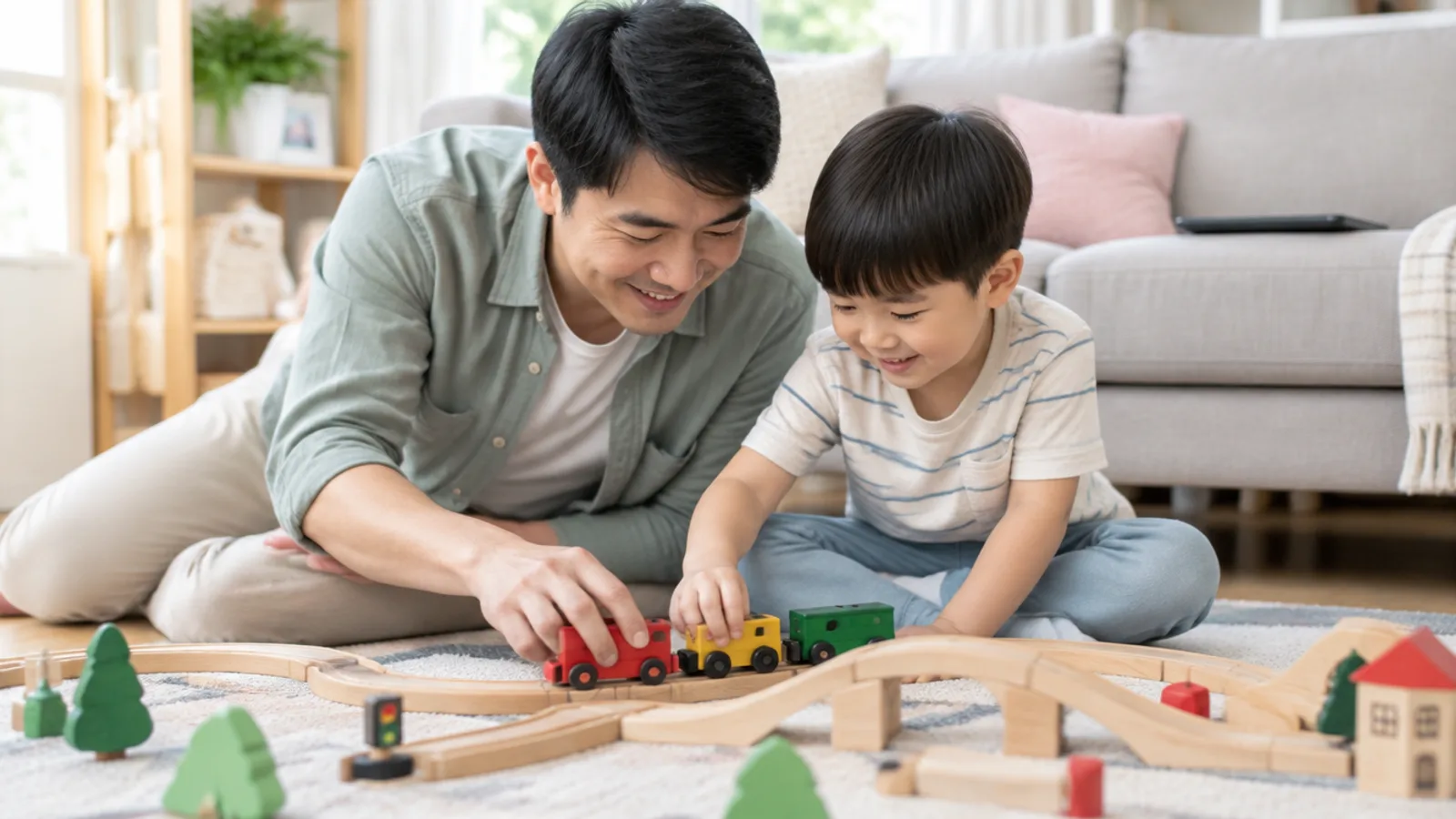
Children becoming hooked on screens is one of the most common concerns for parents today. While we have seen advances in technology, some parents have become aware of its potential risks.
Children's dependence on screens can have many effects, but there is a way to help: play! Learning through play can encourage children to spend less time glued to screens.
Children in a digital world
Today's children are born into a world of technology. They need to understand and use digital tools in their lives more than previous generations did. But that does not mean using technology for everything in everyday life is a good thing.
Most parents of young children will recognise this situation: when their child cannot use a phone or tablet, they become angry and try to get it back from the parent who took it away.
Let's look at what happens in children's brains when they use devices such as phones or tablets.
The colours, sounds, movement and rapid responses on screens can make the digital world more captivating to children than the real world, and the brain often perceives it as a source of instant gratification. When parents suddenly tell them to stop, young children, who are still learning to regulate their emotions, feel frustrated and do not know how to handle those feelings. Many families find that asking a child to stop watching a screen often ends in tears or arguments.
Observe your child's behaviour and pay close attention
In the past, for example, television was what kept children glued to a screen, so absorbed that they did nothing else. Today, it goes further. If your child starts worrying about what their favourite YouTuber will post next, the digital world is occupying their thoughts even when the device is switched off. When a child is hooked on TV, we can see them sitting in front of it and remind them to do something else. With the digital world, however, we cannot see how it is working in their mind.
Excessive screen use can take time away from physical activity and resting the eyes (read more: How to Protect Children's Eyesight), and may affect relationships within the family and among friends. Children may even want to use screens while spending time with family or when friends come over.
How to manage excessive technology use (technology overuse)
Taking action when #KidsAreGluedToScreens
Children respond to clear routines, so set rules and follow them consistently. Decide how much time your child can spend watching TV or YouTube each day. When screen time ends, offer something enjoyable, such as going for a walk or riding a bicycle. This can help shift their attention away from screens.
For time limits, the World Health Organization (WHO) recommends no sedentary screen time for children under 2. For children aged 2–4, sedentary screen time should be no more than 1 hour a day, and less is better. The rest of their time should include play, movement, reading stories and sufficient sleep.
Once you get home, the tears and demands for a phone or tablet may begin again. This is a good time to draw children into enjoyable play that will keep them engaged.
1. Trains and tracks have the power to draw children in
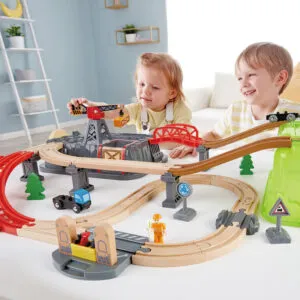
We recommend toy trains as a helpful option. We all know how wonderful an afternoon spent building a railway can be, giving children the pleasure of creating something themselves.
Children playing with trains need to arrange a space for the tracks and their surroundings. They have to plan where each piece should go, bringing together bridges, tunnels, level crossings, trees, buildings and more, and letting their imaginations create routes with endless destinations.
Battery-operated trains with sounds and lights that move by themselves can be especially captivating. On the way home from school, encourage your child to notice what is around them in the town. They can remember those details and add them to their railway scene. A train set can then make it easier to draw your child away from the TV, phone or tablet. Toys really can be wonderful!
With a train toy that includes a storage bucket, such as the Hape Railway Bucket-Builder-Set, children can enjoy building a town for passengers and carrying goods to different stops. To make their unfolding story even more exciting, help them create beautiful scenery with DIY additions made from paper, coloured pencils, scissors and anything else they can imagine. Train play can become a craft activity too.
Using this approach every day, or whenever children want to use a tablet, can make it easier for them to change their minds. That is the power of classic toys!
2. The endless appeal of musical toys
Music can help when children become tearful and frustrated about switching off screens. Listening to or playing music can lift the mood of both adults and children, and offers another way for children to relax and express their feelings.
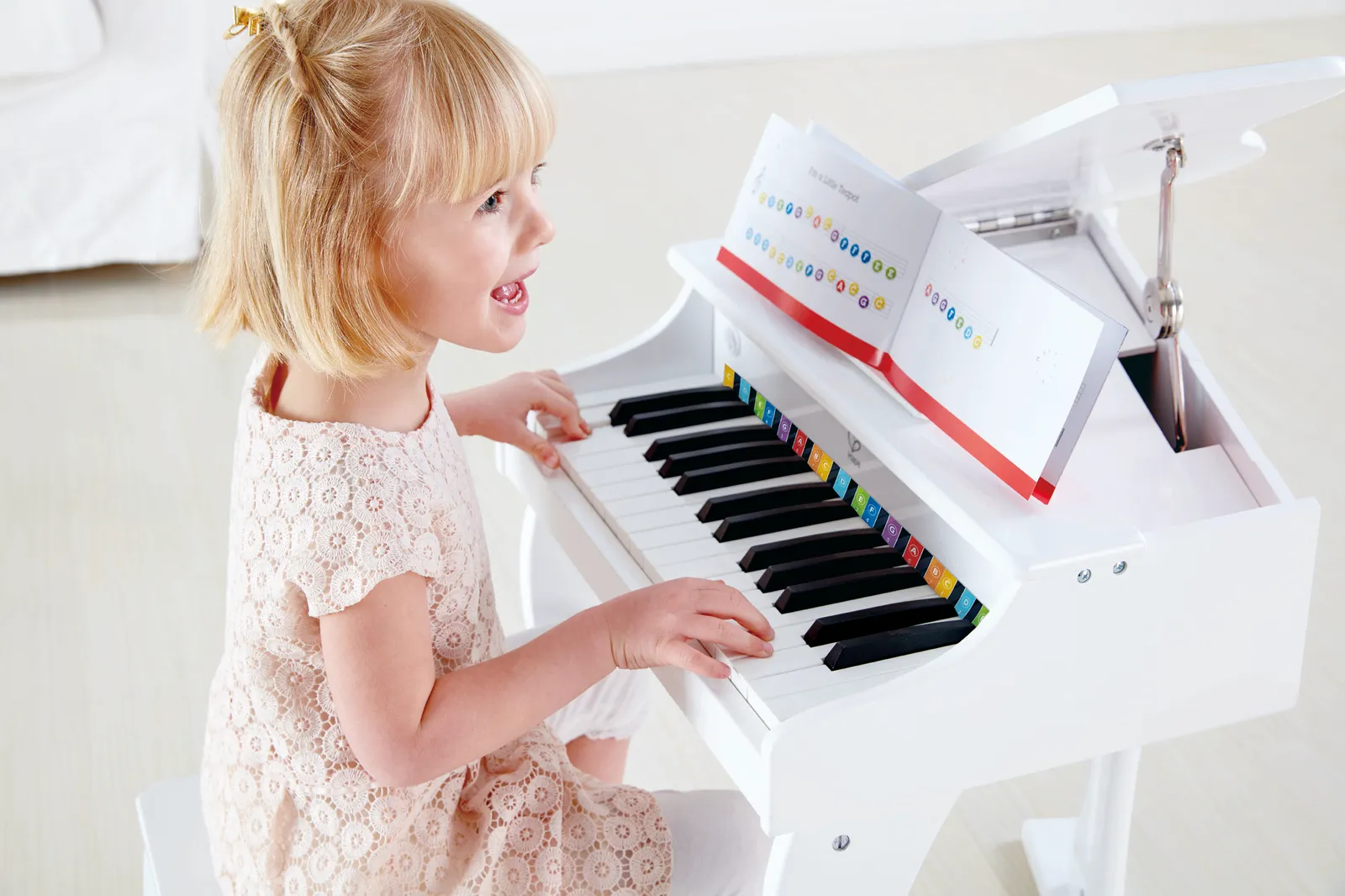
How can drums or a toy piano draw children's attention away from screens?
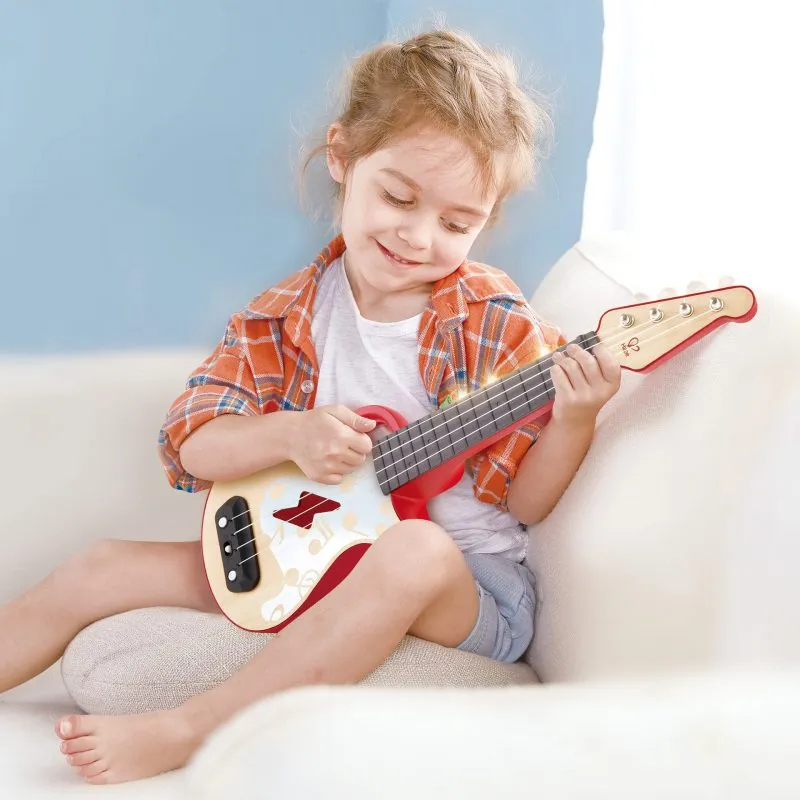
Because music offers an emotional outlet, playing with musical toys can also help children feel calmer. They can release their frustration about being away from technology and focus instead on the fun of playing notes.
These are just two examples of replacing screen time with creative play. They offer a good starting point for adding more creative activities that can help children reduce their dependence on screens or forget about them altogether.
While your child plays, or while you play together, put devices out of reach so they do not tempt your child. This also helps you practise spending quality time together and gives you a break from screens too.
If you are looking for an excellent developmental toy, ‘Hape’ is a good choice. We offer a wide range of wooden toys that support children's development at every stage.
Thoughtfully designed around children's learning, these toys help them practise important skills such as seeing, listening, observing, using fine motor skills, solving problems, imagining and thinking creatively. They also promote integrated academic learning through STEAM.
Their durable designs and sturdy materials focus on supporting children's development, while making child safety a priority. They feature non-toxic colours and FSC-controlled wood. Their strength and durability give them a long useful life and make them environmentally friendly.
These qualities have made Hape a global wooden toy brand that meets ICTI, CCIB, ISO 14001 and ISO 9001 standards.
It is easy to see how Hape wooden toys can enrich these activities and help keep little ones away from screens.
What matters most is sharing happy moments as a family, because where there is love, there is a complete home! What activities do you enjoy with your child? 😁
Hape Thailand
Love Play Learn
🌐: Browse all products /hape-brand-page
Keep up with news and special offers FB : Hape Thailand