






Eye health deserves attention throughout children's school years and development. Myopia has become more common in the digital age, and parents should be prepared to care for their children's eyes and help prevent shortsightedness. This matters particularly when children need to study or work online, as looking after their vision can help avoid long-term problems. ABC the Baby has gathered practical ways parents can support their little ones' eye health. Let's explore them.

Recommended: Is Being Left-Handed a Problem? Should You Let Your Child Be or Encourage a Change?
Why Are Children Today Becoming Shortsighted?
Vision problems affect quality of life, particularly among young people aged 20 and under. Myopia and other eyesight problems can affect learning, skill development and activities requiring sustained visual attention. They also have health implications that influence children's overall quality of life.
A study by Holden and colleagues, published in Ophthalmology in 2016, estimated that around one-third of the world's population, approximately 34%, had myopia in 2020 (2563 in the Buddhist calendar). The American Academy of Ophthalmology (AAO) states that almost half the global population could have myopia by 2050 (2593 in the Buddhist calendar).
Causes of Myopia in Children
Myopia and other vision problems in children can arise from several factors affecting visual development. Important causes include:
Heredity: Genetic factors are a major cause of myopia. If someone in the family has a vision problem such as shortsightedness, it may also affect the child. Children with shortsighted parents or relatives are at greater risk.
Using screen-based technology: Frequent screen use may increase children's risk of vision problems such as myopia. Prolonged use of smartphones, tablets or computers may raise that risk.
Reading or studying: Reading or studying for long periods without breaks can contribute to myopia in children. Sustained close-up work combined with little outdoor time is associated with increased risk.
Limited outdoor time: Research has found that children who spend more time outdoors in natural light have a lower risk of myopia, while those who remain indoors have a higher risk.
Signs Your Child May Be Shortsighted
Difficulty seeing distant objects: Children may struggle to see things far away, say they cannot read the classroom board, or show changes in their interest in outdoor activities such as sports involving distant objects.
Squinting, rubbing the eyes or blinking frequently: Children may squint when looking into the distance, rub their eyes often or complain of sore eyes and headaches, particularly after school or prolonged visual tasks.
Slow adjustment of focus: Children may take longer to refocus from nearby to distant objects, making it harder to see things far away.
Sitting or holding things very close: Children may sit very close to the television, hold books or tablets near their face, or bend close to their notebook when writing.
If you notice these signs, take your child to an ophthalmologist for an eye examination. Myopia can be corrected with suitable glasses, and earlier detection helps children make the most of learning and play (source: NHS).
Recommended: 5 Accurate Ovulation Tracking Apps to Help You Plan Pregnancy
Ways to Protect Eyesight
- Limit screen time
- Offer foods that support children's eye health
- Encourage more frequent blinking
- Play outdoors and rest the eyes
- Provide enough room lighting
1. Limit Screen Time
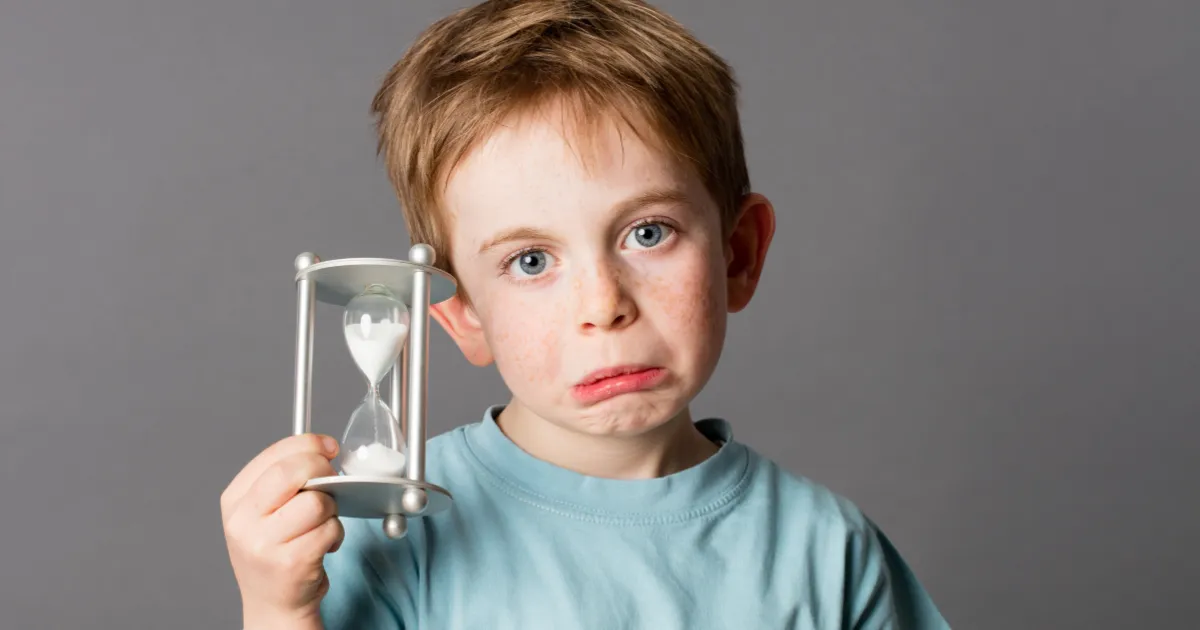
Parents need to set appropriate screen limits. Clear rules or a schedule help children understand how long each session lasts, reduce fussing and support eye health. The American Academy of Pediatrics (AAP) recommends avoiding screens for children younger than 18–24 months, except video calls, and limiting children aged 2–5 to one hour daily. During screen use, follow the 20-20-20 rule: every 20 minutes, look about 6 meters (20 feet) away for 20 seconds. Alongside explaining the limits, you can use device timers or screen-time controls. You can also invite your child to play with toys instead; see Using Toys to Help Children Spend Less Time on Screens for ideas.
2. Foods That Support Children's Eye Health
Vision is important to children, so caring for their eyes helps keep them healthy and supports efforts to avoid future shortsightedness. Appropriate food is another way to care for eyesight. Various foods contain nutrients that support healthy eyes, including vitamin A, vitamin C, vitamin E and omega-3 fatty acids.
3. Encourage More Frequent Blinking
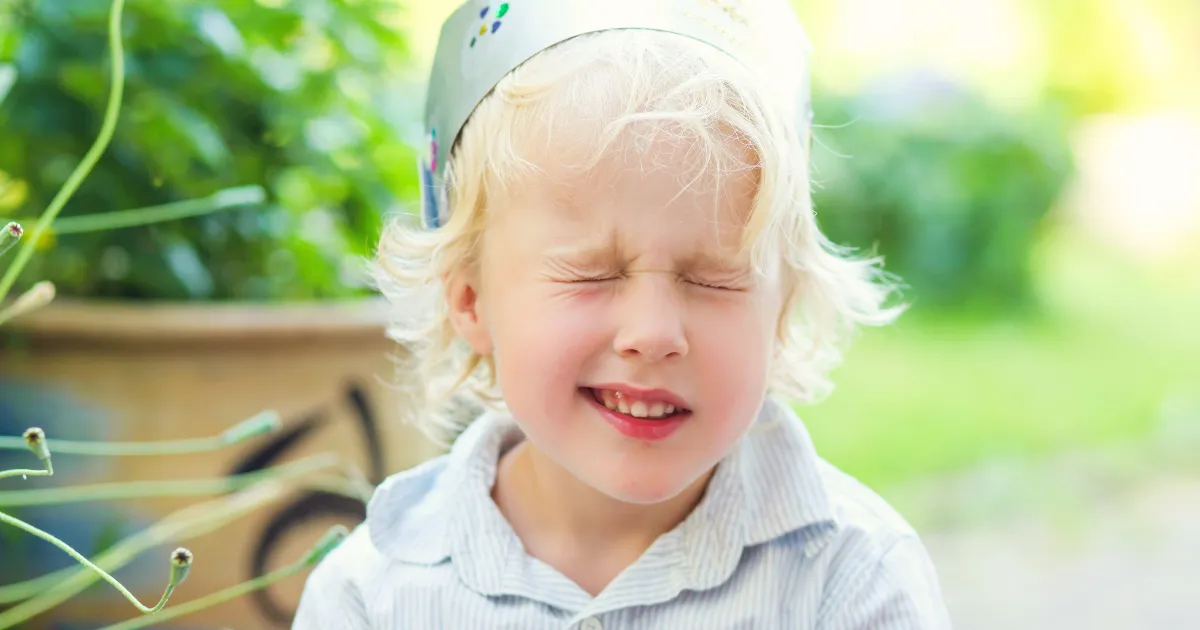
Blinking more often may seem simple, but it helps reduce dry eyes and eye strain because people tend to blink less when looking at screens. Blinking spreads tears across the eyes, helping prevent stinging. Remind your child to blink and rest their eyes regularly to reduce fatigue. Although this improves comfort, it does not directly prevent myopia. It is another eye-care habit parents can help children practice.
4. Play Outdoors and Rest the Eyes

Besides studying on screens, your child may also use them to relax. Taking breaks elsewhere is another way to care for their eyes. Try other activities such as walking outdoors, cooking together or exercising. These help children look away from screens and relax without feeling stressed. Daily outdoor play in natural light is especially important: both the AAO and NHS state that it helps reduce the risk and delay the onset of myopia in children. Activities include sand play, cycling or running in a park. Remember sunscreen and a hat in strong sunlight.
5. Provide Enough Room Lighting
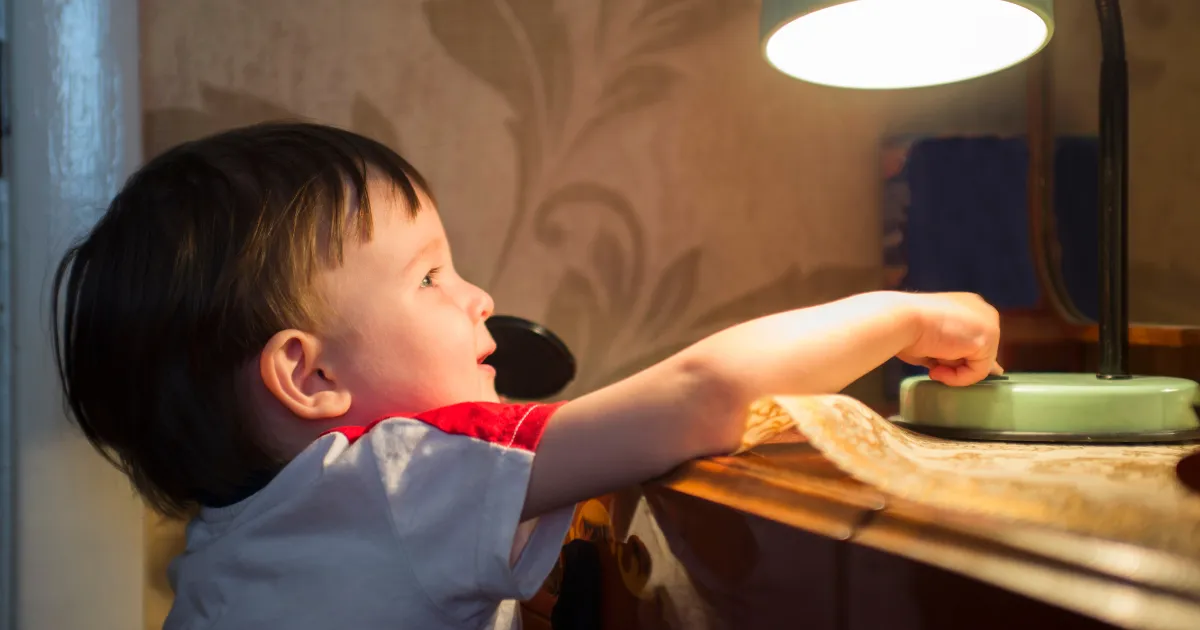
Appropriate lighting matters for eye health. Watching screens or reading in a dark or poorly lit room makes the eyes work harder and can lead to stinging, dryness and fatigue. Light the whole room adequately, avoid reflections on screens and have children hold books or screens a reasonable distance from their eyes. Regarding blue light, the AAO states that light from digital devices does not harm children's eyes. However, avoid screens before bedtime because their light can disrupt sleep.
Recommended: 5 Tips for Choosing a Baby Mattress for Comfortable Sleep
These five approaches support eyesight, which is as important to everyday life as any other part of the body. Children today face a considerable risk of developing myopia early. ABC the Baby has selected simple, practical eye-care habits for parents. Take your child for eye checks as recommended by their pediatrician or whenever you notice unusual symptoms. Remember that prevention is better than waiting until problems become harder to address.
References:
- https://www.opticalexpress.co.uk/magazine/article/5-steps-to-protect-your-childrens-eyes
- https://www.rebuildyourvision.com/blog/childrens-eye-health/10-tips-to-preserve-kids-vision-in-a-high-tech-world/
- https://www.aao.org/eye-health/tips-prevention/tips-children-eyes-vision
- https://www.aao.org/eye-health/diseases/myopia-nearsightedness
- https://www.nhs.uk/conditions/short-sightedness/
- Holden BA et al. Global Prevalence of Myopia and High Myopia and Temporal Trends from 2000 through 2050. Ophthalmology. 2016