






Preparing your newborn’s bedroom is an important step in providing a safe, comfortable environment during their first weeks after birth.
In this article, we will explain the benefits, why preparation matters, and the equipment to consider having in your baby’s bedroom before your due date.
Recommended: What Newborn Essentials Do You Need Before Taking Your Baby Out?

Get all your newborn essentials in one place: Browse our 20-item baby preparation checklist, divided into essentials and nice-to-haves. Choose models of car seats, strollers, cots, bottles and bathtubs, skip categories you already have, and add the whole set to your basket in one go.
What Are the Benefits of Preparing Your Baby’s Bedroom?
Setting up your baby’s bedroom matters because it affects your newborn’s comfort and safety. Here are the reasons why preparing a bedroom for your baby is important:
Your baby’s comfort: A well-arranged bedroom gives your baby a comfortable place to sleep and space for activities such as playing and learning.
Safety: Preparing your baby’s bedroom helps reduce potential risks, such as dangerous toys, and keeps your baby from accessing their mother’s belongings.
Creating a supportive environment: Preparing your baby’s bedroom can create surroundings that support their growth and physical and emotional development.
Making care tasks easier: A well-arranged bedroom makes caring for your baby and getting things ready easier for parents.
Creating positive experiences: A well-arranged bedroom helps your baby enjoy positive sleep experiences and may also contribute positively to their development.
Preparing your baby’s bedroom is important for providing an environment that supports their growth and development.
When Should You Start Preparing Newborn Essentials?
Preparing newborn essentials at least 3 weeks before your due date is a good way to make sure you are ready to care for your baby when they arrive. Preparing ahead helps ease worries during early parenthood and gives you peace of mind if your baby arrives early.
Items to start preparing include:
A baby mattress or cot: You will need a mattress or cot suitable for your baby to sleep on during their first weeks after birth.
Hygiene supplies: These include nappies, washcloths, baby soap and essential cleaning supplies.
Newborn clothing: Prepare clothing suitable for your baby.
Bathing supplies: These include a baby bathtub, towels and baby soap.
Feeding supplies: Whether you breastfeed or formula-feed, prepare items such as bottles, teats, a bottle brush and a breast pump as needed.
Safety equipment: This includes a baby monitor to help keep your newborn safe.
Preparing ahead helps you get ready to bring your baby home and avoids a rush after the birth.
What Should You Have in Your Baby’s Bedroom?
1. A Cot and Baby Mattress
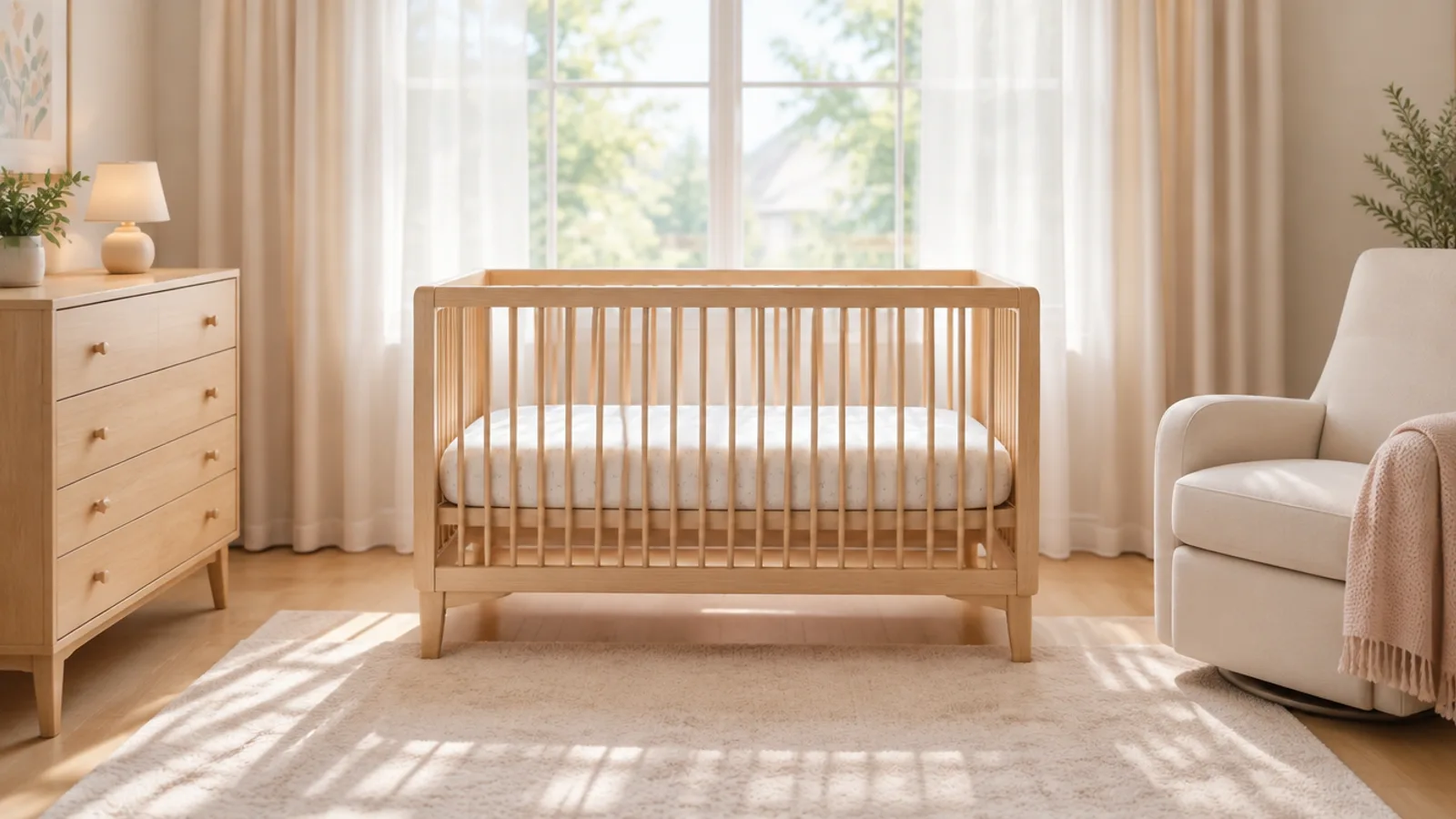
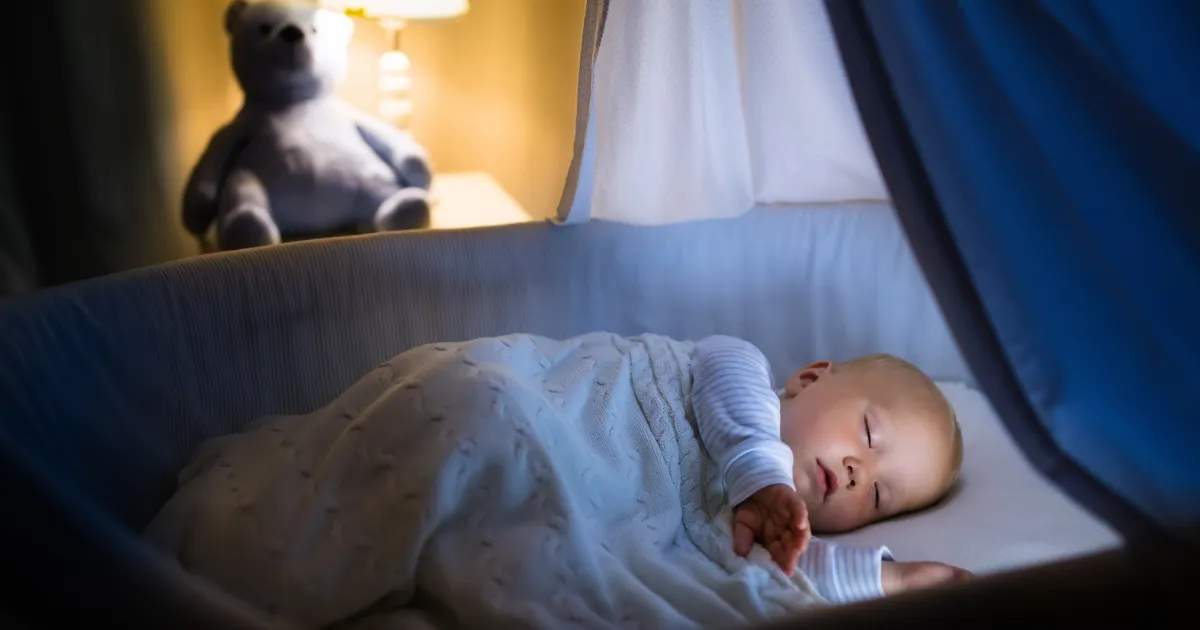
Safe sleep should be the priority when preparing a mattress or cot for your newborn. Choose a cot or cradle with sturdy protective rails to prevent falls. Use a firm, flat mattress that fits the cot snugly without gaps at the sides (read more: How to Choose a Baby Mattress). Cover it with a fitted sheet only, and always place your baby on their back. Babies are advised to sleep in the same room as their parents, in a separate cot, for at least the first 6 months to make nighttime care easier and safer. Clean the mattress and cot rails regularly.
Precaution: Do not place pillows, loose blankets, duvets, cot bumpers or soft toys in your baby’s cot, as these increase the risk of suffocation and sudden infant death syndrome (SIDS). If you are concerned that your baby may be cold, use a baby sleeping bag instead of a blanket, following the guidance of the American Academy of Pediatrics.
Recommended: Which Newborn Cot Should You Choose for Good Value?
2. Storage Cupboards and Shelves
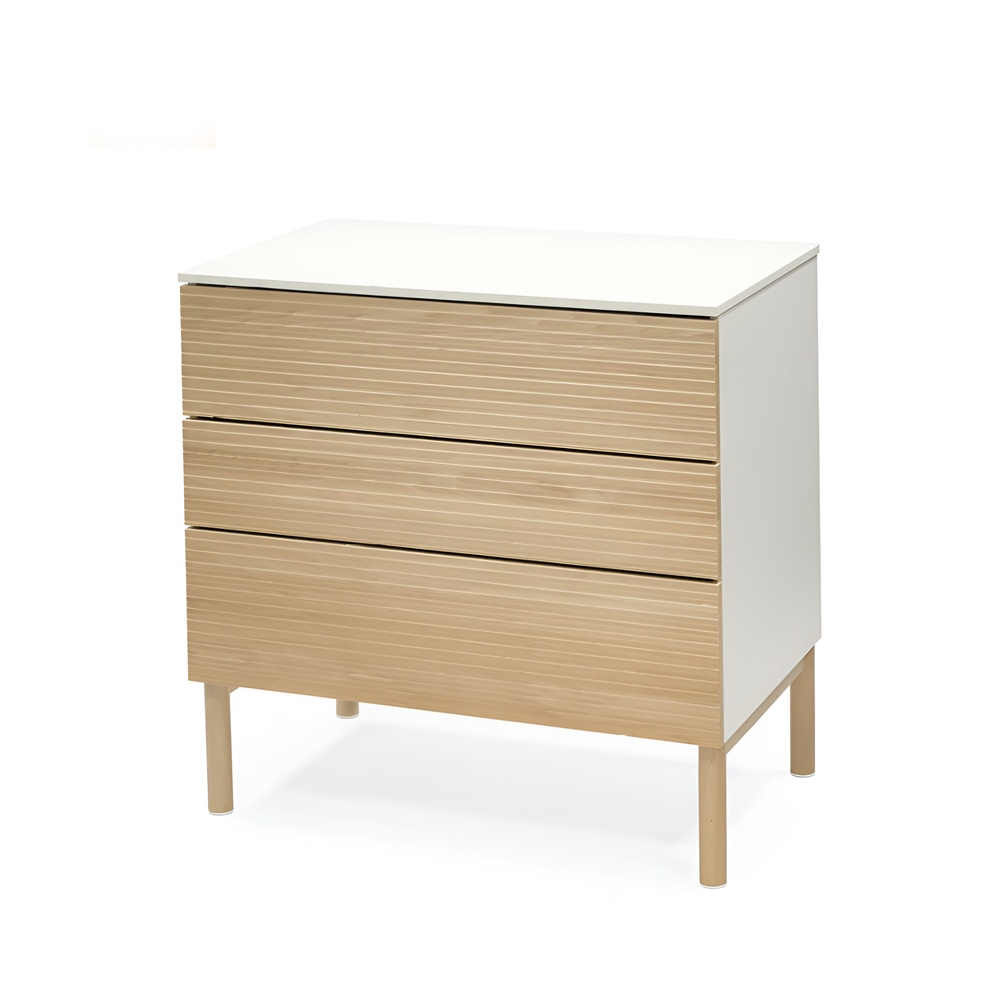
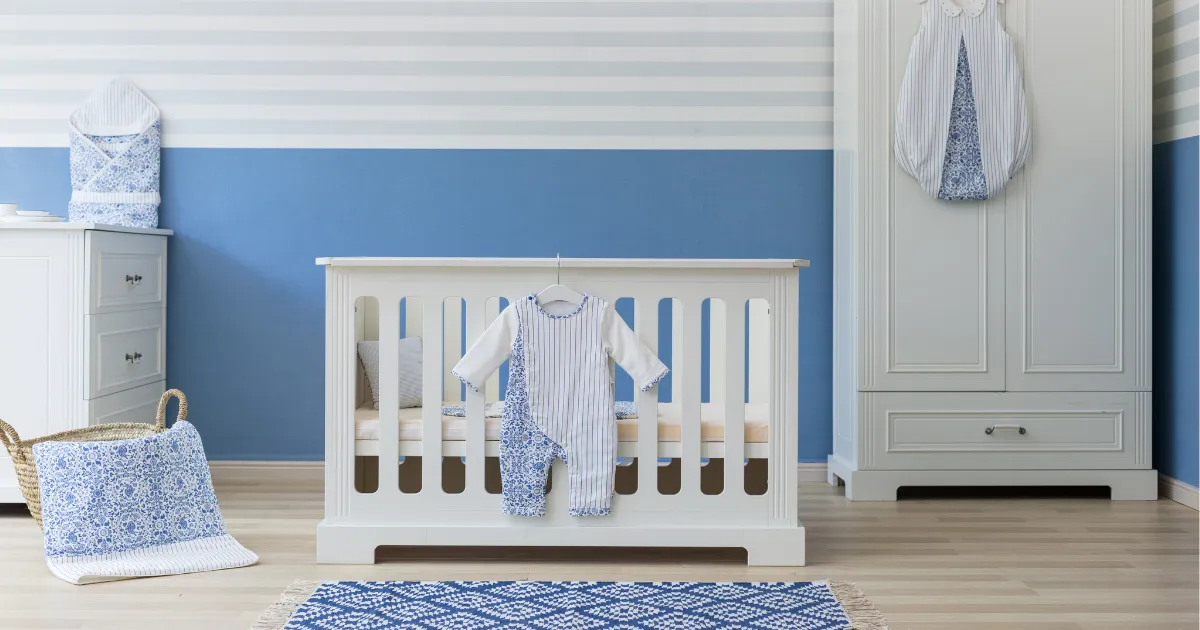
When preparing storage cupboards for a young child, consider safety and convenience. Choose cupboards with lockable doors to prevent children from accessing toys or dangerous objects. Arrange the contents neatly and put away toys that need storing, so children cannot take out unsuitable items.
Have shelves for storing bottles, cleaning supplies, clothing and toys. Keep toys organised and avoid accumulating too many so they are easy to find and use. Use small boxes or bins to keep toys tidy inside cupboards. Store them in securely closed cupboards, bags or baskets for convenience. Properly organised storage helps keep your young child safe and comfortable.
3. Video and Audio Baby Monitors
Using a baby monitor is a good way to support your young child’s safety and comfort while they sleep when you are outside the room. Installing and using the equipment correctly lets you monitor your child and check on their sleep safely and conveniently.
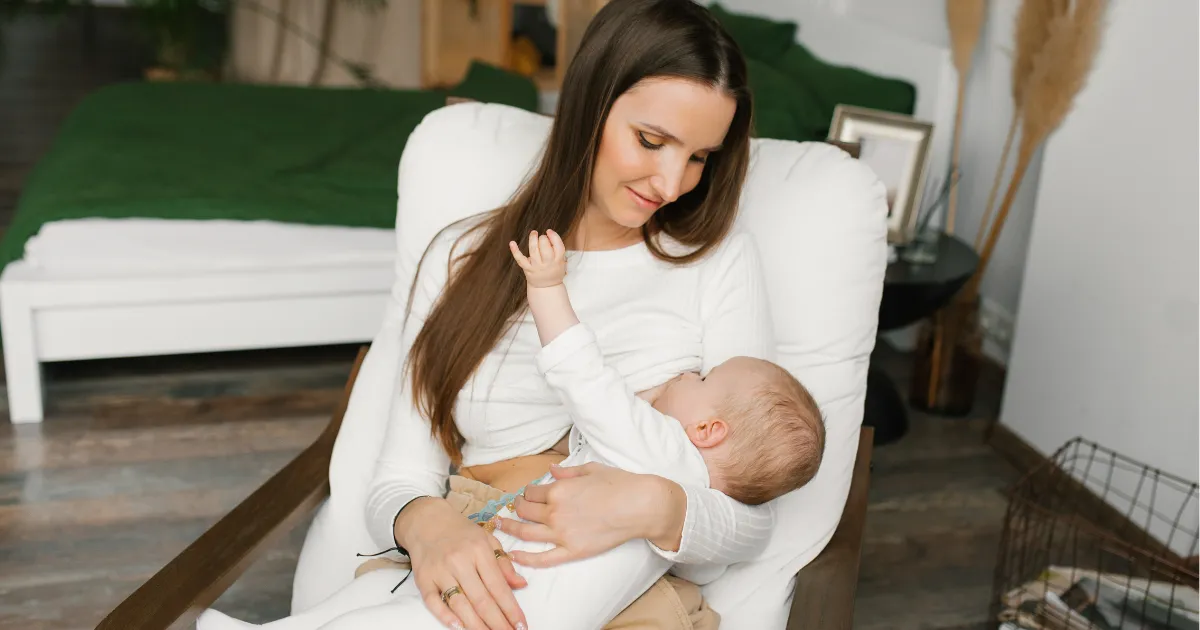
4. A Nursing Chair or Chair for Mum
A nursing chair, or breastfeeding chair, is designed to help mothers sit comfortably while feeding their baby. It helps reduce back and shoulder pain during long feeds and makes it easier to find the correct feeding position.
Nursing chairs usually have a backrest and armrests to support mothers while holding their baby. Some models have a footrest or a rocking function for extra comfort while seated.
Recommended: 5 Foods to Avoid After Giving Birth: What Can You Eat?
5. Baby Essentials
Essential items for a newborn’s bedroom include baby clothing, nappies, age-appropriate toys, nail-care tools, a rubbish bin, a nappy basket, a toy storage box to prevent clutter, feeding supplies and a laundry basket. These items help you stay prepared while caring for your baby and keep the bedroom organised and safe.
Recommended: 5 Benefits of Cooking Toys That Many Parents Overlook
Which Baby Nail Clippers Should You Choose? Plus 4 Ways to Trim Baby Nails
6. Electrical Sockets
The placement of electrical sockets and the use of socket covers are important in homes with young children to prevent them from poking objects into sockets. These measures also help reduce the risk of electric shock or household accidents caused by young children plugging in or unplugging electrical items.
Installing sockets where they are easily visible or using socket covers for convenient use are good options. Keeping sockets in sight makes it easier to check whether a young child has unplugged something or inserted an electrical item. Use socket covers to prevent children from inserting objects.
7. Bedroom Lighting
The location of a young child’s bedroom matters when creating an environment suitable for sleep. Letting natural light into the bedroom is important for helping your child’s body establish sleep and wake patterns, which supports their health and helps reduce stress when they wake during the night.
Bedroom lighting is also important. If you need a light while your child sleeps, choose one with adjustable brightness, such as a lamp with a dimmer switch or a dimmable bulb. Keeping it from becoming too bright while your child sleeps can help them sleep better.
8. Cleanliness and Room Temperature
Keeping a young child’s bedroom clean and at a suitable temperature is important because they often spend long periods there. Regularly clean the mattress, floor and play area. Maintain a comfortable bedroom temperature, avoiding conditions that are too cold or too hot. Do not dress or wrap your baby too warmly, as overheating increases the risk of SIDS. Keep your child’s toys neatly stored, and consider an air purifier or humidifier to help adjust and maintain suitable air quality in your baby’s bedroom.
Conclusion
When preparing a newborn’s bedroom, make cleanliness and safety your priorities. Provide a cot with protective rails and a firm, flat mattress. Place your baby on their back with no pillows, loose blankets, cot bumpers or soft toys in the cot, and have them sleep in the same room as their parents in a separate cot. Keep the room clean and maintain suitable temperature and humidity levels. Use equipment such as a baby monitor to watch your baby while they sleep. Keep the surroundings quiet and peaceful; you may play soft lullabies to help your baby relax, and adjust the lighting for sleep. Store clothing, toys and baby-care supplies neatly to keep your little one safe.
Have you prepared everything? Check the full list and build your set at What to Buy Before Your Baby Arrives.