






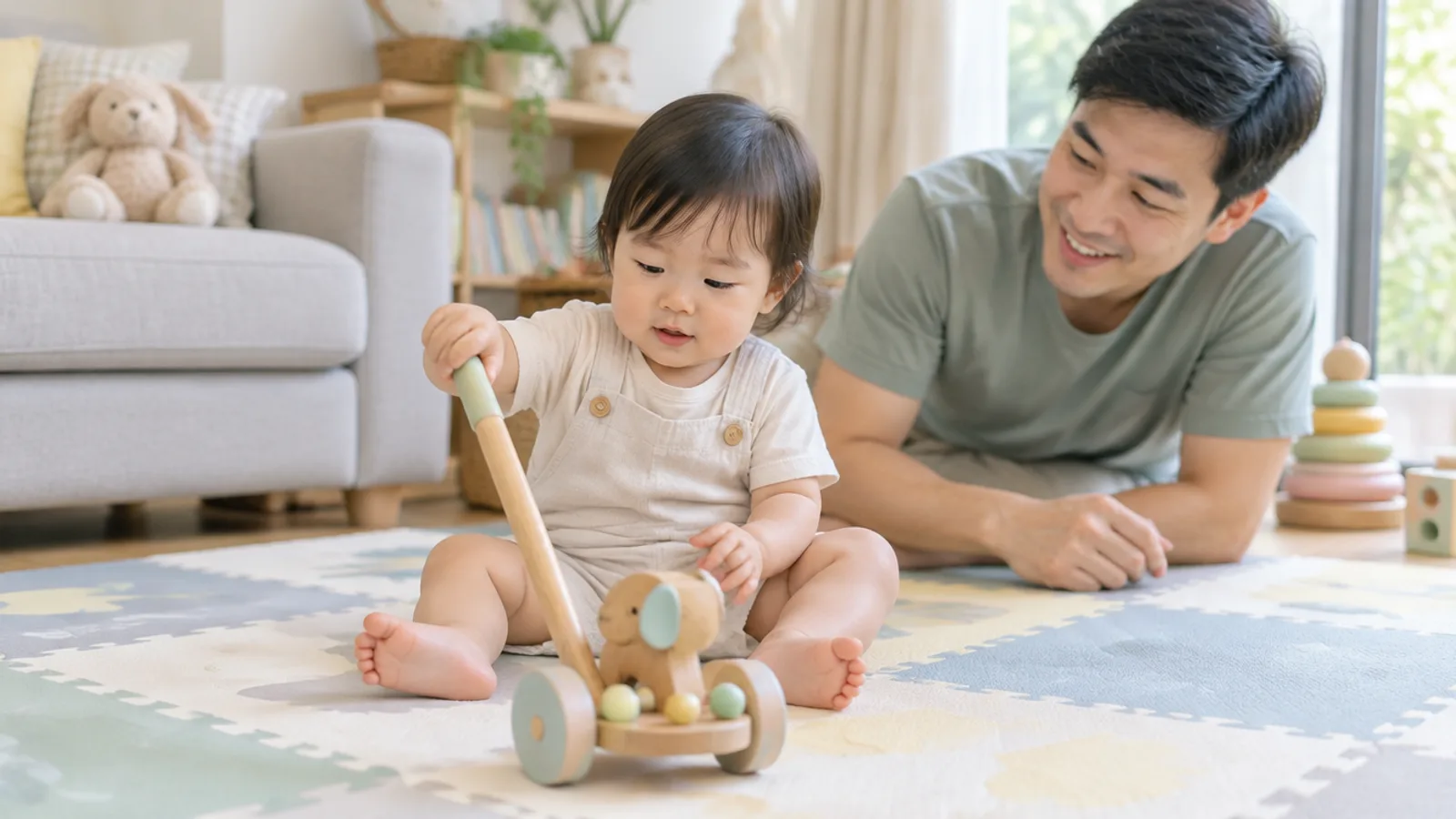
Choosing suitable developmental toys for 1-year-olds
Choosing suitable developmental toys for 1-year-olds is important for supporting their development at this stage. Consider a range of factors to help you choose toys that are appropriate and safe for your little one. When choosing developmental toys for children aged1 year,consider factors such as compliance with appropriate safety standards, toy quality, and the ability to support your child's learning and development. Also consider other aspects of suitability, such as appearance, colors, and a size that fits your child's hands (see examples atToys for 1-Year-Olds)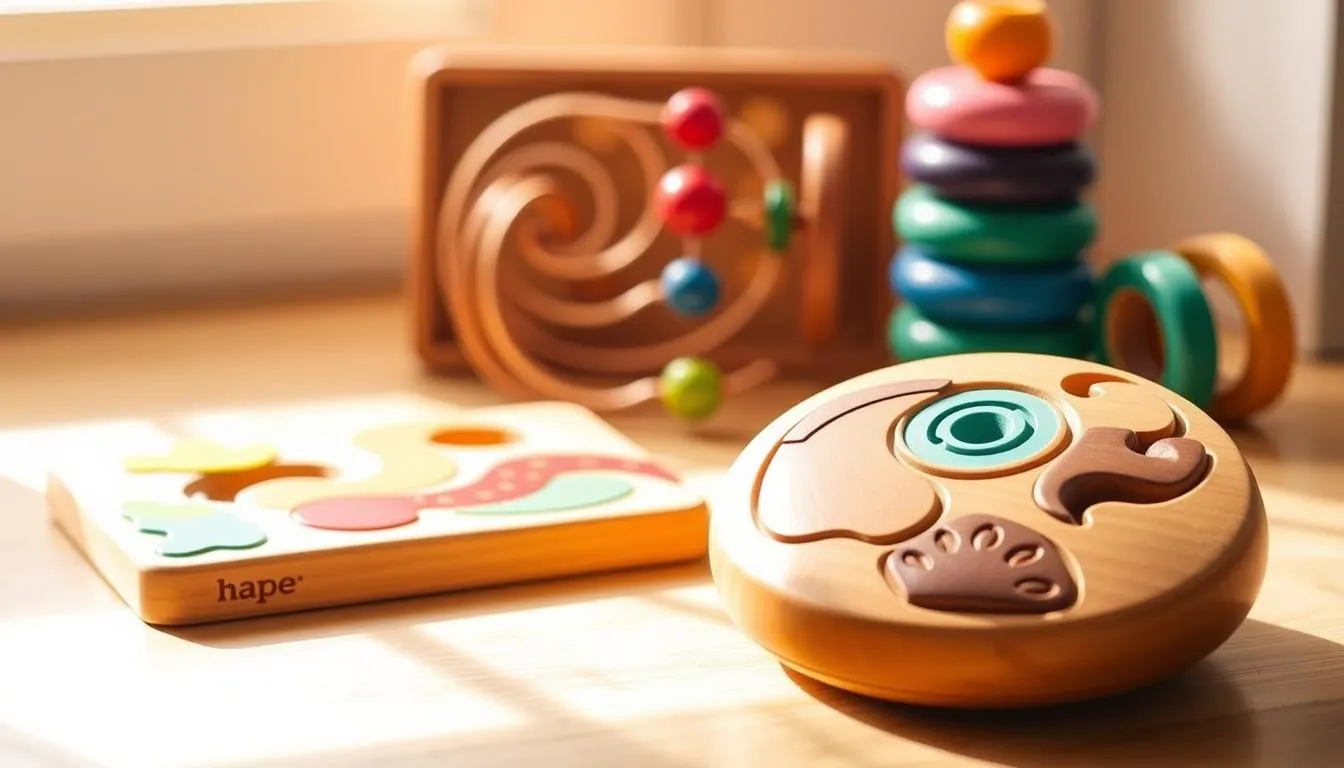 When choosing suitable developmental toys for a 1-year-old, research and check information about the toys you plan to buy. You can also ask specialists or other parents with experience raising children of this age for advice.
Developmental toys for 1-year-olds: real experiences shared on Pantip
For moms looking for firsthand information, here are real experiences shared online by parents exchanging advice.Click here!Let's look at specific suggestions: what toys are suitable at 1 year 3 months and 1 year 6 months?Developmental toys for children aged 1 year 3 months
Children aged 1 year 3 months need to develop their arm, leg, and hand muscles, so their activities and toys should encourage the use of these muscles. Children also need a safe world around them, which affects their emotional well-being as they grow. Parents should therefore make their home safe and supervise their child closely. When children cry or need help, respond rather than leaving them feeling let down or uncertain about whether their parents will be there, as this affects their psychological development as they grow. Children aged 1 year 3 months need to develop their arm, leg, and hand muscles. Toys that support the development of these muscles include:1. Blocks in different shapes
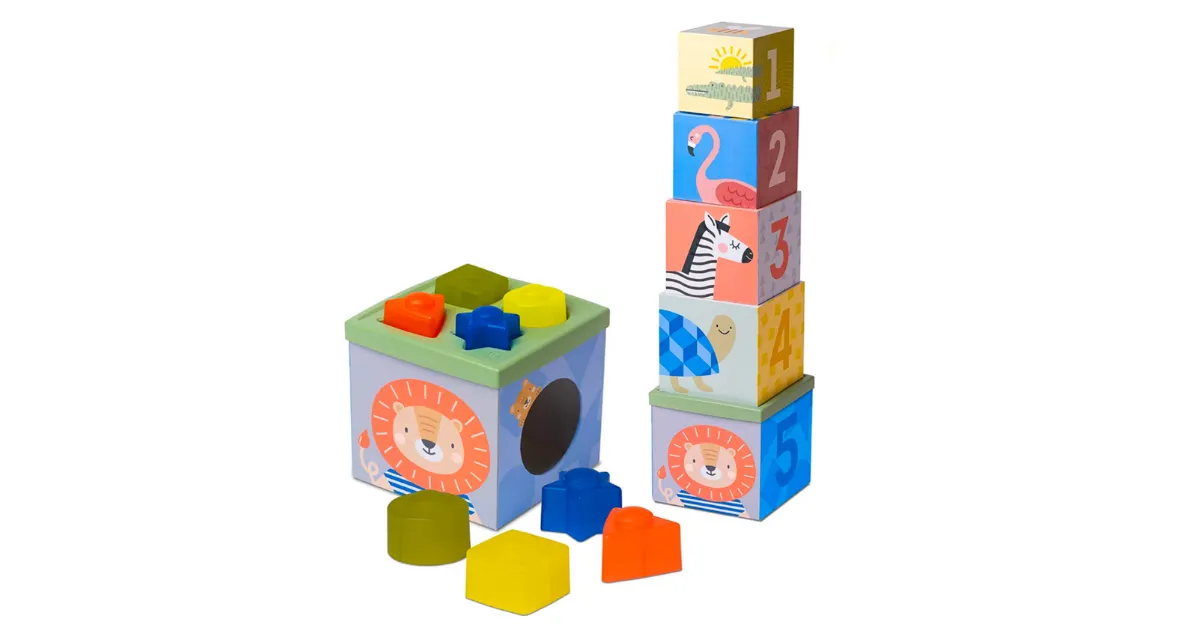 These toys are suitable for children aged 1 and up and can remain enjoyable for several years, through kindergarten. Playing with them strongly encourages creativity and imagination. They also help develop fine and gross motor skills in the hands, building strength and precision.
2. Activity boxes
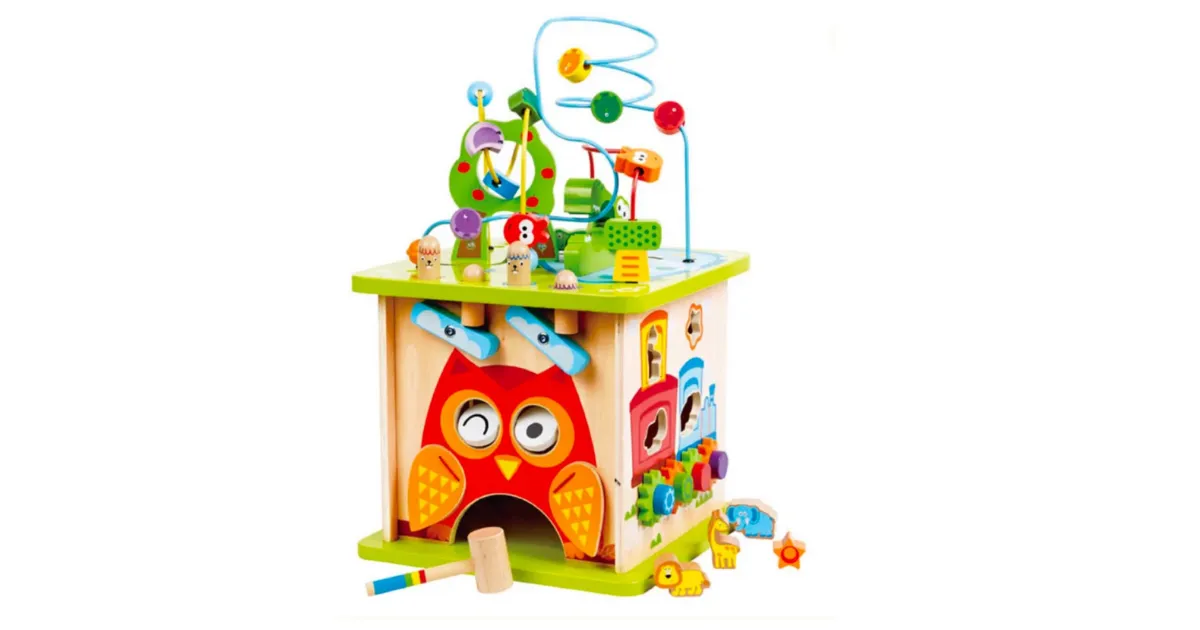 These toys can take the form of an activity table or a wall-mounted activity board, giving children opportunities to practice a full range of hand-eye coordination skills. They encourage the muscles and brain to work together in problem-solving and creative thinking. Whether an activity box, activity table, or wall-mounted activity board, each is a tool that supports children's learning and development through the use of their hands and eyes.
3. Pull-along toys
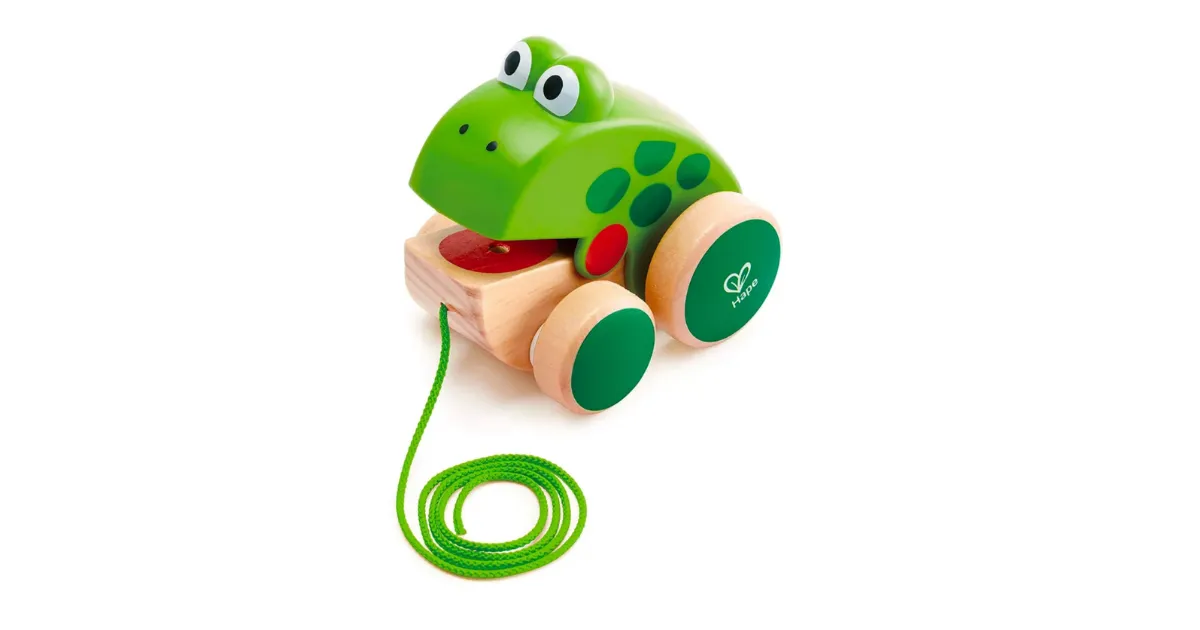 These toys effectively support the development of balance. Pushing and pulling a toy vehicle requires coordination between the muscles and brain to move it in the direction the child wants. Pull-along toys also help develop coordination between the hands, eyes, and legs, while introducing direction, distance, and speed.
Developmental toys for children aged 1 year 6 months
At 18 months, children are becoming more confident walkers, using their hands with greater precision, and enjoying imitating adults. Suitable toys should therefore encourage imagination, problem-solving, and hand skills. Here are some examples of toys suitable for children aged 1 year 6 months.1. Pretend-play toys
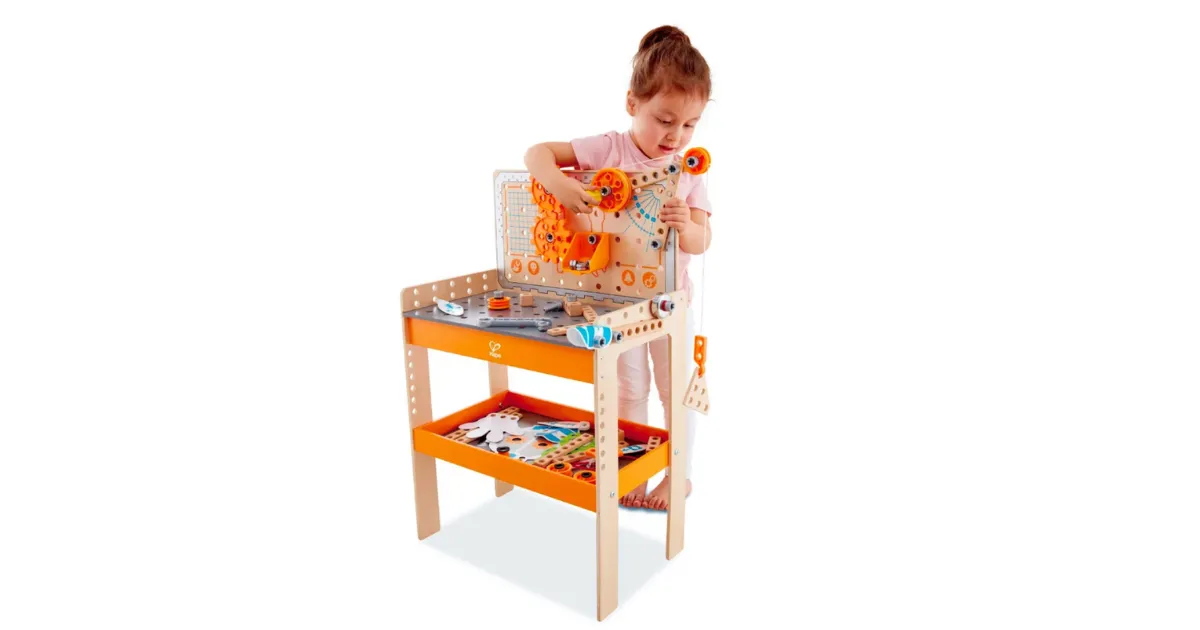 Pretend-play toysThese toys give children opportunities to take on roles and create imaginary situations. Through play, children learn and discover what it might be like to take on different roles. They also help children understand responsibilities and the functions and uses of different objects.
2. Puzzles
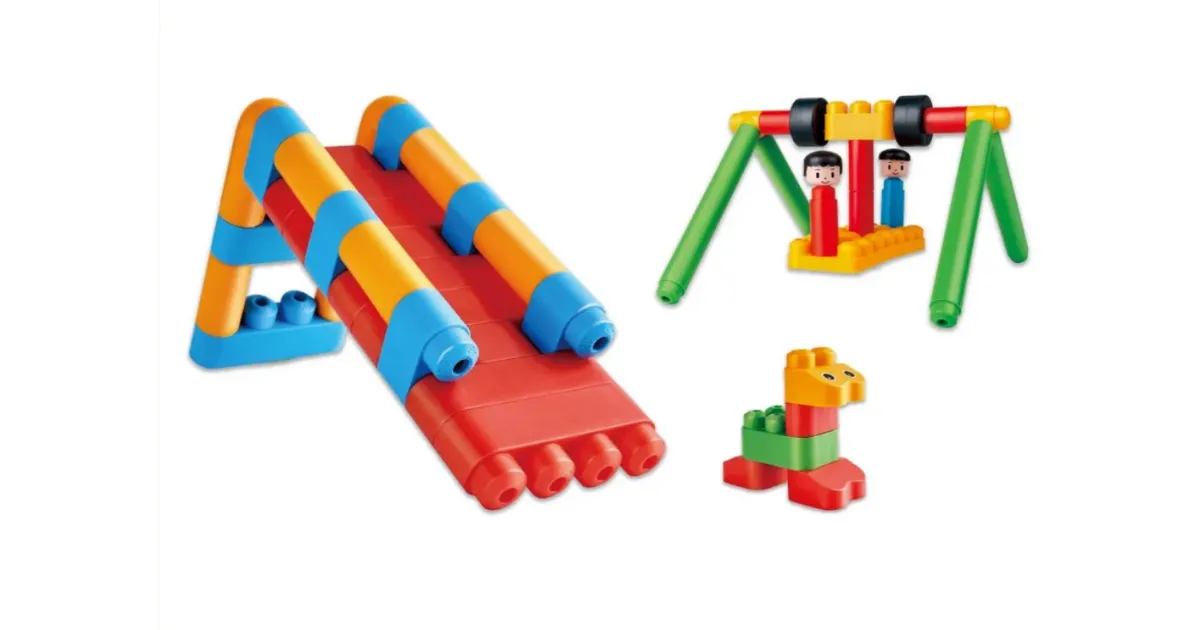 Puzzles encourage children to use their brains for analytical thinking and picture recognition, while also practicing problem-solving. For this age, choose wooden puzzles with a few large pieces or puzzles with knobs to grasp (read more:The Benefits of Playing with Puzzles)
3. Large building blocks
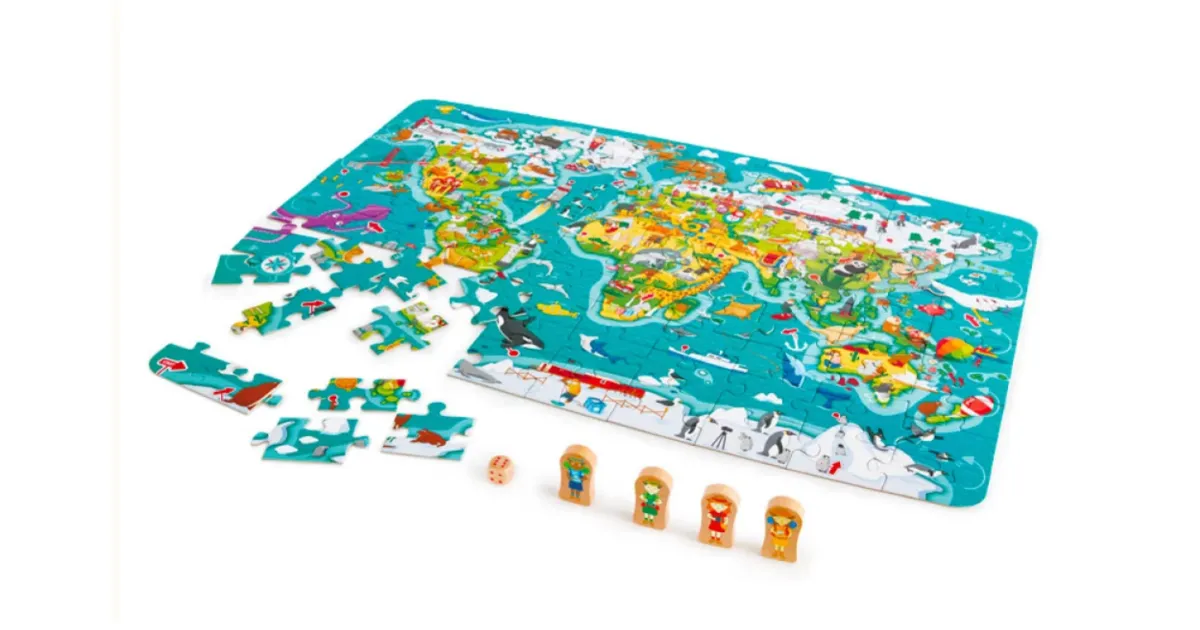 Building blocksThese classic toys help children develop imagination, problem-solving skills, and patience. However, for children aged 1 year 6 months, choose large building blocks labeled as suitable for toddlers, rather than small LEGO pieces designed for older children.
Caution: Small building blocks, beads, and small toy parts pose a choking risk for children under 3. Choose toys according to the age stated on the label, provide close adult supervision during play, and keep older siblings' toys with small parts out of younger children's reach (read more from the American Academy of Pediatrics).
If you are a new mom with a child aged 1 or older and wondering which developmental toys to introduce at each age, this guide brings together options suited to each developmental stage. Whatever toys you choose, though, the best play partners for supporting your child's development are you, their parents. You can also find more tips for moms here.Click here!