







Helping your baby sleep well is essential for growth and development in early life. Caring for a sleeping baby also requires caution, as certain things should be avoided to prevent potential harm.
This section explains what to avoid to support your baby's safety and growth.
Recommended: 5 Rainy-Season Illnesses in Children That Parents Should Watch For

How Many Hours Do Babies Sleep?
Note: Babies' sleep needs may vary depending on their age and health. Consult a doctor or medical professional for advice suited to your baby.
How many hours your baby sleeps matters for growth and development in early life. Your baby's sleep therefore needs attention to ensure they are comfortable and get the rest they need to support their growth.
The table below shows the recommended amount of sleep for each age group.
| Baby's age | Approximate sleep duration (including daytime naps) |
|---|---|
| Newborn – 4 months | Around 16–18 hours a day, spread across short stretches during the day and night because babies need to wake frequently for feeds |
| 4–12 months | Around 12–16 hours a day |
| 1–2 years | Around 11–14 hours a day |
| 3–5 years | Around 10–13 hours a day |
Source: Sleep Foundation, citing recommendations from the American Academy of Sleep Medicine (AASM). These figures are approximate; individual babies may sleep slightly more or less.
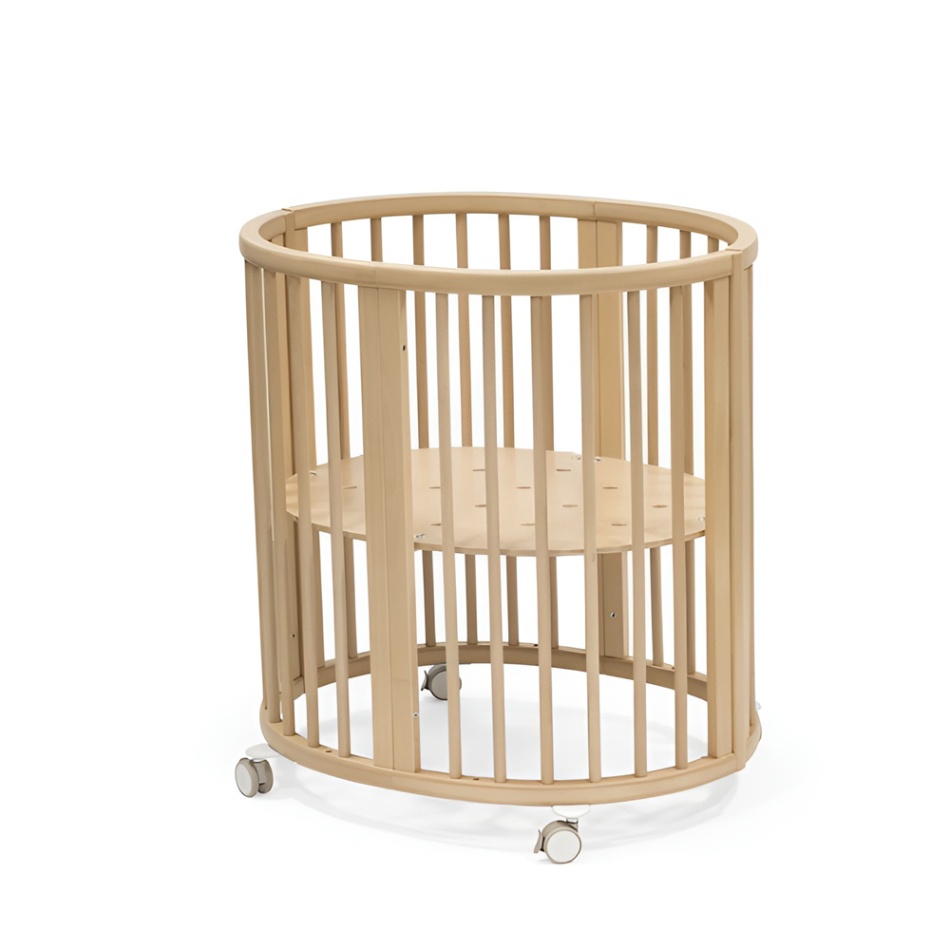
To help your baby sleep comfortably and safely, follow safe sleep principles: always place your baby on their back on a firm, flat mattress covered with a well-fitting fitted sheet. Keep pillows, blankets, duvets, soft toys and cot bumpers out of the cot, and keep the room at a comfortable temperature without overheating. Read more in How to Choose a Baby Mattress and Baby Cots.
What Should You Avoid While Your Baby Sleeps?
1. Do Not Assume a Short Nap Provides Enough Rest

Avoid assuming that a nap lasting just a few minutes is enough for your baby. Some authors of books on children's sleep suggest that naps shorter than around 45 minutes may not allow babies to rest fully, potentially leaving them fussier and more likely to cry. This is an observation based on experience, rather than a medical benchmark. It is normal for newborns to take naps of varying lengths.
Monitoring your baby's sleep duration is important to ensure they get enough rest and can fully recharge.
Reference: Elizabeth Pantley, author of "The No-Cry Nap Solution"
2. Do Not Rush to Your Baby the Moment They Wake

Babies often move, make sounds or briefly open their eyes between sleep cycles. This is normal. If your baby is not crying, waiting a moment before picking them up may help them fall back asleep on their own. Immediately picking them up every time may wake them fully and make it harder for them to return to sleep.
However, newborns up to around 3–4 months need frequent feeds, so most night waking is due to hunger or discomfort. If your baby cries, attend to their feeding, nappy and safety needs immediately; do not leave them crying for long. Methods for helping babies learn to fall asleep independently should begin when they are older, in consultation with a paediatrician. (Read more: What to Do If Your Baby Will Not Sleep at Night)
3. Do Not Wake Your Sleeping Baby
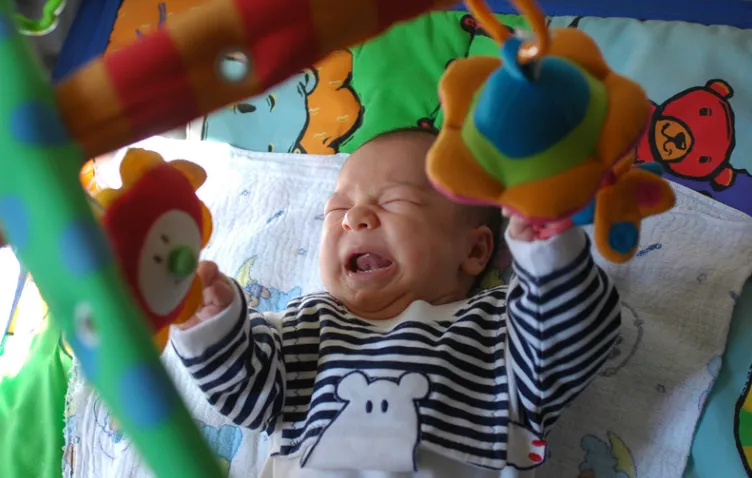
Avoiding waking your sleeping baby is important because sleep plays an essential role in growth and development. Even if your baby sleeps for long stretches during the day, this should not become a factor that makes nighttime sleep difficult. Maintaining an appropriate daytime and nighttime sleep pattern helps your baby get enough sleep and supports their development.
Waking your baby during sleep may prevent them from getting its full restorative benefits and enough energy. It may also leave them uncomfortable or lead to an inconsistent sleep pattern that makes falling asleep harder in the future.
Consider carefully whether you need to wake your baby. Unless it is truly necessary, let them sleep according to their needs. If you need to feed them or change their nappy, do so gently to minimise disruption to their sleep.
4. Do Not Ignore Sleepy Cues
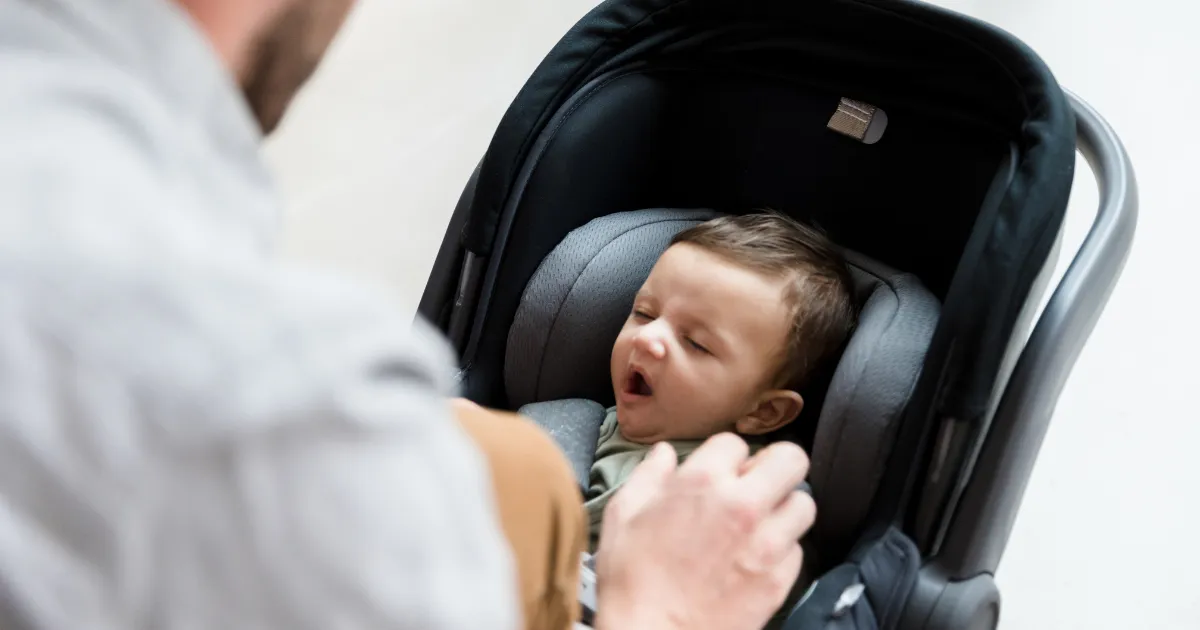
Eye rubbing, yawning, staring into space or drooping eyelids are signs that your baby is sleepy. Other behaviours, such as fussiness or crying, may also indicate tiredness.
Dr. Marc Weissbluth, author of "Healthy Sleep Habits, Happy Child", advises parents to recognise these cues to prevent their baby from becoming overtired, which may lead to fussiness, difficulty falling asleep and more frequent waking. Watching your baby and responding to their needs is important for building good sleep habits and supporting healthy development.
5. Do Not Put Blankets or Soft Bedding in the Cot

Because bedding affects babies' safety, the American Academy of Pediatrics provides guidance on creating a safe sleep environment. This includes avoiding blankets and other bedding while babies are growing and have limited mobility, to help prevent the risk of sudden infant death syndrome (SIDS).
Blankets, duvets, pillows, soft toys and cot bumpers may become wrapped around a baby's body or cover their face, obstructing breathing. Keep them out of the cot throughout the first year. If you are worried your baby is cold, use sufficiently warm sleepwear or a baby sleep sack instead of a blanket. Place your baby on their back in their own cot in the same room as their parents. (Sources: HealthyChildren.org (AAP) and NHS.) For more on setting up a safe bedroom, see Preparing a Newborn's Bedroom.