







Reasons Women May Have Difficulty Conceiving
1. Physical Factors
- Ovulation and hormone problems: Conditions such as polycystic ovary syndrome (PCOS), thyroid disorders, or hormonal imbalances can prevent ovulation or make it irregular.
- Blocked or damaged fallopian tubes: Often caused by pelvic infections, abdominal surgery, or endometriosis, these problems can prevent the egg and sperm from meeting.
- Age and weight: Female fertility declines with age, particularly after 35. Being underweight or overweight can also affect ovulation.
- Male factors: Infertility does not only affect women. Problems with sperm quality or sperm count are also common causes. (Source: NHS)
2. Psychological Factors
- Stress and pressure: Stress and pressure may affect hormones, menstrual cycles, and sex drive.
- Psychological issues: Psychological issues such as depression, or difficulties with sexual function, can affect the chances of pregnancy.
3. Health Factors
Diet: An unbalanced diet or a lack of essential nutrients can make it harder to conceive.
What Should You Eat to Get Pregnant Faster?
1. Eggs
Eggs are nutritious for people of all ages and genders. They are rich in protein, vitamins, calcium, and iron. If you are planning for a baby, you can eat eggs regularly, such as 1 fully cooked egg a day, to provide high-quality protein as part of a balanced diet. (For more foods to eat before pregnancy, see 7 Foods to Nourish Your Uterus Before Pregnancy.)
2. Soy Milk
Soy milk is an accessible, affordable source of plant protein and a useful way to add protein to meals. Choose a low-sugar variety. Drinking it during pregnancy can also provide protein for your baby.

3. Leafy Greens
Leafy greens are among the first foods to consider when trying to conceive. Dark green vegetables such as Chinese kale, spinach, and broccoli provide folate, iron, and fibre. The World Health Organization recommends eating at least 400 grams of fruit and vegetables combined each day. However, folate from food alone is often insufficient. Women planning a pregnancy should take folic acid supplements as advised by their doctor, starting before conception, to reduce the risk of neural tube defects in their baby. (Source: NHS)

4. Black Sesame Seeds
Black sesame seeds may be an unexpected choice. They contain calcium, iron, and healthy fats, and can be sprinkled over food or added to drinks for extra nutrients. Although there is no evidence that they directly make it easier to conceive, they can be part of a healthy diet.

5. Brown Rice and Wholegrain Bread
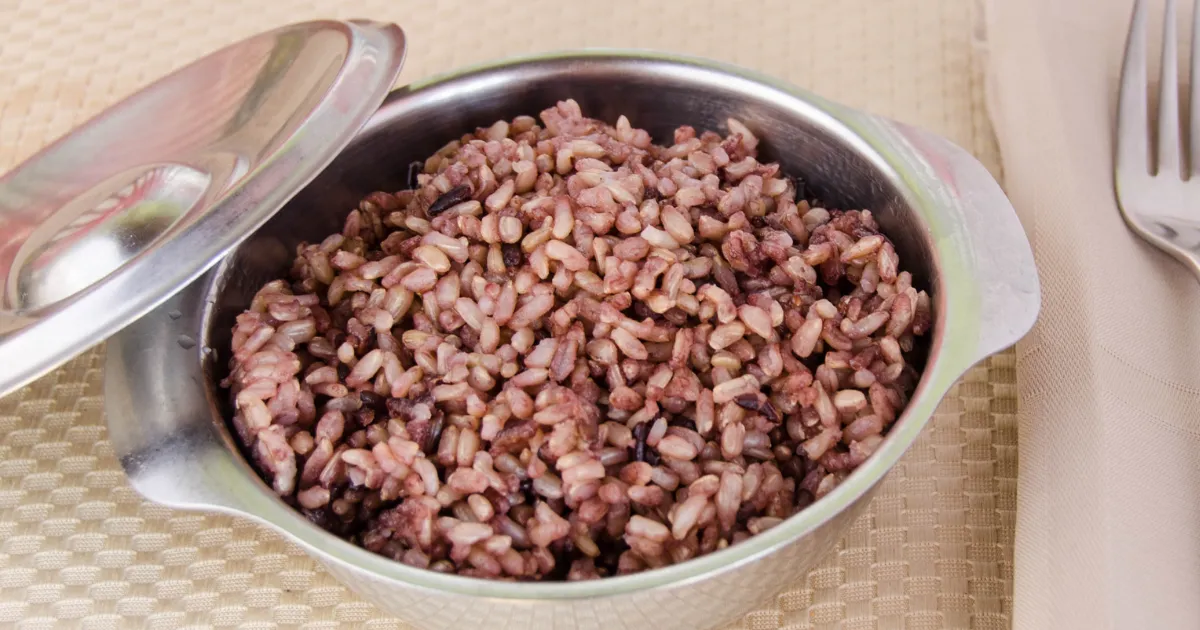
Brown rice and wholegrain bread provide carbohydrates that help regulate blood sugar and are high in fibre. They allow blood sugar to rise more slowly and keep you feeling full for longer, helping with weight management. A healthy body weight is one factor that supports regular ovulation.
6. Bananas
Bananas are another energy-rich option with nutritional benefits for both children and adults. They contain potassium and vitamin B6, making them a healthy snack for anyone preparing for a baby.

7. Tomatoes
Tomatoes are the final choice on our list, as some people find them difficult to eat. As you may know, tomatoes contain lycopene, an antioxidant, as well as vitamin C and fibre. Although there is no clear evidence that they directly support ovarian health, they are a fruit worth including regularly in your meals.

That rounds up our foods to consider when trying to get pregnant faster. However, food is only one factor in keeping your body healthy and ready for pregnancy. No food guarantees that you will conceive. What matters is eating a varied diet, taking folic acid supplements as advised by your doctor, avoiding smoking and alcohol, and tracking ovulation (see Ovulation Tracking Apps). If you have been trying to conceive without contraception for 1 year, or 6 months if the woman is aged 35 or over, both partners should see a doctor to investigate the cause (see guidance from ACOG). If you are reading this and already expecting a little one, you should also be careful about what you eat. For more on foods to avoid in early pregnancy, read more here