






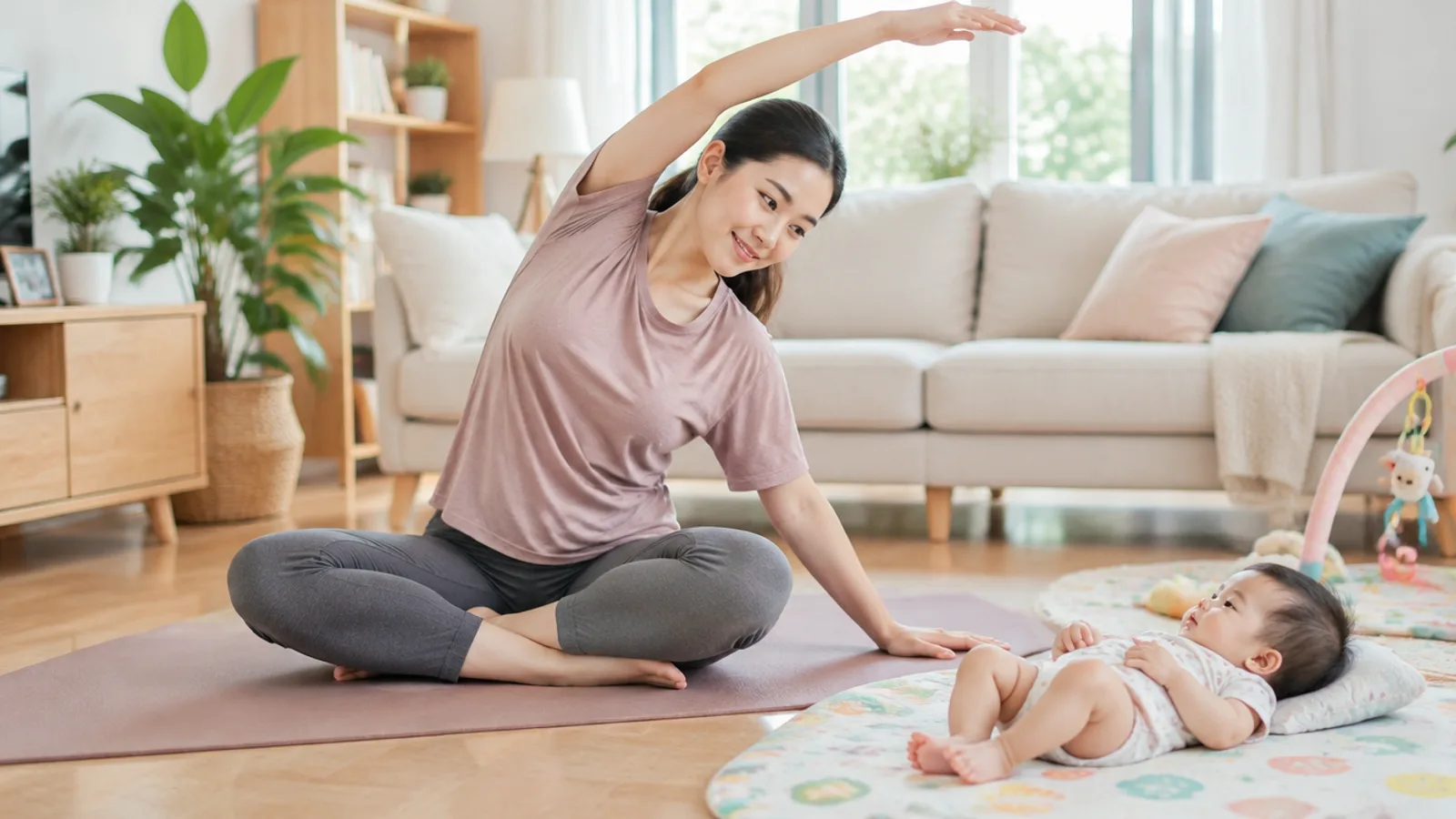
After giving birth, mothers need to look after their health and rebuild physical strength. Postpartum exercise is a good way to restore balance and strengthen muscles.
This article introduces postpartum exercises intended to support safe recovery, along with advice on caring for your health after birth.
Recommended: Why Do Postpartum Chills Happen, and How Should Mothers Handle Them?
What Are the Benefits of Postpartum Exercise?
Begin gently after birth and increase the difficulty gradually under medical guidance. Exercise supports physical recovery, reduces stress, helps lower the risk of postpartum depression and can help with weight loss after birth. Walking or simple exercises are good starting points, alongside a suitable diet. Overall, postpartum exercise supports health and strength so you can approach motherhood with happiness and confidence.
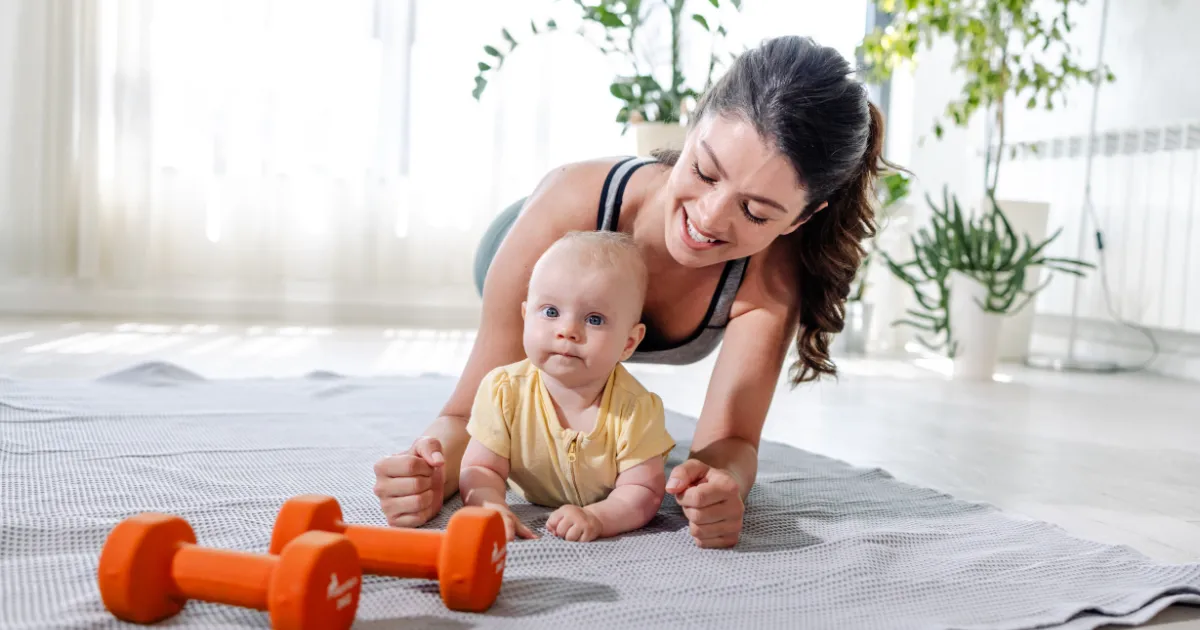
When Can I Exercise After a Vaginal Birth?
After a vaginal birth, consider your body's readiness and recovery before beginning strenuous exercise. Consulting a doctor is essential to make sure you are ready for physical activity and to identify any risks. ACOG states that after an uncomplicated vaginal birth, gentle exercise can generally begin within a few days or when you feel ready, such as walking, gentle stretching and pelvic-floor exercises. For higher-impact or more strenuous exercise, such as running, jumping or aerobics, wait for a medical assessment at the postpartum check around six weeks (source: NHS). Starting slowly allows your body to adjust and prepare for faster, more demanding activity later.
Listen to your body and its signals at all times. If you experience discomfort or unusual symptoms during exercise, stop immediately and consult a doctor for assessment and further advice.
When Can I Exercise After a Cesarean?
Recovery after childbirth is essential before beginning other physical activities. A cesarean is major surgery, so recovery takes longer than after a vaginal birth. Early on, doctors often recommend gentle walking while you are still in hospital to promote circulation and reduce blood-clot risk. However, avoid heavy lifting, abdominal straining and strenuous exercise until the wound has healed and your doctor gives permission, usually around six weeks or longer.
After medical assessment, you can gradually increase physical activity from walking or simple exercises to more strenuous exercise as your body becomes ready.
Following medical advice is essential because your doctor can tailor recommendations to your current health and physical condition. Listening to your body is also very important to prevent harm and support safe, effective recovery.
Recommended: Vaginal Birth or Cesarean: How Should You Choose?
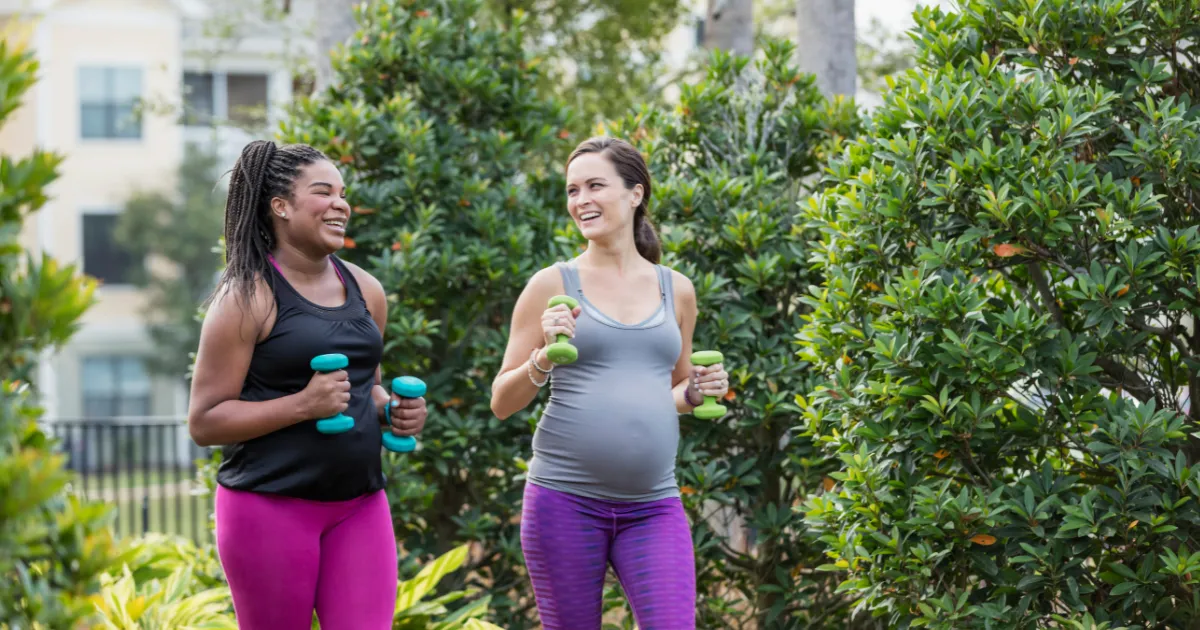
Which Postpartum Exercises Can I Do?
1. Walking
After childbirth, women often experience discomfort, weakness and possible injury. Exercise during this time requires particular care to avoid harm. Walking is especially suitable for recovery at this stage.
Starting with short walks at home or in a public place is a good way to begin recovery. It improves circulation and gradually strengthens the legs and torso. Later, you can take your baby out in a stroller. Walking also helps reduce stress and boost energy.
For safety and the best recovery, consult a doctor or specialist before beginning postpartum exercise to receive information and advice suited to your individual physical condition and health.
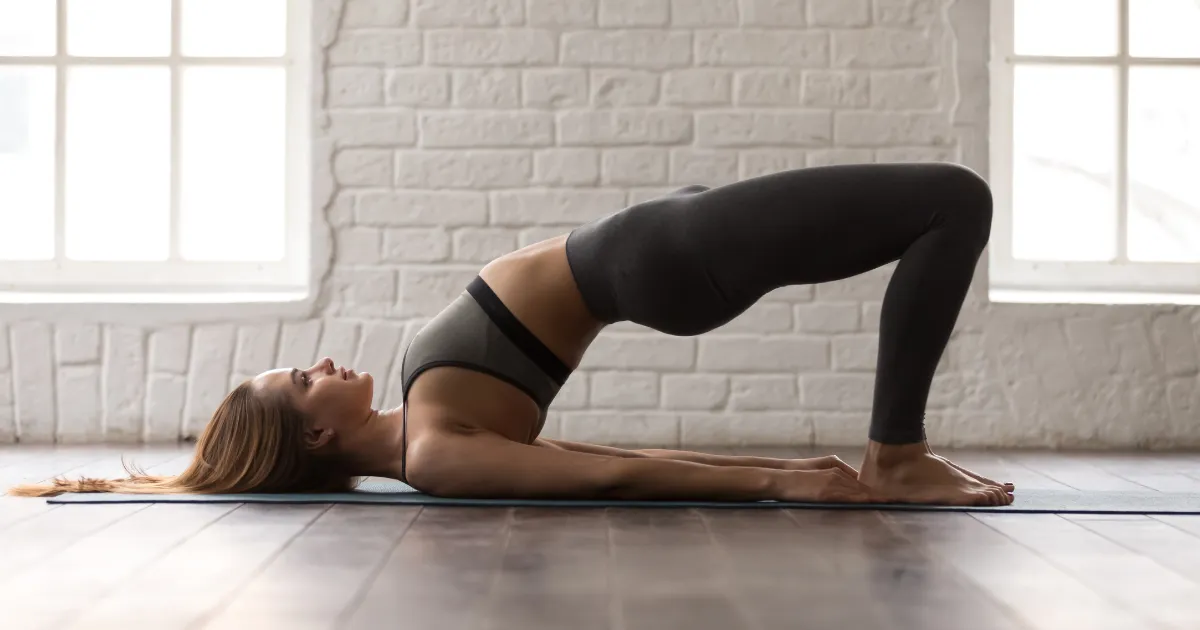
2. Abdominal, Buttock and Perineal Muscle Exercises
Working the abdominal, buttock and perineal muscles helps rebuild core strength. Try the following exercise:
- Lie flat on your back on the floor, then bend both knees.
- While lying down, keep your back fully against the floor without bending or arching it.
- With your knees bent, squeeze your buttocks and draw in your abdomen, then slowly lift your buttocks off the floor and hold.
- Hold for a count of 1–10, then slowly lower yourself back onto the floor. Repeat another 10 times.
This exercise helps strengthen the buttocks and core muscles, supporting overall strength and helping prevent injury during demanding activities such as physical exercise and heavy lifting.
If you have difficulties or questions, consult a physiotherapist or doctor before practicing, especially early after childbirth, to ensure safety and avoid potential harm.
3. Arm and Shoulder Exercises
Exercise your arms and shoulders with the following movement:
- Stand upright facing a wall with your feet shoulder-width apart. Point your toes toward the wall without turning them outward.
- Place your palms against the wall and lean toward it as if doing a regular push-up, keeping your feet still.
- As you press against the wall, hold your body firm in position, breathe out and count from 1–5.
- Push back away from the wall to the starting position while breathing in. Repeat around 10 times.
This exercise strengthens the arms and shoulders using body weight. Those wishing to increase the difficulty can add weights such as dumbbells. However, if you feel unwell or have health problems, consult a doctor before exercising to ensure safety and prevent injury.
4. Pelvic-Floor Exercise
Exercise your pelvic floor with the following movement:
- Start on all fours with your legs about 30 centimeters apart.
- Keep both hands planted on the floor without lifting them, so you do not use force from your hands.
- Gently tighten the muscles around your anus to draw the pelvic-floor muscles inward.
- As you tighten the muscles, slowly round your back upward and hold for a count of 1–10.
- After counting, gently relax the muscles first, then lower your back into an arch.
- Repeat several times as comfortable.
Pelvic-floor exercise helps strengthen these muscles, which play an important role in posture and balance. If you have difficulties or questions, consult a physiotherapist or doctor before practicing to ensure safety and prevent injury.
5. Back Muscle Exercises
Exercise your back muscles with the following movement:
- Sit on a stable chair with your back straight, feet flat on the floor and shoulders relaxed.
- Gently squeeze your shoulder blades together and lower your shoulders, as though bringing the shoulder blades toward each other.
- Hold for a count of 1–5 while breathing normally. Do not hold your breath.
- Relax slowly, then repeat around 10 times.
This exercise strengthens the upper back and helps improve rounded shoulders, common among mothers who bend forward to feed and carry their babies throughout the day. Early after childbirth, avoid deep forward bends or lifting the arms high behind you, as these can cause dizziness and increase pressure on the lower back. If you have severe back pain, consult a physiotherapist or doctor before exercising.
6. Pelvic-Floor Contractions (Kegels)
The pelvic-floor muscles stretch during pregnancy and childbirth. Contracting them helps reduce urine leakage and rebuild strength. ACOG and the NHS recommend starting soon after birth when you feel ready, using the following steps:
- Sit, stand or lie comfortably and breathe normally.
- Squeeze as though stopping urine and wind at the same time, without tightening your buttocks, abdomen or thighs.
- Hold for a count of 1–5, then relax slowly. Rest for as long as you held the contraction.
- Repeat 10 times, three times daily, gradually increasing the hold as you become stronger.
Do not practice by stopping the flow of urine while actually using the toilet. If urine leakage continues for several months after birth, consult a doctor. This is one of the postpartum conditions mothers may need to manage.
When to Avoid Exercise
Exercise after childbirth requires care to prevent injury and support recovery. Start with gentle activities such as walking or simple movements, listen to your body and stop immediately if you feel unwell or have pain. Avoid strenuous activity such as running or weightlifting until a doctor confirms you are ready. Maintain a balanced diet and drink enough water, and always follow medical advice. Postpartum exercise is about thoughtful, careful recovery for good health and safety after birth.
Important: Stop exercising and seek medical attention promptly if vaginal bleeding increases or becomes bright red again, perineal or cesarean wound pain worsens, a wound becomes swollen and red or produces pus, or you experience dizziness, chest pain, unusual breathlessness or a swollen, painful calf.
Conclusion
After giving birth, mothers should pay close attention to their physical health as they work toward their pre-pregnancy condition. Postpartum exercise helps strengthen the back and reduce body fat. These exercises include flexibility work, back strengthening and movements that boost energy. They are suitable for simple home practice to support safe recovery, improve muscle flexibility, reduce tension and ease back pain. Overall, postpartum exercise deserves attention as a way to improve health and recover your pre-pregnancy physical condition as fully as possible.
Recommended: What Is Yu Fai? Is This Thai Postpartum Warming Practice Important, and How Long Does It Last?