







How to Calculate Ovulation
Counting the menstrual cycle from the first day of one period to the first day of the next is a way to track cycles for women with regular periods.
To estimate ovulation, count back around 14 days from the first day of your next period, rather than from the start of the current one. For a 28-day cycle, ovulation is often around day 14; for a 32-day cycle, it is often around day 18. The NHS states that most women ovulate around 10–16 days before the next period, so this is only an estimate.
The most fertile window is around five days before ovulation to one day afterward, because sperm can survive in the body for several days, while an egg survives around 24 hours (source: ACOG). Couples trying for a baby should have sex daily or every other day during this period.
https://youtu.be/PZYDH9N_Alk?si=P2dwtGEhAjuvRmiJHow to Choose an Ovulation Tracking App
There are many ovulation apps available to download. Choose one that suits your needs and understand that an app only helps estimate ovulation from the information you enter. It does not guarantee pregnancy, especially with irregular cycles, when accuracy decreases. Combining it with ovulation tests or body-temperature measurements can provide clearer information.
1. Your Purpose
First, clarify why you want an ovulation app: to conceive or to avoid pregnancy. Accuracy varies between apps, and calendar tracking alone should not be used as contraception. Inconsistent entries or changes in the menstrual cycle can result in pregnancy. Consult a doctor about a suitable contraceptive method.
2. Data-Recording Features
Choose an app that records body information alongside ovulation dates. If you download one app, having a comprehensive range of features is helpful, including records that let you notice unusual changes in your body.
3. Helpful Information
For an all-in-one app, choose one that shares useful information so you can learn about pregnancy alongside preconception self-care, such as foods to support uterine health before pregnancy.

5 Ovulation Tracking Apps
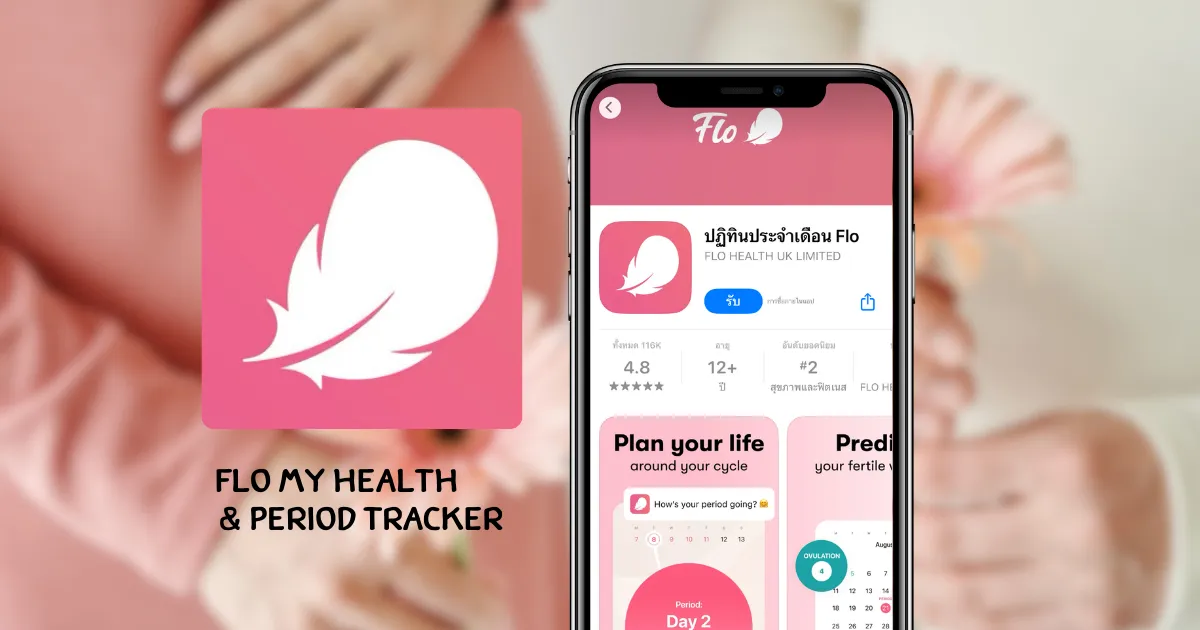
1. Flo My Health & Period Tracker
This app offers interesting features across menstrual tracking, pregnancy planning and pregnancy tracking. It includes illustrations of the developing baby, health-data logging and an easy-to-use interface.
Overall, the app brings together medical and health information to share new insights with users, making it a convenient option.
 iOS
Android
2. Period Tracker Period Calendar
This popular period-tracking app offers features for women's health, including ovulation estimates, cycle tracking and symptom logging.
Overall, its broad set of features makes it a comprehensive tool for women's health. It offers a convenient option for women hoping to have a baby.
 iOS
Android
3. Fertility Friend FF App
This app focuses on accuracy for women trying to conceive, with ovulation tracking and detailed body-data logging. Users record basal body temperature (BBT) on waking, cervical mucus and ovulation-test results. The app presents these in a chart to help assess when ovulation likely occurred. It is also designed for convenient, easy use.
Overall, this app suits users who want accurate ovulation estimates and detailed body-data tracking. Sharing and following charts in the community also supports social connection and the exchange of experiences.
 iOS
Android
4. My Calendar - Period Tracker
This app suits users who value convenience and enjoy choosing themes to match their preferences. A pregnancy-tracking mode provides pregnancy information, while simple charts make data easy to understand. Users can also choose a timeline view.
 iOS
Android
5. Diary Ying Ying
This app suits women who enjoy a cute, colorful approach to private period and health tracking. Decorative calendar stickers make it more lively to use. Core features include period tracking, ovulation estimates and convenient daily notes or symptom records.
 iOS
By now, you may have found an app that suits you. Apps can make pregnancy planning easier, but their predictions remain estimates and their features vary. Start by deciding your purpose, then look for body-data logging alongside ovulation estimates. Finally, consider useful educational content to keep learning.
Important: If you have tried to conceive for one year without pregnancy, or six months if aged 35 or older, or your periods are very irregular, consult an obstetrician-gynecologist. If you suspect pregnancy, explore early pregnancy symptoms and confirm with a doctor. Couples planning a baby can also read What to Eat When Trying to Conceive.