








Which foods support uterine health before pregnancy?
1. Fish Rich in Omega-3s
Oily saltwater fish such as salmon, saba mackerel, and short mackerel are sources of omega-3 fatty acids, particularly DHA, which plays a role in a baby's brain and eye development. Eating fish regularly while preparing for pregnancy helps build up the body's stores of these nutrients. Choose low-mercury fish, cook it thoroughly, and eat 2–3 servings a week, following the advice of the FDA.
Precautions: Avoid fish high in mercury, such as shark, swordfish, king mackerel, and bigeye tuna, because mercury may affect a baby's nervous system development. Avoid raw fish or sashimi during pregnancy.
Omega-3 fatty acids offer many benefits to the body and are abundant in oily saltwater fish. They help reduce inflammation, lower the risk of coronary heart disease, and support brain health.
2. Dark Green Vegetables
Dark leafy greens such as Chinese kale, spinach, broccoli, water spinach, and ivy gourd leaves provide important nutrients that can support uterine health and your developing baby, including:
Folate: Folate, or vitamin B9, is important for a baby's brain and nervous system development. Getting enough folate helps reduce the risk of neural tube defects. However, food alone often does not provide enough folate. Women planning a pregnancy should therefore take folic acid supplements as advised by their doctor, starting before pregnancy and continuing through the first 12 weeks of pregnancy (Source: NHS). Read more about taking prenatal supplements.
Iron: Iron is important for producing red blood cells. Eating dark green vegetables containing iron can help prevent anemia.
Vitamin C: Dark green vegetables often contain vitamin C, which helps support the immune system and improve resistance to infection.
Carbohydrates: Dark green vegetables contain carbohydrates needed to provide energy for the body. They also help with weight management during pregnancy.
Fiber: Dark green vegetables contain fiber, which can help maintain digestive balance and lower blood pressure.
3. Protein-Rich Foods
Protein from meat is a good way to support uterine health because protein is an important part of a baby's growth and development. It plays a key role in building tissues throughout the body and is essential for supporting immunity. Examples include:
Chicken: Chicken is a good, low-fat source of protein. It is a popular choice for increasing protein intake because it provides high-quality protein and good nutritional value. Chicken also contains nutrients that help produce red blood cells.
Fish: Fish provides high-quality protein and healthy fats. It is a popular choice because it contains omega-3 fatty acids, which are important for a baby's nervous system development, and niacin, which supports growth.
When choosing meat, pay attention to hygiene, cook it thoroughly, and use seasonings sparingly to help prevent exposure to pathogens and the consumption of additives or synthetic substances unsuitable during pregnancy. Eat meat with fresh vegetables prepared simply to benefit from both protein and the other vitamins and minerals in these foods.
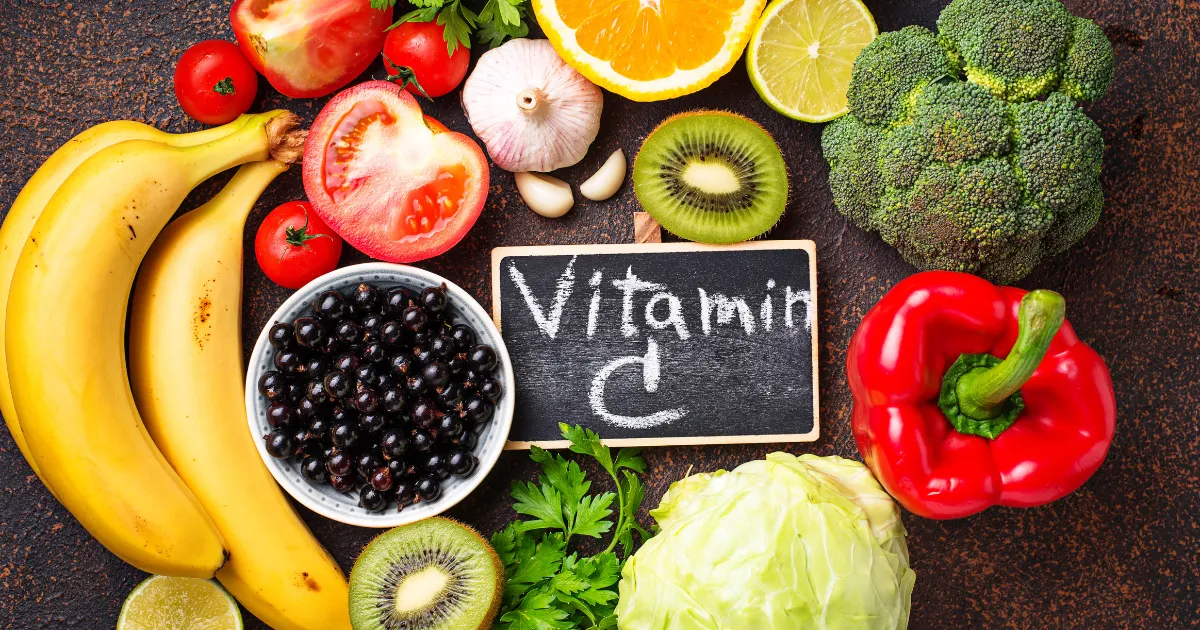
4. Vitamin C-Rich Fruit
Fruit rich in vitamin C, such as guava, oranges, papaya, strawberries, and kiwi, benefits the body and immune system (find more suitable fruit for expectant mothers in fruit to eat during pregnancy). Its main benefits include:
Helps with iron absorption: Vitamin C helps the body absorb iron from plant foods, such as leafy greens and legumes, more effectively.
Supports collagen production: Vitamin C plays a part in producing collagen, which is found in the skin, blood vessels, and other tissues.
Fiber: Fresh fruit provides fiber that helps with bowel movements. Choose fresh fruit instead of fruit juice with added sugar.
Eating enough vitamin C-rich fruit is an important part of staying healthy during pregnancy. Enjoy a variety of fruits in different ways to benefit from the range of nutrients they contain.
5. Chicken Eggs
Eggs are a good way to support uterine health because they contain important nutrients, including protein and vitamin B12, which play a significant role in a baby's nervous system development. They also contain other nutrients that support uterine health:
Protein: Eggs contain high-quality protein, making them a good protein source for a baby's growth and development.
Vitamin B12: Vitamin B12 is important for nervous system development and metabolism, and is particularly important during pregnancy.
Vitamin D: Eggs are also a source of vitamin D, which helps regulate calcium and phosphorus levels in the body.
Choline: Egg yolks contain choline, a nutrient that plays a role in a baby's brain and nervous system development.
Eating eggs in appropriate amounts can be part of supporting uterine health. Choose fresh eggs and cook both the whites and yolks thoroughly. Avoid raw eggs to prevent Salmonella infection. Consult a doctor or dietitian for further information and advice about supporting uterine health during pregnancy.
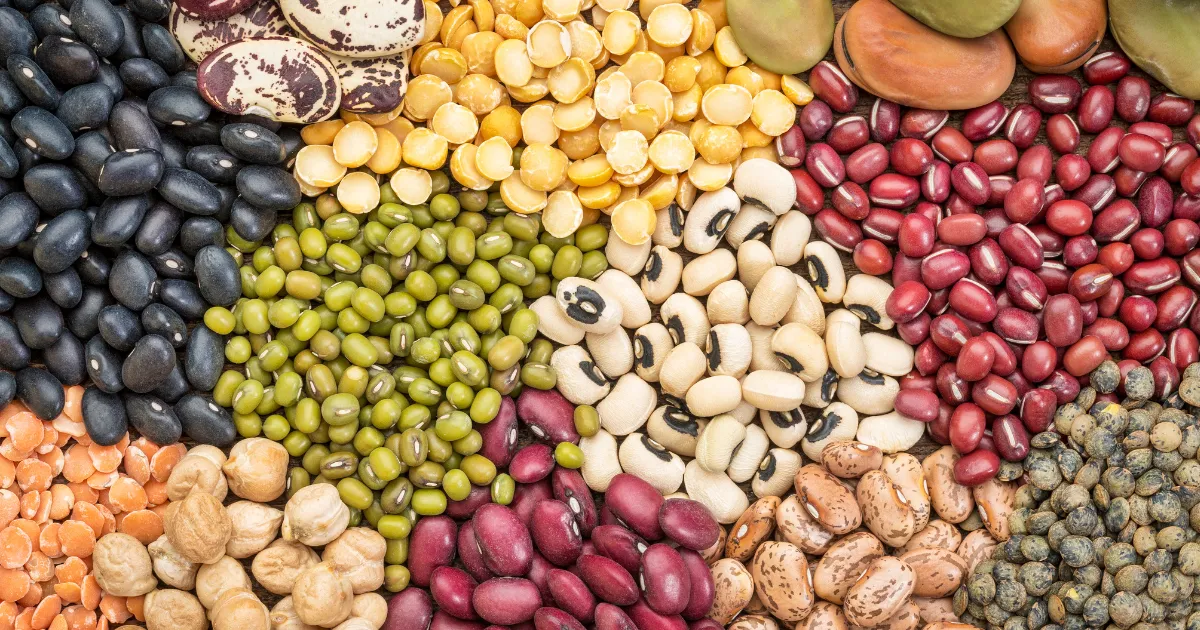
6. Legumes and Nuts
Legumes and nuts such as lentils, peas, beans, chickpeas, soybeans, and peanuts are useful foods during pregnancy because they offer many benefits for a baby's development and the mother's health. Some important benefits include:
Fiber: Legumes and nuts are high in fiber, which can aid digestion and help maintain regular digestive function.
Protein: They are a good source of protein that can support a baby's growth and development.
Iron: Legumes and nuts contain iron, which can help prevent anemia during pregnancy.
Vitamin B9 (folate): Vitamin B9 is important for cell formation and a baby's development.
Calcium: Legumes and nuts contain calcium, which can help build strong bones in babies.
Eating these legumes and nuts is a good way to increase your intake of folate and important nutrients during pregnancy. However, be mindful of portion sizes, as they may cause side effects. Consult a doctor or dietitian for information and advice suited to your health and individual needs.
7. Brown Rice and Oats
Brown rice or oats are good choices for supporting uterine health, providing fiber and energy that help maintain balance in the body. Some benefits of eating brown rice and oats during pregnancy include:
Fiber: Brown rice and oats are high in fiber, which can aid digestion and support the digestive system in functioning effectively.
Energy: Brown rice and oats contain carbohydrates that provide plenty of energy. These are important nutrients during pregnancy to support a baby's development.
Vitamins and minerals: Brown rice and oats contain various vitamins and minerals, such as iron and B vitamins, which are important for a baby's growth and development.
Balance in the body: Eating brown rice or oats as part of a balanced diet helps mothers benefit from a range of nutrients essential for health.
Weight management benefits: The fiber in brown rice and oats can help with weight management during pregnancy.
Choosing brown rice or oats can contribute to a complete, nutritious diet for both mother and baby. However, be mindful of portion sizes to maintain a balanced nutrient intake, and consult a doctor or dietitian for information and advice suited to your health and individual needs.
Summary
Supporting uterine health before pregnancy involves eating a balanced diet to create a suitable environment for pregnancy. The key foods and nutrients include:
Protein: Eat protein sources such as meat, fish, legumes, nuts, and grains to support your baby's growth.
Fiber: Found in vegetables, fruit, and grains, fiber helps maintain digestive health and manage weight.
Vitamins and minerals: Eat fruit, vegetables, and a variety of foods to obtain the vitamins and minerals that keep your body healthy.
Omega-3 fatty acids: These come from oily saltwater fish such as salmon, saba mackerel, and short mackerel. Choose low-mercury fish to support your baby's brain and eye development.
Folic acid: Folate is found in dark leafy greens, legumes, and grains. Take folic acid supplements as advised by your doctor, starting before pregnancy, to reduce your baby's risk of neural tube defects.
Water: Drink enough water to maintain balance in the body and aid digestion.
Maintaining a balanced diet helps prepare your body for pregnancy and having a baby. Remember to consult a doctor or dietitian for information and advice suited to your health and individual needs.
Alongside diet, important steps before pregnancy include having a preconception health check with your doctor, avoiding alcohol and smoking, and tracking ovulation to help you plan (see ovulation tracking apps). For more foods to help you prepare, read what to eat to get pregnant faster (see preparation advice from ACOG).