






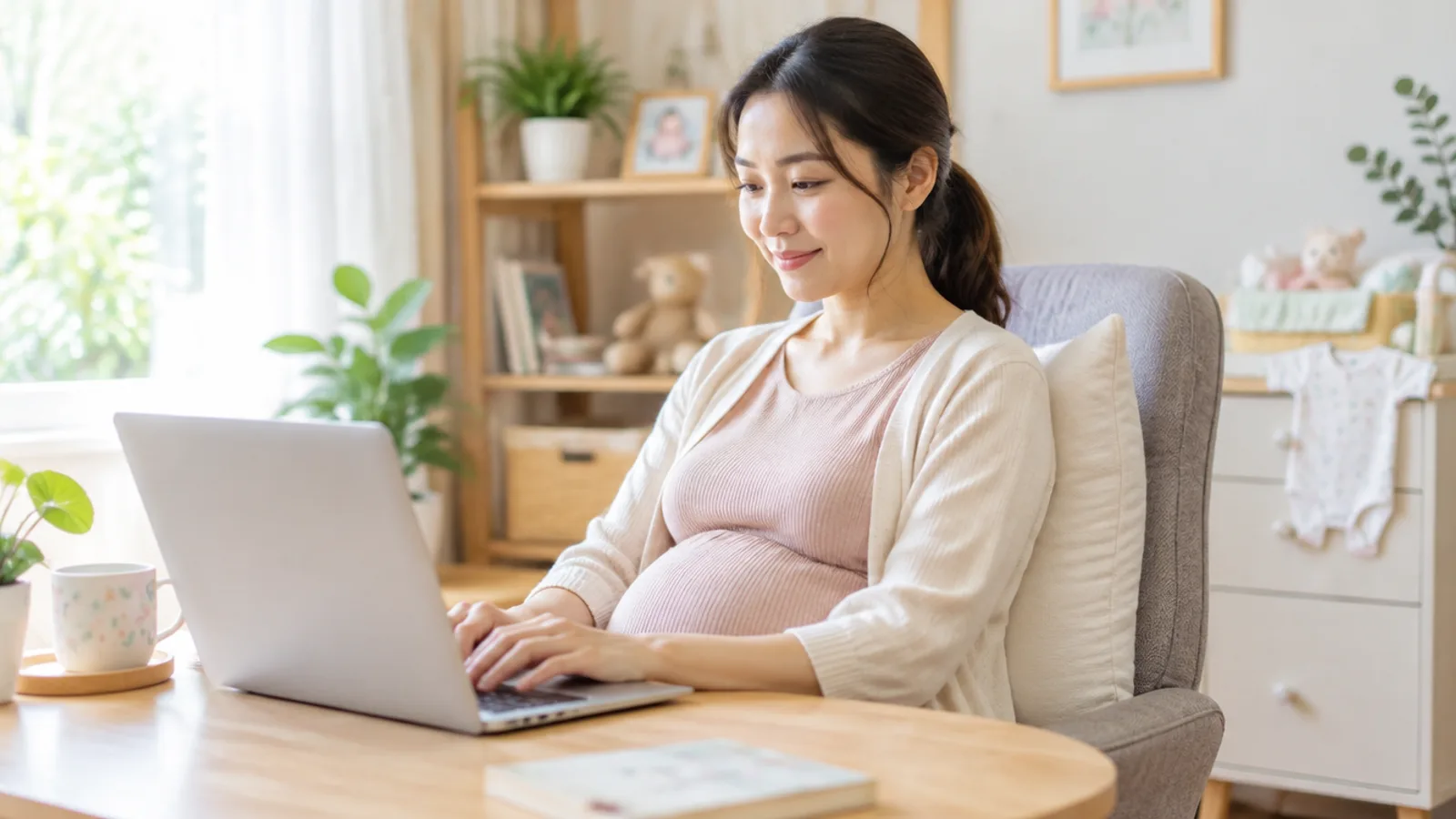
Looking after both mother and baby is important during pregnancy. Sitting is one everyday activity that deserves attention, as an unsuitable posture may cause back pain, swollen legs, and discomfort. Understanding appropriate sitting positions can help make pregnancy a healthier and happier experience.
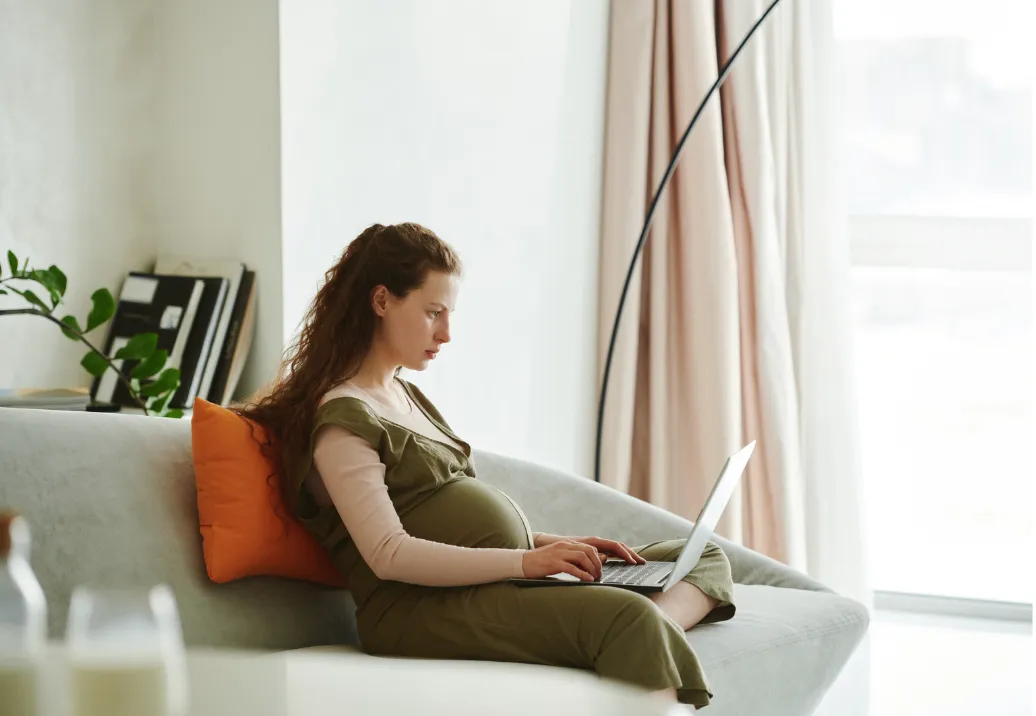
Which sitting positions should you avoid during pregnancy?
Comfortable sitting can help reduce strain during pregnancy. The following five habits may be worth adjusting, especially when held for a long time; they are not positions that are automatically dangerous to your baby.
1. Slouching
Slouching may feel comfortable at first, but avoid staying in this position for long periods. As your bump grows, the weight of your abdomen can pull your spine out of its usual alignment, causing tight back and neck muscles, back pain, abdominal tightness, and difficulty breathing comfortably. Sit upright against the chair's backrest, place a small cushion behind your lower back, and get up to change positions regularly. If you often experience back pain, read our article on ways to relieve back pain during pregnancy.
2. Sitting without back support
Sitting without back support may worsen existing pregnancy-related back pain and increase the risk of further pain. This may result from compressing your body and allowing the weight of your abdomen to shift and put pressure on your back. A backrest supports your back and reduces pressure from the weight of your abdomen, helping ease strain and reduce the risk of back pain.
A helpful approach is to sit in a chair with a suitable backrest that supports your back comfortably. If you already have back pain during pregnancy, using a backrest is important for reducing the risk of making it worse.
3. Sitting with your feet dangling
Sitting with your feet unsupported or dangling for long periods during pregnancy may reduce blood flow back from your legs and increase swelling in your legs and feet. This position may compress blood vessels in the lower body, preventing blood from returning to the heart normally. Swollen feet and ankles are common during pregnancy. Keep your feet flat on the floor or use a footrest, avoid crossing your legs, elevate your legs when resting, and move your ankles regularly, following advice from the NHS. However, if swelling develops rapidly or affects your face or hands, together with a headache or blurred vision, seek medical attention promptly, as these may be signs of pre-eclampsia.

4. Sitting while leaning forward
Leaning or bending forward for long periods, such as when looking down at a computer screen or phone, compresses your abdomen. This can cause discomfort, abdominal tightness, and difficulty taking a full breath, while placing extra strain on your neck, shoulders, and back, making aches more likely. Adjust your screen to eye level, sit with your back against the backrest, and get up to stretch every 30–60 minutes.
5. Squatting
Squatting for long periods, such as while washing clothes or doing housework, increases pressure on your knees, hip joints, and lower back. As your bump grows, your body's centre of gravity shifts, making it harder to balance and increasing the risk of dizziness or falling when you stand up. Sit on a stable, low chair instead, and stand up slowly while holding onto something for support.
If sitting causes back pain, knee pain, or discomfort, try adjusting your posture and changing positions frequently. If symptoms persist or you experience other unusual symptoms, consult a doctor or healthcare professional for an assessment and advice suited to you and your baby.
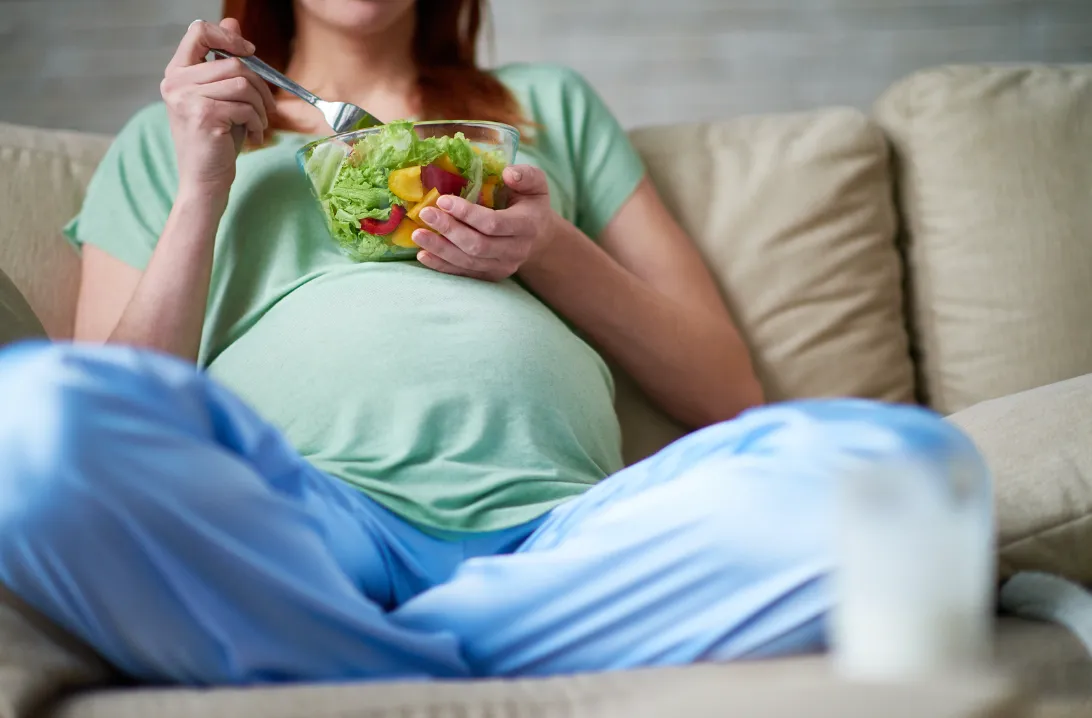
Suitable sitting positions during pregnancy
Maintaining an appropriate, comfortable sitting posture is very important for looking after your physical health during pregnancy.
In general, choose a position that supports your weight and keeps your back aligned, while avoiding pressure on your hips and lower back.
Examples of suitable sitting positions include:
- Sit with your bottom against the backrest, your back straight, and your shoulders relaxed. Use a small cushion behind your waist to support your lower back.
- Choose a chair with a backrest and a suitable height so your feet rest flat on the floor and your knees are level with your hips or slightly lower.
- Avoid crossing your legs, and get up to walk or stretch every 30–60 minutes.
- When getting up from a chair, move to the edge first, then use your legs and hands to help push yourself up slowly.
Good sitting posture combined with regular movement can help reduce the back pain and swelling that often accompany pregnancy. This is consistent with NHS advice on back pain during pregnancy. Relaxing activities, such as these stress-relieving activities for pregnancy, can also help ease muscle tension.
Conclusion
Paying attention to how you sit can help reduce discomfort during pregnancy. Back support, foot support and regular changes of position are more useful than treating ordinary sitting positions as universally forbidden.
If you have difficulty sitting comfortably during pregnancy, consult a doctor or specialist for further advice and care.
Choose your sitting position carefully and change positions frequently to stay comfortable throughout pregnancy.
Recommended new article: 5 Warning Signs That Labour Is Approaching and How to Recognise Them
FAQs
How should I sit when working for long periods?If you need to work for long periods without interruption, choose a sitting position that properly supports your back and hips. You may also want to create a space for resting or change sitting positions frequently to reduce strain on different parts of your body.
Which sitting positions help relieve back pain?Choosing a sitting position that supports your back and hips, such as sitting in a chair with a backrest, can help reduce the back pain that sometimes occurs during pregnancy.