






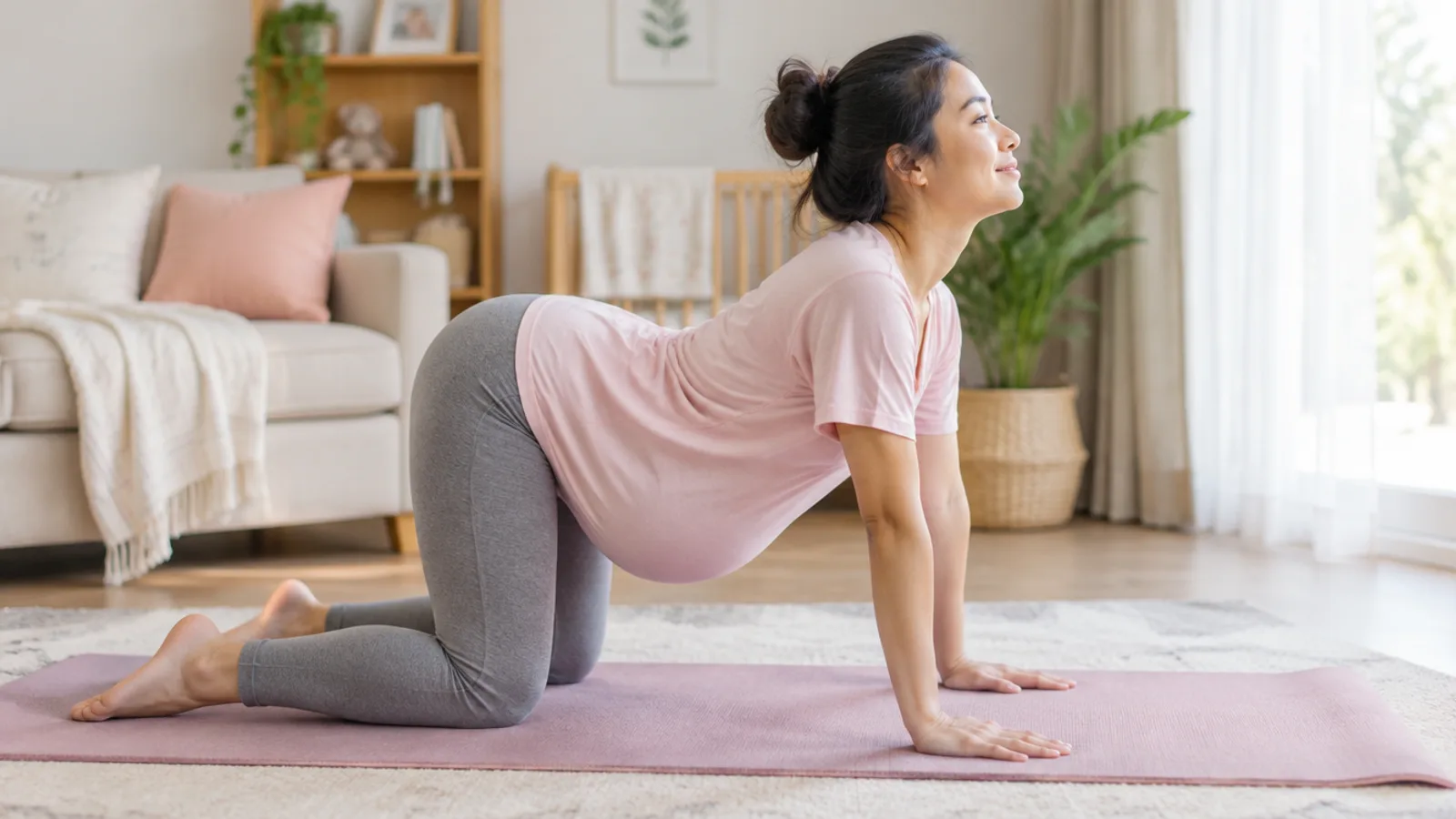
Pregnancy is an exciting experience, but it also brings various discomforts. One of the most common symptoms expectant mothers experience is back pain.
In this article, we share three tips to help reduce back pain during pregnancy, along with warning signs that need prompt medical attention.
Back pain during pregnancy
Anyone can experience back pain, but it is more likely during pregnancy. As your weight and bump increase, your centre of gravity shifts forward, causing your back to arch more. Pregnancy hormones also loosen the ligaments and joints around the pelvis in preparation for childbirth, making the back muscles work harder.
Pregnancy back pain usually affects the lower back and may radiate to the hips, buttocks or pelvic area.
The severity and frequency vary from person to person. Mild symptoms can often be relieved with warm or cold compresses, rest and changes in posture. If the pain is severe, consult a doctor or physiotherapist (read more from the NHS).
How to Prevent and Relieve Pregnancy Back Pain
Back pain is common during pregnancy, especially in the early and late stages. However, activities during pregnancy can help prevent and manage it. Here are some tips to help reduce back pain at different stages of pregnancy.1. Wear Suitable Shoes
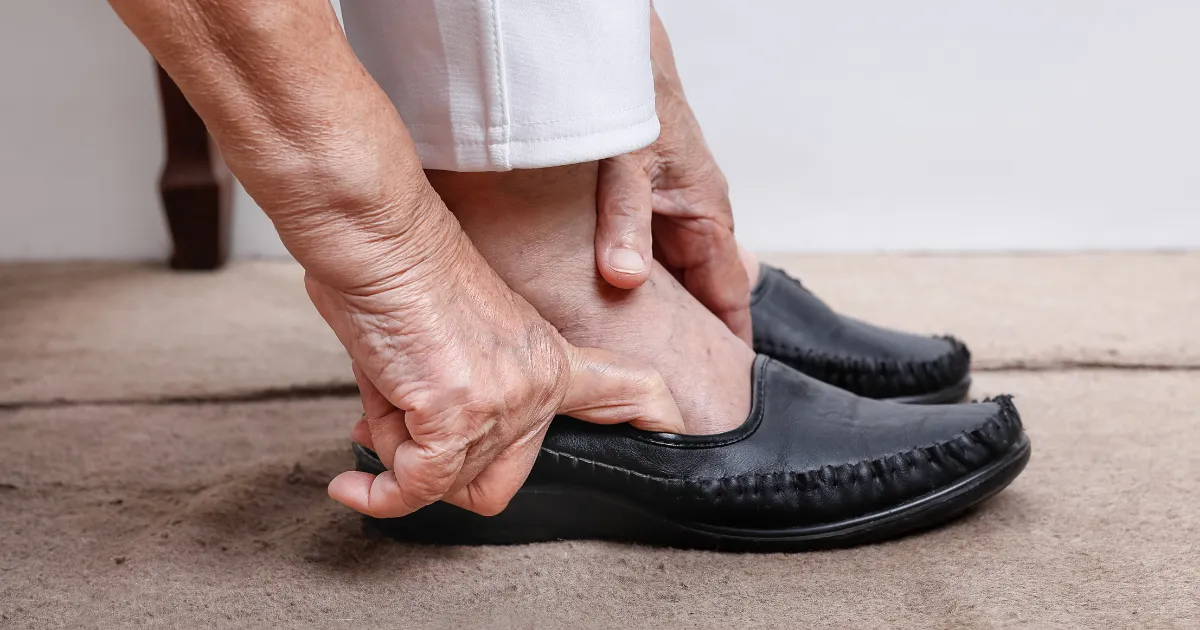
Suitable shoes help distribute your body weight evenly and reduce pressure on your joints and back. Choose well-fitting, low-heeled shoes with cushioned soles and arch support, as your feet may swell during pregnancy.
Avoid high heels because they shift your weight forward, increase the arch in your back and make your knees and hips work harder. They also increase the risk of tripping and falling.
2. Use Maternity Support and Rest Your Feet During Prolonged Standing
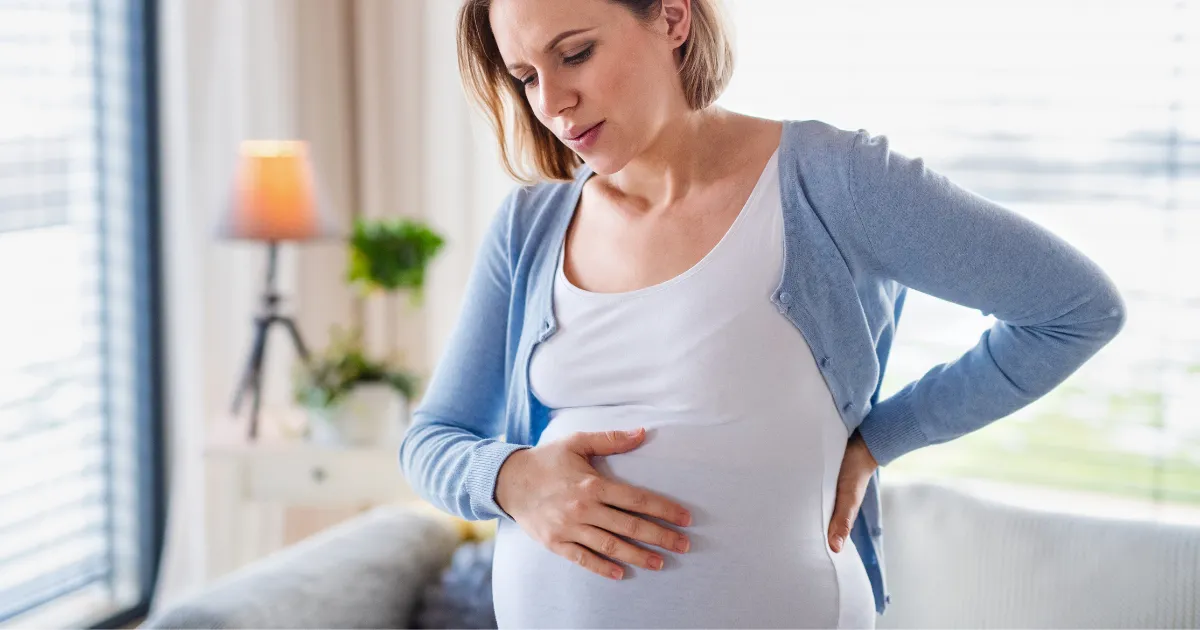
Support aids suitable for pregnancy include maternity support belts or wraps, which help support the weight of your bump and reduce strain on your lower back, particularly when standing or walking for long periods. Choose a size that fits comfortably without feeling too tight. If you have an existing medical condition or pregnancy complications, consult your doctor before use.
When standing for extended activities, such as working in the kitchen, rest one foot on a low stool or stable box and switch sides regularly. This can help reduce the arch in your back. Take frequent opportunities to sit and rest. If back pain remains severe or you have other unusual symptoms, consult a doctor for appropriate diagnosis and treatment.
3. Sleeping and Sitting at Work
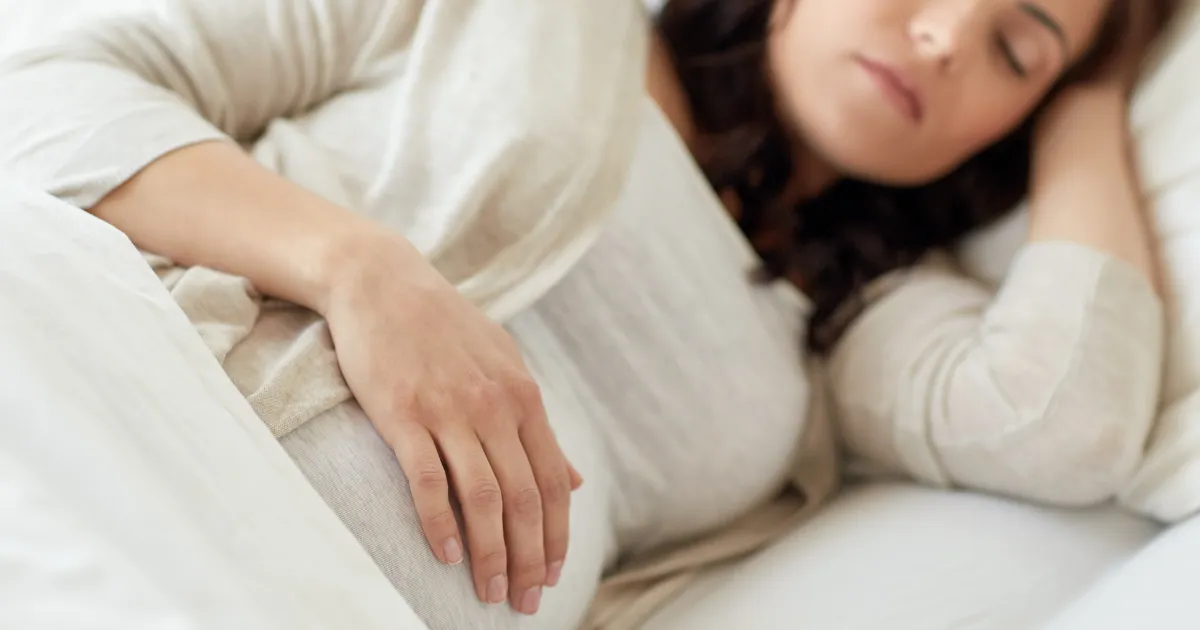
Good sleeping and sitting positions can significantly reduce back pain. Sleep on your side with your knees slightly bent, placing a pillow between your knees and another under your bump, or use a pregnancy pillow. Choose a mattress firm enough to support your back well. From around 28 weeks of pregnancy, settle to sleep on your side and avoid lying on your back for long periods.
When sitting at work, choose a chair with a supportive backrest. You can place a small pillow behind your lower back. Keep your feet flat on the floor or a footrest, and get up frequently to stretch or walk instead of staying in the same position for too long. If your back pain is severe or does not improve, consult a doctor for appropriate diagnosis and treatment.
Choosing a Comfortable Sitting Position
Poor sitting posture can cause back pain during pregnancy. Choosing a suitable sitting position can help reduce pressure and provide greater pain relief.- Choose a chair with back support. A chair with a high backrest helps support your lower back and shoulders while you sit.
- Adjust the chair height. Keep your feet flat on the floor, with your knees and hips at approximately 90 degrees. Sit upright against the backrest without bending forward or rounding your shoulders (read more: 5 Sitting Positions to Avoid During Pregnancy).
- Avoid sitting still for long periods. If you need to sit for an extended time, stand up and move around to reduce pressure on your back.
Sleeping Positions That Support Your Back
An unsuitable sleeping position can make pregnancy back pain worse.
Side sleeping is recommended during pregnancy. You can sleep on either your left or right side, whichever feels comfortable. Here is how to position yourself.
| Position | Advice |
|---|---|
| Lie on your side with your knees bent | Bend your knees slightly and place a pillow between them to keep your hips and back aligned. |
| Support your bump with a pillow | Place a small pillow under your bump or use a pregnancy pillow to reduce pulling on your lower back. |
| Avoid lying on your back for long periods | From around 28 weeks of pregnancy, settle to sleep on your side. Lying on your back for long periods allows the uterus to press on major blood vessels, which may cause dizziness and reduce blood flow to your baby. If you wake up on your back, simply turn onto your side. |
You can switch between your left and right sides during the night as comfortable to reduce muscle fatigue in your back and hips.
Daily Habits to Change When You Have Pregnancy Back Pain
Changing your daily habits is important for relieving back pain during pregnancy because it reduces strain on the muscles and joints in your back and pelvis. Here are some changes you can make to help relieve pregnancy back pain:- Sleep on your side on a mattress firm enough to support your back, rather than one so soft that you sink in and your back arches.
- Sit upright in a chair with a backrest, and get up to change position every 30–60 minutes.
- Avoid high heels because they make your knees and hips work too hard and can cause back pain.
- Do gentle exercise regularly, such as walking, swimming, pregnancy yoga or prenatal Pilates, to strengthen your back and abdominal muscles. Consult your doctor before starting exercise, and stop immediately if you experience any unusual symptoms.
- Avoid heavy lifting. If you need to pick something up from the floor, bend your knees and keep your back straight rather than bending your back or twisting.
- Avoid standing for too long, and distribute the weight of anything you carry evenly between both sides.
- Relax with a warm bath or a gentle massage from someone experienced in pregnancy massage (read more: Can Pregnant Women Get Massages?).
Warning: Back Pain That Needs Urgent Medical Attention Contact a doctor immediately if back pain occurs with any of the following: fever, vaginal bleeding, painful urination, pain under the ribs on either side, or back pain or abdominal tightening at regular intervals in the second or third trimester, which may be a sign of premature labour (read more: Abdominal Tightening During Pregnancy). If you experience numbness or loss of sensation in your legs, buttocks or genitals, go to hospital or call 1669 immediately.