






Traveling with Your Baby Made Easier: 5 Tips for Your First Trip
School breaks and long holidays are travel season, and many families are planning their very first trip with their little one.
Your first trip with your baby is especially exciting! But honestly, it can also be a little complicated. You need to plan around diaper changes, feeding, and fussy periods. With so many things to consider, the journey can feel like your biggest challenge yet.
But parents, there is no need to worry. We have some essential tips for a road trip with your baby to help you both enjoy your first adventure together. Let's take a look.
1. Packing matters
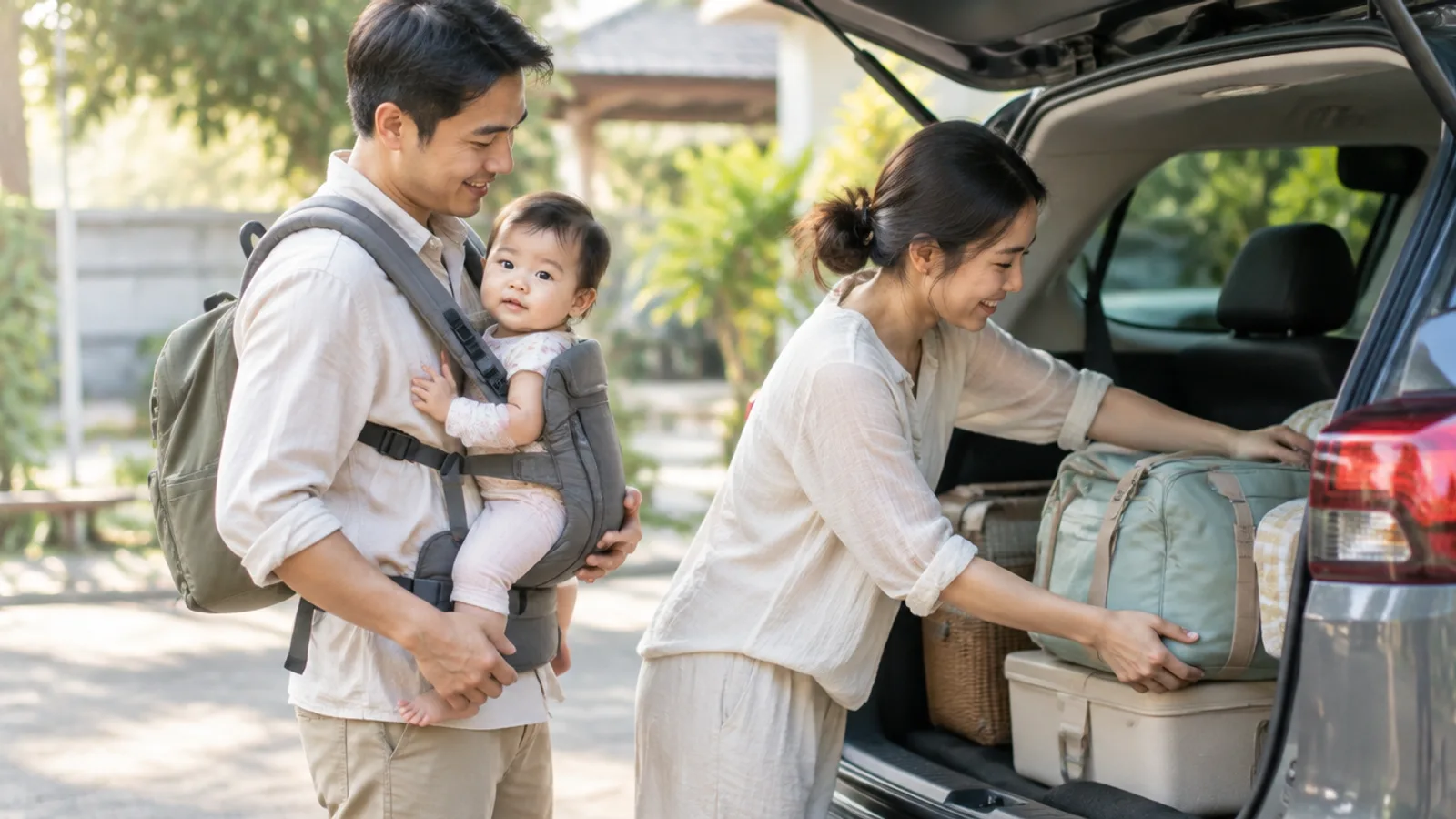
With so much to bring, make a checklist of essentials and check it twice. Try to pack only what you truly need. The excitement of your first car trip with your baby may tempt you to fill the car with bags. Since you are taking your own car anyway, you might feel like bringing almost the whole house—but there is really no need.
One thing you do need is a diaper bag that holds all your baby's essentials, so you only have one bag to carry when you need something. Pack wipes for your baby's hands and mouth, and don't forget their favorite snacks for when hunger strikes, as baby food may not be readily available wherever you go. Bring a favorite toy, too. Something your baby loves or finds comforting can be very helpful on a long journey.
2. Make sure your journey meets all safety requirements
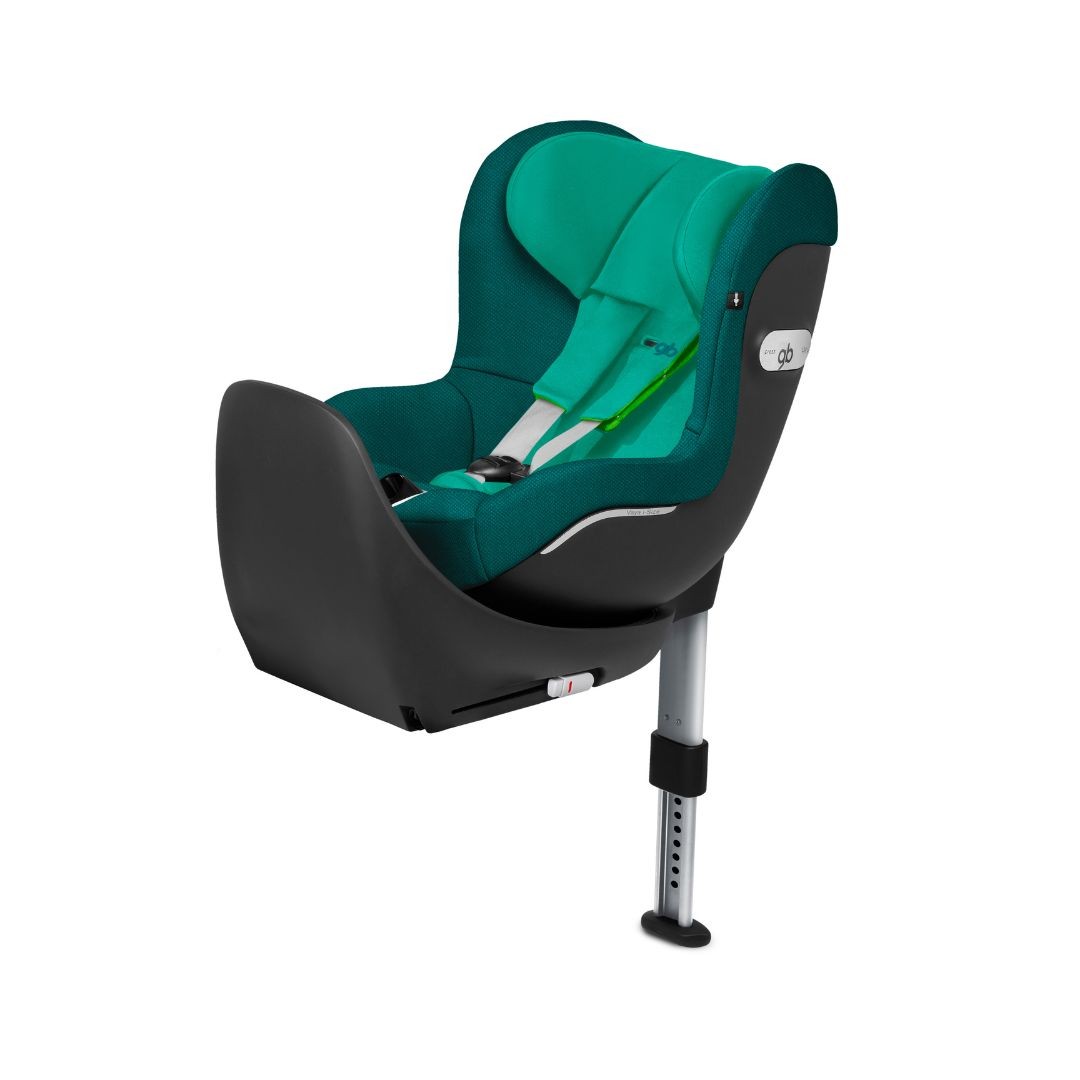
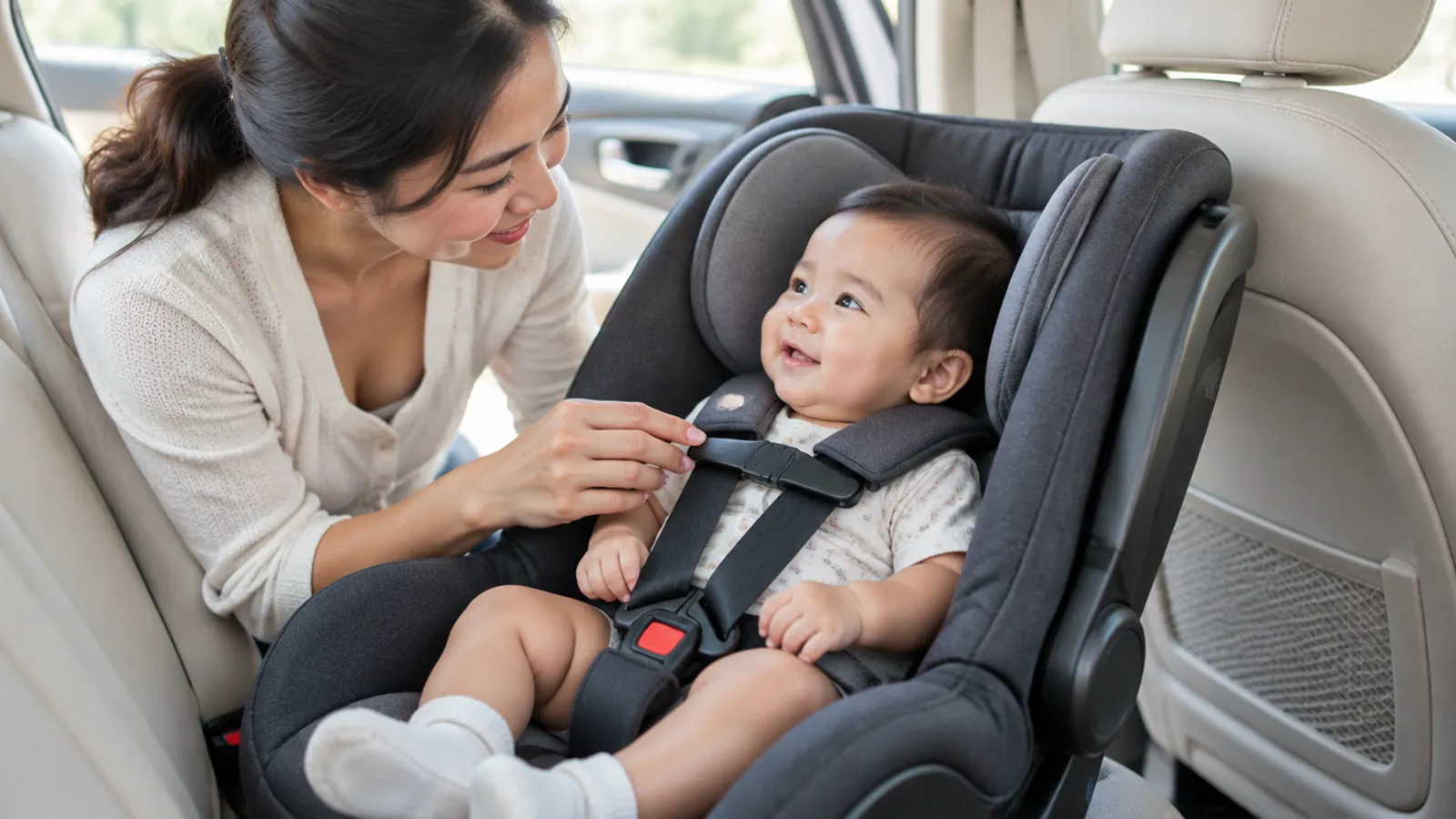
Safety comes first when traveling with your baby. You need a car seat suitable for your child's weight, height, and age. Make sure it is securely and correctly installed (see how to install a car seat correctly), and do not leave sharp objects, heavy items, or anything that could fly loose and injure you or your baby if the car brakes suddenly.
Safety precautions: Keep your child rear-facing for as long as their weight and height remain within the car seat's limits. Never install a rear-facing car seat in a front seat with an airbag, and never hold your baby on your lap while the car is moving, even on a short journey (AAP car seat guidance).
3. Choose the right time to travel
The best departure time may differ from family to family, but consider your baby's sleep schedule. Ideally, they can sleep in the car, get plenty of rest, and be less fussy when you arrive at your destination.
4. Take breaks along the way
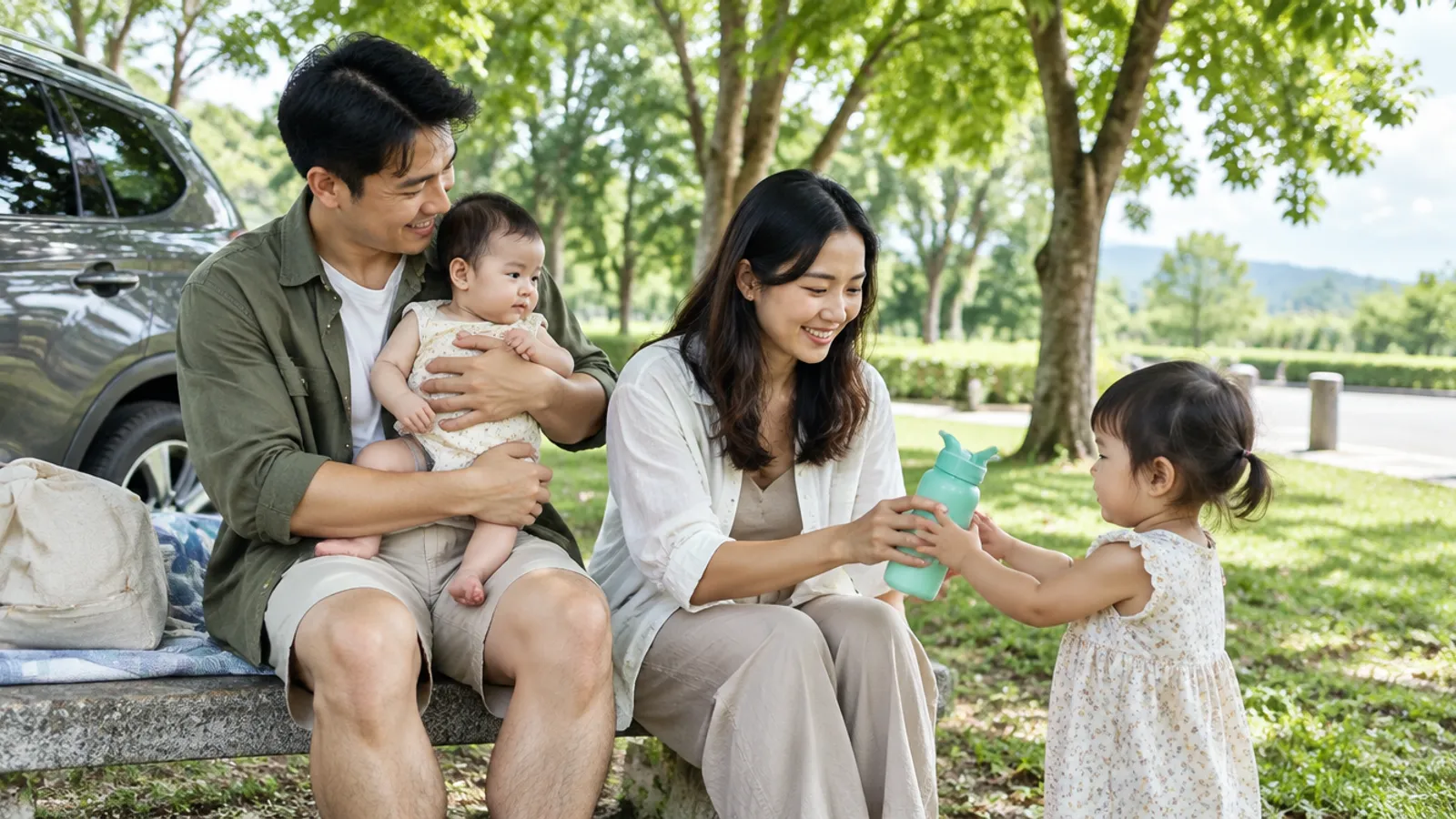
Regular breaks when traveling with young children are essential for two reasons: they give your little one a change of scenery for meals or a chance to return to their mother's arms, and they let them stretch and move outside the car seat. Car seats are not designed for babies to sleep in for long periods, and young children still need frequent cuddles. Stop regularly and lift your baby out of the car seat at every break (The Lullaby Trust). If your baby is a newborn and you need to travel a long distance, ask your pediatrician about suitable travel durations. Include at least one stop for a meal or milk feed (feed your baby only once the car is parked, not while it is moving). Bringing plenty of sandwiches or fruit will help keep your child from getting hungry.
Keep in mind that young children can get fussy anywhere. Try not to get upset when something unexpected happens; be prepared to handle surprises along the way.
5. Plan activities
When your baby is not eating or sleeping in the car, be ready to keep them entertained. Set aside some time to sing and enjoy music together. Before setting off, create a playlist for your family trip that includes your children's favorite songs. Another helpful tip is to play child-friendly audiobooks or soft background music to help your little one relax or fall asleep in the car.
If your baby does not want to sleep, give them a chance to play. Yes, bring their favorite toy! Toys for the car should be soft or lightweight, without sharp corners or small parts, and offer sensory stimulation as well as fun. Store hard or heavy toys in a bag in the trunk, as they could fly toward your child if you brake suddenly. Find age-appropriate toy ideas at toys for 6-month-old babies.
A car journey can also be a good opportunity to introduce your little one to books early. Choose picture books featuring wild animals, farm animals, or insects to immerse them in the natural world.
Ready for a road trip with your baby? The key is to stay flexible. Avoid sticking too rigidly to your itinerary. Things often do not go according to plan when traveling with children, but flexibility makes everything easier. You can still come away with wonderful memories of this first trip together.
If you are looking for a great developmental toy to pack for a trip with your child, Hape toys are a good choice, with a wide range of wooden toys that support development at every age. If you are choosing a destination, try reading what to pack for trips with children to these 3 destinations.
Thoughtfully designed around children's learning, these toys help develop important skills such as seeing, listening, observation, fine motor skills, problem-solving, imagination, and creativity. They also encourage integrated academic learning through STEAM.
Their durable designs and materials focus on supporting children's development while making safety a priority, with non-toxic colors and FSC-certified wood. Their strength and durability give them a long lifespan, making them environmentally friendly.
Hape is therefore a global wooden toy brand that places importance on toy safety standards and environmentally conscious manufacturing processes.
This makes Hape wooden toys an easy way to enrich these activities and help little ones spend time away from screens.
What matters most is sharing happy moments as a family, because wherever there is love, there is a complete home! What activities do you enjoy with your child? 😁
Hape Thailand
Love Play Learn
🌐: Browse all products /hape-brand-page
Follow the latest news and special offers FB : Hape Thailand