






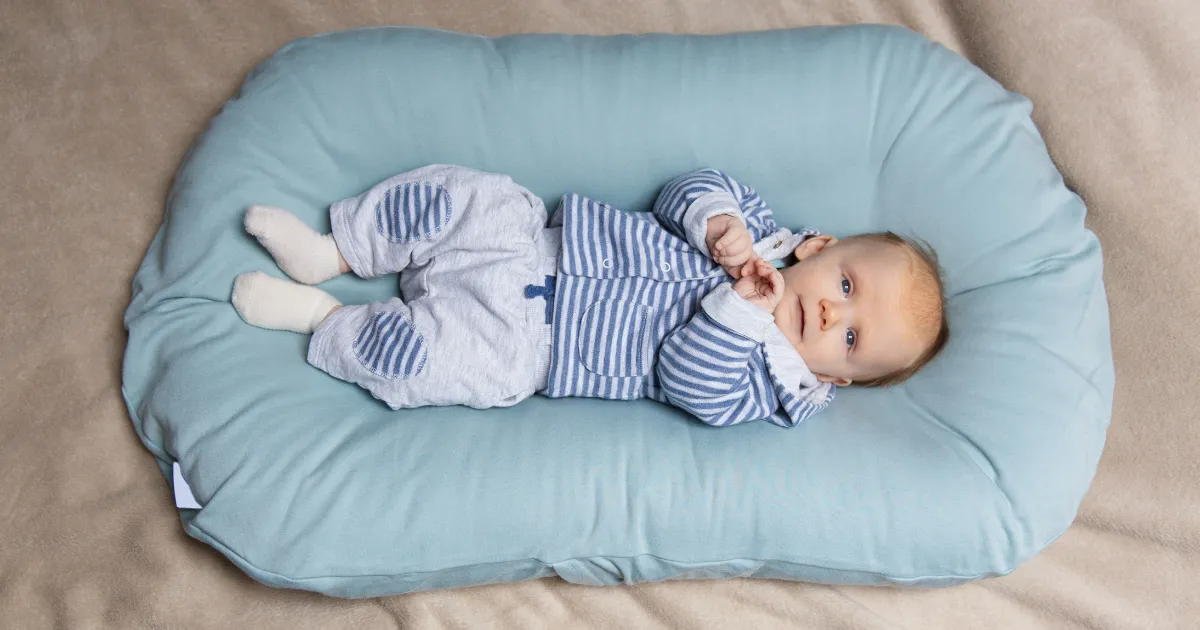
Who enjoys housework? Hands up! If you have very little time to spend with your child, doing chores together can help strengthen your family bond.
Some families give children small chores, such as taking responsibility for their own things. Others ask children to take over household tasks. But have we explained why they are doing them, how they help, and whether they can be enjoyable? When parents and children work together, chores can become fun and valuable time together.
The Benefits of Doing Chores with Your Child
Housework is a family responsibility, so children benefit when they see chores as an activity they can take part in alongside their parents.
Chores teach children life skills, whether they are making the bed or sweeping the floor. Helping with housework makes children feel capable and more confident. They may feel proud to be grown-up enough to look after themselves and their belongings. This is how they learn responsibility.
Giving children chores teaches them to care for their home and family members. They have to clean up and become more aware of the mess they make. Children learn to appreciate and respect their parents' hard work and understand that the spaces in a home are shared, so everyone needs to help look after them.
Children feel like important members of the family team. We can practise teamwork at home by giving each family member responsibility for a particular task. This helps children develop teamwork skills they can use at school or in their future workplace.
Setting aside time and cleaning the house together can bring a family closer. People often complain that doing chores with children takes even longer, but this can be a special opportunity for the whole family to spend time together doing something important.
Chores also develop planning and time-management skills. Fitting all the housework into one day can be quite a challenge. Setting daily goals teaches children to prioritise and manage their own time, helping them improve their ability to manage homework in the future.
So which chores should you give your child? Start involving them in daily cleaning to teach them how to care for a home. Give young children simple tasks suited to their age and developmental level, such as setting or wiping the dining table, sorting or folding laundry, loading dishes into the dishwasher, or sweeping their bedroom. The American Academy of Pediatrics (AAP) recommends that preschoolers can begin helping with simple chores and that parents should praise effort rather than perfect results.
Safety precautions: Young children should always be closely supervised by an adult when doing chores. Do not let them handle knives, sharp objects, glass dishes, or cleaning products, and keep all chemicals out of children's reach in a locked cupboard. If they help load the dishwasher, let them handle only plastic dishes or cutlery without sharp edges.
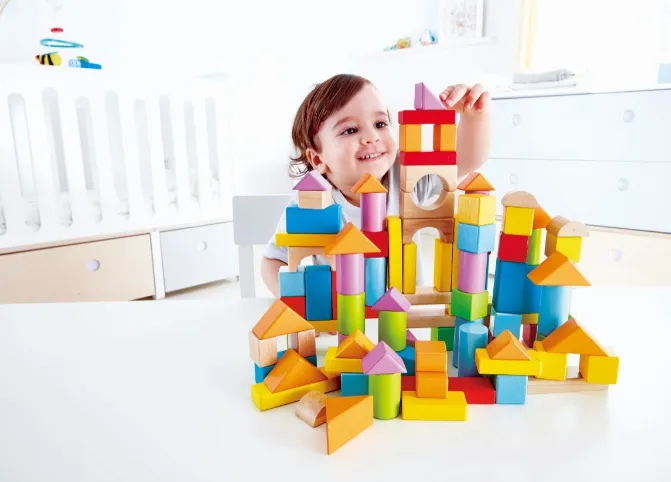
For preschoolers, chores should begin with putting away their toys each day. They can also start learning to clear their dishes after eating or fill a pet's food bowl.
Playing and putting away toys are a starting point. After your toddler has finished playing with 101 pcs Block, a set of more than one hundred pieces that inspires generations of builders, encourage them to gather all the pieces and put them neatly into the storage box. This helps them learn while fostering patience and respect for the space in their home.
For older children, ask them to put their shoes and backpack in the right place when they get home from school, or have them put away their clothes while you teach them how to fold different items.
Chores can become entertainment for children with a little help from us. Teach them how to organise things through play, or turn sorting laundry into a game, such as sorting and matching socks into the correct basket. This way, children can begin separating clean clothes from dirty ones.
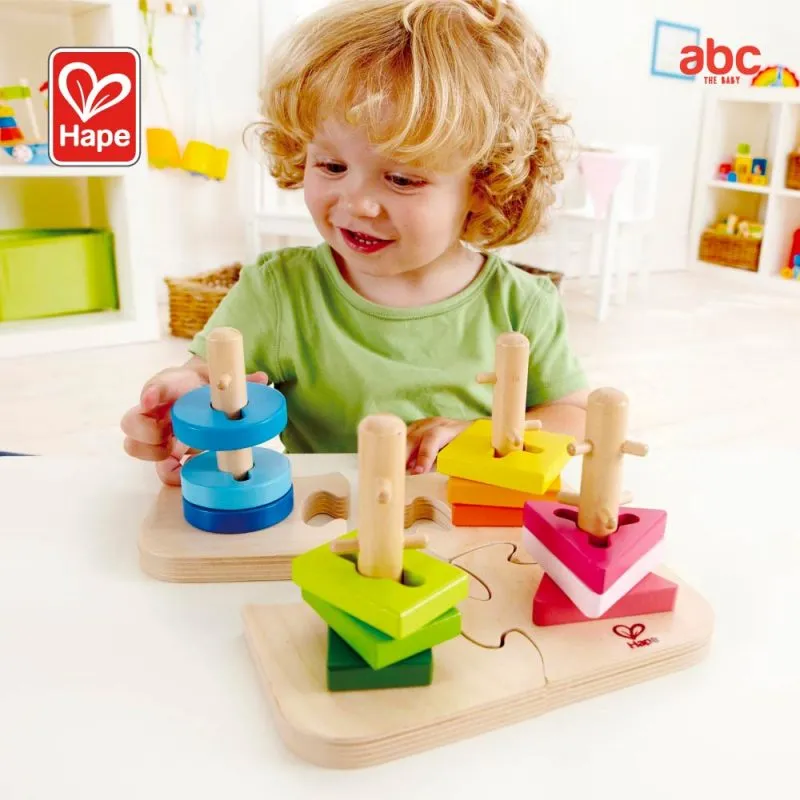
Sorting is an important life skill. Try a shape-sorting toy suitable for toddlers, such as Hape's Creative Peg Puzzle. Children pick up shapes and fit them onto pegs with an extra dimensional twist for a little more challenge.
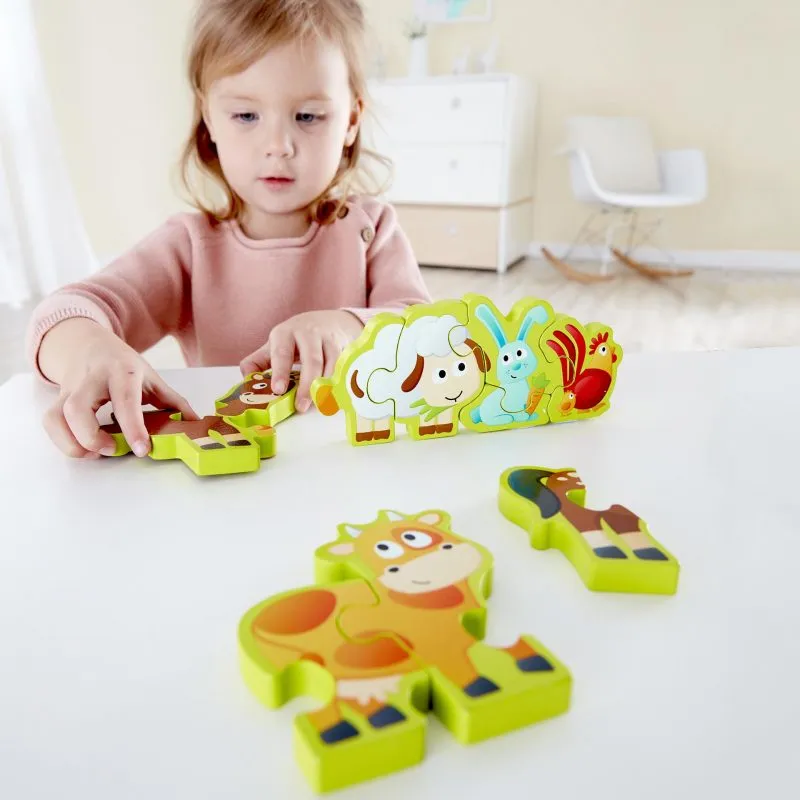
Or, if you want your child to keep their room tidy, try using play to develop a sense of order. The Numbers & Farm Animals set, a parade of numbers and farm animals, may help! Read more in our article, Animal Puzzles: Toys That Teach Numbers.
This colourful 10-piece wooden puzzle features animals on one side and numbers on the other. It can stand on a table or shelf. The aim is to arrange the puzzle pieces neatly, with the hope that children will do the same with the things in their own room.
Another lovely toy that inspires tidiness and encourages responsibility is a dollhouse, such as Doll Family Mansion or the Furry Friend Vet Set animal-clinic-themed dollhouse. Dollhouses encourage role play, and children can also recreate their own family life as they play. They may even try to keep their home as neat and tidy as their toy house.
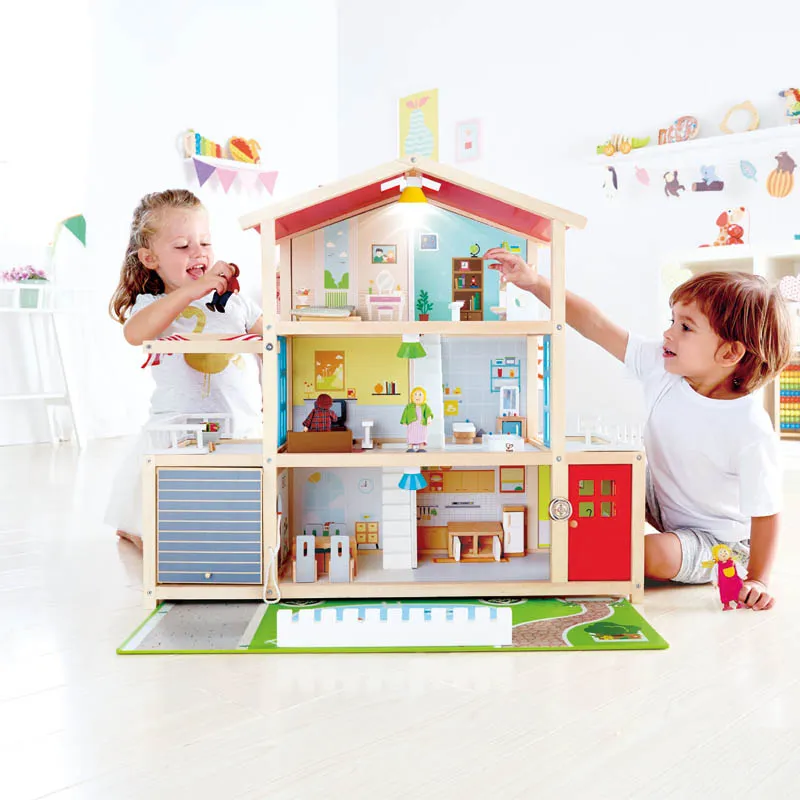
Try setting a time limit, too: “A chore is successful when it is finished on time.” Encourage your child to organise their time for chores and other daily routines. Let them decide what they want to do and when. Involving children in decisions makes them more eager to help with housework! Remember to praise them when they do well, and recognise their effort even if the result is not yet tidy. Explore more toys suitable for toddlers in Toys for 1-Year-Olds and Toys for 3-Year-Olds.
If you are looking for an excellent developmental toy, Hape is a great choice. We offer a wide range of wooden toys that support children's development at every age.
Thoughtfully designed with children's learning in mind, these toys help children practise important skills such as seeing, listening, observing, fine motor skills, problem-solving, imagination, and creativity. They also encourage integrated academic learning through STEAM.
Their sturdy designs and durable materials focus on supporting children's development while making safety a priority. With non-toxic colours and FSC-certified wood, they are strong, long-lasting, and environmentally friendly.
These qualities have made Hape a global wooden toy brand. Many of its toys have won awards at international toy competitions, and they are manufactured to ICTI, CCIB, ISO 14001, and ISO 9001 standards.
It is easy to see how Hape wooden toys can enrich these activities and help keep little ones away from screens.
What matters most is sharing happy moments as a family, because wherever there is love, there is a complete home! What is your favourite activity to do with your child? 😁
Hape Thailand
Love Play Learn
🌐: Browse the full range All Hape Toys
Follow the latest news and special offers FB : Hape Thailand