






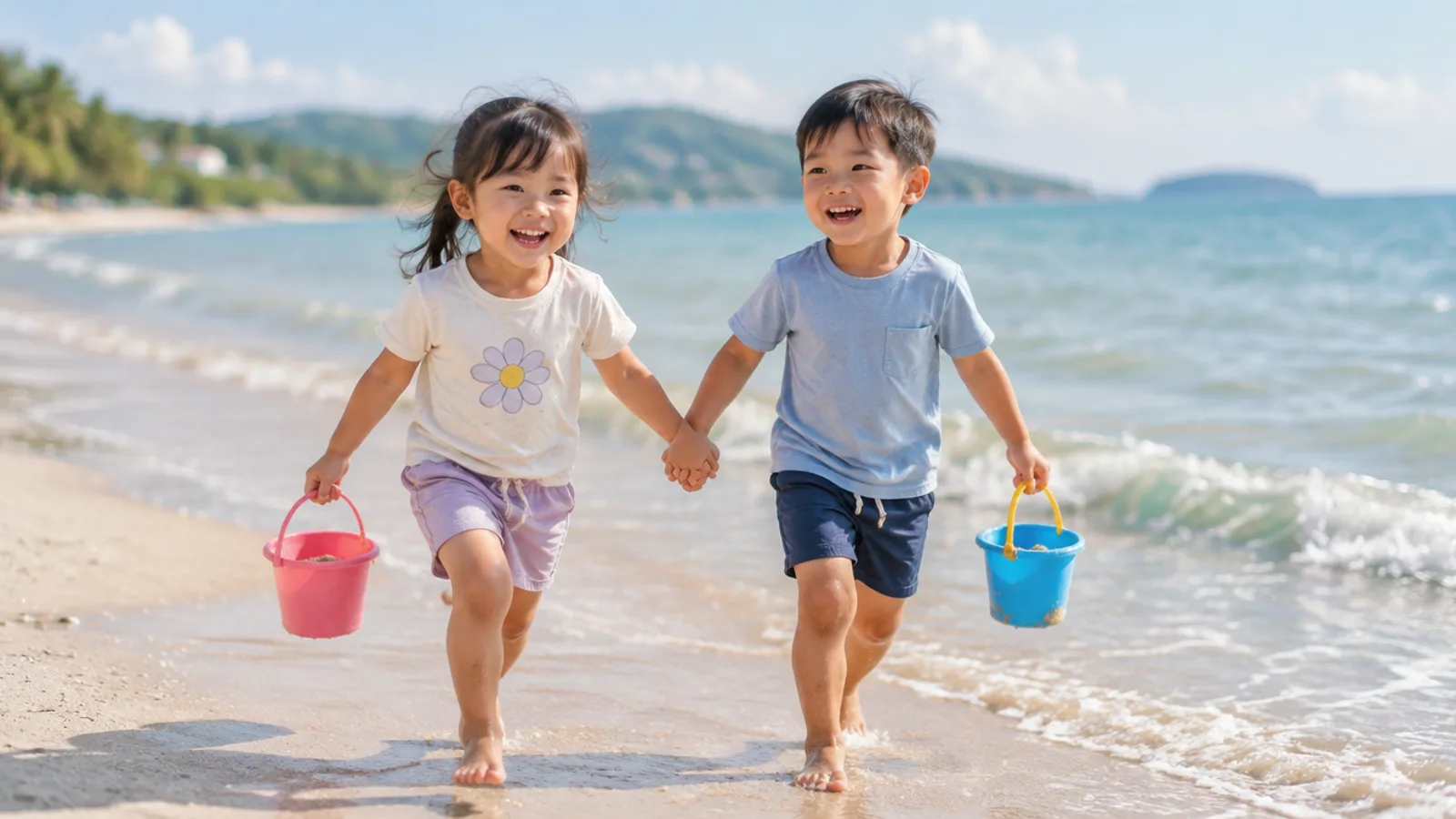
Friends play an important part in children's development. As parents and caregivers, we can use toys to create opportunities for children to cooperate and care for others.
First, always remember that #EveryChildIsDifferent. Some children can already play and take part in many activities with others at three years old, and know who they can be friends with. Some seem to make friends very easily, while others may need more time.
We should pay attention to our child's attitudes and personality, and respect their decisions without intervening too much. We can still help children move beyond their shyness and feel brave enough to connect with others. These childhood friends may become close friends for years to come.
How can children start getting to know new friends?
Children learn friendship skills by playing together. Some of these skills can help them build friendships now and in the future, including cooperating, sharing, taking turns, listening to others, considering other perspectives and resolving conflicts. These skills are very important, and pretend play is a great way to practise them (Social Development in Preschoolers, from the AAP).
When children actually play together, they discover that not everyone wants to play everything the same way. They need to find ways to compromise and decide which role each member of the group will take.
When this happens, observe carefully how your child solves problems or responds to other children, as this offers clues to their emotions and feelings. It helps parents understand their child and find specific ways to encourage them to work on difficulties or correct mistakes.
Help children learn to be good friends
Suppose you are watching children play together and notice that your child tends to be bossy. You can help them learn to be a good friend by explaining what is happening and encouraging positive behaviour. For example, you might say, “Before deciding who does what, how about getting together with your friends and talking things through nicely before you play? Some friends might not want to play what you want to play, and they might not enjoy it.”
Help children get to know friends through play
Giving your child opportunities to play with other children can help them learn about friendship. If they are shy, it is best to start with 1–2 playmates rather than a large group. If there are siblings at home, try reading Strengthening Sibling Bonds Through Play too.
Give your child and their friends a variety of ways to play
To encourage cooperation and the ability to compromise, give children choices about what to play and praise them when they successfully make decisions together. For example, “Well done! You worked so well as a team. Give yourselves a round of applause!”
For the shyest children, having parents nearby can feel reassuring. If your child does not yet know the other children well, stay close until they feel confident.
Limit playtime too! Children often become irritable with their friends when they get tired from playing. Set a time limit for playdates to help prevent your little one from acting up. If the children argue, find ways to handle it in 5 Ways to Handle Children Arguing.
Now that we have explored ways to help your child make friends, let's look at activities they can enjoy with friends that encourage cooperation and teamwork. Hape offers plenty of choices, specifically designed for children to play together safely and enjoy valuable learning experiences.
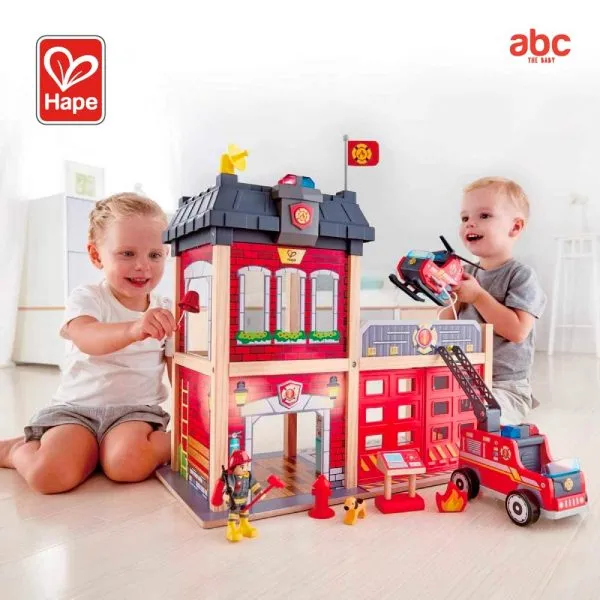
Pretend Play
This helps children develop their imagination, explore new experiences, think creatively, learn to role-play and create their own imaginative stories.
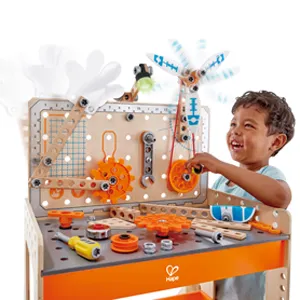
Inventive Play
Encourage imagination, understanding of cause and effect, learning about colours and STEAM learning. Today's children want more opportunities to invent and experiment with the physical world. Invention toy sets let children explore mechanical phenomena and more, using their muscles to twist, turn and connect different gears and components.
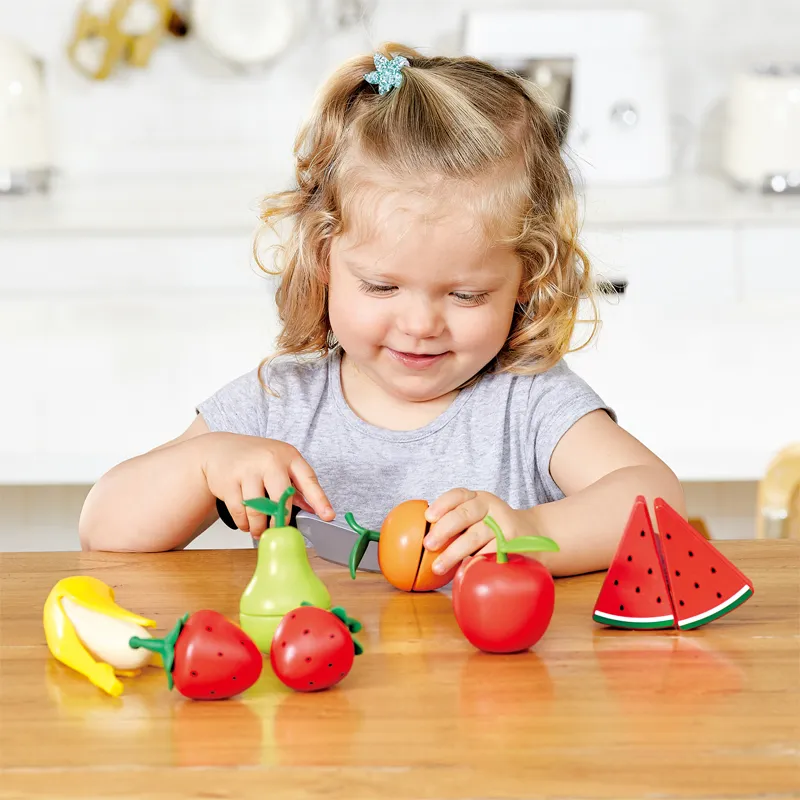
Play Kitchens and Cooking
Hape features realistic details across its play kitchens, meals and ingredients. Children can have fun playing with friends, while also finding inspiration to pursue their dream careers as they grow up.
Marble Runs
Children can plan and build a marble run together. This encourages STEAM learning, an integrated approach that includes Science, Technology, Engineering, Art and Mathematics—important areas of knowledge for young children. Everyone from children to adults can play, making it an activity for the whole family (see an example: Castle Escape Marble Run).
Safety precaution: Marbles and small parts pose a choking hazard. Most marble runs are suitable for children aged 3–4 years and up, as indicated on the box. If younger children are in the group, adults must supervise closely and collect all marbles after play (HealthyChildren.org).
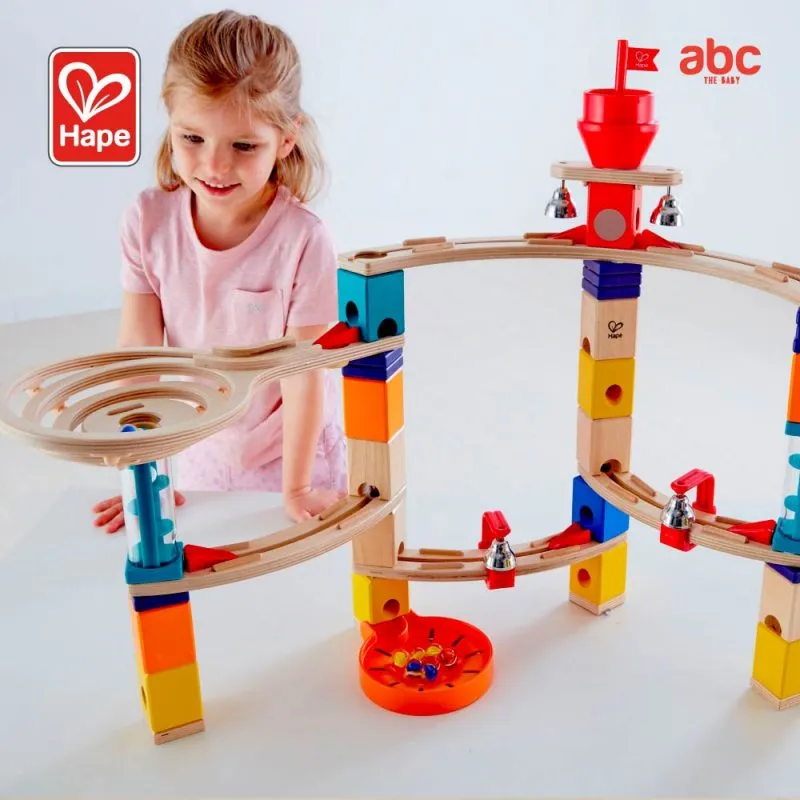
If you are looking for an excellent developmental toy, Hape toys are a good choice, with a wide range of wooden toys that support children's development at every age.
Hape is a wooden toy brand founded in Germany, known for colourful, fun toys that support well-rounded development at every age.
Thoughtfully designed with children's learning in mind, the toys help them practise important skills such as looking, listening, observing, fine motor control, problem-solving, imagination and creativity. They also encourage integrated academic learning through STEAM.
With durable designs and sturdy materials, the toys focus on supporting children's development while making child safety a priority. They use non-toxic colours and FSC-certified wood. Their strength and durability give them a long useful life and make them environmentally friendly.
Hape is therefore a global wooden toy brand that prioritises toy safety standards and environmentally conscious manufacturing.
It is easy for Hape to enrich these activities and help keep little ones away from screens.
What matters most is sharing happy moments as a family, because wherever there is love, there is a complete home! What activities do you enjoy with your child? 😁
Hape Thailand
Love Play Learn
🌐: Browse all products /hape-brand-page
Follow the latest news and special offers FB : Hape Thailand