






- Communicate by talking with your children and listening to their views
- Establish shared rules and agreements
- Plan creative activities for your children
- Create an environment filled with love and warmth
- Learn from other people's experiences and use them to guide how you handle situations at home
5 Ways to Handle Sibling Fights
1. Talk with Your Children and Listen to Their Views
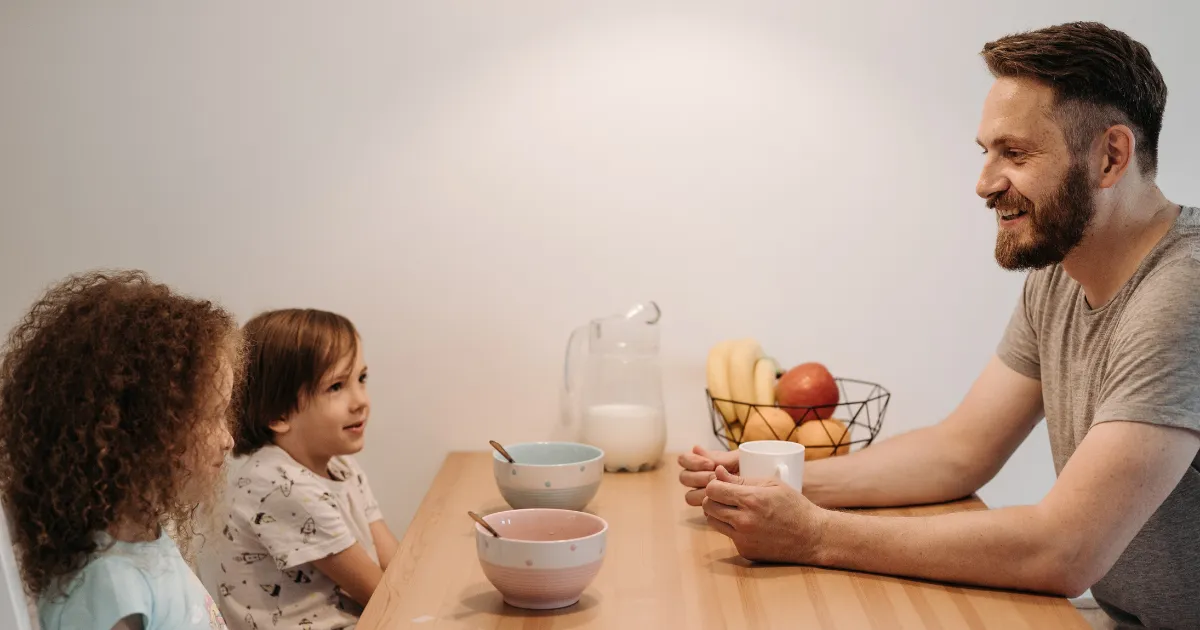
Communication with every child in the family is essential for building understanding and strong relationships. Parents are encouraged to sit down with their children and listen with an open mind, paying attention to their views and emotions.
Create a space where your children feel free to talk openly. Ask what led to their argument. Try to understand each child's perspective without deciding from the outset who is at fault, and help them understand one another's feelings. If your child still struggles to manage anger, see how to teach children to manage their emotions.
2. Establish Shared Rules and Agreements
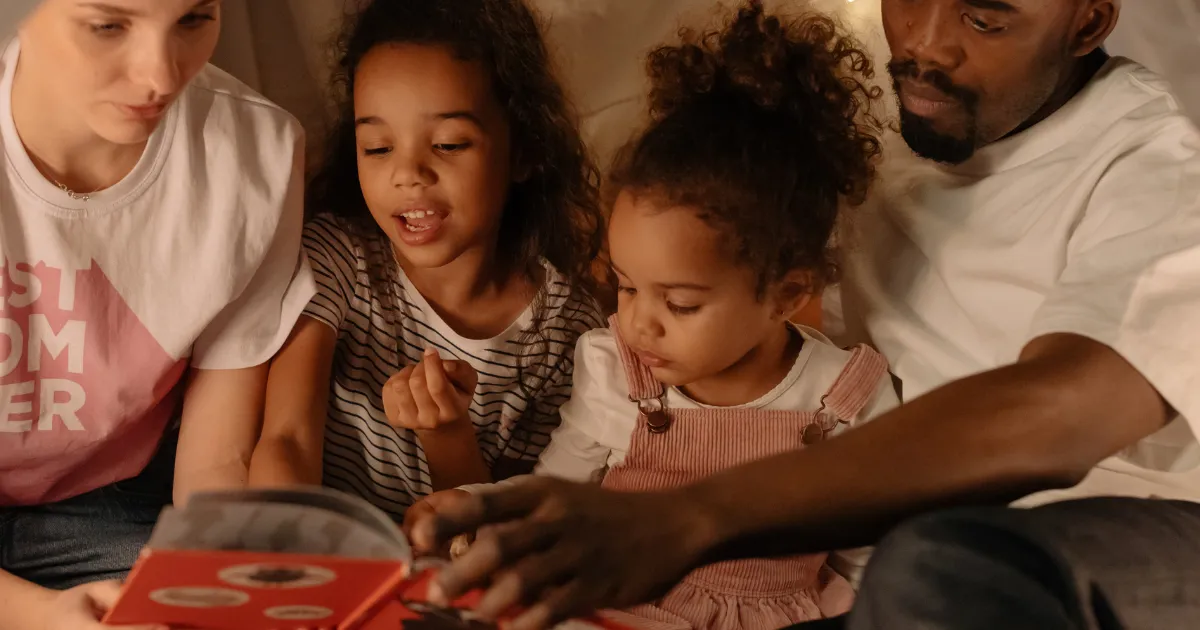
Establishing shared rules and agreements is an effective way to reduce arguments between your children at home. Take time to decide which rules are appropriate for your family.
Involve your children in setting the rules. For example, let them help establish household rules such as taking turns with toys, no hitting, and no swearing, in line with the behavior your family expects.
Setting rules also gives children an opportunity to learn about the consequences of not following them. Explain which actions break the rules and give examples, such as, "When children fight, the consequence may be losing an item or something important that they enjoy." You can also encourage your children to describe situations in which rules were broken. This helps them understand the reasons for, and consequences of, fighting.
Safety note: If an argument becomes physical, with hitting, pushing, biting, or throwing things at one another, separate your children immediately to keep them safe. Give each child time to calm down, then return to the conversation and find a solution once everyone is calmer. Parents should avoid hitting or shouting to stop a fight (read why in Is Hitting Children an Appropriate Punishment?). If your children hurt one another frequently or severely enough to cause injury, consult a pediatrician or child psychologist (see further guidance from KidsHealth).
3. Plan Creative Activities for Your Children
Organizing creative activities for children who fight is an effective way to give them opportunities to work together and learn from one another. Shared activities create cooperative, enjoyable experiences. They also help children develop creative skills and imaginative thinking, encouraging new ideas and learning through collaboration.
When planning creative activities for children who fight, choose activities that match their interests and abilities. For example, play games that require forming a team and solving problems together, or organize a shared story-writing activity so they learn to express themselves through writing. You could also have them draw a poster together, which requires discussing and agreeing on what to draw. Find more ideas in 4 Group Activities to Encourage Teamwork and Strengthening Sibling Bonds Through Play.
| Activity | Description |
|---|---|
| Team Problem-Solving Games | Play games that require forming a team and solving problems together to encourage cooperation and teamwork. |
| Writing a Story Together | Organize an activity in which your children work together to write a story, giving them a chance to express themselves through writing and create a story together. |
| Drawing a Poster Together | Let your children brainstorm and draw on the same poster, helping them practice communicating, listening, and reaching agreements. |
4. Create an Environment Filled with Love and Warmth
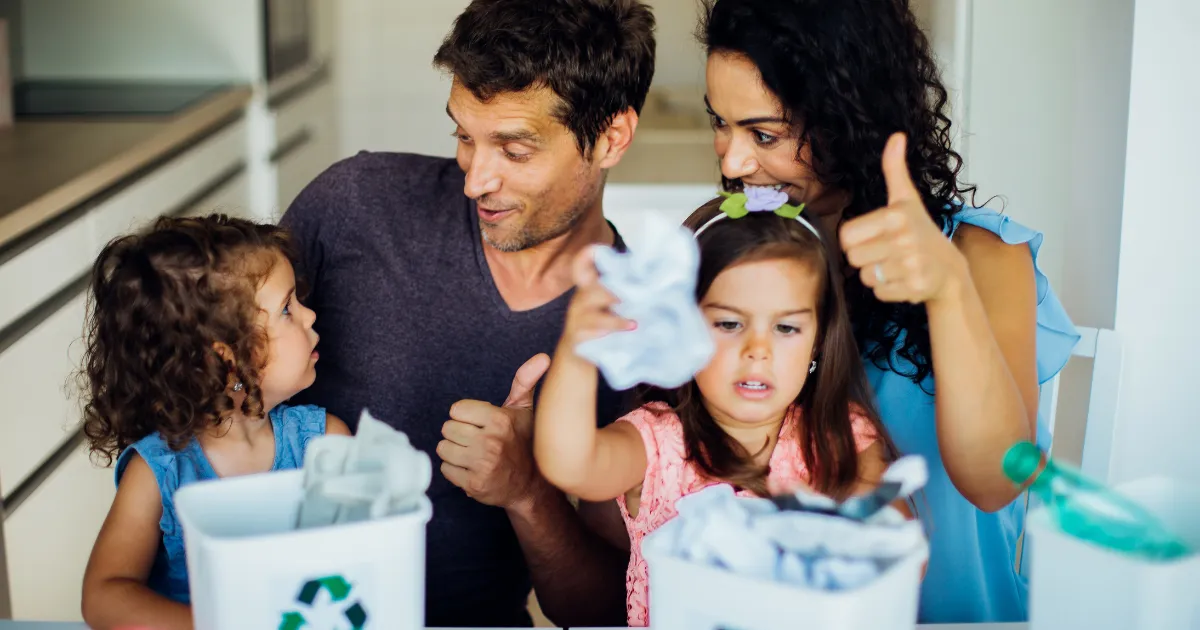
Creating an environment filled with love and warmth is important for helping children feel safe and happy within their family. Giving your children warmth every day matters and should not be overlooked.
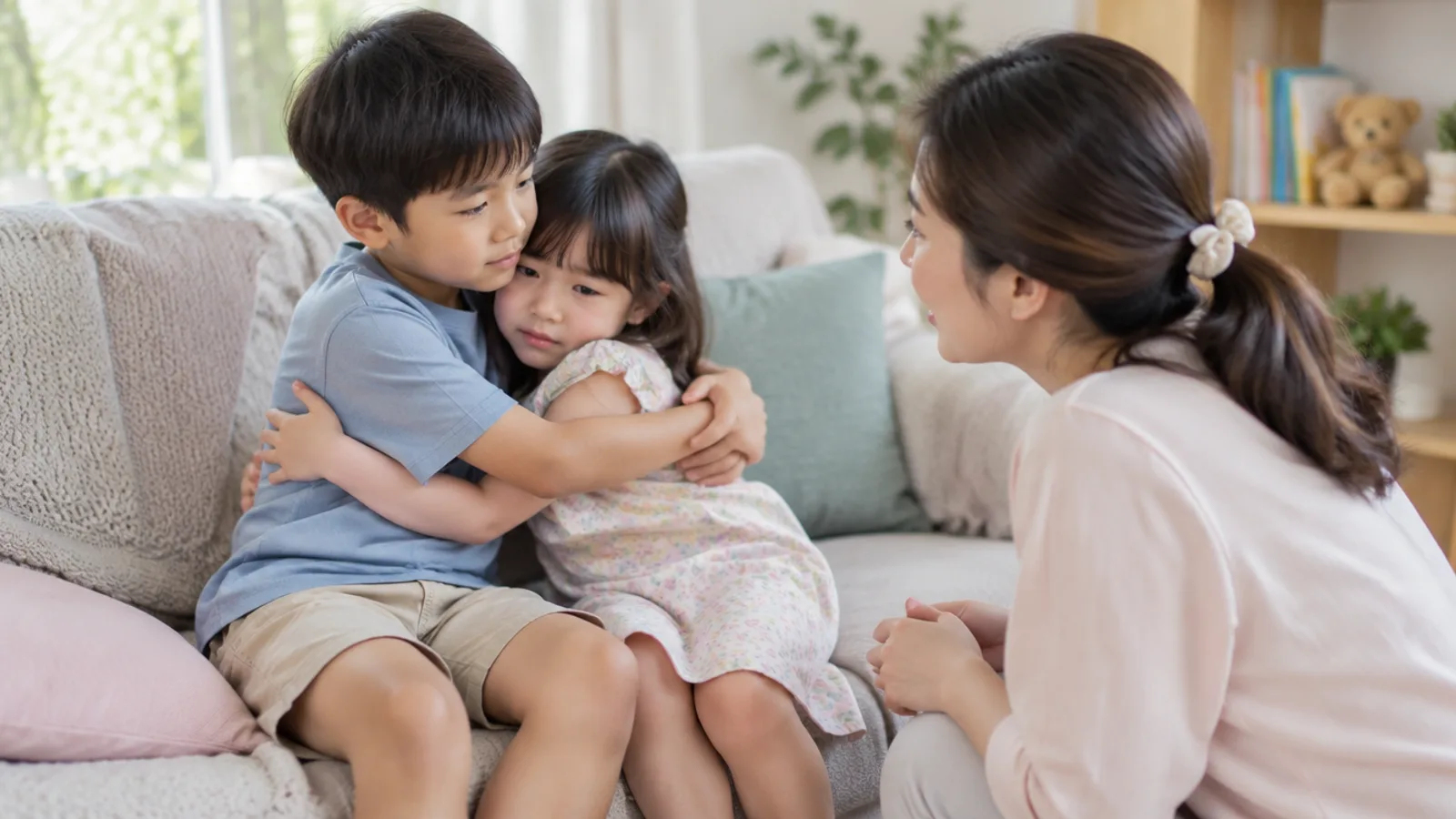
One way to do this is to hug your children and ask how they feel. Help them feel that you care and are always there for them. Asking about their feelings is a good way to express your love and interest.
You can also create a loving, warm environment by expressing affection consistently, through words and expressions as well as kind actions. Showing love and warmth can strengthen your bond and build a secure relationship with your children.
| Method | Suggestion |
|---|---|
| 1 | Pay attention to your children and always be there for them. |
| 2 | Talk with them and express your love in a warm, relaxed way. |
| 3 | Plan activities that involve your children and strengthen your bond. |
| 4 | Instill positive values and morals in your children. |
Creating an environment filled with love and warmth is a good way to build a positive atmosphere for your children, helping them feel well both physically and emotionally.
5. Learn from Case Studies
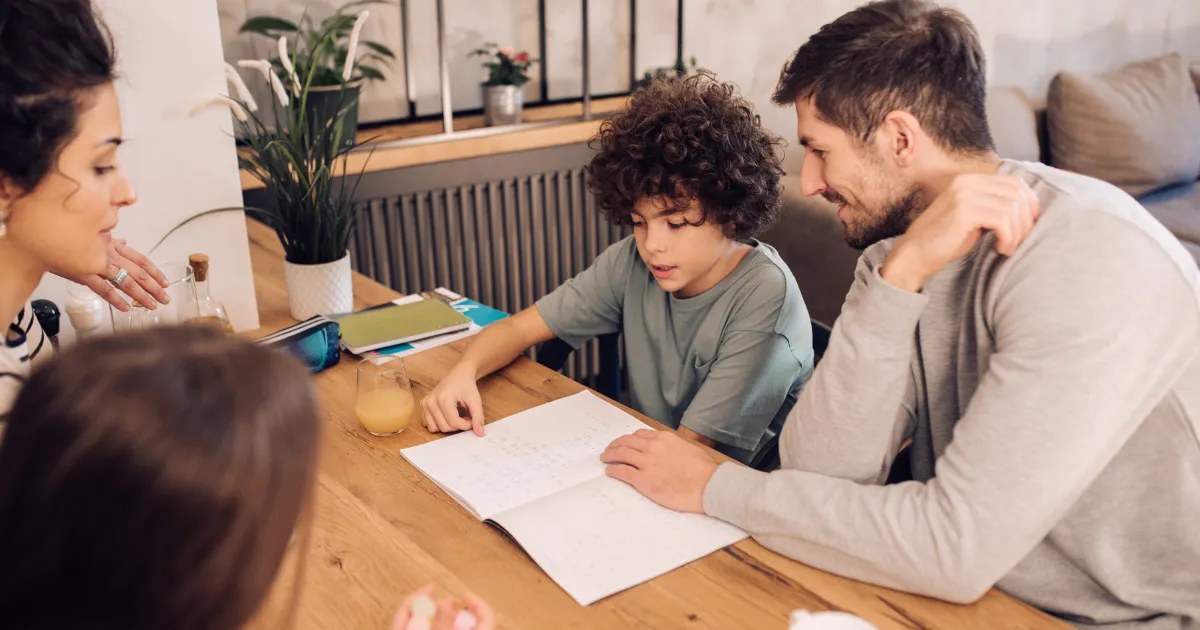
Exploring case studies is an effective way to learn about and gain a broader understanding of family arguments. By looking at examples in television programs featuring children who fight, or in books offering ways to resolve family conflicts, you can learn how others have handled similar problems. This may give you ideas and guidance for managing situations you encounter at home.
| Case Study | Conflict | Approach |
|---|---|---|
| Case Study 1 | Children fight frequently and begin using hurtful language or physically hurting one another. | Separate the children first so they can calm down. Then set clear rules against hitting, pushing, or swearing, along with consequences for breaking those rules. |
| Case Study 2 | Children fight over toys and refuse to share. | Encourage sharing and understanding other people's situations. |
| Case Study 3 | Children become so competitive while playing together that it leads to an argument. | Set clear rules for playing and taking turns, and praise your children when they play well together. |
Studying these examples helps you gain a broader understanding and learn from conflicts in other families. You may discover solutions you had not considered or see a problem from a different perspective. This can give you more ideas and guidance for handling arguments at home.
Conclusion
Arguments between children at home are a challenge many families face, but there are various straightforward ways to manage and resolve them.
Start by communicating with your children and making listening to their views a priority. Listen attentively and understand their emotions. Once you understand the conflict, establish shared rules and agreements that suit your family. Involve your children in setting these rules so they can learn about the possible consequences of their actions.
You can also plan creative activities for your children, such as games that require cooperation or activities focused on creativity, giving them opportunities to work together and learn from one another.
Love and warmth at home are important. You can create this environment by asking about your children's feelings, showing them love and attention, and always being there for them.
Sources:{NB}
https://kidshealth.org/en/parents/sibling-rivalry.html
https://www.degruyter.com/document/doi/10.1515/9780887554469-027/html?lang=en