







Recommended: What Causes Baby Hiccups, Are They Dangerous, and How Can You Relieve Them Like an Experienced Mum?
What Is Baby Formula?
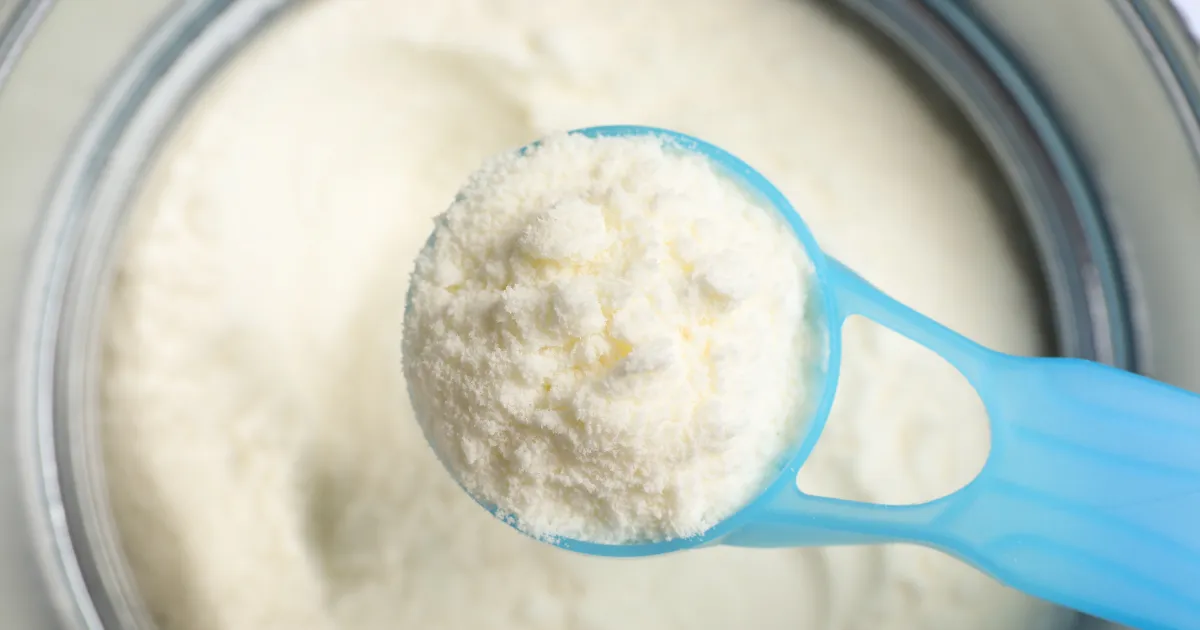
Baby formula is a milk-based nutritional product often used to feed babies or children who cannot yet fully consume solid foods or breast milk. Formula is generally formulated with breast milk as a reference and adjusted to suit the nutritional and health needs of babies and children at different ages. It can also be a nutritional product made with ingredients designed to meet a baby's or child's needs for energy, protein, carbohydrates, fat, vitamins, minerals, and other nutrients essential for growth and development.

How to Choose Baby Formula
Consider several factors to find a formula that suits your baby, in the following order:
Consult a doctor or nutrition specialist: See a doctor or nutrition specialist for advice tailored to your baby's needs, and update that advice as your child grows and their nutritional needs change.
Understand your baby's needs: Consider your baby's age, weight, health, and specific needs. At each stage of infancy, choose a formula suited to your baby's current needs.
Watch for food aversions and allergies: If your baby has any food aversions or allergies, choose a formula without ingredients that could cause health problems.
Check the formula's nutritional composition: Formulas contain components such as protein, fat, carbohydrates, vitamins, minerals, and other added nutrients. Choose a nutritionally complete formula that meets your baby's needs.
Choose a product that meets standards: Choose formula with a Thai FDA food registration number, packaging that is neither dented nor leaking, and an expiry date that has not passed. You do not need to choose the most expensive brand, as infant formulas must all meet the same nutritional standards. Consult a doctor if you want to change brands or formula types (HealthyChildren.org).
Read the label carefully: Read the nutritional label and information about other characteristics that may affect your baby.
Follow your doctor's advice: Your doctor's advice is important. If your baby has a specific health condition or nutritional problem, consult a doctor for guidance tailored to their needs.
Choose carefully and consult a doctor or nutrition specialist to ensure that the formula you choose remains suitable for your baby and meets their needs.
What Are the Different Stages of Baby Formula?
https://www.youtube.com/watch?v=R28gICaMB1kStage 1
Stage 1, or infant formula, is intended for newborns to 1 year of age (check the age range on each brand's label). It is suitable as a main food during a baby's first 6 months when the baby is not breastfed or breast milk is insufficient. Breast milk remains the best food for babies, and the World Health Organization recommends exclusive breastfeeding for the first 6 months (read more: Breast Milk vs Formula). This formula provides a complete range of nutrients for a baby's development and growth, including protein essential for growth and brain development, carbohydrates for energy, fats essential for brain and nervous system development, and vitamins and minerals important for overall health.
Choosing stage 1 formula can help babies receive the nutrients they need early in life. Read the product label and follow advice from a doctor or nutrition specialist so that you can feed your baby correctly and appropriately.
Related article: Newborn–12 Months Feeding Schedule: When Is the Best Time to Feed Your Baby?
Stage 2
Stage 2, or follow-on formula, is suitable for children aged 6 months and older (labels in Thailand often specify 6 months–3 years). This is a period of rapid physical growth, when energy needs increase and children begin eating age-appropriate complementary foods alongside milk.
Stage 2 provides energy and nutrients appropriate for this age, including protein essential for growth, fats essential for brain development, carbohydrates for energy, vitamins, minerals, and other important nutrients needed in everyday life.

Stage 3
This is suitable for children aged 1 year and older, as their digestive systems are more developed and they begin eating a wider variety of foods similar to adult meals. Stage 3 provides nutrients suited to young children who need more energy at this age. Alongside their main meals, children should also receive supplementary milk to obtain a complete range of nutrients that meets their growing bodies' needs.
However, if your child can already eat adult-style foods and receives a complete, balanced diet, formula can serve as a supplement to provide additional energy for activities and growth.
Formula 4: Specialist Formula for Children
Specialist formulas are suitable for children with specific needs, such as digestive problems or a cow's milk protein allergy. If your child has a health condition or is allergic to any food ingredient, consult a doctor or nutrition specialist before choosing a specialist formula to ensure it is suitable and safe for your child.
Related article: 5 Signs of Cow's Milk Allergy in Children: What Should Parents Do?
How to Store Formula
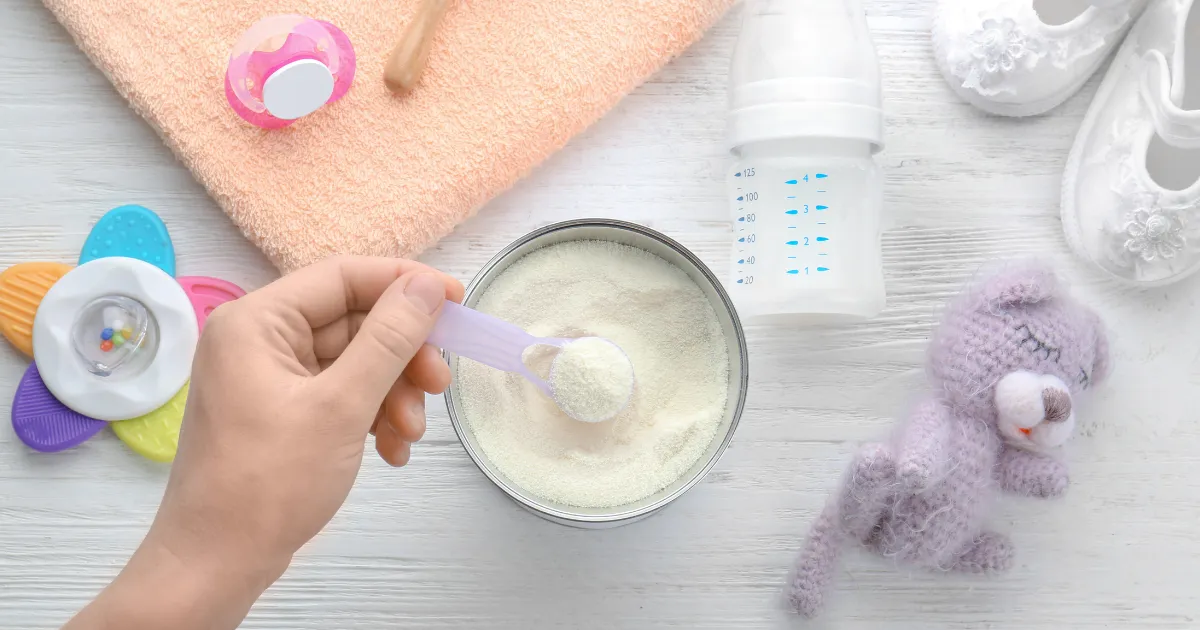
Proper storage is important for maintaining milk quality and ensuring that your child receives the right nutrients. Here is how to store it:
Keep everything clean: Wash your hands with soap and clean water before preparing formula every time, and use bottles and teats that have been washed and sterilised.
Store unmixed formula powder: Close the tin or bag tightly after every use. Store it in a cool, dry place away from sunlight; it does not need refrigeration. Use the scoop supplied in the pack, and finish the powder within the period specified on the label after opening.
Use formula promptly after preparing it: Formula prepared and left at room temperature should be used within 2 hours. Discard any milk left after your baby finishes feeding immediately; do not save it for the next feed.
If you need to prepare formula in advance: Cool it quickly, refrigerate it in the main refrigerator compartment (no warmer than 5°C), and use it within 24 hours. Once taken out and warmed, it must be used within 2 hours and must not be reheated. Do not warm it in a microwave, as uneven heating could scald your baby's mouth.
Follow the mixing proportions on the label: Use boiled water that is still hot (at least 70°C) as instructed, then cool the milk before feeding. Do not add more or less powder than specified, and do not add sugar, honey, or anything else to the milk (NHS).
Label with the date and time: Write the date the tin was opened and the date and time any formula was prepared in advance on the container, so that anyone caring for your baby knows when it needs to be used.
Following proper storage instructions carefully can help you feel confident about the milk's quality and ensure that your child receives the right nutrients. If you have further questions about storage, consult the doctor, nurse, or dietitian caring for your baby.
Summary
When buying formula, consider a type suited to your child's age and needs, such as stage 1 for newborns to 1 year, stage 2 for children aged 6 months and older, and stage 3 for children aged 1 year and older. Consider the nutritional quality and check the expiry date before use.
Keep unmixed formula powder tightly sealed in a cool, dry place. Use prepared formula within 2 hours at room temperature, and always discard any milk left after your baby has fed. If you need to prepare formula in advance, refrigerate it and use it within 24 hours, labelling it with the date and time. Good hygiene and proper storage help reduce your baby's risk of diarrhoea or infection from milk.