








As you prepare to become a first-time mom, you may have many questions: how to get ready, how to care for your baby in the early days while meeting their needs, and more.
Here, we share tips to help you prepare for first-time motherhood and understand how to handle the early days of caring for your baby.
Preparing Before Pregnancy
Before becoming pregnant, you need to prepare by caring for your physical health and adjusting your habits to support pregnancy. This preparation is very important.
Adapting Your Home
During pregnancy, you may need to adapt your home to suit your needs, such as making it comfortable and allowing enough room to move around. You may also need to rearrange the baby's room during pregnancy so that you have what you need to care for yourself and your baby in the future.
Adjusting Your Habits for Pregnancy
Pregnancy affects your body, so you need to adjust your habits accordingly. This includes choosing appropriate exercise and avoiding activities that could put you or your unborn baby at risk.

If you are looking for a baby-products store, hospital bag essentials, or newborn supplies, here is a quality store we recommend: ABC the Baby
Caring for Your Health During Pregnancy
Caring for your physical health during pregnancy is very important. Inadequate care can affect your pregnancy and your health. To feel confident about having a baby, prepare to care for your health from early pregnancy.
Alongside following your doctor's advice, you can care for yourself in the following ways.
| Recommendation | Details |
|---|---|
| Eating a Suitable Diet | Eat nutritious foods from all 5 food groups. Avoid foods that pose an infection risk, such as raw or undercooked foods and unpasteurized milk. Avoid alcohol, and take supplements such as folic acid and iron as prescribed by your doctor. (Read more: Taking Pregnancy Supplements) |
| Appropriate Exercise | Exercise at an appropriate intensity to support your physical health and reduce the risk of complications during pregnancy. Stop exercising immediately if you feel tired, short of breath, or exhausted. |
| Rest and Sleep | Allow yourself enough rest and sleep to meet your body's needs. This helps reduce stress and fatigue, which affect both your health and your unborn baby's health. |
| Health Checkups | Begin prenatal care as soon as you know you are pregnant and attend every scheduled appointment. Appointment frequency varies depending on how far along you are and your individual risks, with visits usually becoming more frequent in the final trimester. The World Health Organization recommends at least 8 prenatal appointments throughout pregnancy. |
You can always consult your doctor or another specialist if you have questions or unusual symptoms during pregnancy.
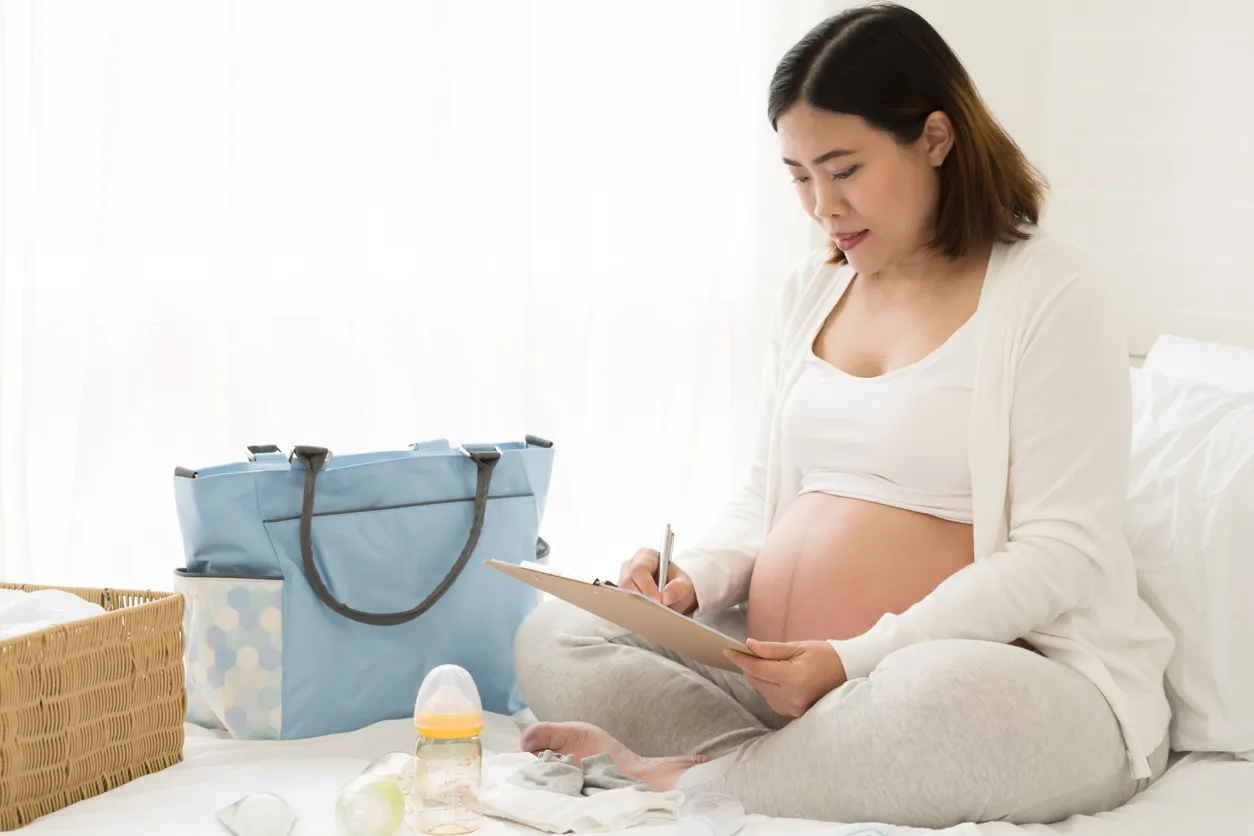
Preparing for Birth
Preparing for birth is important for helping you feel ready and supporting a smooth delivery.
Packing Your Hospital Bag
Pack your hospital bag in advance (see more items: 10 Essentials to Prepare for Birth) so that you have useful supplies during delivery. Your bag should include the following.
| Items to Pack | Quantity |
|---|---|
| Towels | 2-4 |
| Sanitary pads | 2 packs |
| Bandages | 2-3 |
| Diapers for your baby | 10-12 |
Preparing Your Home Before Birth
Check and adapt your home before birth to make it convenient to use and reduce the risk of accidents. Consider the following.
- Access to facilities for people with disabilities or older adults
- Non-slip surfaces and measures to prevent slipping
- Suitable facilities for caring for your baby and everyday use
- A clean bathroom with the necessary assistance equipment
Caring for Your Body After Birth
Whether you have a C-section or a vaginal birth, postpartum care is very important for helping your body recover fully. You therefore need to understand how to care for your body appropriately after birth.
In general, follow the steps below to care for your body after birth.
| Postpartum Care Steps | Advice |
|---|---|
| Clean Your Breasts | Use warm water and a clean cloth to clean your breasts regularly. |
| Care for Your Wounds | Check and care for vaginal wounds properly, and pay attention to any pain. If you notice unusual symptoms, see a doctor promptly. |
| Surgery | If you have had a C-section, follow your doctor's dietary advice. You can get up and walk gently, but avoid heavy lifting and strenuous activity until your doctor gives permission. (Read more: What Can Moms Eat After a C-Section?) |
| Arrange Help | You will need some help in the early days after birth. If you do not have someone to care for you, ask people around you, a caregiver, or a private nurse for assistance. |
If you notice unusual symptoms, see a doctor promptly for appropriate advice and treatment.

Caring for Your Baby in the Early Days
The early days after birth are a time to take particular care of your baby to support healthy growth and development.
1. Pumping Breast Milk
Pumping breast milk is very important when caring for your baby in the early days. Prepare a sufficient supply of milk to feed your baby.
2. Caring for Postpartum Wounds
After birth, you will have wounds that can cause pain and discomfort. Monitor them closely and keep them clean.
3. Caring for Mom
Caring for a mother who is looking after her baby is important because it supports both her physical and emotional recovery.
4. Handling Problems That May Arise
Caring for your baby in the early days can be challenging. You may encounter difficulties with your baby's sleep or milk production, so prepare carefully to handle potential problems appropriately.
Parenting in the Long Term
After learning how to prepare for first-time motherhood and manage the early days of caring for your baby, it is also important to focus on long-term parenting to support your child's healthy growth and development.
Here are a few long-term parenting tips to keep in mind.
Choosing How to Feed Your Baby
Choosing a feeding approach that suits both you and your baby is essential. Whether you breastfeed or formula-feed, you need to understand the care involved in each approach to ensure your baby receives appropriate nutrition and grows well.
When choosing a suitable feeding approach, consider convenience, the cost of milk and baby-care equipment, your health and your baby's health, and your parenting views and knowledge.
Choosing Appropriate Food
Providing suitable food is an essential part of caring for your child because it supports healthy growth and good health.
In early life, give your baby breast milk, as it is a suitable and safe food for them. If you cannot breastfeed or do not have enough breast milk, you can use infant formula following your doctor's advice, preparing it hygienically according to the label. (Read more: How to Choose Infant Formula)
When your baby is around 6 months old, begin offering age-appropriate foods alongside milk, including foods containing iron, vitamins, and other nutrients. Do not add salt, sugar, or honey. (Do not give honey before 1 year of age.)
Building a Good Relationship with Your Child
Building a good relationship with your child is especially important for long-term parenting because a strong connection supports your child's development and well-being.
To build a strong connection with your child, start by sharing enjoyable stories, such as fairy tales, or favorite songs to help develop speaking and listening skills. You can also strengthen your bond by showing affection, supporting learning, sharing happy moments, and passing on wisdom.
https://www.youtube.com/watch?v=a9yHB7_Z66kCaring for Your Health After Birth
After birth, caring for your health is very important for restoring your physical strength and function. Make appropriate health care a priority.
Managing Your Weight
After birth, you will begin learning about managing your weight, as being either overweight or underweight can affect your health. Consult your doctor or maternity support team to address any concerns promptly.
Managing Postpartum Health Conditions
After birth, you may experience changes such as abdominal pain, fatigue, or other problems. Consult your doctor for advice on caring for your health during this time.
Using Sanitary Pads and Cleaning Your Breasts
Postpartum discharge can continue for several weeks after birth. Use sanitary pads rather than tampons, change them frequently, and wash your hands before and after every change. Clean your breasts with clean water when bathing to help reduce the risk of infection. (NHS)
Caring for Postpartum Wounds
After birth, you will have open wounds in various areas, so take good care of them. Clean wounds as advised by your doctor or nurse, and change sanitary pads regularly. If you have a fever, foul-smelling postpartum discharge, unusually heavy bleeding, a wound that is swollen, red, or producing pus, or worsening pain, see a doctor promptly.
FAQs
How Should I Prepare to Be a Good Mom?Start by learning about pregnancy and baby care, including your health and how to look after yourself during this time. You will need patience and the ability to adapt as circumstances change.
How Should I Prepare Before Pregnancy?Start with a pre-pregnancy health checkup, take folic acid as advised by your doctor, clean your home, and prepare a space for your baby. Learn about suitable foods and appropriate ways to exercise.
How Should I Care for My Body After Birth?Clean your breasts regularly, care for your wounds, and keep your surroundings clean to support your body's full recovery. If you experience any problems, consult your doctor immediately.