






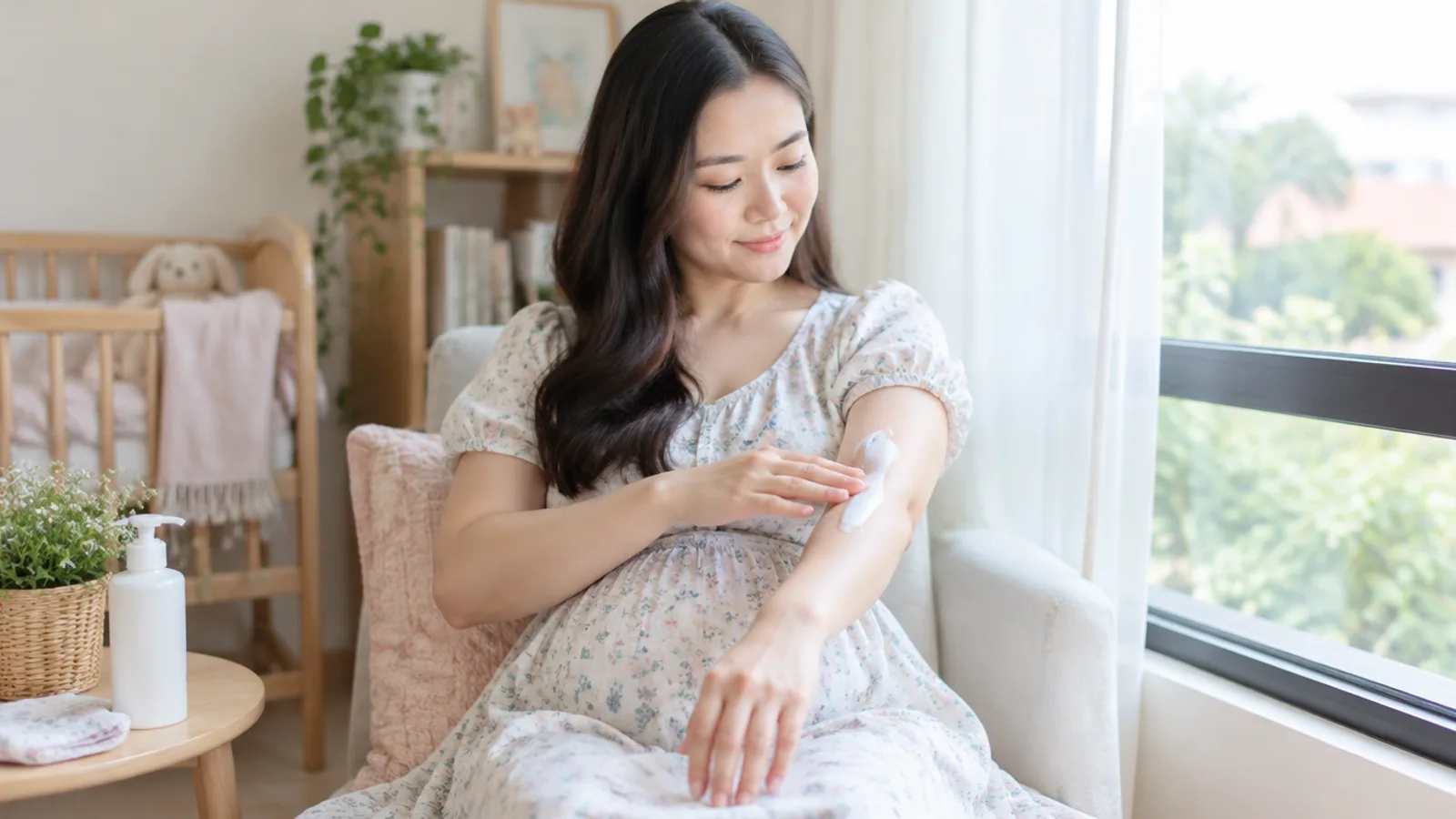
Rashes are common during pregnancy and often develop because of hormonal changes in the body. For pregnant women with rashes, appropriate treatment and skin care are important for reducing the severity of symptoms.
This article explains how to treat mild pregnancy rashes and itchy skin, bringing together precautions and treatment options for expectant mothers.
Recommended: Trouble Sleeping During Pregnancy: What Can You Eat to Sleep Better?
What is a pregnancy rash?
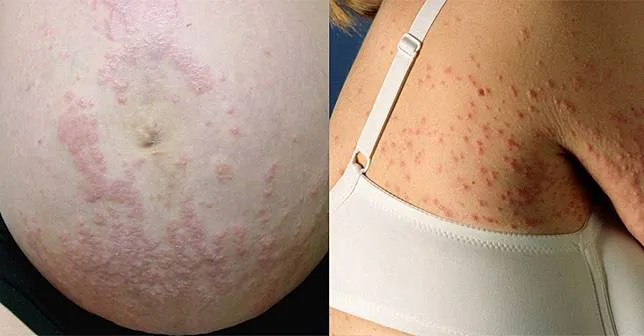
A pregnancy rash is not a single condition. The term covers several types of rashes and itching that can occur during pregnancy. Each type can appear at a different stage and vary in severity. Most do not harm the baby, but some require medical assessment, according to ACOG.
Common types of rashes and itching during pregnancy
- Dry, itchy skin caused by stretching: This is the most common type, particularly on the abdomen and breasts as pregnancy progresses.
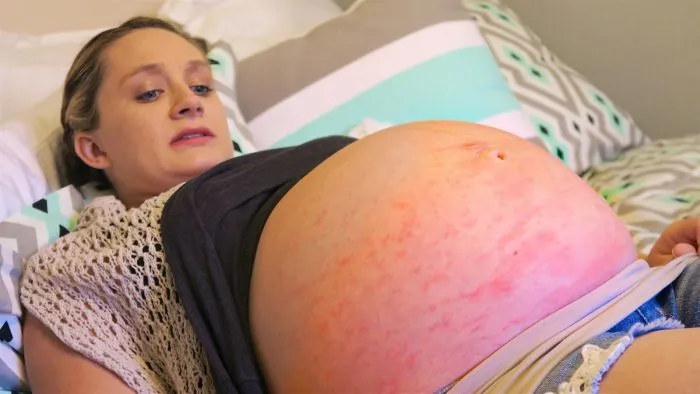
- PUPPP (or PEP): An itchy rash with raised red bumps that usually begins in stretch marks on the abdomen during the third trimester, then spreads to the thighs or arms. It usually clears after birth and does not harm the baby.
- Atopic eruption of pregnancy: A red, dry, itchy rash resembling eczema that may begin in the first or second trimester.
- Intrahepatic cholestasis of pregnancy (ICP): Intense itching, especially on the palms and soles, that is often worse at night. There is usually no obvious rash, and it most often occurs later in pregnancy. This condition requires blood tests and close monitoring.
- Pemphigoid gestationis: A rare condition that begins with red bumps around the belly button, which then develop into blisters. Medical attention is necessary.
Symptoms that need prompt medical attention
- Intense itching on the palms or soles, or itching all over without a rash, which may be a sign of intrahepatic cholestasis of pregnancy (NHS).
- Blisters, a rapidly spreading rash, or a rash accompanied by fever.
- Dark urine, pale stools, or yellowing of the skin or whites of the eyes.
- Your baby moving less or a change in their usual movements.
If you have any of these symptoms, contact your doctor or maternity hospital immediately. Do not wait until your next appointment.
Diagnosis
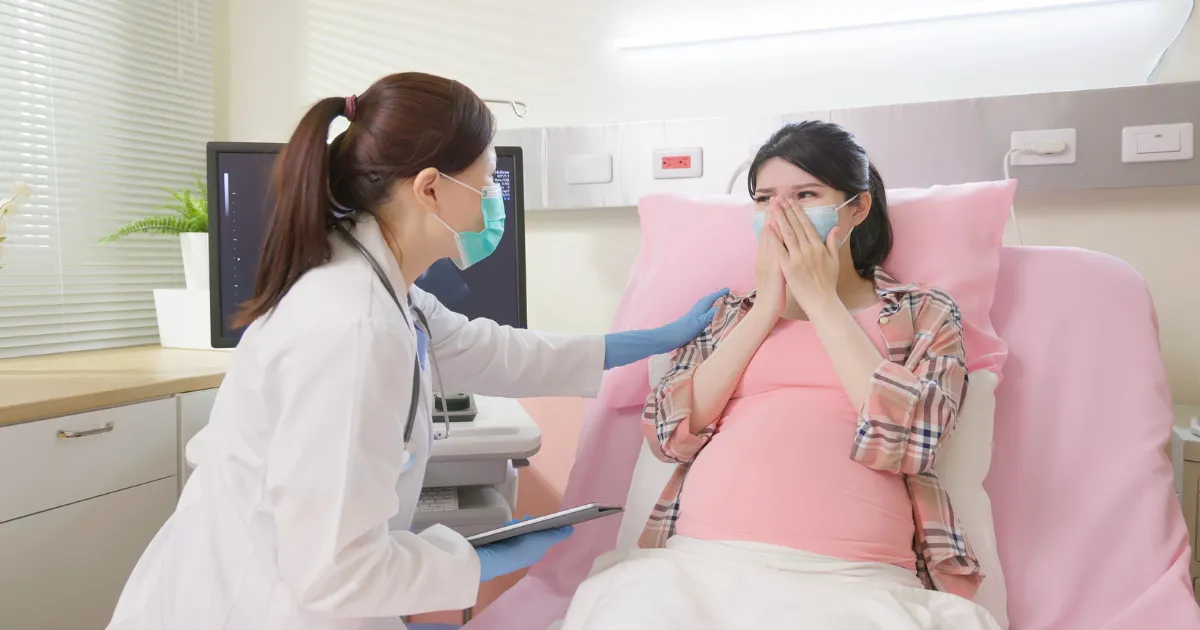
Your doctor will identify the type of rash based on its appearance, location, and the stage of pregnancy when it began. They will also ask about your medical history, including allergies, rashes in previous pregnancies, and medicines you currently use.
- Physical examination: Your doctor will examine the appearance and distribution of the rash on your skin.
- Blood tests: If cholestasis is suspected, your doctor will check your liver function and blood bile acid levels.
- Further tests: If the rash is difficult to identify or involves blisters, a dermatologist may take a small skin sample for testing.
An accurate diagnosis is very important because each type of rash needs different care, and some also require monitoring of your baby's health.
Treatment and self-care
For a mild rash or itching, the following self-care measures can help relieve symptoms.
- Bathe in lukewarm or cool water rather than hot water, and choose a gentle, fragrance-free soap or cleanser.
- Apply fragrance-free moisturizer after bathing while your skin is still damp to reduce dryness and itching.
- Wear loose, breathable cotton clothing and stay somewhere that is not hot or stuffy.
- Apply a cool compress to itchy areas and try not to scratch. Keep your nails short to reduce skin injuries from scratching.
For medication, your doctor may consider a mild topical steroid or certain antihistamines that are safe during pregnancy. Cholestasis requires treatment and monitoring by a doctor. Do not buy oral or topical medicines to use on your own during pregnancy.
| Product | How to use | Precautions |
|---|---|---|
| Fragrance-free moisturizer | Apply a thin layer after bathing, 1–2 times a day. | Test before use. Stop using it if it stings or makes the rash worse. |
| Topical medicines or antihistamines | Use only as prescribed by your doctor. | Read the label and always tell your doctor and pharmacist that you are pregnant. |
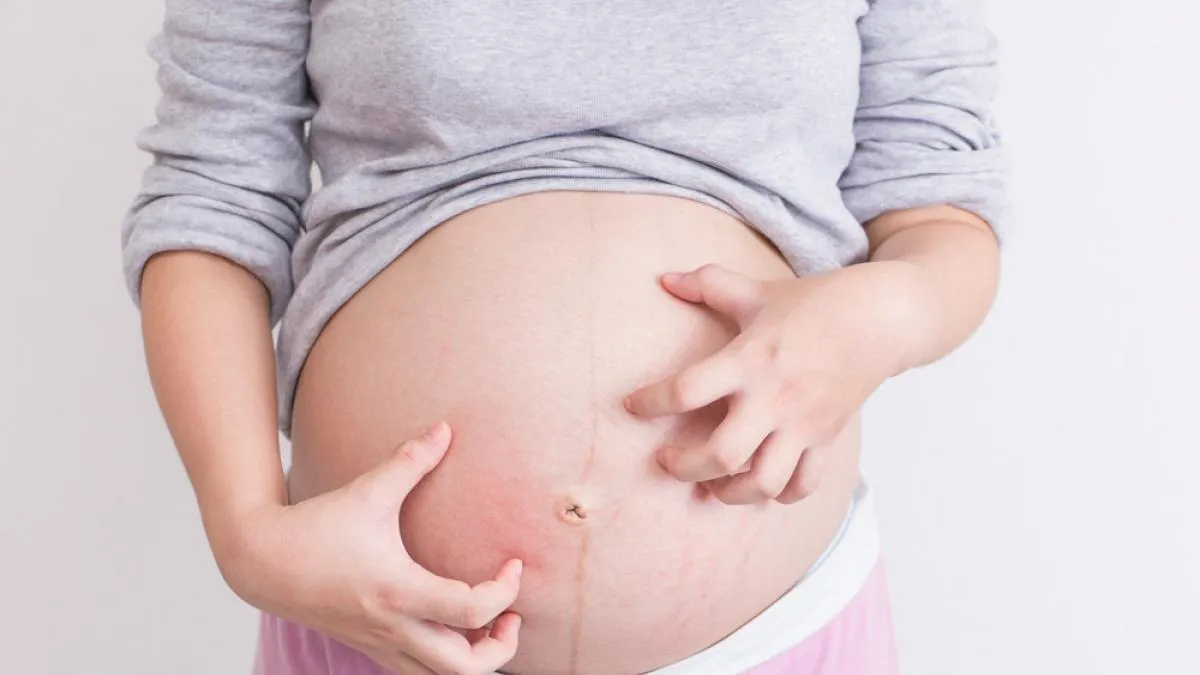
How to care for a pregnancy rash associated with hormonal changes
The informal term "hormonal allergy rash" often refers to itchy rashes that develop during pregnancy, such as PUPPP or atopic eruption of pregnancy. These rashes often improve on their own after birth. The main approach is to relieve itching using the methods above and have a doctor assess which type of rash you have.
Can natural products help?
Fragrance-free plant-based oils or moisturizers may help hydrate the skin and reduce dryness and itching. However, there is no evidence that they directly treat pregnancy rashes. Test them on a small patch of skin first, and avoid essential oils or herbal products with unclear ingredients.
Food and hydration
There is no need to avoid milk, seafood, or any particular food group unless you already know you are allergic to it. Unnecessary food restrictions may lead to a lack of nutrients important for your baby. Eat a balanced diet covering all five food groups and drink enough water to help prevent dry skin.
Ways to prevent and reduce itching
- Apply moisturizer regularly, especially to the abdomen, breasts, and thighs, where the skin stretches.
- Avoid hot baths or showers and prolonged soaking.
- Use a gentle laundry detergent and rinse clothing thoroughly to remove all suds.
- Keep your weight gain within the range recommended by your doctor, which may help reduce skin stretching.
- Get enough rest, as itching often worsens when you are tired. If itching keeps you awake, read how to cope with insomnia during pregnancy and tell your doctor.
Some rashes, such as PUPPP, often begin in stretch marks. Keeping the skin moisturized can help it feel more comfortable. See examples of body creams for pregnancy and learn how to care for stretch marks after birth.
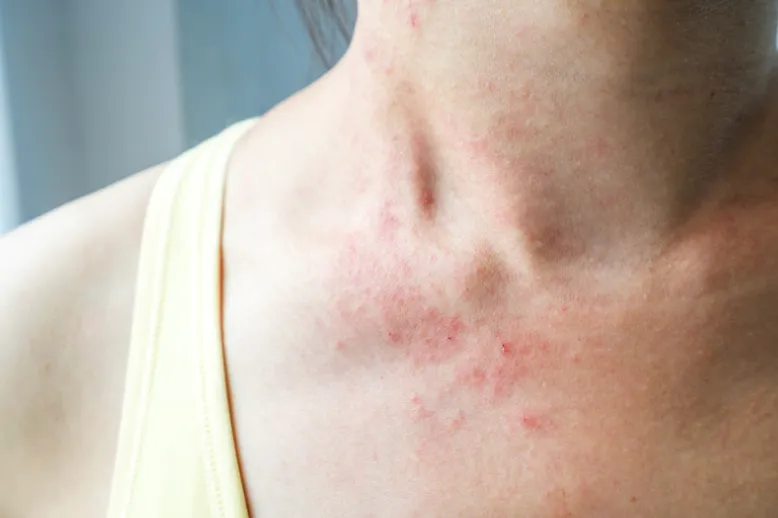
How pregnancy rashes affect mothers and their babies
Most pregnancy rashes, such as dry, itchy skin and PUPPP, do not harm the baby. However, they can cause discomfort and disrupt your sleep. Scratching may cause wounds and infection.
Some conditions require close medical care, however. Intrahepatic cholestasis of pregnancy increases the risk of premature birth and complications for the baby, so your doctor may arrange more frequent blood tests and pregnancy monitoring. The rare condition pemphigoid gestationis also requires medical care. (Read more: Pregnancy complications expectant mothers should know about)
Precautions for medicines and herbal remedies
- Do not take antihistamines, herbal medicines, or supplements to treat a rash without consulting your doctor.
- Always tell your doctor and pharmacist that you are pregnant before receiving any medicine.
- If a product makes your rash worse, stop using it and bring it with you when consulting your doctor.
Skin care ingredients to avoid
- Retinoids, such as tretinoin and retinol in anti-aging or acne creams, should not be used during pregnancy because they may harm the baby.
- Hydroquinone in melasma creams and high-strength exfoliating acids should only be used after consulting your doctor.
- Fragrances and essential oils may further irritate skin affected by a rash.
Trying a small amount on the inner forearm may reveal irritation, but a home patch test cannot guarantee that a product is safe or rule out an allergy. Stop using it if symptoms develop and seek advice if needed.
Summary
Pregnancy rashes come in several forms and can appear at different stages of pregnancy. Most do not harm the baby and improve after birth. Basic care includes bathing in water that is not hot, applying fragrance-free moisturizer, wearing loose, comfortable clothing, and avoiding self-medication. However, contact your doctor immediately if you have intense itching on your palms or soles, itching all over without a rash, blisters, or reduced fetal movement, as these may indicate a condition requiring blood tests and close monitoring.