







Recommended: What Is a Rounded Head Shape? 2 Sleeping Positions for a Beautifully Rounded Baby Head
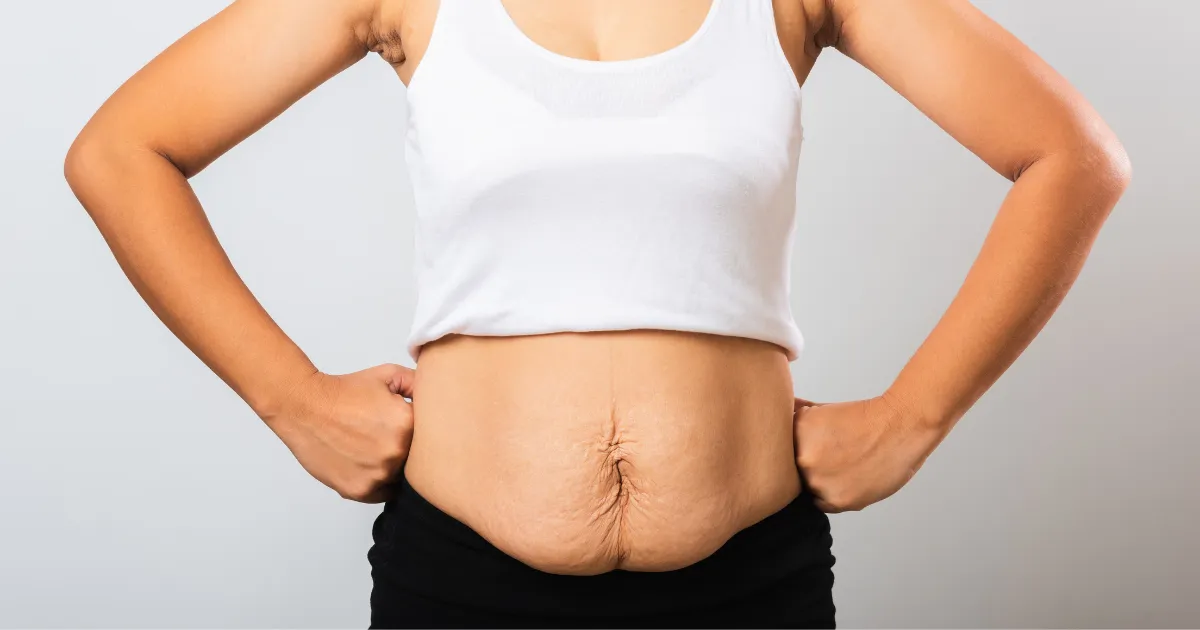
Causes and Symptoms of Postpartum Stretch Marks
Stretch marks are lines on the skin that develop when it stretches rapidly, causing collagen and elastin fibers beneath the skin to tear. During pregnancy, the abdomen expands quickly and hormone levels change, making stretch marks very common. The NHS states that many pregnant women develop stretch marks, usually on the abdomen, thighs, hips and breasts.
Factors that increase the likelihood of stretch marks include:
- Family members with stretch marks (genetics)
- Rapid or substantial weight gain during pregnancy
- A large baby (for example, weighing more than 4 kilograms) or a multiple pregnancy
- Having had stretch marks before
Common features of stretch marks include:
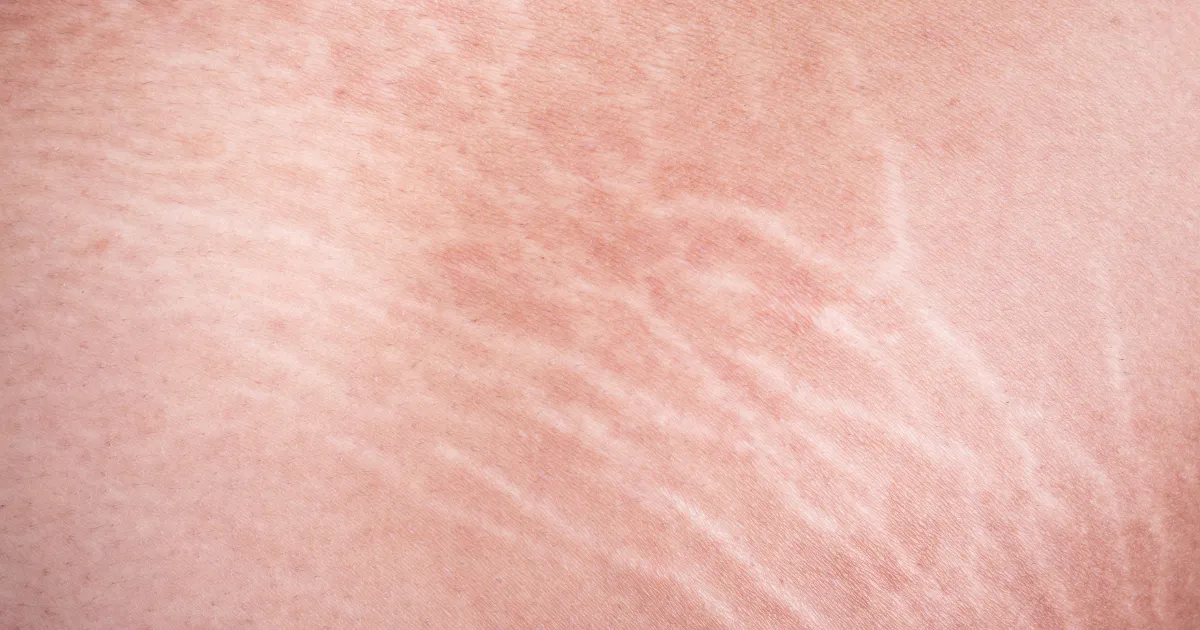
- New marks: Pink, red, purple or dark brown lines, depending on skin tone, which may be slightly raised and itchy
- Older marks: Over time, the marks gradually fade into silvery-white lines or lines lighter than the surrounding skin, and become flatter
Stretch marks are not harmful to your health. However, if the skin on your abdomen is painful, swollen, red or hot, or your C-section wound has pus, see a doctor, as these are not symptoms of stretch marks.
How to Treat Postpartum Stretch Marks
Can Stretch Marks Fade on Their Own?
Stretch marks often fade considerably on their own over several months to around 1 year after childbirth, changing from red or purple to lighter lines. However, most do not disappear without leaving any trace. Skin care can help keep the skin moisturized and make the marks look less noticeable, but no cream has been proven to remove all stretch marks.
Self-Care at Home
- Regularly apply a gentle moisturizing lotion, cream or oil to reduce dryness and itching.
- Avoid scratching, as this can cause skin inflammation.
- Drink enough water, eat a balanced diet and manage your weight gradually after childbirth. Avoid crash dieting.
- Protect your skin from the sun, as new marks may darken with sun exposure.
Medical Treatments
If you would like the marks to fade further, a dermatologist may consider options such as topical retinoids (for example, tretinoin), lasers or microneedling. Results vary from person to person, and these treatments often work better on newer marks than older ones.
Precautions: Do not use topical retinoids during pregnancy, and consult a doctor before using them while breastfeeding. Laser treatments and other procedures should only be performed by a dermatologist at a medical facility that meets appropriate standards.

Abdominal Recovery After Childbirth
After childbirth, abdominal recovery is important for helping your abdomen become smoother and stronger sooner. Postpartum recovery takes time and patience, so suitable, practical approaches are essential. Here are the steps for supporting abdominal recovery after childbirth.
Step One: Gentle Exercise
After giving birth, start with gentle exercise, such as walking, to stimulate blood circulation and support abdominal recovery. Remember to wear comfortable, supportive clothing when exercising.
Step Two: Managing Your Diet
Managing your diet is important for abdominal recovery after childbirth. Eat nutritious foods to support your abdomen and overall health, such as fresh vegetables and fruit, high-fiber foods and adequate protein. Remember to drink enough water, especially while breastfeeding.
Step Three: Getting Back in Shape
It takes several months for your body and abdomen to become firmer after childbirth. Manage your weight gradually with nutritious food and exercise suited to your body. After your postnatal checkup and once your doctor has given permission, you can begin postpartum exercises to help restore your abdominal muscles. Mothers who have had a C-section should care for their surgical wound according to their doctor's instructions, which is separate from caring for stretch marks.
| Ways to Support Abdominal Recovery After Childbirth | Recommendations |
|---|---|
| Gentle exercise | Start with gentle exercise, such as walking |
| Managing your diet | Eat nutritious foods |
| Getting back in shape | Manage your weight gradually and exercise as permitted by your doctor |
Remember that abdominal recovery after childbirth takes time and patience. Pay attention to your body's needs and give yourself time. If you have questions or need guidance on abdominal recovery after childbirth, consult a doctor or a specialist in abdominal health and gynecology.
Recommended: 5 Low-Calorie, Nutritionally Balanced Meals for Weight Management During Pregnancy 2023

Choosing Products for Postpartum Stretch Marks
After childbirth, stretch marks are a concern for many women who want their abdomen to return to its previous shape. Using suitable products to support this process is therefore important. Here is what to consider when choosing products for postpartum stretch marks.
- Quality design and manufacturing: For good, safe results, choose products that have been carefully designed and manufactured, are certified and can be trusted.
- Safe, skin-friendly ingredients: Consider the ingredients in your chosen product. Check that they are safe and will not irritate sensitive skin.
- Ease of use: Choose products that are easy to use. As well as being effective for treatment, they should be convenient to use every day.
Choosing products for postpartum stretch marks is very important because they help support the recovery process. Choose suitable, high-quality products for the best results.
Remember that using products for postpartum stretch marks is one part of the treatment process. Use them and maintain your skin care consistently for the best possible results.
Skin care products such as creams or oils containing vitamin E, shea butter or cocoa butter can moisturize the skin and reduce itching, but they do not remove all stretch marks. If you are breastfeeding, avoid applying them to your nipples and areolas, and choose formulas without strong fragrances. See examples in body creams suitable for use during pregnancy.

Consulting a Specialist or Recommended Doctor
After childbirth, getting advice and guidance from a specialist in postpartum stretch marks is important. This can help you feel confident and reassured about caring for yourself and safely choosing an approach suited to your skin.
A postpartum stretch mark specialist has knowledge and experience in caring for and treating stretch marks to help restore the skin's appearance. You can consult a doctor specializing in postpartum stretch marks or a postpartum physical recovery specialist for advice and treatment appropriate to the condition of your stretch marks.
Consulting a postpartum stretch mark specialist does more than help treat stretch marks so they fade away. It also helps you take an active role in your care and feel reassured, while allowing a specialist to identify situations that need further treatment.
Remember that consulting a postpartum stretch mark specialist is an important step in caring for and treating postpartum stretch marks, so you can understand the advice correctly and follow it properly.
Conclusion
Postpartum stretch marks are common and harmless. They gradually fade on their own over time but usually do not disappear completely. Applying moisturizer regularly, eating nutritious foods and managing weight gradually can improve the skin's appearance. If you would like the marks to fade further, consult a dermatologist about topical treatments or lasers, and always tell your doctor if you are breastfeeding. Learn more about postpartum conditions mothers should know about.