








During pregnancy, choosing suitable fruit is important for naturally supporting your health and your baby's balanced, safe development.
If you are becoming a mother for the first time, here is an article you may find helpful: Preparing for Motherhood: What Should First-Time Moms Know, and How Can You Cope?
Here, we will introduce fruit options for expectant mothers, including how to choose suitable fruits and which ones to avoid during this time.
Suitable Fruits to Support a Healthy Pregnancy
Eating fruit is an important part of managing your diet during pregnancy for your health and your baby's health, but choosing suitable fruit matters. Getting the right nutrients during pregnancy helps support the health of both mother and baby.
Suitable Fruits for Expectant Mothers
| Fruit | Key nutrients | Key benefits |
|---|---|---|
| Banana | Carbohydrates, potassium, vitamin B6 and fiber | Provides energy, contains fiber to support bowel movements, and is easy to eat when you have morning sickness. |
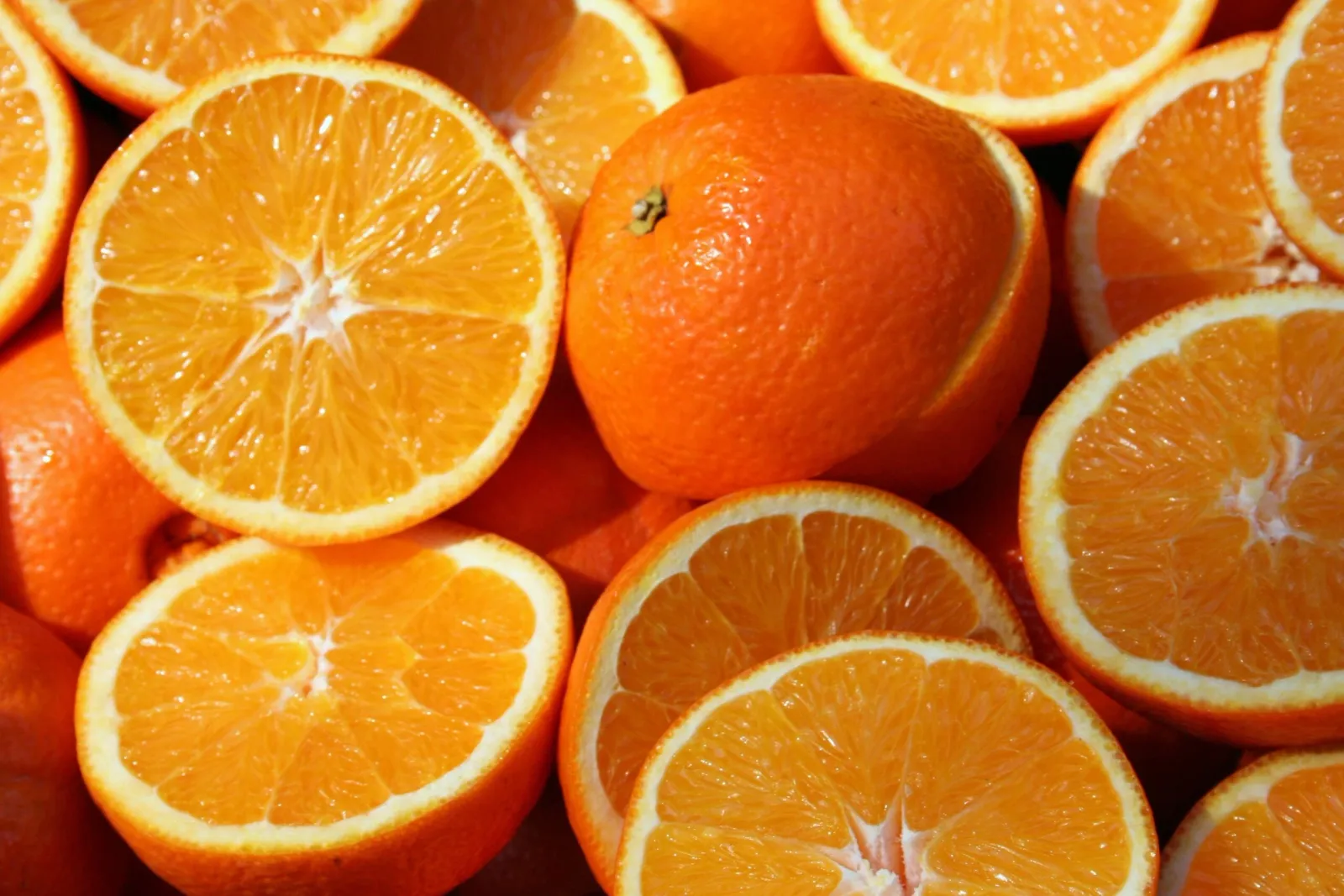
| Orange | Vitamin C, folate (folic acid) and fiber | Vitamin C helps your body absorb iron from food more effectively and contributes to a balanced diet. |
| Apple | Fiber, vitamin C and water | Helps you feel full for longer, supports bowel movements, and makes a better snack than sweets. |
| Guava | High in vitamin C, with fiber | Helps iron absorption, keeps you feeling full, and is not especially high in sugar. |
Public health organizations such as the NHS recommend eating a variety of vegetables and fruits every day during pregnancy (around 5 portions a day), including fresh, frozen or dried fruit. There is no need for any single special fruit: variety and suitable portions matter more. Take vitamin and folic acid supplements as prescribed by your doctor.
Fruits to Avoid During Pregnancy
You can eat almost every type of fruit during pregnancy, but some situations call for caution or smaller portions, as follows. (Read more: Fruit During Pregnancy: Which Can You Eat and Which Should You Avoid?)
| Fruit / form | Reason for caution |
|---|---|
| Unwashed fruit or cut fruit left out for a long time | May be contaminated with soil, germs or parasites. Always wash thoroughly before eating. |
| Freshly squeezed, unpasteurized fruit juice | May contain harmful germs. Choose pasteurized juice or eat whole fruit instead. |
| Very sweet fruits such as durian, longan, jackfruit and ripe mango | High in sugar. You can eat them, but limit portions, especially if you are gaining weight quickly or have high blood sugar. |
| Unripe or partially ripe papaya | Contains papaya latex. Many sources recommend avoiding it during pregnancy, while ripe papaya can be eaten as usual. |
| Very sour fruits such as limes and sour oranges | These are not dangerous, but they may cause heartburn if you have acid reflux. Eat them in moderation. |
| Pickled fruit, candied fruit or fruit canned in syrup | High in sugar or salt. Eat only occasionally. |
Whatever fruit you choose, eat suitable portions. If you feel unwell or notice unusual symptoms after eating fruit, consult your doctor for advice.
Fruit for Pregnant Women with High Blood Sugar
If you have high blood sugar during pregnancy, you may need to manage your intake of vegetables, fruit and other nutritious foods to help lower your blood sugar. Here are several fruits suitable for expectant mothers with high blood sugar.
- Fruits that are not especially high in sugar and can be eaten more often: Strawberries, guavas, apples, oranges, wax apples and dragon fruit
- High-sugar fruits to eat in limited portions: Durian, longan, jackfruit, ripe mango, mangosteen, grapes and overripe bananas
The key is to eat fresh, whole fruit instead of drinking fruit juice, spread small portions across meals instead of eating a lot at once, and pair fruit with foods containing protein or fiber. If you have gestational diabetes, always consult your doctor or dietitian first about the right amount of fruit for you. (Read more: 7 Pregnancy Complications Expectant Mothers Should Know About)

Choosing Fruit During Pregnancy
A simple approach to choosing fruit during pregnancy is to aim for variety and a range of colors, because different fruits contain different vitamins, minerals and fiber. Seasonal Thai fruits are easy to find, affordable and fresh, including guavas, oranges, ripe papaya, dragon fruit, wax apples and Nam Wa bananas.
- Choose fresh fruit without bruises, cracks or rot.
- Eat whole fruit instead of drinking fruit juice to get fiber and avoid consuming too much sugar.
- Frozen fruit or dried fruit without added sugar is also suitable, but keep dried fruit portions small.
- Always wash fruit under clean running water before peeling or cutting.
Fruits to Help Manage Weight During Pregnancy
Managing your weight during pregnancy is important for reducing the risk of complications and potential health problems. Choosing suitable fruit helps you manage your weight and supports your baby's development.
Fruits That Help with Weight Management During Pregnancy
Do not restrict food to lose weight during pregnancy. Instead, aim to gain weight within the range recommended by your doctor. Fruits high in fiber and water help you feel full for longer and can replace sweet treats.
| Fruit | Benefits |
|---|---|
| Apple | Fiber helps you feel full for longer. |
| Orange | Contains water and fiber, and makes a good snack in place of sweets. |
| Kiwi | Contains fiber and vitamin C, and supports bowel movements. |
| Guava | High in fiber and not especially high in sugar. |
Very sweet fruits such as durian, jackfruit, longan and mangosteen can be eaten, but limit portions because they are high in calories and sugar. For more meal ideas, see 5 Meals for Managing Weight During Pregnancy.
Fruits to Support Your Skin During Pregnancy
Your skin changes throughout pregnancy, and maintaining a healthy immune system is also important. To help nourish your skin during this time, benefit from the nutrients in fruit, including the following vitamins and minerals.
| Fruit | Essential nutrients | Skin benefits |
|---|---|---|
| Orange | Vitamin C, calcium | Helps build collagen and reduce the appearance of wrinkles. |
| Mango | Vitamins A, C and E, calcium, potassium | Helps strengthen the skin's immune defenses. |
Note: Choose fresh fruit at the appropriate stage of ripeness to benefit from its nutrients. Read more: 5 Foods to Nourish Your Skin During Pregnancy

Fruits That May Trigger Allergic Reactions
Most people are not allergic to fruit, but some may react to certain fruits, such as kiwis, pineapples or mangoes. Symptoms may include an itchy mouth, swollen lips, a rash or stomach pain. Fruit allergies vary from person to person; no particular fruit needs to be avoided by every pregnant woman.
- If you have previously had an allergic reaction to a fruit, continue avoiding it during pregnancy.
- If you develop symptoms after eating, such as swelling of the mouth or throat or difficulty breathing, go to a hospital immediately or call 1669.
If you have a history of allergies, consult your doctor or pharmacist before trying a new fruit.
Fruit Hygiene During Pregnancy
The real risk from fruit during pregnancy often comes from hygiene rather than the type of fruit. Soil or contaminants on the skin may contain germs or parasites, which is why the NHS recommends washing vegetables and fruit thoroughly before eating.
- Wash fruit under clean running water, even if you will peel it.
- Cut away bruised or rotten areas, and refrigerate cut fruit.
- Wash your hands, knives and cutting boards before and after preparing fruit.
- Choose pasteurized fruit juice.
Preparing Fruit Dishes During Pregnancy
Eating fruit is an important part of looking after your health and your baby's health. Fruit can be prepared in many ways and used as an ingredient in a variety of dishes.
Choosing Fruit
Choose fresh fruit without cracks or rot. Seasonal fruit is often the freshest and tastes the best.
Preparing Fruit
Most fruits can be eaten fresh after washing and peeling, or used in fruit salads, yogurt with fruit, smoothies without added sugar, or morning oatmeal. Avoid adding syrup or sweetened condensed milk, or dipping fruit in chili-salt mixtures high in sugar and salt.
FAQs
Which fruits should I be careful with during pregnancy?
Most fruits are suitable, but limit very sweet fruits such as durian, longan, jackfruit and ripe mango. Avoid unripe papaya, unpasteurized fruit juice and unwashed fruit.
How can I prepare fruit safely during pregnancy?
Choose fresh, unbruised fruit and wash it under clean running water before peeling or cutting. Eat it as fresh whole fruit or in a fruit salad, and refrigerate cut portions.
Can pregnant women with high blood sugar eat fruit?
Yes. Choose fruits that are not especially high in sugar, such as guavas, oranges, apples or strawberries. Eat small portions, and consult your doctor or dietitian about suitable amounts.