







This article explains tongue-tie in babies: what it is, whether it is dangerous, its causes, whether it can be prevented and how screening works, helping parents understand a condition their baby may have.
Recommended: Why Does My Baby Spit Up Often, and How Can I Manage It?
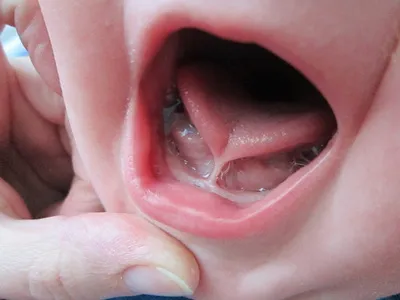
What Is Tongue-Tie in Babies?
Tongue-tie, medically called ankyloglossia, occurs when the band of tissue beneath the tongue connecting it to the floor of the mouth is shorter or tighter than usual. It can be present from birth and cause difficulties with tongue movement and feeding. It affects around 4–11% of newborns, with effects that vary between individuals. A simple, safe surgical procedure may relieve symptoms, but consult a doctor for assessment and further advice tailored to the individual case.
Is It Dangerous?
It is not life-threatening, but may make sucking uncomfortable and affect breastfeeding or eating. Management depends on the severity and the baby's individual needs.
If tongue-tie is severe or affects sucking or eating, a doctor may recommend treatment such as surgery to divide the restrictive tissue. However, this is not necessary in every case, and babies without significant symptoms may not need special treatment.
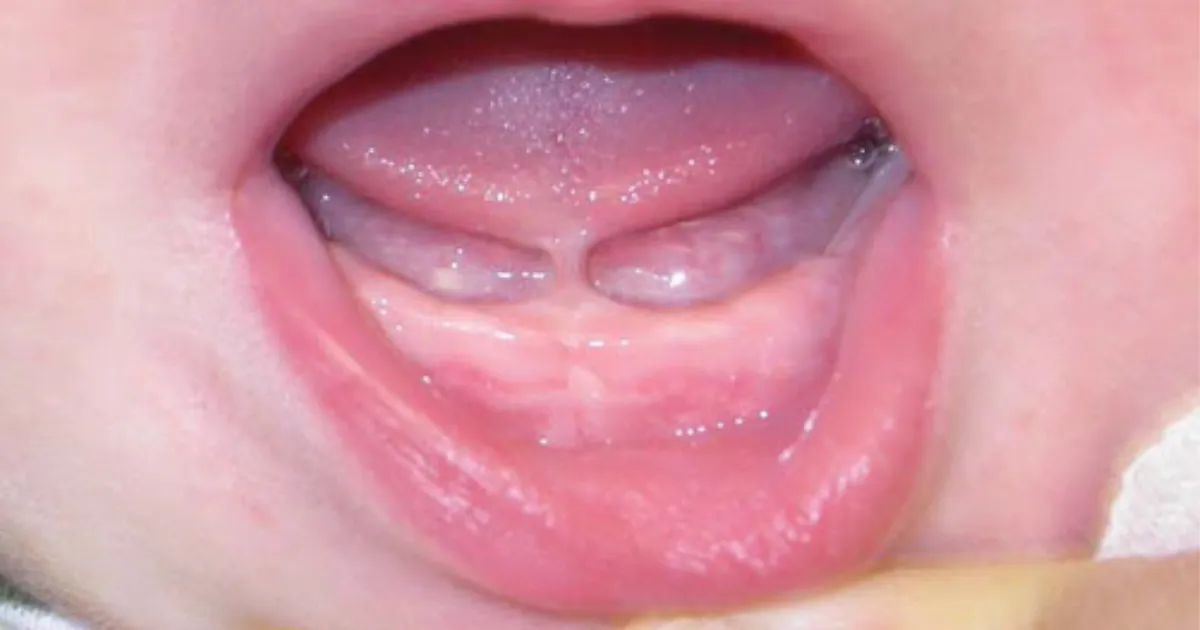
Symptoms
Many babies with tongue-tie have no symptoms. Others may show the following (source: NHS):
Tongue appearance: The tissue under the tongue looks short or tight, the tongue cannot lift or extend fully, and its tip may look heart-shaped when extended.
Breast or bottle latch: The baby struggles to latch onto the nipple or bottle teat, slips off often, makes clicking sounds, coughs or chokes during feeding, or drools excessively while feeding.
Feeding: Feeds take a long time but provide little milk, and the baby becomes hungry very often.
Weight: Slow weight gain or weight loss.
Maternal symptoms: Breastfeeding mothers may have sore or cracked nipples or painful, engorged breasts, increasing the risk of stopping breastfeeding earlier than intended.
Speech: As they grow, some children may struggle with certain sounds, such as those requiring the tongue tip to touch the roof of the mouth. However, most children with tongue-tie speak normally. Read more about encouraging your child to speak.
If you notice these symptoms, consult a pediatrician or specialist breastfeeding nurse, as some latch difficulties improve with a change of feeding position. Read more about breastfeeding correctly.
Causes
Tongue-tie is congenital, developing while the baby is in the womb. It is not caused by care after birth, and its exact cause is unknown. Associated factors include:
Genetics: It may sometimes be inherited, passing through generations in a family.
Developmental factors: During development in the womb, the tissue beneath the tongue gradually retracts and becomes thinner. If it does not retract normally, it continues holding the tongue tightly after birth.
Sex: It occurs more often in male than female babies.
Other associated conditions: Rarely, it may occur with syndromes or congenital abnormalities of the mouth's structure, which a doctor will assess.
Treatment depends on severity and the baby's symptoms. Consult a doctor or medical professional for appropriate diagnosis and management.

Diagnosis
Diagnosis involves examining the tissue connecting the underside of the tongue to the floor of the mouth and assessing tongue movement. The tissue may be thick and tightly attached beneath the tongue, limiting its full range of movement.
Some doctors classify tongue-tie by where the tissue attaches: an anterior tie attaches near the tongue tip and is easy to see, while a posterior tie lies deeper beneath the tongue and is harder to see. However, treatment decisions depend more on how much it affects sucking, eating or speech than on the type alone.
Professionals who can diagnose tongue-tie include pediatricians, ear, nose and throat doctors, pediatric dentists, and oral and maxillofacial surgeons. They assess the condition and plan appropriate treatment.
Can It Be Prevented, and How Is It Screened?
Because tongue-tie is present from birth, it cannot be prevented. Early identification can help address feeding difficulties promptly through the following steps:
Check family history: If there is a family history, tell the medical team so they can examine and monitor your baby from birth.
Examine the baby soon after birth: Early examination is important to identify the condition and provide care appropriate to any risks found.
Observe eating and sucking: Watching your baby feed helps identify problems and allows a prompt response.
Consult a doctor: If you have concerns or questions about your baby's development, seek medical assessment and diagnosis.

Treatment
If tongue-tie causes no problems, treatment is usually unnecessary. Not all babies with tongue-tie have breastfeeding difficulties. If feeding is affected, options include the following (source: NHS):
- Feeding support: A nurse or breastfeeding specialist can help adjust holding and latch positions, which may be enough. Meanwhile, if nipple pain is severe, a mother can temporarily express milk to feed her baby.
- Tongue-tie division (frenotomy): This is a minor, brief procedure. Young babies can often have it without general anesthesia, while older children may need general anesthesia. Most babies recover quickly and feed better afterward.
Only a trained doctor or dentist should divide a tongue-tie. Never attempt to cut or tear it at home. Return to the doctor if bleeding does not stop, fever develops or the baby refuses feeds afterward.
Conclusion
Tongue-tie is a condition in which tissue connects the underside of the tongue tightly to the floor of the mouth, making movement difficult. It is commonly identified in newborns. The cause is uncertain, but genetics or associated syndromes may play a role. Possible symptoms include sucking, eating or speech difficulties. Treatment options include dividing the restrictive tissue when the impact is significant. Medical assessment and consultation are important, and attentive care throughout treatment supports the baby's safety and comfort.
Recommended: First Aid for a Choking Child: What Parents Should Know