







- Signs that a child is choking
- First aid for a choking child
- Monitoring after first aid
- Preventing choking in children
Signs That a Child Is Choking
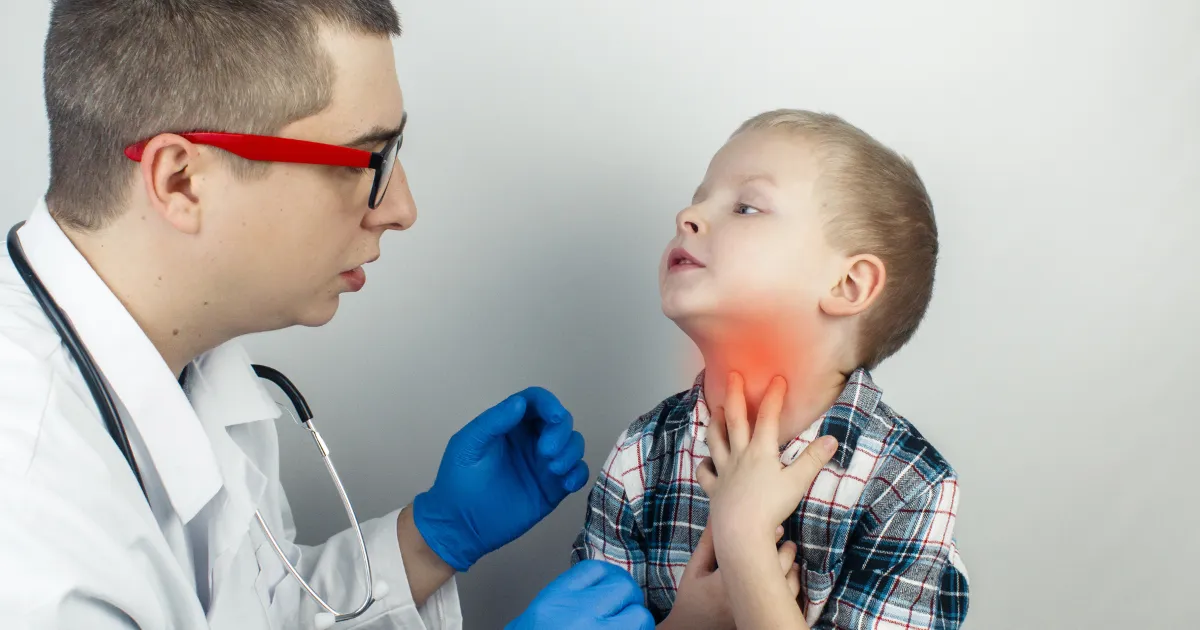
Food or a foreign object blocking the airway is an emergency that can develop quickly. Parents need to distinguish between choking with an effective cough and an airway blocked so completely that the child cannot breathe, because the responses differ.

- Mild choking (partial airway obstruction): The child can cough loudly, cry or speak, and still breathe. Let them keep coughing, as coughing is the best way to expel the object. Stay close and watch them. Do not give back blows or put fingers into the throat while the child can cough effectively.
- Severe choking (major airway obstruction): The cough is silent or absent, crying or speaking produces no sound, breathing is difficult or wheezy, lips or face begin turning blue, the child clutches their throat, or they become drowsy or unresponsive. Help immediately using the steps below and ask someone nearby to call 1669.
First Aid for a Choking Child
First step: Shout for help and ask someone nearby to call Thailand's emergency medical number, 1669, immediately. If alone, call 1669 on speakerphone while helping your child. Then follow the age-appropriate steps below.
Babies Under 1 Year: Alternate Five Back Blows and Five Chest Thrusts
- Place the baby face down along your forearm or thigh. Support the jaw and head, keeping the head slightly lower than the body. Do not press on the throat.
- Use the heel of your other hand to deliver five firm blows between the shoulder blades.
- If the object does not come out, turn the baby face up along your arm or thigh with the head lower than the body. Place two fingers in the center of the chest just below the nipple line, and give five thrusts to about one-third of the chest depth.
- Continue alternating five back blows and five chest thrusts until the object comes out, the baby can cry or cough, or emergency staff arrive.
- Never hold a baby upside down and shake them, and never use abdominal thrusts (the Heimlich maneuver) on babies under 1 year.
Children Aged 1 and Over: Back Blows Followed by Abdominal Thrusts
- Have the child lean forward and use the heel of your hand to give five blows between the shoulder blades.
- If unsuccessful, stand or kneel behind the child and wrap your arms around their waist. Place one fist above the navel and below the breastbone, grasp it with the other hand and give five firm inward-and-upward thrusts.
- Continue alternating five back blows and five abdominal thrusts until the object comes out or emergency staff arrive.
If the Child Becomes Unconscious or Stops Breathing
Lay the child on their back on a firm surface, call 1669 if you have not already done so and begin CPR following the dispatcher's instructions. Before giving rescue breaths, open the mouth and remove an object only if you can clearly see it.
Important: Never put a finger into or sweep a child's mouth if the object is not visible, as you may push it farther in. Do not shake, press or squeeze the neck, and do not give food or water while the obstruction remains. Infant and child first-aid and CPR training helps you respond correctly in an emergency (see illustrated steps from the NHS and MedlinePlus).
Monitoring After First Aid
After giving first aid for choking, watch for possible injuries. Monitoring is very important to assess the child's condition and keep them safe.
Even if the object comes out, always seek medical assessment after chest or abdominal thrusts to check for internal injury. If coughing continues, breathing is wheezy or fast, or fever develops afterward, seek urgent medical attention because food fragments may have entered the airways or lungs.
| What to Monitor | Reason |
|---|---|
| Your child's breathing | Check that your child breathes well after first aid. Additional help or medical assessment may be needed. |
| Injury from first aid | Check for injuries or redness around the neck or elsewhere. Seek medical attention immediately if an injury is present. |
| Unusual symptoms after first aid | Watch for pain or discomfort after first aid. Seek immediate medical attention for unusual symptoms. |
Preventing Choking in Children

Parents should understand choking prevention because an obstruction can be dangerous and cause harm. Knowing immediate first aid is therefore very important for protecting a child.
The following approaches help parents understand appropriate prevention and keep children safe:
- Prepare food carefully: Cut food into small pieces or mash it to an age-appropriate texture (see food for babies from birth to 1 year) and teach children to chew thoroughly before swallowing. Avoid high-risk foods for young children, such as whole grapes or cherry tomatoes, which should be quartered lengthwise, whole nuts, hard sweets, round sausage slices and firm jelly pieces.
- Supervise meals: Watch your child while eating. Do not let them run, play, laugh, cry or watch screens with food in their mouth, and never leave them to eat alone.
- Help your child sit upright: An upright position supports smooth swallowing. A high chair with a secure harness helps children stay upright and in place during meals.
- Keep small objects out of reach: Small toys, coins, buttons, button batteries and bottle caps can cause choking just like food. Read 10 Ways to Make Your Home Safe for Children.
| Ways to Prevent Choking in Children | Description |
|---|---|
| Prepare food carefully | Cut food into small pieces or mash it for the child's age, teach thorough chewing and avoid hard, round foods. |
| Supervise meals | Watching your child while eating is important to prevent choking. |
| Help your child sit upright | Keep your child upright while eating to support swallowing and reduce choking risk. |
This section brings together important advice and information to help parents respond safely when a child chokes on food.
Knowing choking first aid is important because it can help keep your child safe in these situations. Explore more parenting tips here.